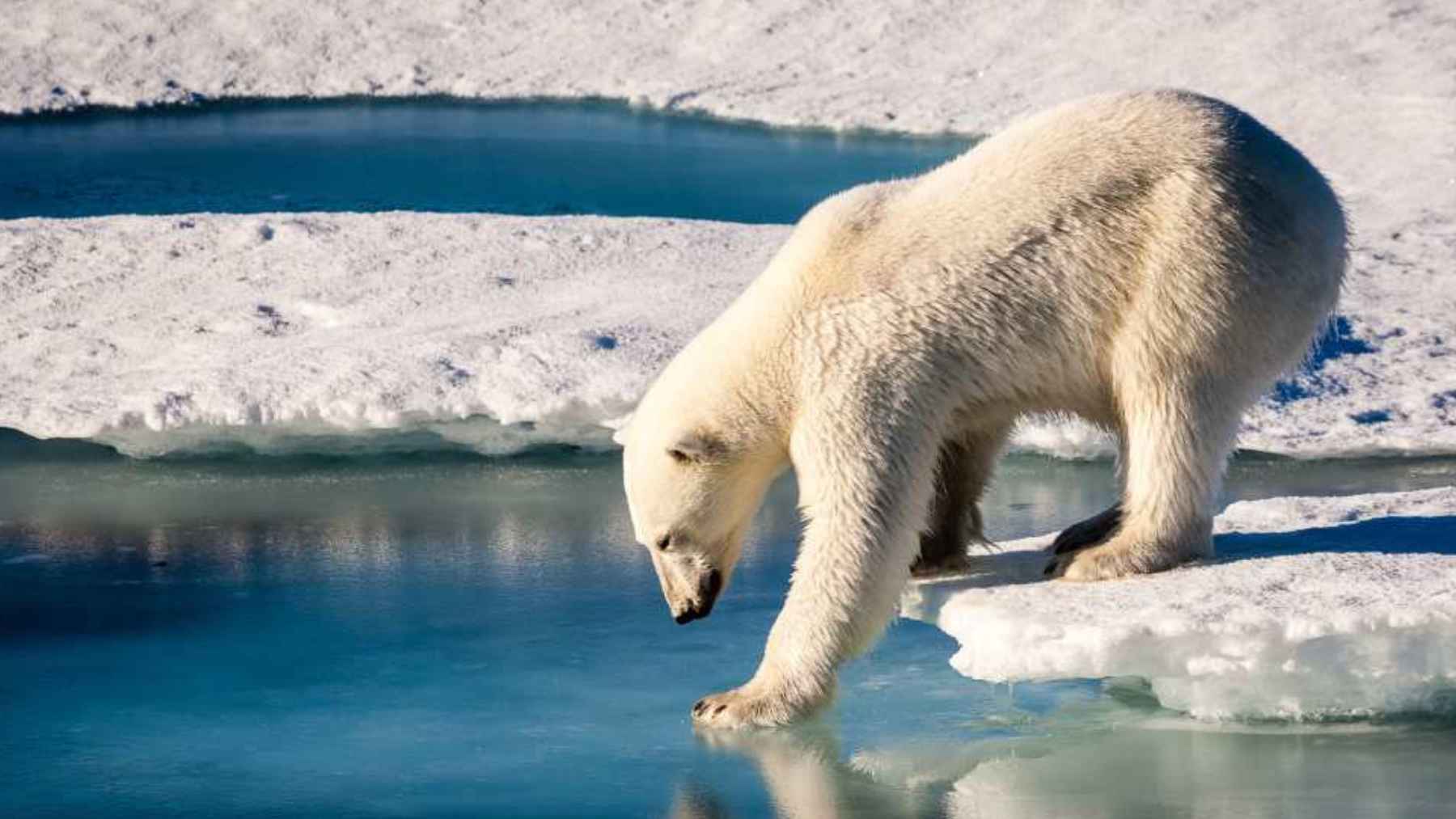
Adult polar bears in Norway have been getting fatter and healthier even as the sea ice around them keeps shrinking. That pattern challenges the easy assumption that less ice always means thinner bears, at least for some Arctic coastlines.
Records from Svalbard
Long-term capture records in Svalbard, a Norwegian island chain far north of Norway, tracked 1,188 spring measurements from 770 adult bears. Over decades, the Norwegian Polar Institute (NPI) ran spring captures that built this measurement archive. Using that archive, Jon Aars, a population geneticist, found bears grew heavier after 2000.
Meanwhile, sea ice kept shrinking during those years, so the trend forced a closer look at how bears found food.
Ice-free season lengthened
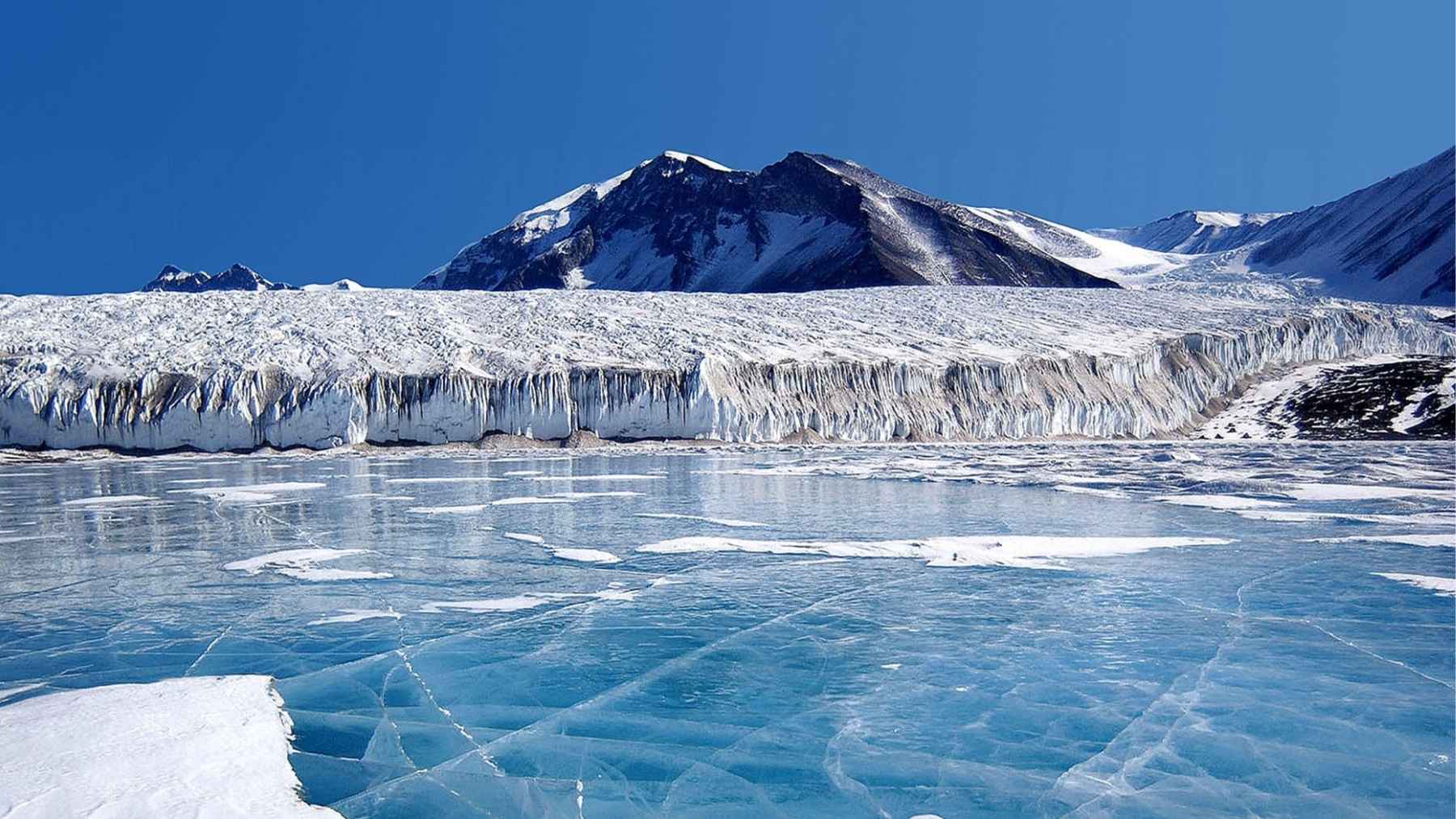
Along the Barents Sea, north of Norway and Russia, sea ice vanished while the climate warmed about 3.6 degrees Fahrenheit per decade. Fewer months of solid ice shortened the main hunting season, leaving bears to burn stored fat for longer.
Across the 27-year record from 1992 to 2019, the number of ice-free days climbed by about 100 days total. With ice habitat disappearing more than twice as fast as in other regions, scientists expected leaner bears whenever ice was scarce.
Fat stores matter
Polar bears, Ursus maritimus, live in 20 recognized populations that depend on sea ice to reach seals. Spring hunting let each bear build fat reserves, stored energy that later powered it through long weeks ashore.
Wildlife biologists watch body condition, a quick read on nutrition, because it often changes before cubs or survival rates fall. Better weight alone still cannot prove the population is safe, since fewer cubs could arrive even when adults look strong.
New foods appear
Onshore feeding became more common once ice started disappearing for longer stretches, especially during the summer months. News coverage linked that change to animals picking up food on land and scavenging carcasses.
“In this area, bears have access to reindeer and eggs on land, walrus carcasses, as well as seals,” said Aars. That menu depended on local prey and scavenging, and it could vanish if those choices became scarce.
Summer on shore
By summer, more bears spent extended time on land as the sea ice retreated away from the islands. Once ashore, they searched beaches, open ground, and bird cliffs for quick meals when the usual marine hunting slowed.
NPI teams previously recorded nest raids in western Svalbard, and tracking data later showed more females lingering near bird colonies. Seasonal nest food offered a boost for some individuals, but it also stayed patchy and could not feed everyone.
Two travel styles
Within the Barents Sea population, some bears stayed close to Svalbard year-round, while others followed sea ice as it drifted. Following the ice kept seals on the menu longer, but it also demanded more travel and more energy.
Springtime captures near the islands tended to include animals that researchers could reach, which may undercount far-traveling bears. Separate strategies mattered because a strong average can hide trouble if one group loses access to good hunting.
Fitness has limits
Healthy-looking adults still faced a basic problem, because less ice limits access to their highest-energy marine prey. Beyond body fat, the study did not test whether the overall number of bears or cub survival was rising or falling.
“Importantly, the maintained body condition does not mean that sea ice loss has no impact,” Aars said. Local food might offset some lost seal hunts today, yet that balance could fail if sea ice loss continues.
Local conditions help
Svalbard’s ecosystem offered more backup food than many Arctic coastlines, because land and sea species increased in recent decades. After hunting protections took hold in 1973, reindeer and walruses rebounded, and carcasses became more available to scavenging bears.
Lower bear density may also have helped, since carrying capacity, the maximum animals an area can support, can fall with habitat loss. Extra prey and space can cushion a population, but neither stops ice retreat, so the protection may prove temporary.
Monitoring stays vital
Long-running monitoring programs can catch slow changes that shorter studies miss, especially in places warming this quickly. During each spring capture, NPI researchers recorded the same body measurements, so later years could be compared to earlier ones.
Keeping the same methods year after year made the pattern hard to dismiss as chance, even when weather swung. Ongoing tracking also guards against false comfort, because a population can look fit while its numbers quietly fall.
Resilience has limits
Flexible feeding and local ecology buffered weight for Svalbard bears, even during a rapid loss of ice. Future work needs to track births, survival, and access to sea ice, because the same strategy may not hold forever.
The study is published in Nature.