New work rules for the Supplemental Nutrition Assistance Program are starting to hit home in three states, and many people are finding out that their grocery money is suddenly at risk. On February 1, Illinois, Texas, and Ohio began enforcing stricter work requirements that can cut off benefits for adults who do not log enough hours.
KFF, a U.S. health policy organization, expects a total of 43 states to apply these rules, so what is happening now is likely a preview of a national shift. At the same time, a partial federal government shutdown has raised new questions about how stable food aid really is. So what exactly changed, and who is now most at risk of losing help at the checkout line?
New rules start In Illinois, Texas, and Ohio
The latest changes focus on people who receive SNAP but are considered able to work. Hundreds of thousands of beneficiaries in Illinois, Texas, and Ohio are the first to feel the impact, as their states moved ahead with the policy on Sunday.
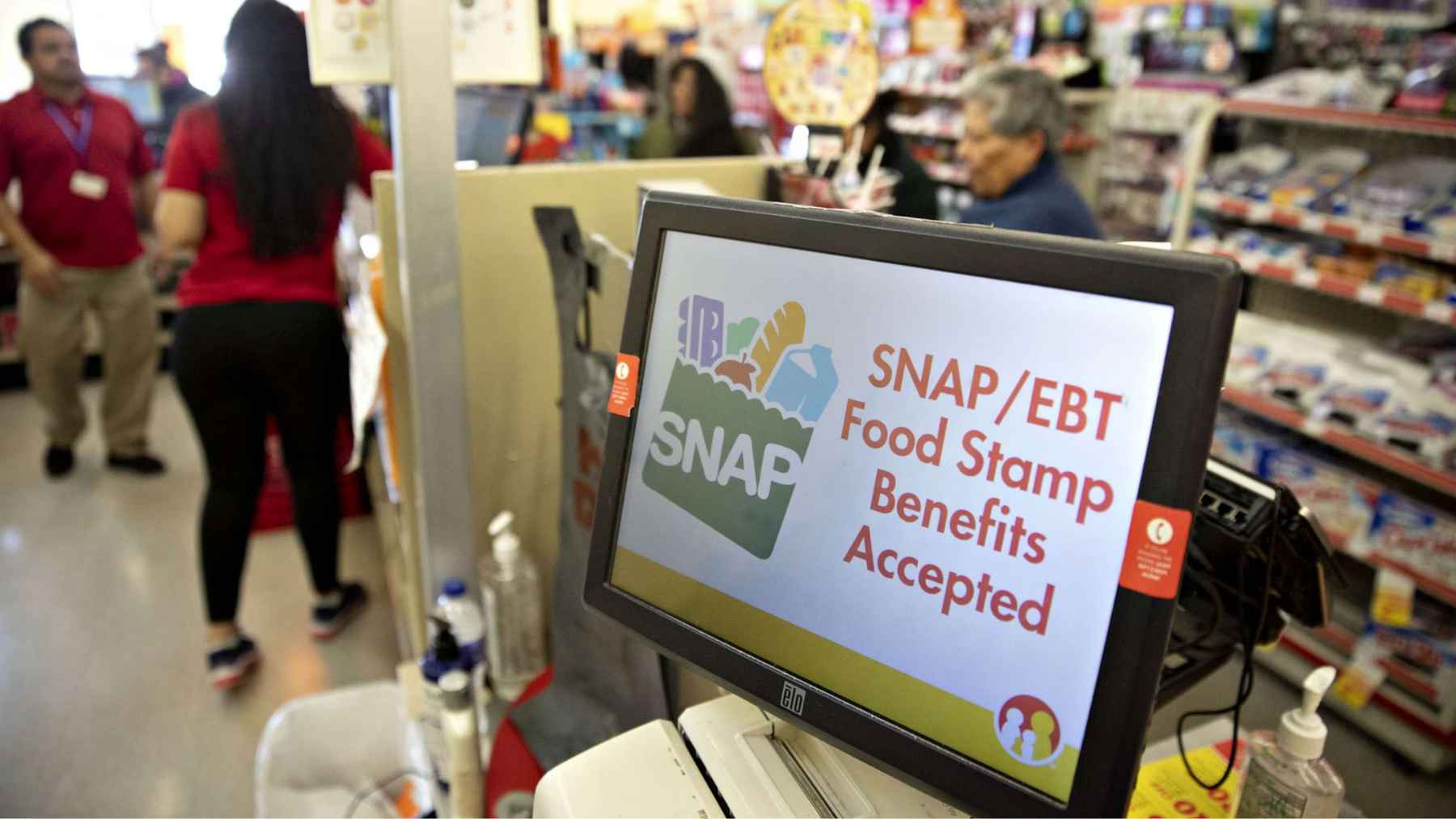
SNAP is the federal program that helps low-income households buy food each month, often making the difference between an empty fridge and a full grocery cart. When work rules tighten, that safety net can start to feel thinner overnight.
What it takes to keep SNAP benefits
Under the new standard, recipients covered by the rules must work at least 20 hours per week or 80 hours per month to stay eligible. Work can include paid jobs, unpaid work, or volunteering, but the hours must be real and consistent.
Recipients also have to prove it. According to local outlet KSAT, people in Texas now need to log and submit their hours to the Texas Health and Human Services Commission so the agency can verify that they meet the requirement. For someone juggling shifts, childcare, and transportation, that extra reporting can feel like one more maze of paperwork.
The agency will count more than traditional jobs if the activity is tied to work. Time spent in SNAP Employment and Training, any Texas Workforce Commission work program, or activities under the Workforce Innovation and Opportunity Act can all be used to reach the monthly target. In practical terms, that means a training class or job program can help keep food benefits flowing as long as the hours are tracked.
Able-bodied adults face stricter time limits
A key target of the changes is a group known as able-bodied adults without dependents, often shortened to ABAWDs. These are adults between 18 and 64 who do not have children in their care and are considered fit to work.
For this group, the clock is ticking. They can only receive SNAP for three months within a three-year window unless they meet the new work requirement. For many, that is the difference between steady food support and suddenly having to stretch a paycheck over rising grocery prices.
In the past, only people aged 18 to 54 were subject to this kind of work rule. President Donald Trump’s “One Big Beautiful Bill Act” expanded that range so that adults up to age 64 are now included, tightening the net around older workers who might struggle to find or keep a job.
Exemptions narrow for parents and other groups
The rules do allow some exemptions, but those are changing too. Groups that had previously been exempt from work requirements are now being pulled into the system and expected to meet the same standards as everyone else.
Those groups include veterans, unhoused individuals, and young adults who are aging out of the foster care system. For someone leaving foster care or living without stable housing, keeping a regular work schedule and logging every hour can be a heavy lift.
The rules also narrow the exemption for people caring for children. Now, only parents or household members with a dependent child under 14 are exempt from the work requirement. A parent with a teenager in the house could suddenly be treated the same as a single adult with no children at all.
Shutdown jitters but benefits continue for now
The new work requirements landed just days after the federal government slipped into a partial shutdown at the end of January. This situation is different from the record long shutdown that occurred in October 2025, but it still put many people on edge.
So far, SNAP funding itself is not the main problem. Congress has already passed half of the funding bills for 2026, which keeps several federal agencies operating through September. SNAP is covered through September 30, and full benefit amounts are expected to go out on their regular schedule.
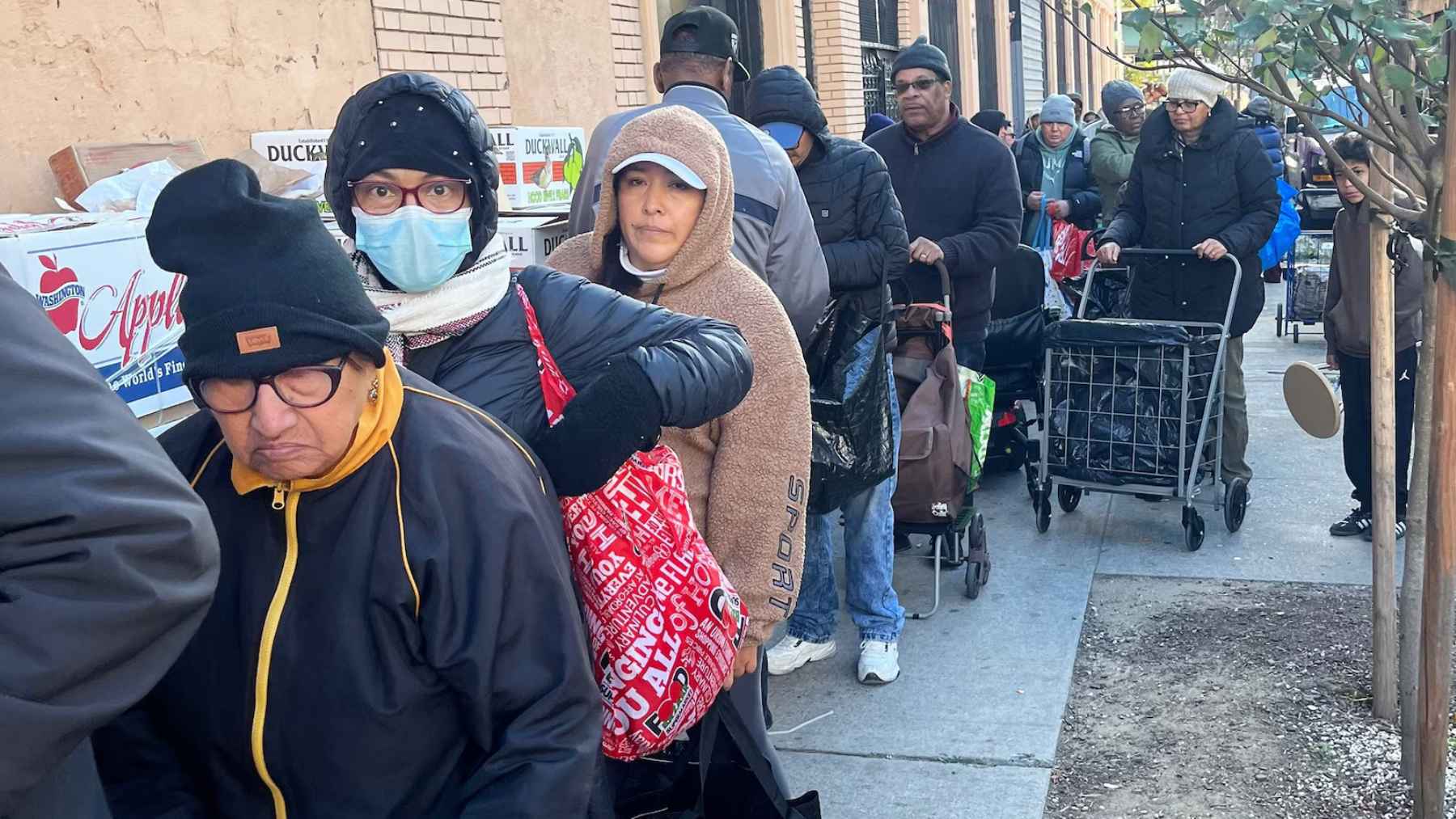
For most families using the program, that means the money should still show up on their card each month. The real question is whether they will still qualify under the stricter work rules.
Immigration status and new losses of eligibility
Another major shift affects people who are not U.S. citizens but are in the country legally. Individuals classified as aliens under federal law and legally present in the United States are now no longer eligible for SNAP.
Refugees, asylum seekers, trafficking survivors, and some non-citizens who were allowed to stay under conditional status have also lost access to benefits. For communities that already face language barriers, trauma, and legal uncertainty, losing help with food can deepen the strain.
Not every change cuts people out. The “One Big Beautiful Bill Act” created extra exemptions for Native Americans, Indigenous Peoples, Alaska Natives, and Tribal Members. Even so, the overall picture is a system that is tightening for many groups at once, just when the cost of filling a shopping basket feels high for everyone.
The main policy changes are contained in President Donald Trump’s “One Big Beautiful Bill Act.”
The official information memorandum on these changes was published on the U.S. Department of Agriculture Food and Nutrition Service website.