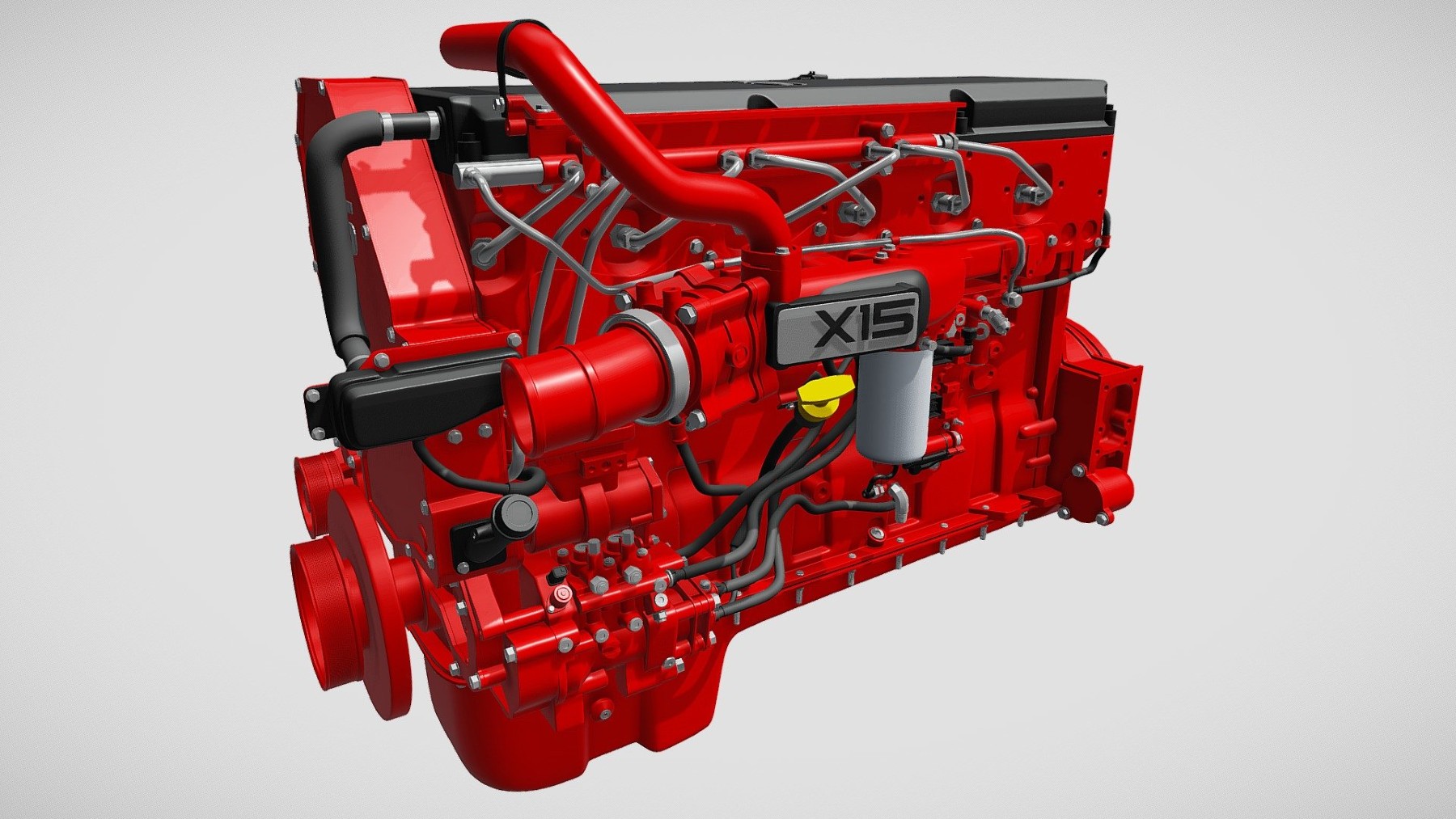
A legendary brand has just set a historic milestone with a better-than-electric and much more futuristic fuel. We’re talking about the new 15-liter hydrogen engine, which is so massive, it won’t be destined for cars. Instead, it will decarbonize a transportation sector that has always been questioned for its high pollution, with few alternative fuels.
The new hydrogen engine: unseen power and new type of combustion
Cummins Inc. has had designs, diesel, and alternative fuel engines construction for 100 years. The Company is known globally as data integrity and reliable experts and it is their engines supplied to trucks and generators which are heavy duty engines as well. In May 2022, Cummins presented their newly founded project, a hydrogen engine prototype with 15 liters.
The development of this engine, being powered by hydrogen fuel cells and without nitrogen oxide emissions, has marked a breakthrough. The new engine with a power rate of 290HP and is intended to surpass the actual diesel and electric powertrains that are currently the market leaders in the field of commercial vehicles.
290 hp and other exciting aspects of this new hydrogen engine from Cummins.
During the last few years, Cummins have introduced its new 15-liter hydrogen engine whose power reaches 290 horse and produces up to 1150 lb-ft of torque. By integrating with proton exchange membrane (PEM) fuel cell, the hydrogen and oxygen will be considered. From this, electricity is generated and the electric traction motor is driven.
In contrast with diesel engines which burn carburetor for power, the hydrogen fuel cell instead has zero harmful emissions, and the pair of outputs being heat and water. By distinguishing itself from BEVs that use large battery packs, the hydrogen engine containers hydrogen in tight high-pressure tanks. The electric fuel cell is refueled again in 15 minutes, the charging of which is pretty fast as in comparison with diesel but without emission.
The proton exchange membrane behaves like a filter, permitting positively charged protons to penetrate through it while electrons have no chance to reach this barrier. Such a movement of electrons is a physical performance of a current which could be used as an energy source. Oxygen comes in the intake line, while the storage tanks deliver hydrogen in it’s gaseous form.
With a fuel cell powertrain hydrogen fuel is being utilized for the manufacturing of the Cummins engine which provides power, torque and zero emissions. That could open a Pandora’s box for decarbonizing transportation systems with near similar performance to dieselized roles but still with the environmental harmlessness of a battery-electric one.
Why this hydrogen engine is different from any other: Cummins has put an end to diesel
In hydrogen fuel system which has 15-liter engine the advantages that are provided are often similar to that of diesel fuel system and battery electric vehicles (BEVs). Notably this has been provided by the fact that it emits no emissions, thereby reducing the harmful pollutants that typically accrue from diesel engines
Unlike electric cars where you will find fueling to be quite much slower it is very much similar to a similar process seen with diesel cars hydrogen engines are designed to offer very quick refueling sessions. It takes at least two minutes to fill up the fuel tank of a hydrogen engine in contrast to 30 minutes or even several hours for a large battery of an EV to be fully recharged.
Besides, due to a higher power density, hydrogen piles possess longer range but lighter weight of a small tank. The 15-liter hydrogen engine yields a power of 290 hp and 1000 lb-ft of torque, on par with its diesel counterparts made by Cummins. Yet, the hydrogen fuel cell system, which amounts to 1,500 lbs, weighs less than 10,000 lbs by the usage of a diesel engine with aftertreatment system.
While it is true that this 15-liter hydrogen engine is consolidating its position in the construction sector, it is no less true that vans are still not definitively committed to electricity. Whether for reasons of safety, economy or supply, there is a growing doubt as to whether they will be able to do so in the short term, although the brands are making a decisive push in this direction.