Mobility
EVs, batteries, trains, ships and the future of transport
In Mobility, ECOnews covers electric vehicles and EV batteries, e-bikes, trains and public transit, ships, aircraft and space travel. These are the innovations, infrastructure and policies changing how people and goods move by land, sea and air.
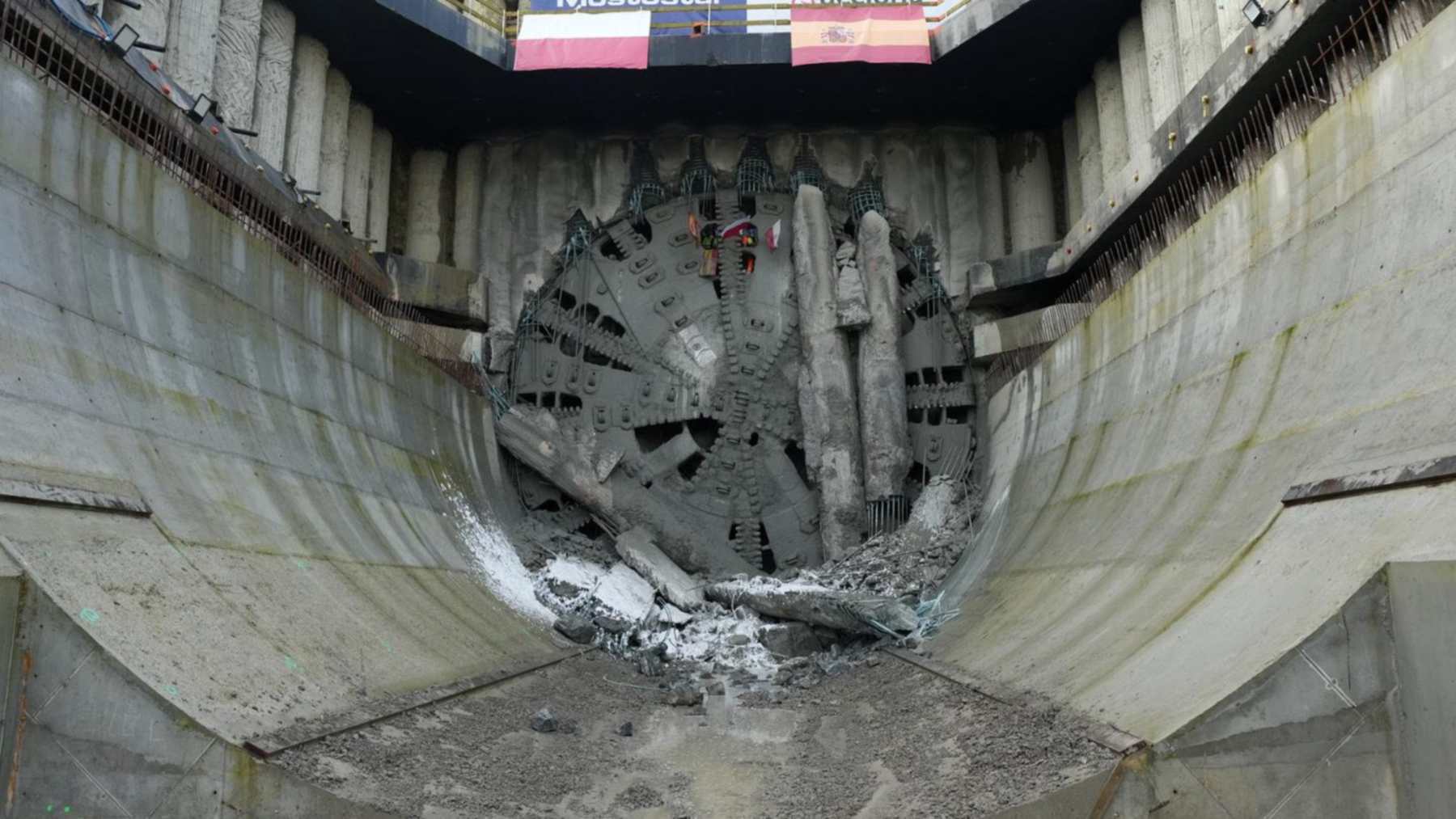
Poland is boring a Carpathian road tunnel with a 4,400-ton machine, and methane seeping from test wells forced engineers to refit it for potentially explosive air
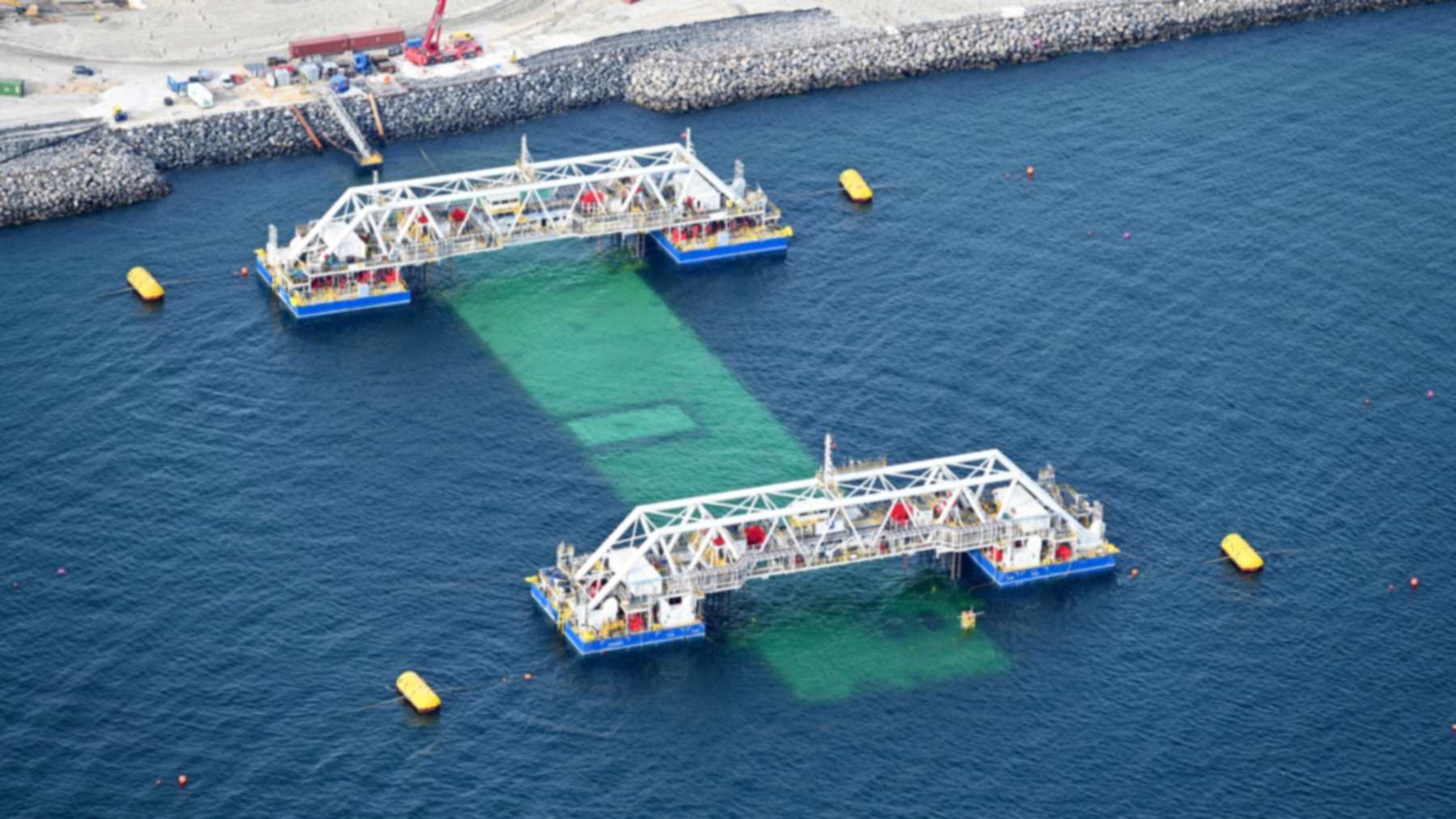
Denmark is lowering 81,000-ton concrete blocks onto the seabed for the Fehmarnbelt tunnel to Germany, and the next piece is a special element the size of a four-story building, with a basement
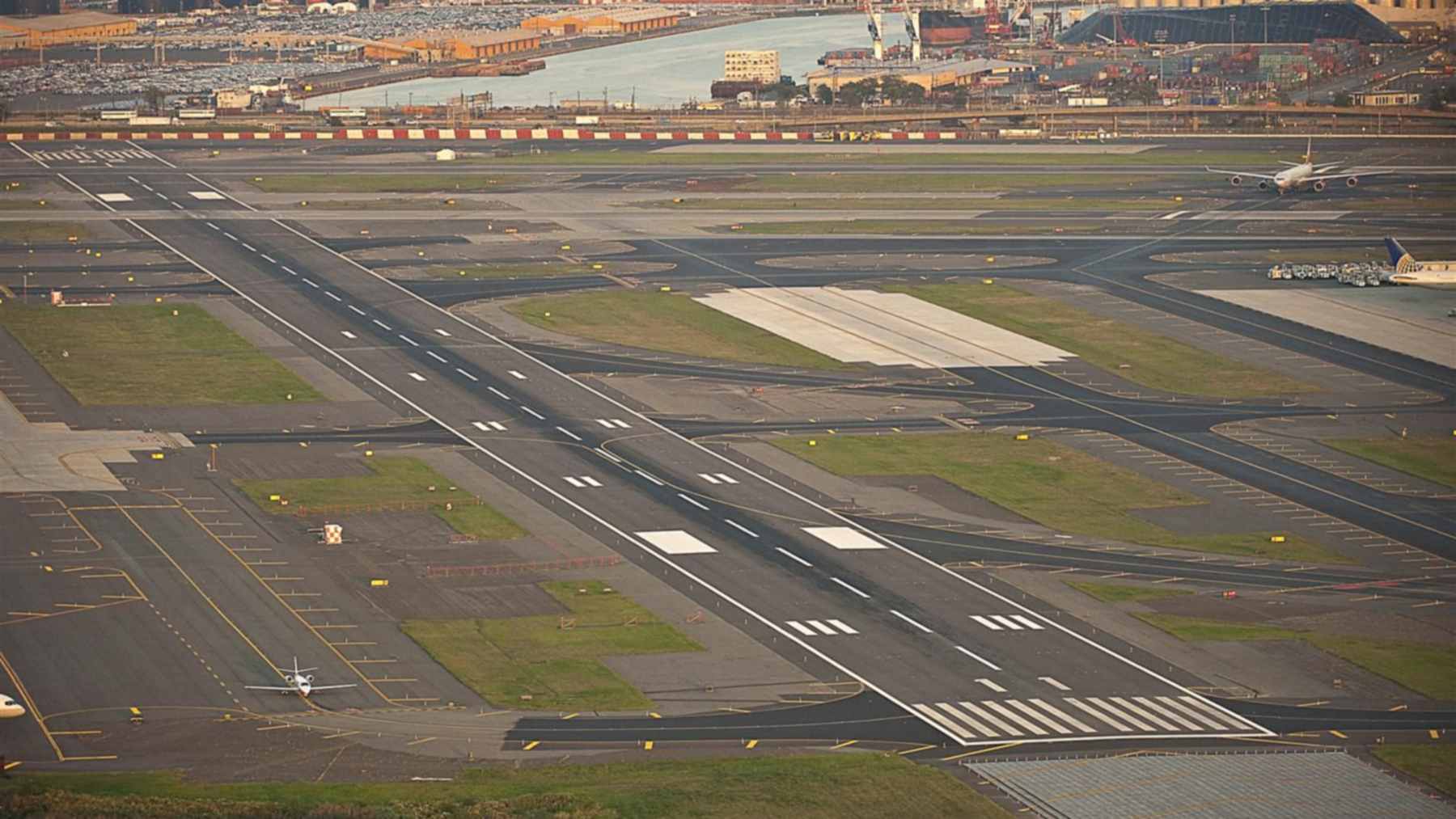
Engineers buried coal fly ash beneath Newark Airport’s jumbo jet runways, and a federal guideline says pavements built this way kept performing satisfactorily after 20 or more years
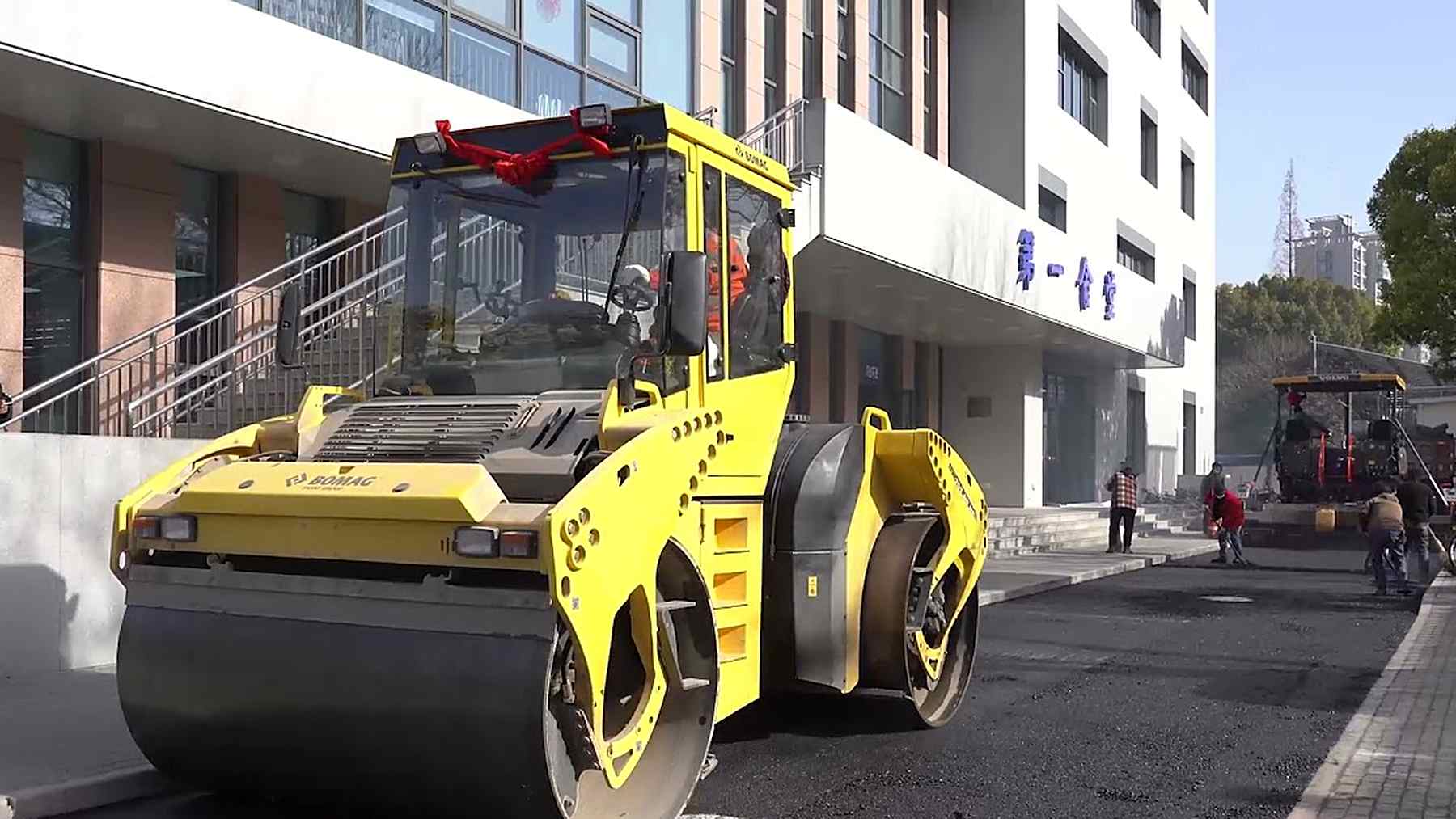
Dow says it built China’s first plastic road with more than 6,000 used milk bottles and other plastic that recyclers did not want, and what kept the bottles out of recycling was the milk left inside them
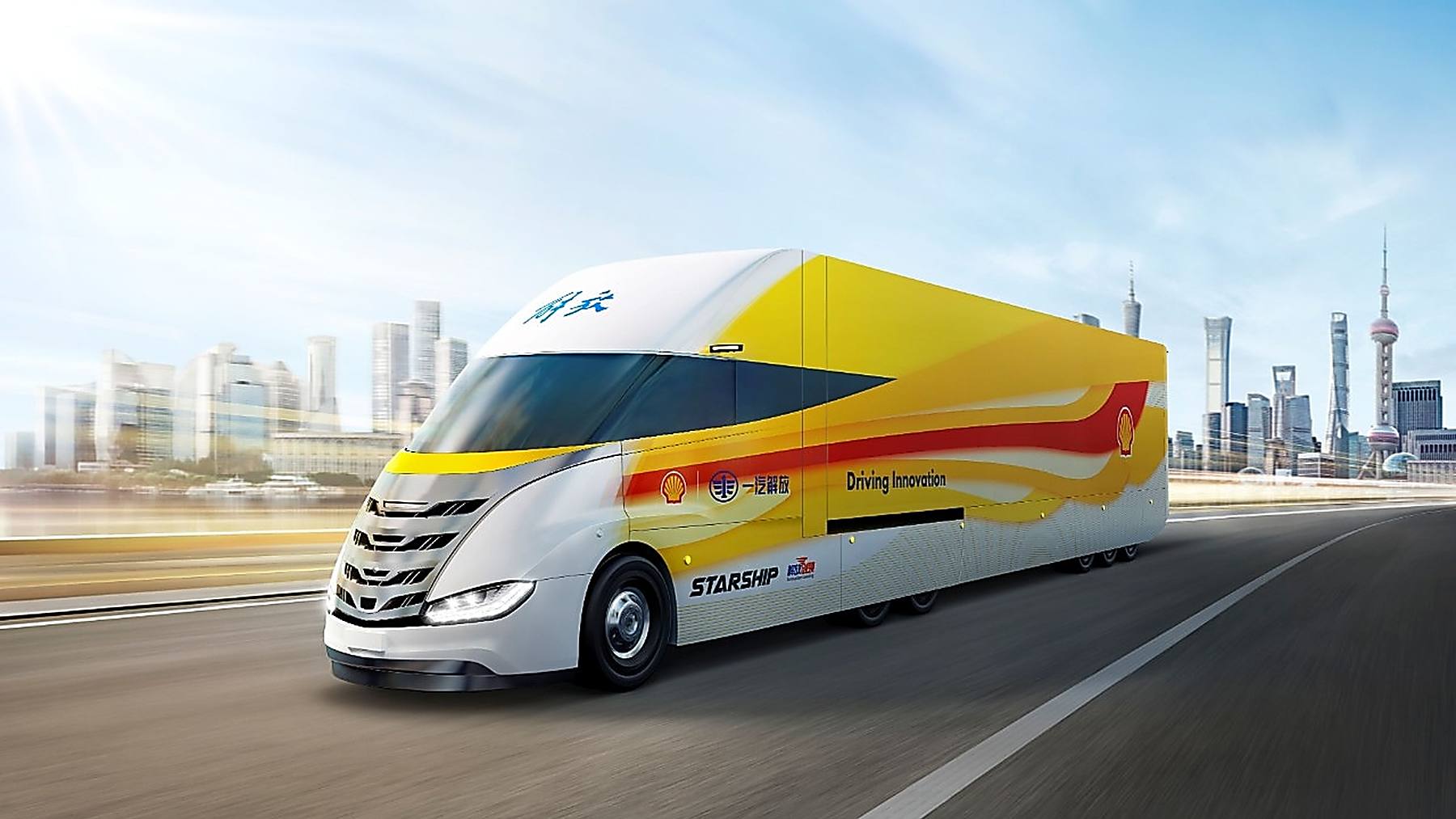
Shell and FAW Trucks are testing an immersion cooling battery that bathes truck cells in liquid, and Shell says early results point to potential climbing gains of up to 98 percent, pending final validation
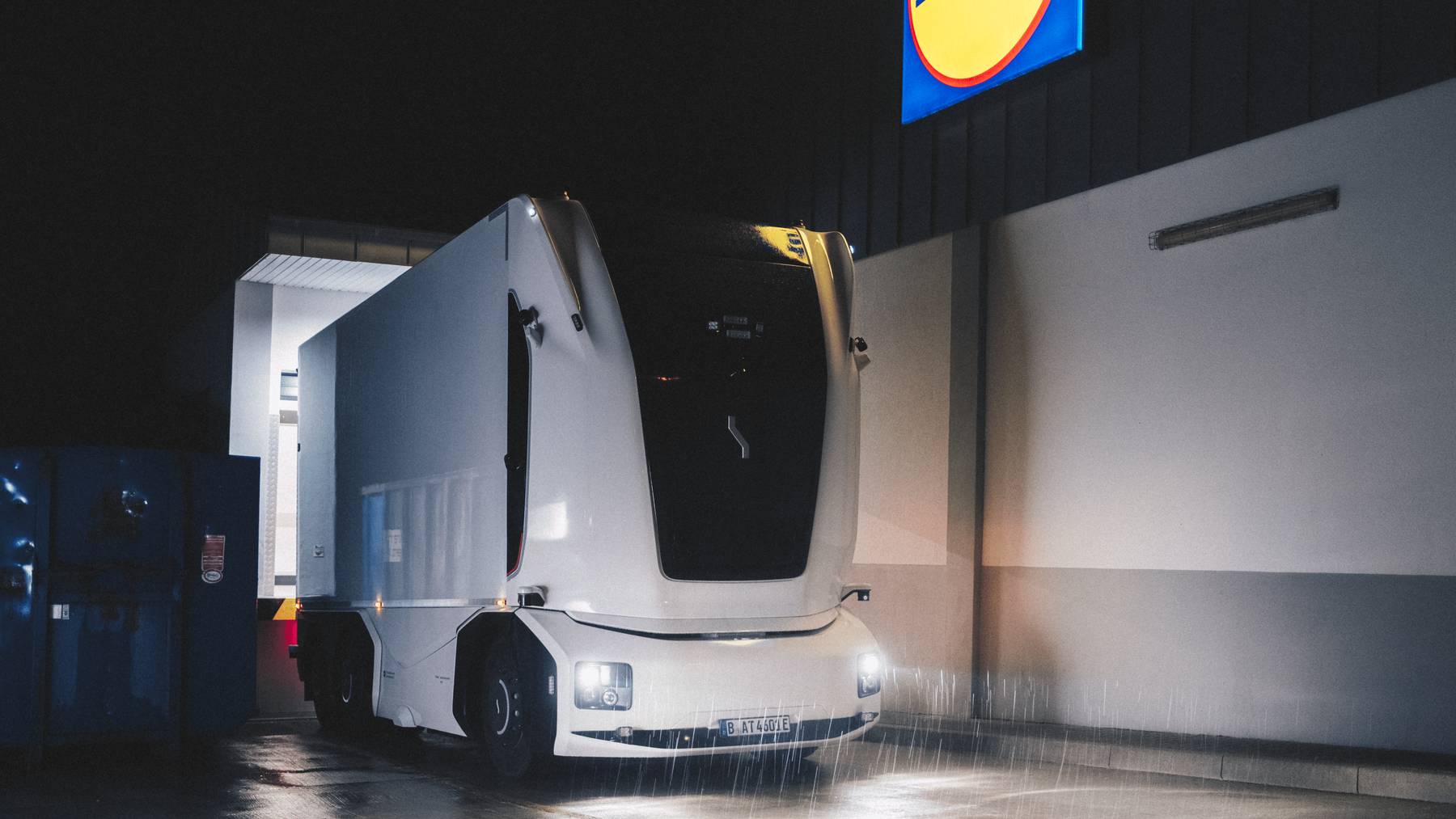
Germany now has a truck with no cab hauling Lidl groceries on a public road up to three times a day, and one human job still travels with it in a separate vehicle
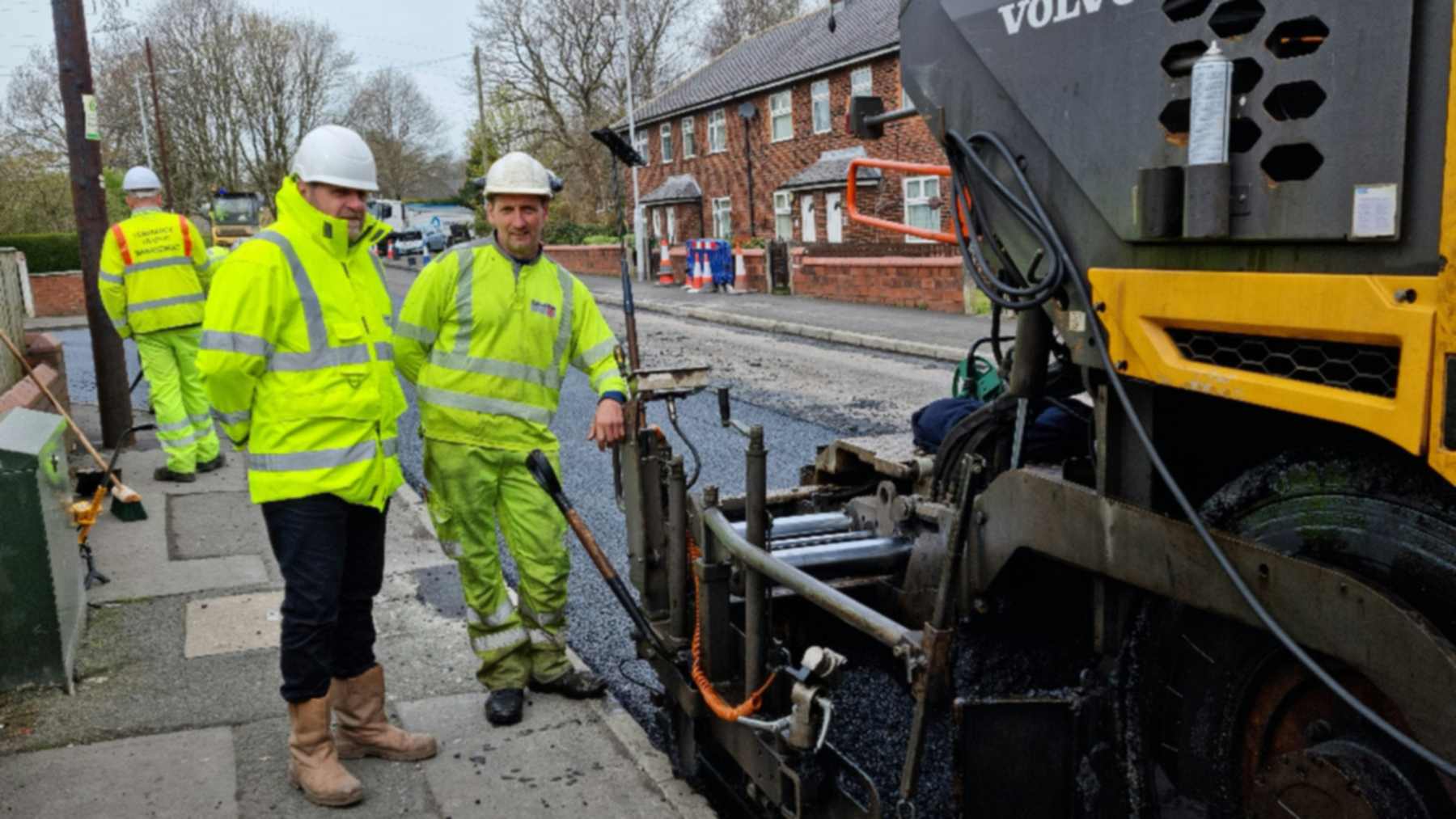
Tarmac estimates that road asphalt with worn-out tires, first tested on Britain’s M1 motorway, could take up to 1,200 per mile, and the carbon savings turned out to depend on more than the rubber
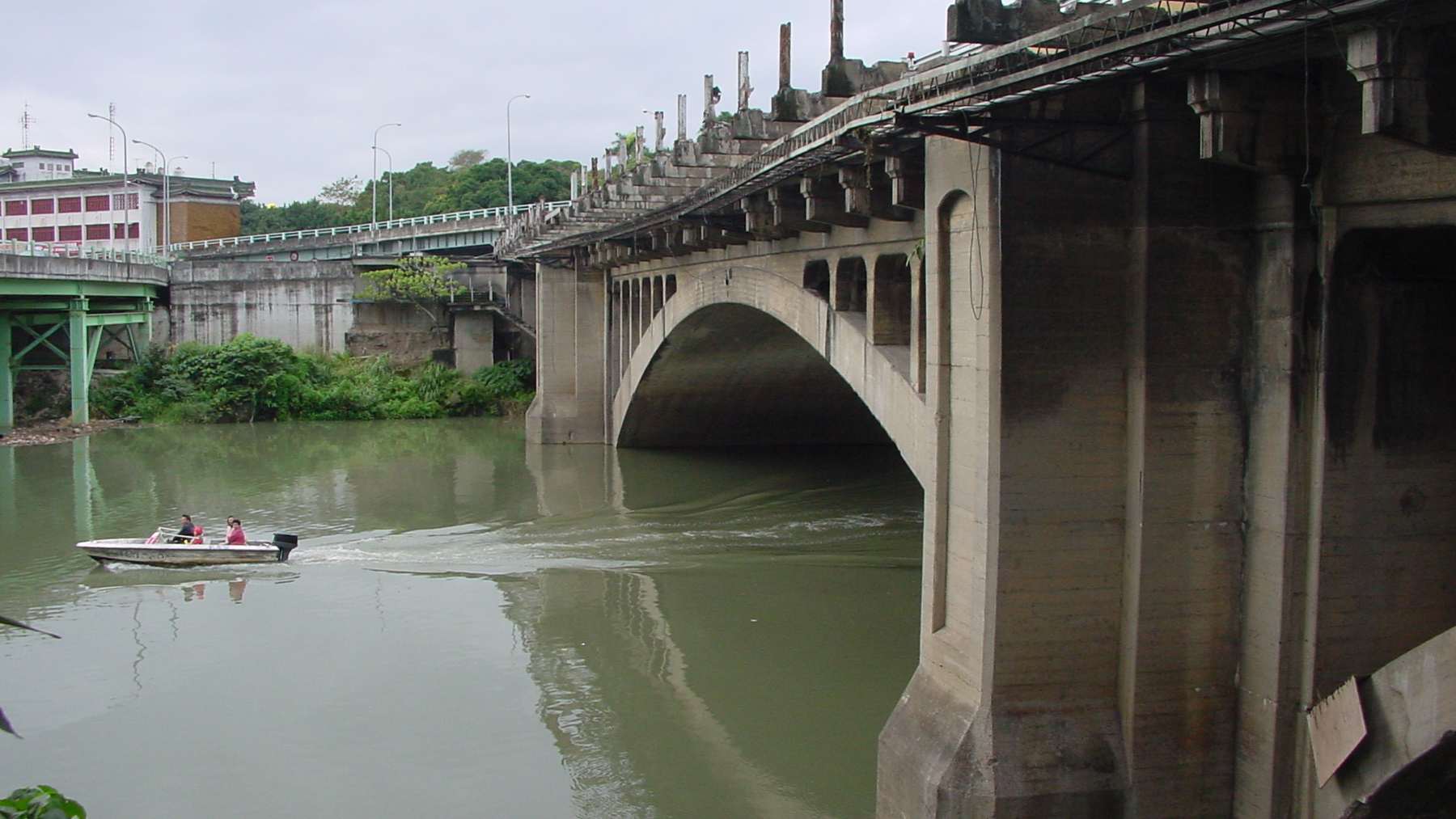
Taipei cut its old Zhongshan Bridge into 435 pieces to make room for floodwaters, and two decades later the city still has not settled where to put it back together
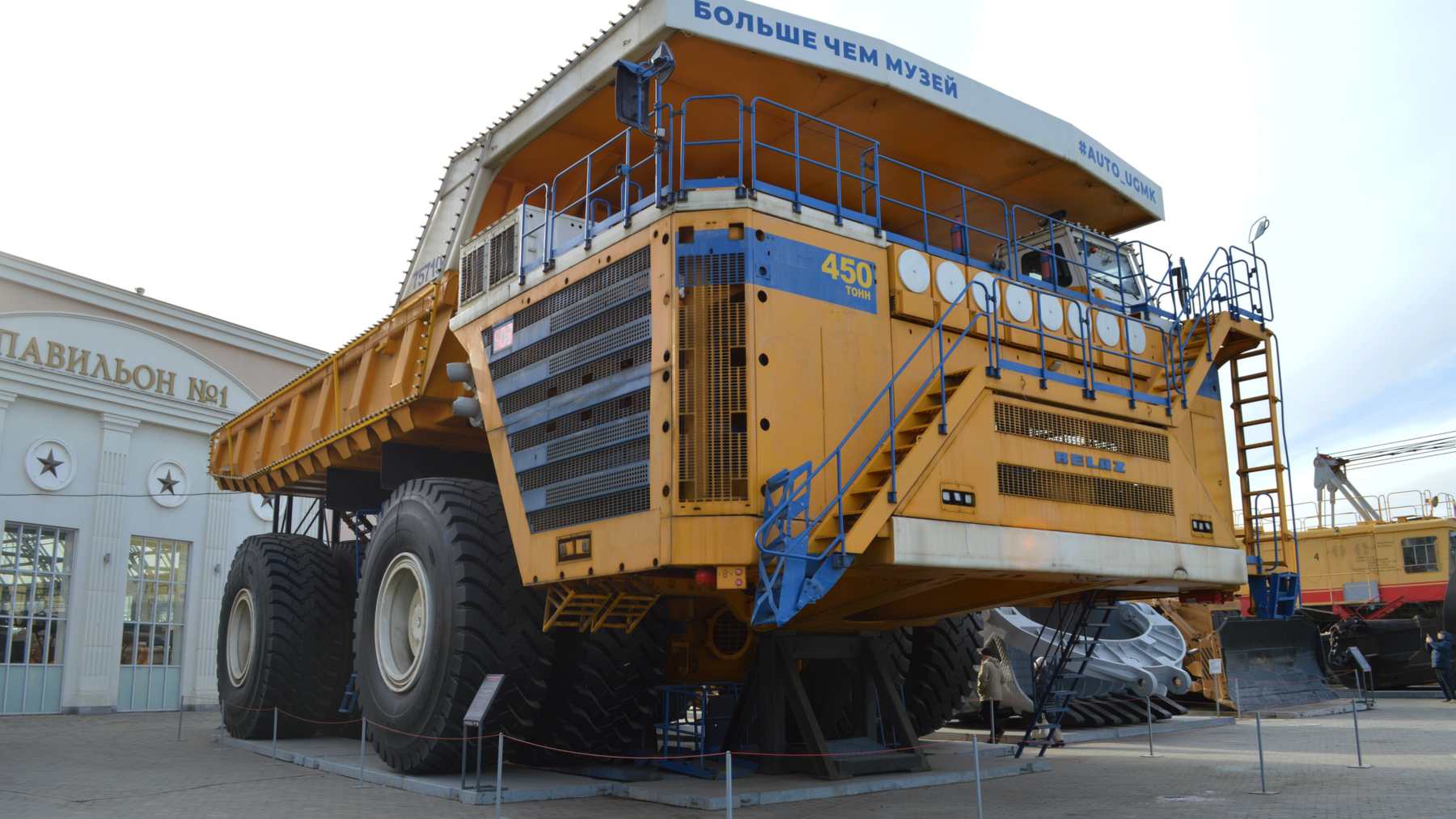
The BelAZ 75710 dump truck hauls 450 metric tons on eight tires, and the record mining giant still runs on diesel, with two 16-cylinder engines making power for its electric motors
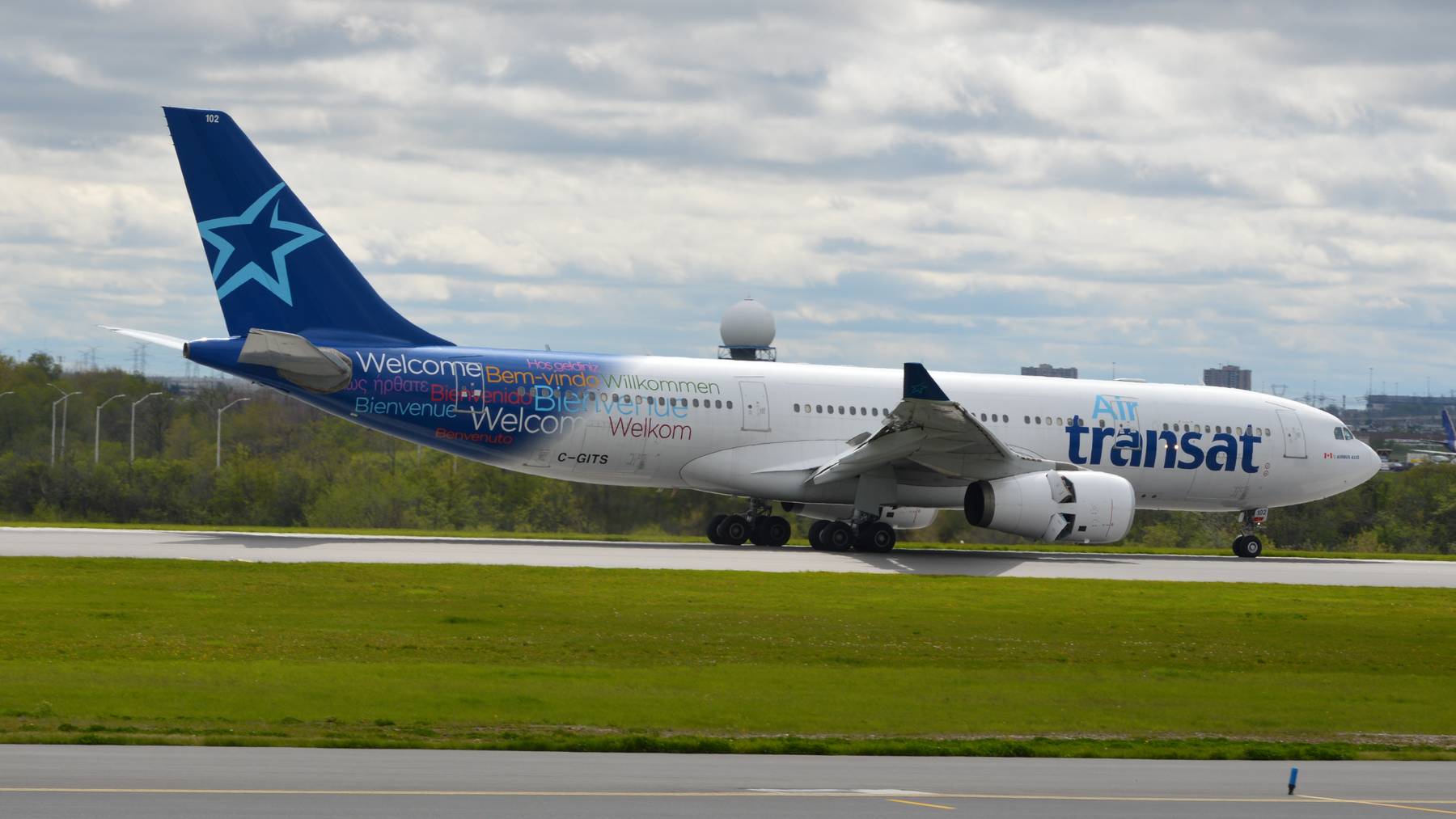
Over the Atlantic in 2001, Air Transat Flight 236 lost power to both engines and glided about 75 miles for roughly 19 minutes, and all 306 people aboard survived a hard landing in the Azores
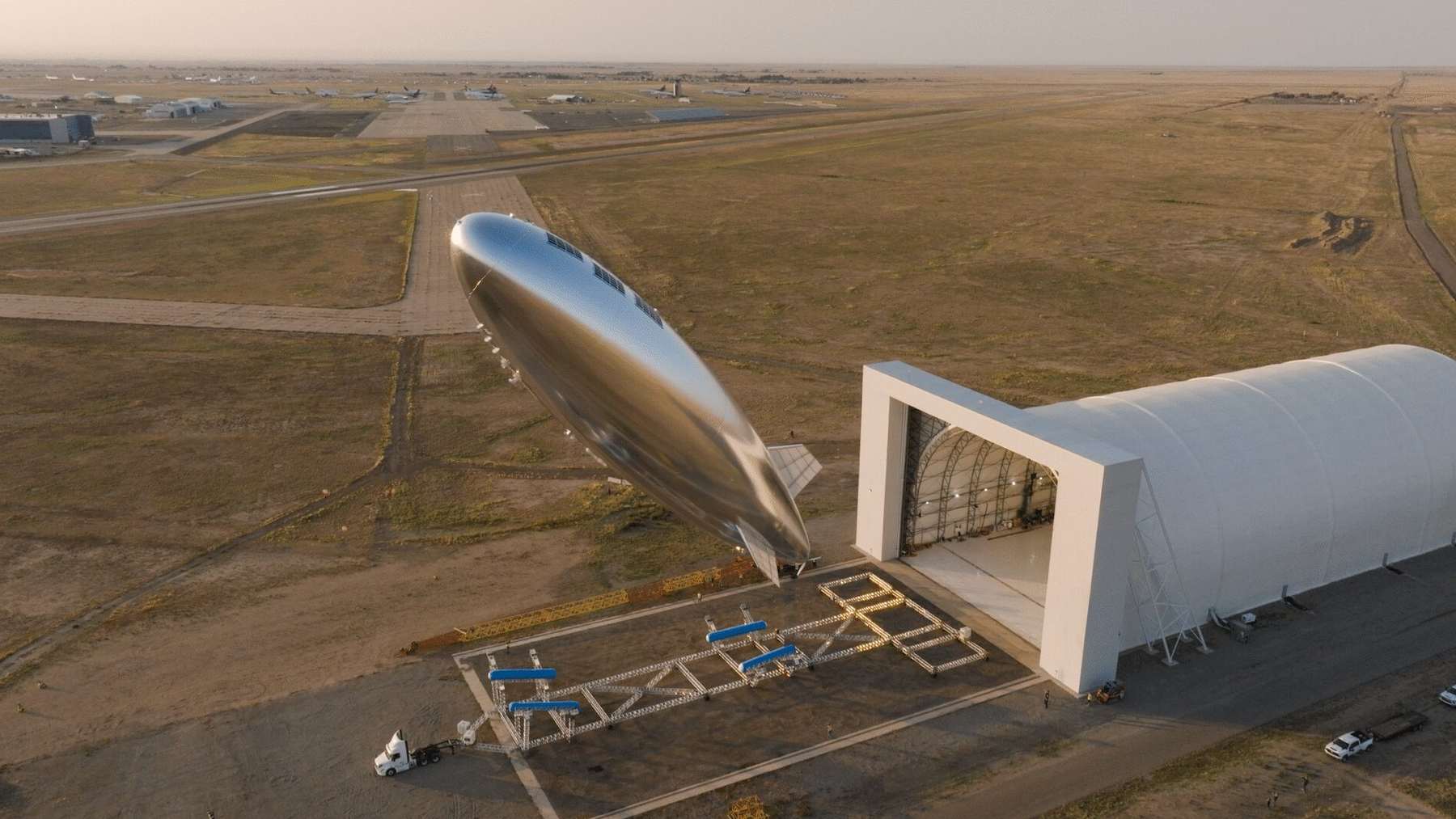
New Mexico’s Sceye flew a solar-powered stratospheric airship about 18,600 miles to Japan and back in about a month and used it to beam calls and video to ordinary smartphones from more than 54,000 feet
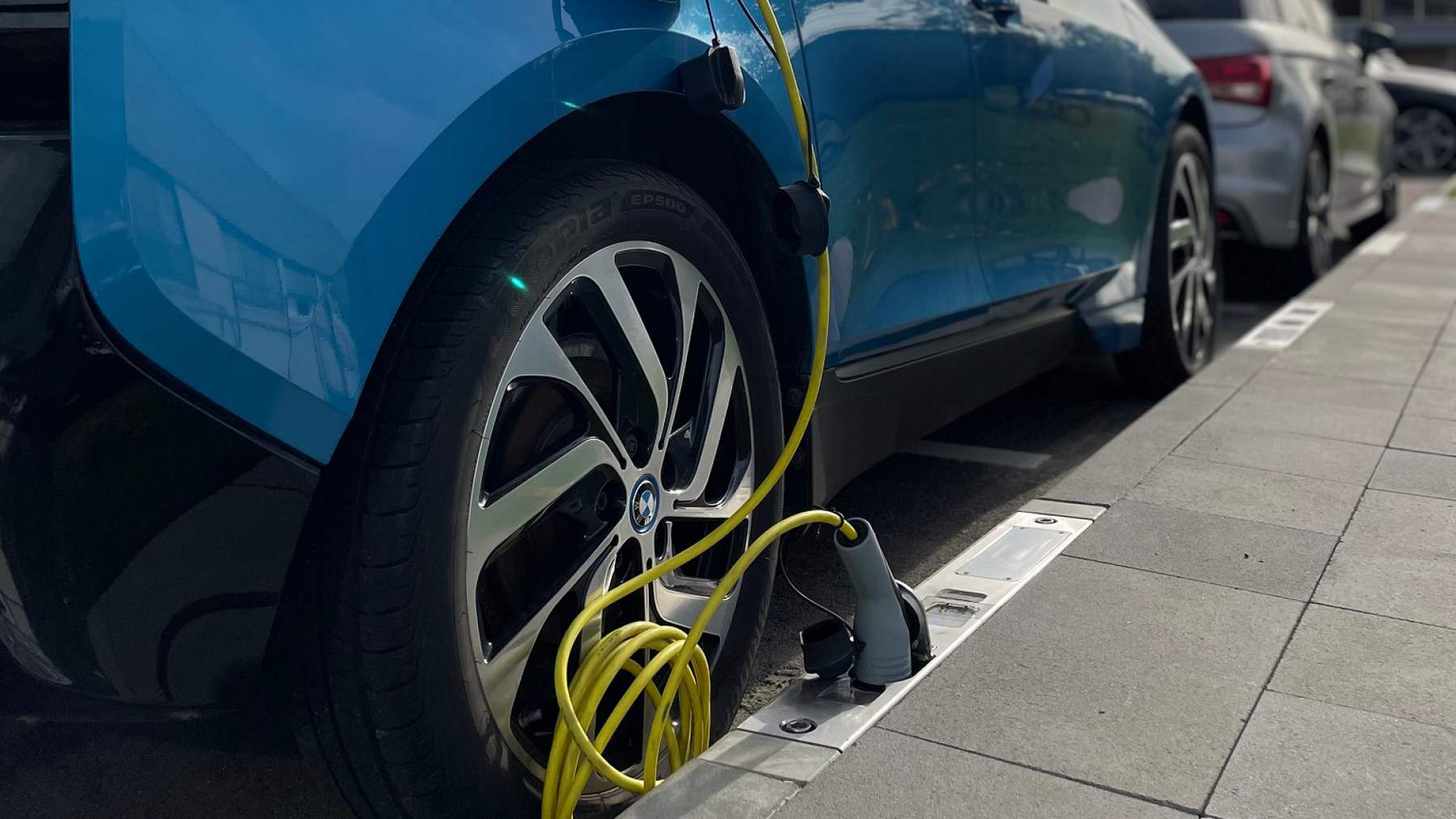
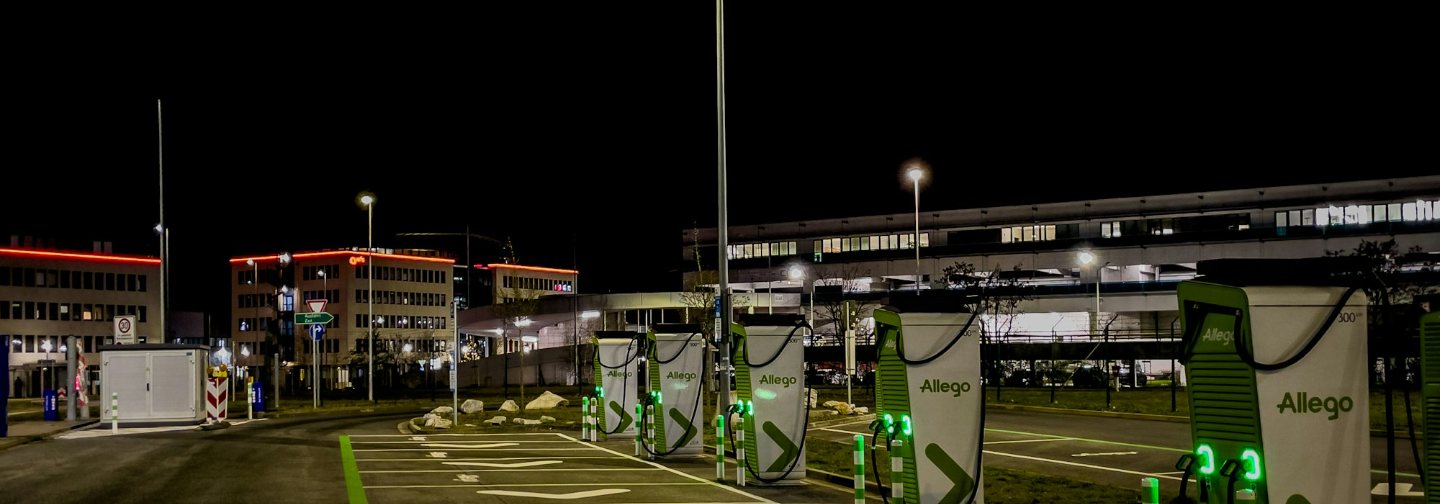
Cologne tested a curb charger that hides a 22-kilowatt EV socket inside a standard-size curbstone, logging 2,829 charging sessions with over 99 percent availability, and installation still cost about the same as a charging post
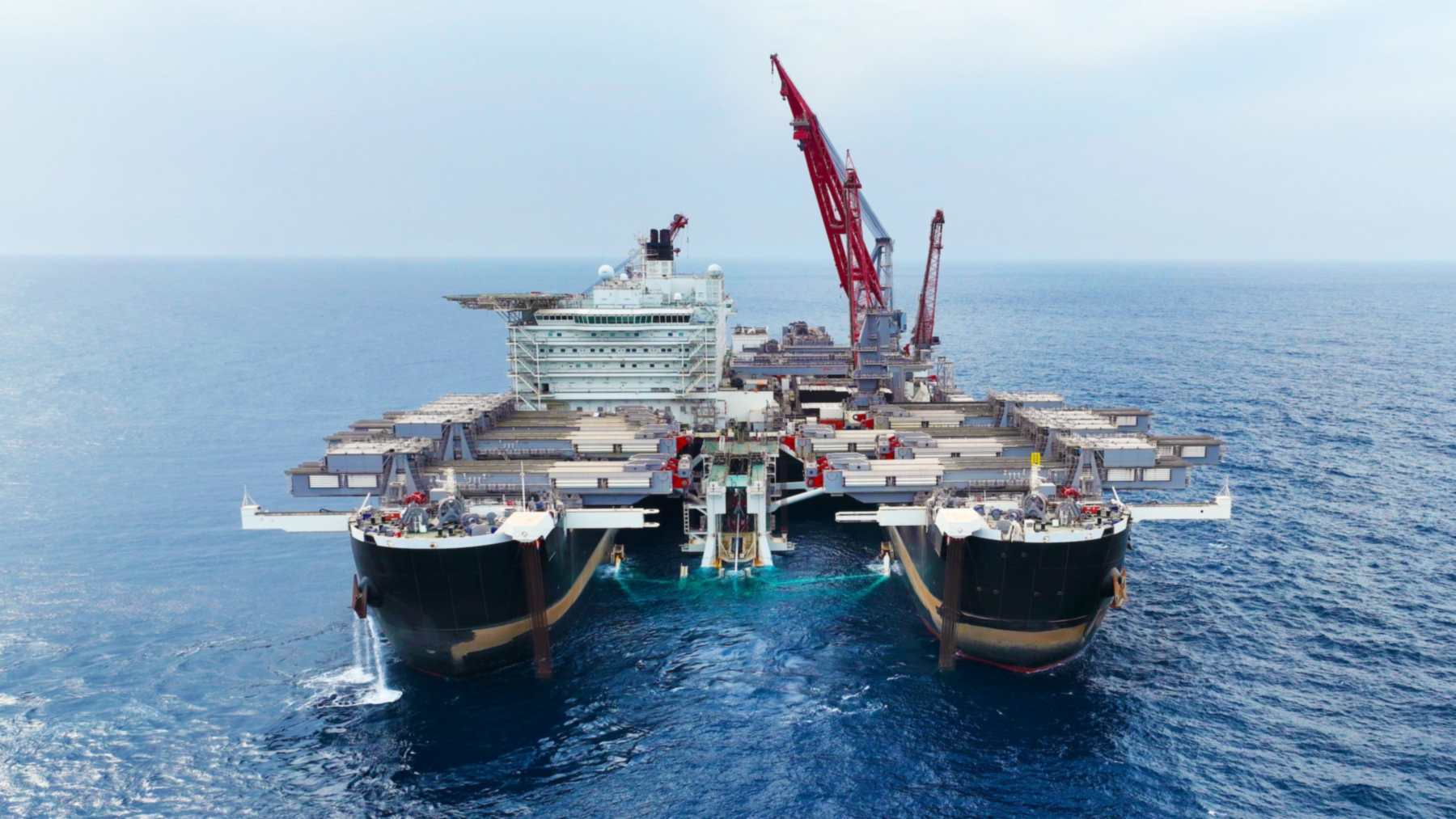
The world’s largest construction vessel had to take on ballast water and sink lower to fit under the 213-foot clearance of Denmark’s Great Belt Bridge on its way to a Baltic wind farm
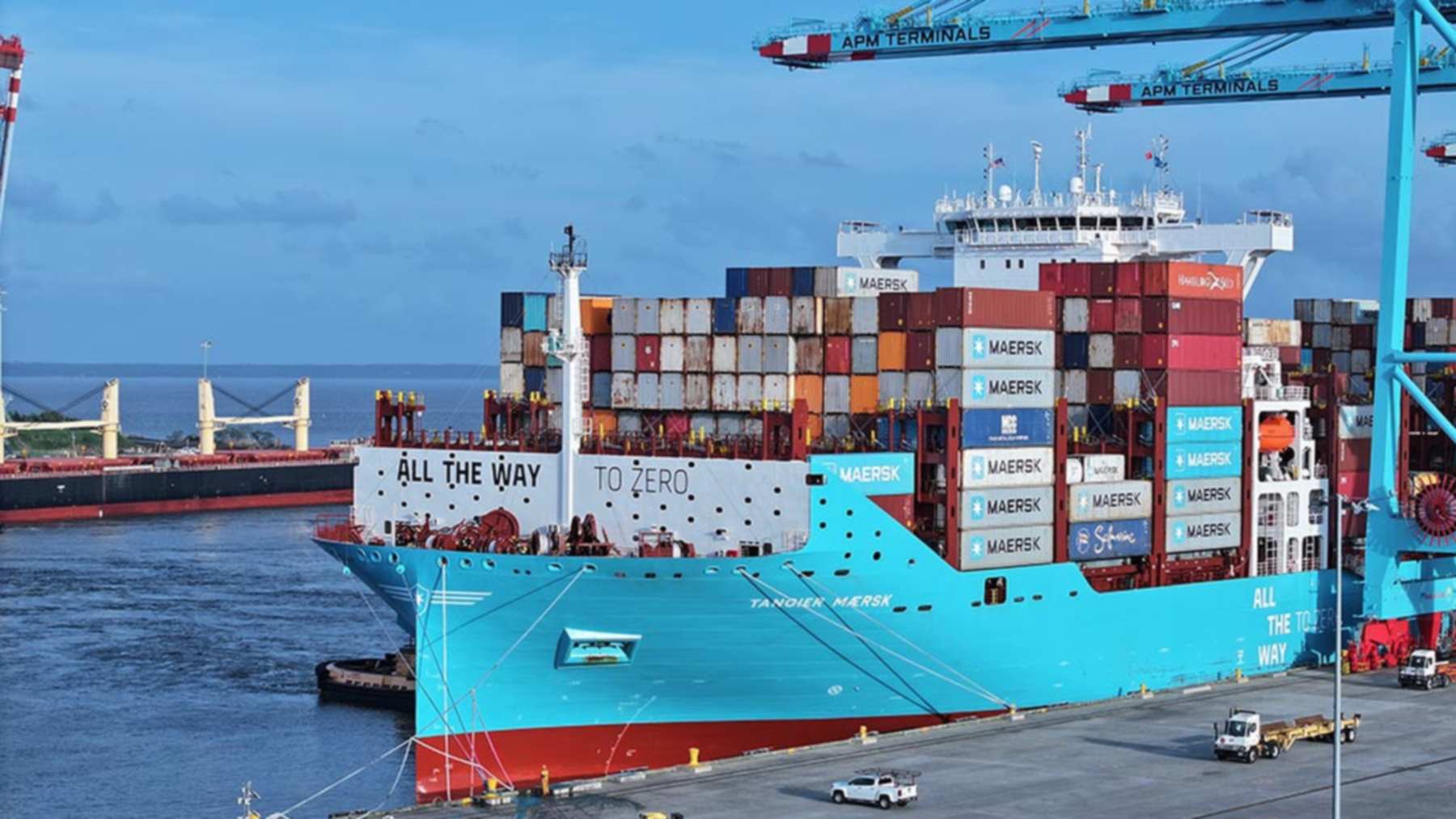
Maersk fueled the 9,016-TEU Tangier Maersk with 100 percent corn ethanol in America’s first ethanol bunkering of a deep-sea container ship, as a national lab says today’s methanol-ready fleet could burn 2 billion gallons yearly
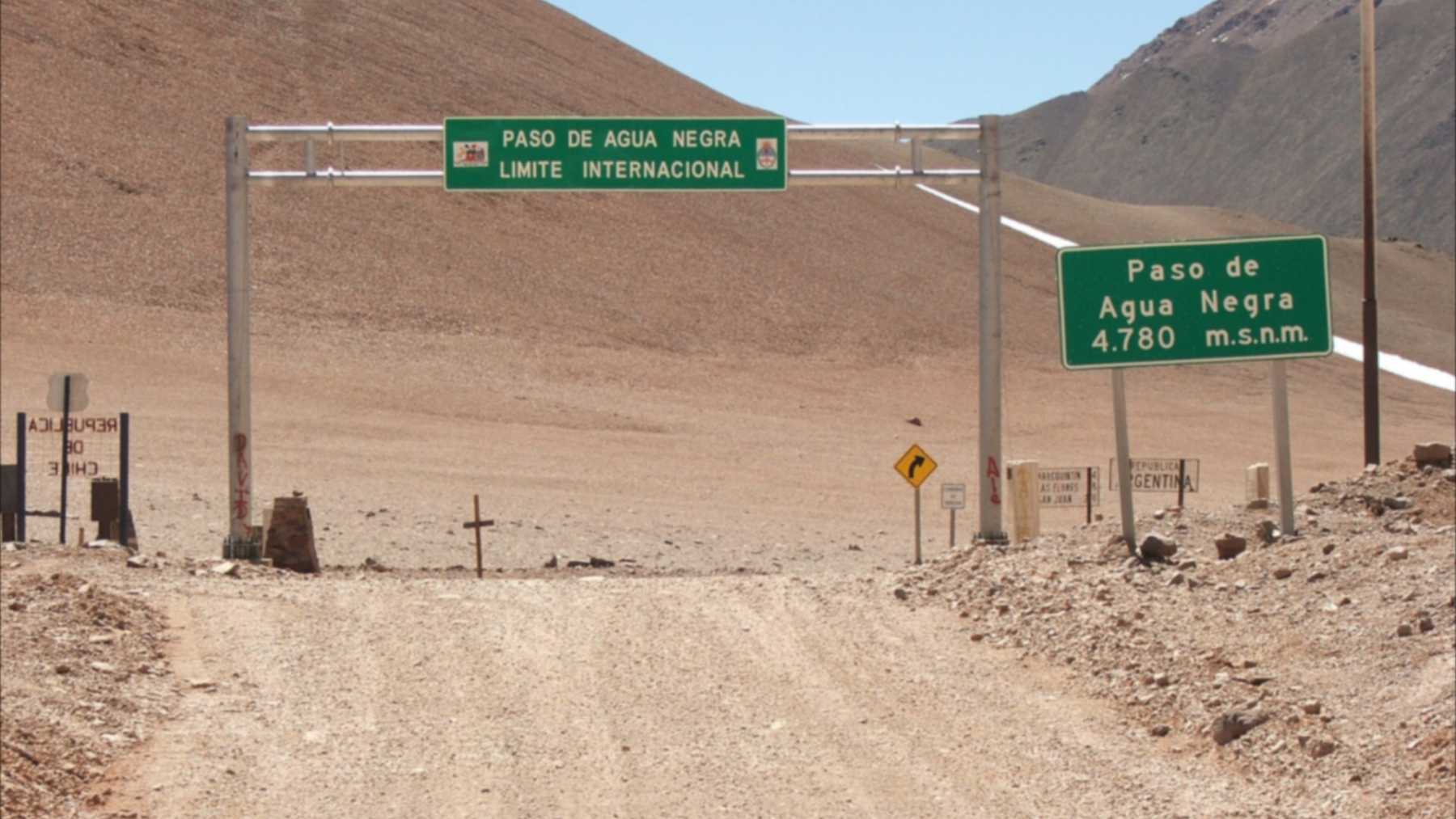
The Agua Negra tunnel plan calls for a custom machine to bore twin 8.6-mile tubes under the Andes, but the $1.5 billion Argentina-Chile project has been stuck since the IDB approved it in 2017
Michigan State engineer John Dorgan ate gummy bears made with an ingredient recovered from a resin designed for wind turbine blades, and the same material can also become plexiglass, diaper polymer and new turbine panels