Seeing an electric car in Chile no longer feels unusual, but a heavy-duty electric tractor-trailer rolling down a highway still makes people look twice. In a June 29, 2026 interview, Hernán Searle, owner and general manager of Trailer Logistics, said the operating cost of an electric truck now matches diesel and can even beat it on some routes.
That matters because freight is not moved by slogans. It is moved by miles, fuel bills, charging stops, delivery windows, and drivers who need equipment that actually works. Searle’s company is already testing two electric trucks in real operations, including retail cargo for Walmart, Cencosud, and Tottus, plus copper transport for Codelco in northern Chile.
Diesel is no longer the safe bet
For years, diesel looked like the obvious choice for long-haul freight. It was familiar, widely available, and backed by a massive service network, but fuel price swings have changed the way some fleet owners think about risk.
“Today, having diesel as the only energy source within a truck fleet is super risky,” Searle said. His warning is not just about emissions. It is about what happens when oil prices jump and the cost lands on carriers, customers, and ultimately the shelves people see every week.
The math now looks different
Searle said a new diesel tractor-trailer in Chile costs between $130,000 and $180,000, while an electric one is around $200,000. That upfront gap still matters, but the daily cost of keeping the truck moving is where the story gets more interesting.
Using Chile’s observed dollar rate for July 6, 2026, the diesel price cited by Searle works out to roughly $4.90 per gallon, and the fuel efficiency he described is about 5 to 7 miles per gallon. That puts diesel energy cost near $0.70 per mile, while electricity can come in lower depending on the charging rate.
Electric charging costs in his example translate to roughly $0.22 to $0.33 per kilowatt-hour. With the energy use he described, the electric truck can save around $0.17 per mile compared with diesel. That adds up quickly when a truck is running thousands of miles every month.
Range changed the conversation
The real breakthrough, according to Searle, is not just that the truck is electric. It is that it can go far enough to behave like a freight truck, not like a short-distance experiment.
A driver on Chilean highways may cover 310 to 435 miles in a day while respecting required rest periods. A truck that needs to stop every 62 miles creates two problems right away: the driver loses time, and the charging infrastructure is unlikely to be ready at every stop.
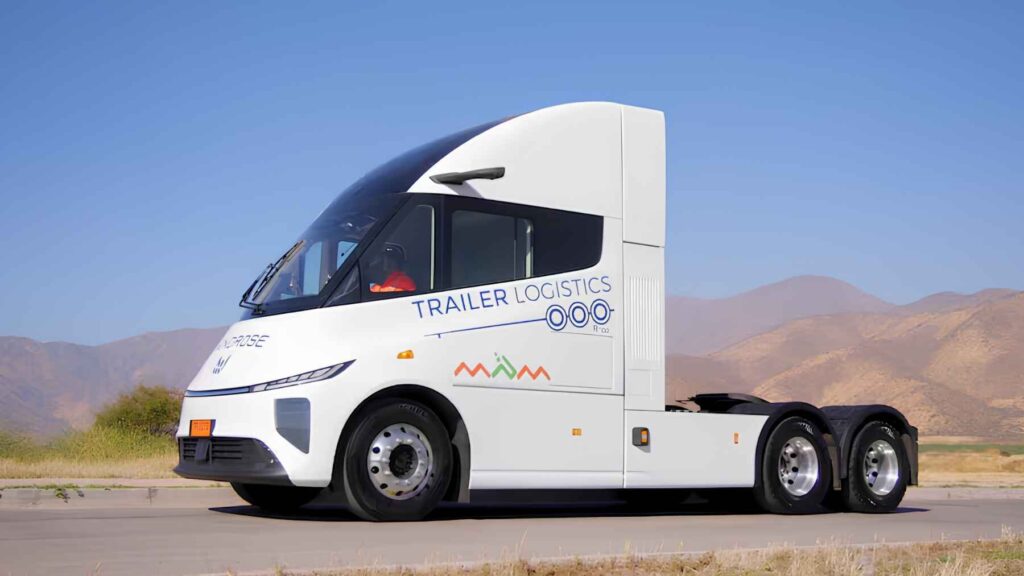
The Chinese truck
Trailer Logistics found its answer in a Chinese-built Windrose truck. Searle said the model can reach about 435 miles in ideal conditions, has special aerodynamics, and is roughly 2,200 lbs. lighter than direct competitors.
Windrose’s official specifications list the current E670 with about 416 miles of loaded range and a 705 kilowatt-hour battery. The company also lists a European price of €198,000, or about $226,000 using recent exchange rates.
Charging still decides the route
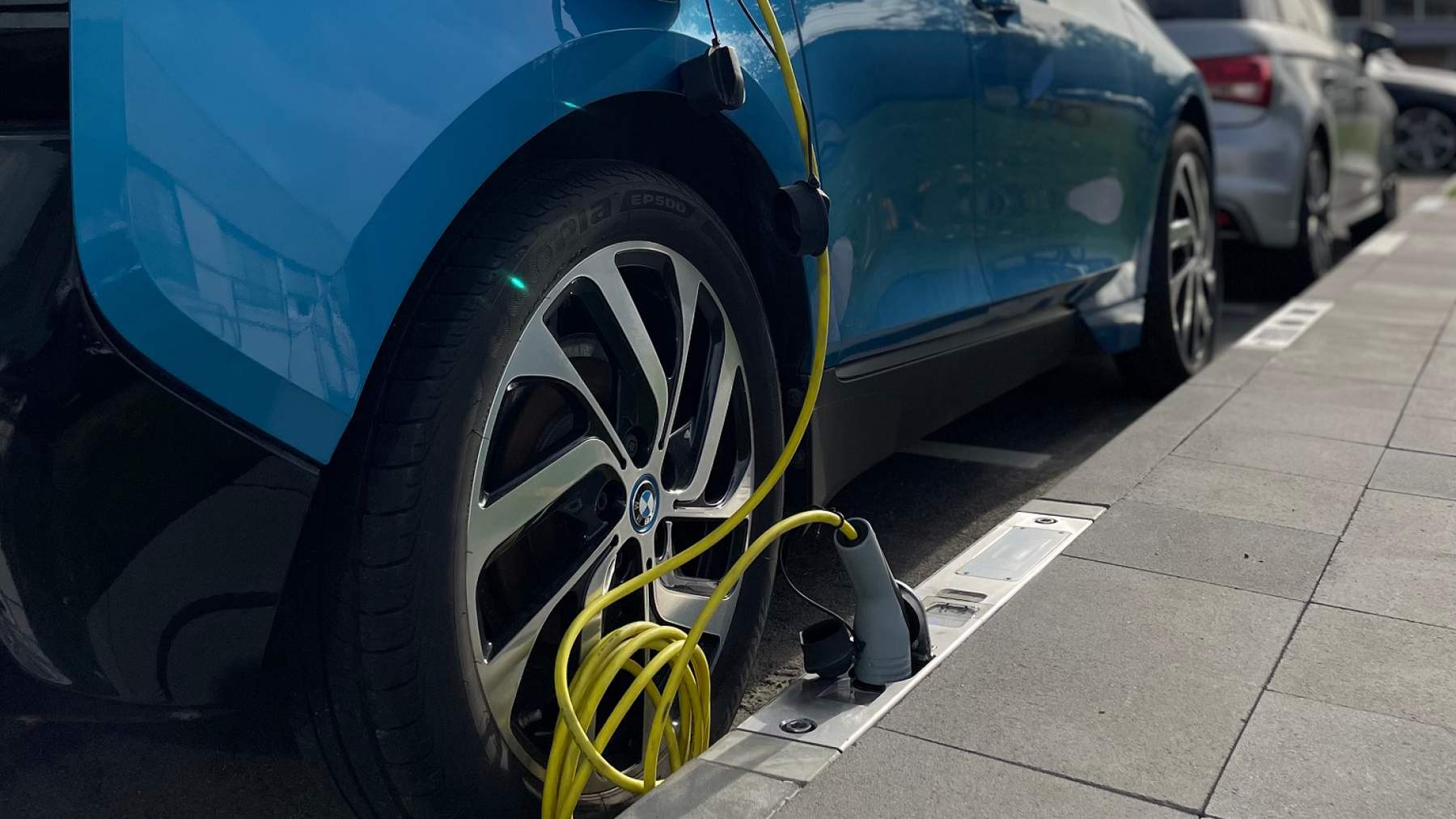
Range helps, but charging is still the hard part. Searle said the Windrose truck can manage at least 310 miles a day in Chile with an 80% charge that takes about 40 minutes at high-power charging stations.
That sounds close to a normal freight pause, but only if the charger is in the right place. A truck running a fixed route can plan around charging. A truck sent wherever the cargo goes has to deal with traffic, heat, hills, and the simple question every driver asks when the battery drops: where is the next reliable stop?
High mileage pays first
Searle said electric trucks make the most sense on routes above 6,200 miles per month. The more miles a truck runs, the faster its lower energy cost can make up for the higher purchase price.
By his estimate, that payback could take two to three years under the right operating conditions. At the end of the day, that is the key point; electric freight will grow fastest where the spreadsheet works, not only where the environmental argument is strongest.
A small fleet can send a big signal
Chile still has only around a dozen electric tractor-trailers, according to the interview. That is tiny beside the roughly 156,000 diesel trucks counted in the 2021 statistics cited by Searle.
Still, small numbers can matter when they prove a business case. Searle expects the number of electric heavy trucks on Chilean roads could rise to about 50 by early 2027. That would still be a small slice of the fleet, but it would no longer be a curiosity.
The road ahead
No one should expect diesel trucks to disappear from Chile’s highways soon. Diesel still has range, infrastructure, mechanics, and habit on its side. The old assumption that electric trucks are only a future option is starting to crack, though.
For retailers, miners, and logistics companies, this is about more than a green label on a report. It is about exposure to oil shocks, quieter vehicles, less exhaust, and the electric bill replacing part of the fuel bill. The trouble is, the transition will move only as fast as charging stations, financing, and route planning allow.
The main interview that supports this report was published in La Tercera’s Pulso section.