A major driving change is coming to northern Italy, and it could reshape how tourists, commuters, and motorhome owners plan their routes. Starting October 1, 2026, older Euro 5 diesel vehicles are set to face tighter limits in parts of Lombardy, Veneto, and Emilia-Romagna, with national rules also allowing regional alternatives in Piedmont.
At first glance, this sounds like a technical traffic rule. This means some drivers heading toward Milan, Venice, Verona, Bologna, and other busy destinations may need to check their vehicle’s emissions class before they roll into town. What happens when a dream road trip meets a clean-air map?
The rule starts in October
Italy’s Ministry of Infrastructure and Transport says the Euro 5 diesel restriction was moved from October 1, 2025, to October 1, 2026. The same measure says the rule should apply first in urban areas of municipalities with more than 100,000 residents, rather than the earlier 30,000-resident threshold.
The measure covers diesel passenger cars and several categories of commercial vehicles. That matters because the rule is not just about small city cars. It can also affect vans, work vehicles, and the kinds of diesel-based motorhomes many travelers use for long European trips.
Why Euro 5 matters
Euro 5 is an emissions standard for vehicles sold before the newer Euro 6 rules took over. The European Union’s Euro 5 and Euro 6 framework was created to limit pollution from light passenger and commercial vehicles, especially pollutants linked to dirty exhaust.
For many drivers, though, “Euro 5” is just a line on a registration document. That tiny detail can decide whether a car is allowed through a low-emission zone or forced to stop outside it. Not exactly the first thing most families think about when packing snacks, maps, and luggage.
Tourists may feel it first
German auto club ADAC has warned travelers that the planned northern Italian restrictions concern Euro 5 diesel vehicles and may affect popular cities such as Milan, Turin, Venice, and Verona. It also notes that the details can vary by region, which is where the confusion begins.
From a Norwegian perspective, motorhome users may be especially exposed. Knut Randem, editor-in-chief of Bobilverden.no, told Motor that older diesel restrictions already exist in several European countries and described the situation for affected owners as “a little uncomfortable,” adding that “we will see how the situation develops.”
The regional picture is uneven
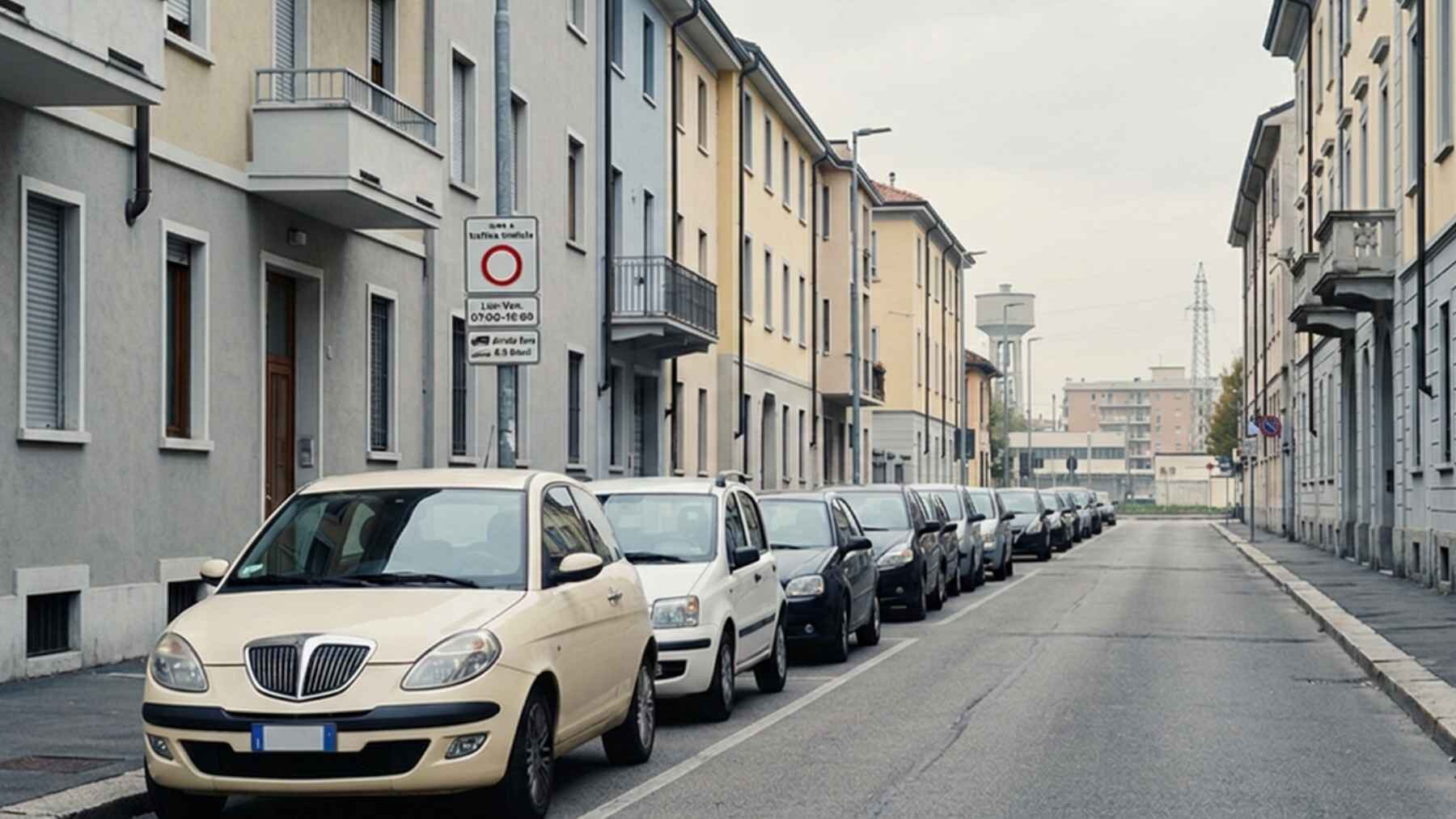
Lombardy has already set out one clear version of the rule. From October 1, 2026, Euro 5 diesel car limits will apply in urban areas of municipalities with more than 100,000 residents, including Milan, Brescia, Monza, and Bergamo.
Veneto has also published a postponement to October 1, 2026, for structural limits on Euro 5 diesel passenger cars and commercial vehicles in municipalities and urban areas above 100,000 residents. That keeps Venice and nearby travel routes in the spotlight for visitors who drive rather than arrive by train.
Piedmont changed course
Piedmont is the big reminder that this story is not as simple as “four regions, one ban.” On June 29, 2026, the region said it had avoided a structural Euro 5 diesel block that would have affected 307,000 cars in the Turin and Novara metropolitan areas from October to April.
The national rule allows regions to avoid inserting the structural ban into their air-quality plans if they adopt compensating measures that can deliver comparable pollution cuts. Piedmont says its updated plan uses new anti-smog measures, including incentives and urban projects, to meet that requirement.
The air problem behind the rule
Northern Italy’s Po Valley is beautiful, crowded, industrial, and geographically unlucky. The European Environment Agency says the valley’s shape and weather conditions favor the buildup of air pollutants, and Italy was among the countries recording concentrations above the current EU daily limit value for coarse particulate pollution in recent data.
That is the public-health argument behind the traffic limits. Exhaust fumes, traffic jams, heating, industry, and stagnant weather can combine into air that is harder to breathe. The trouble is, cleaner air rules can land hardest on people who cannot easily replace an older vehicle.
Used cars and motorhomes are in the crosshairs
A CARFAX analysis of more than 100,000 vehicle checks in Italy during the first months of 2026 found that about one in seven involved a Euro 5 vehicle. The same analysis said the inspected Euro 5 vehicles had an average odometer reading of 146,000 km, which is about 90,700 miles.
That number helps explain the tension. These are not always forgotten cars sitting in a garage. For many owners, they are daily transport, work tools, or expensive motorhomes that still feel useful.
What drivers should check
The safest first step is to check the emissions class printed in the vehicle documents. After that, drivers should check the city or regional rules for the exact destination, since Milan is not the same as Bologna, and Piedmont is no longer following the same path as originally expected.
Emilia-Romagna’s air-quality guidance shows how local rules can shift by season, day, and emergency pollution alerts. Its FAQ says a structural Euro 5 diesel limit is planned from October 1, 2026, on weekdays during daytime hours in larger municipalities, the Bologna urban area, and voluntary municipalities.
A cleaner road map
This is not the end of diesel travel in Italy. It is a warning that older diesel vehicles will face more planning, more local checks, and possibly more detours in the north.
At the end of the day, the rule is trying to cut pollution without shutting down mobility overnight. For travelers, the practical advice is simple. Check before you drive.
The official measure was published by Italy’s Ministry of Infrastructure and Transport.