What’s up in
Environment

Environment
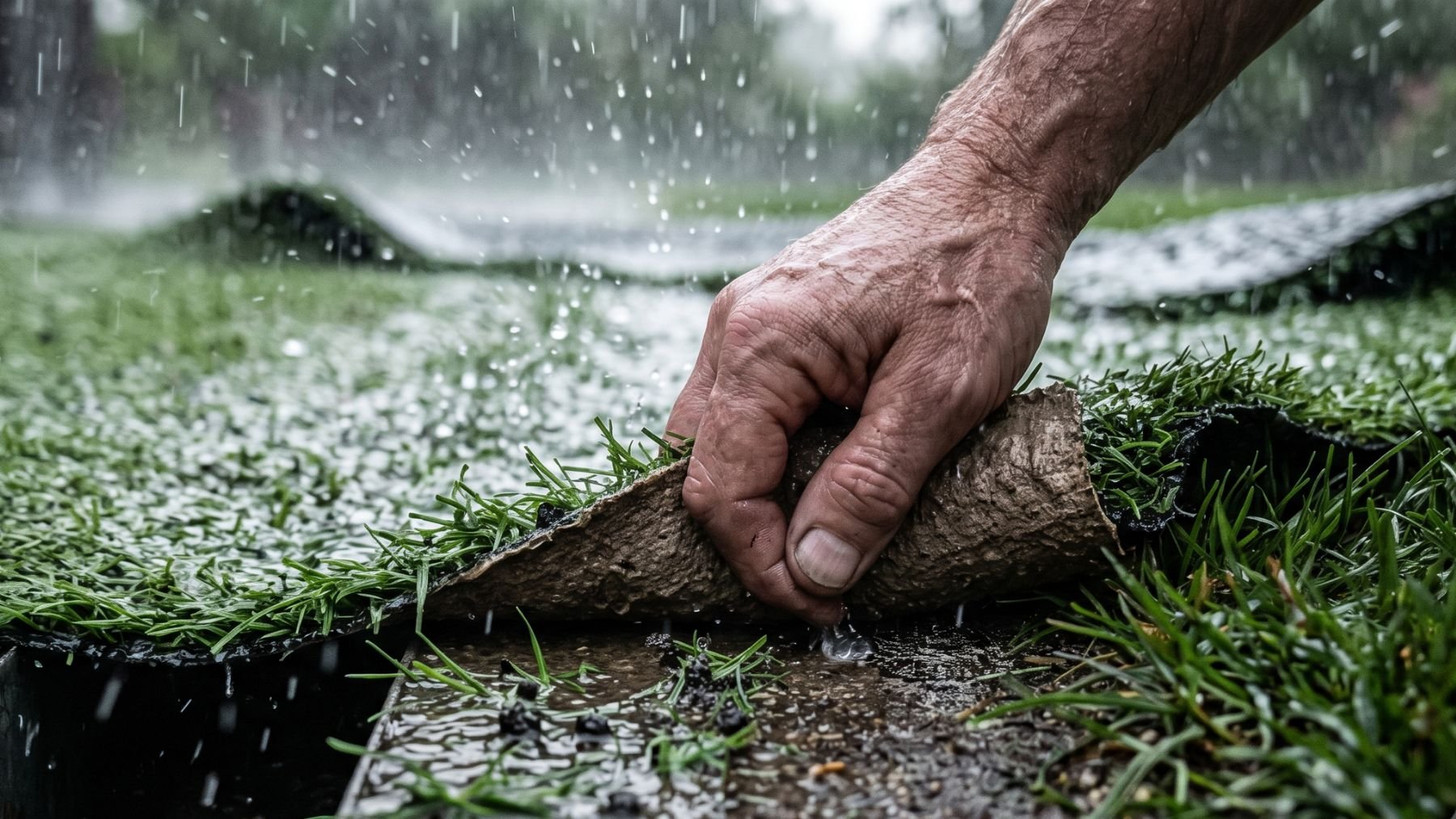
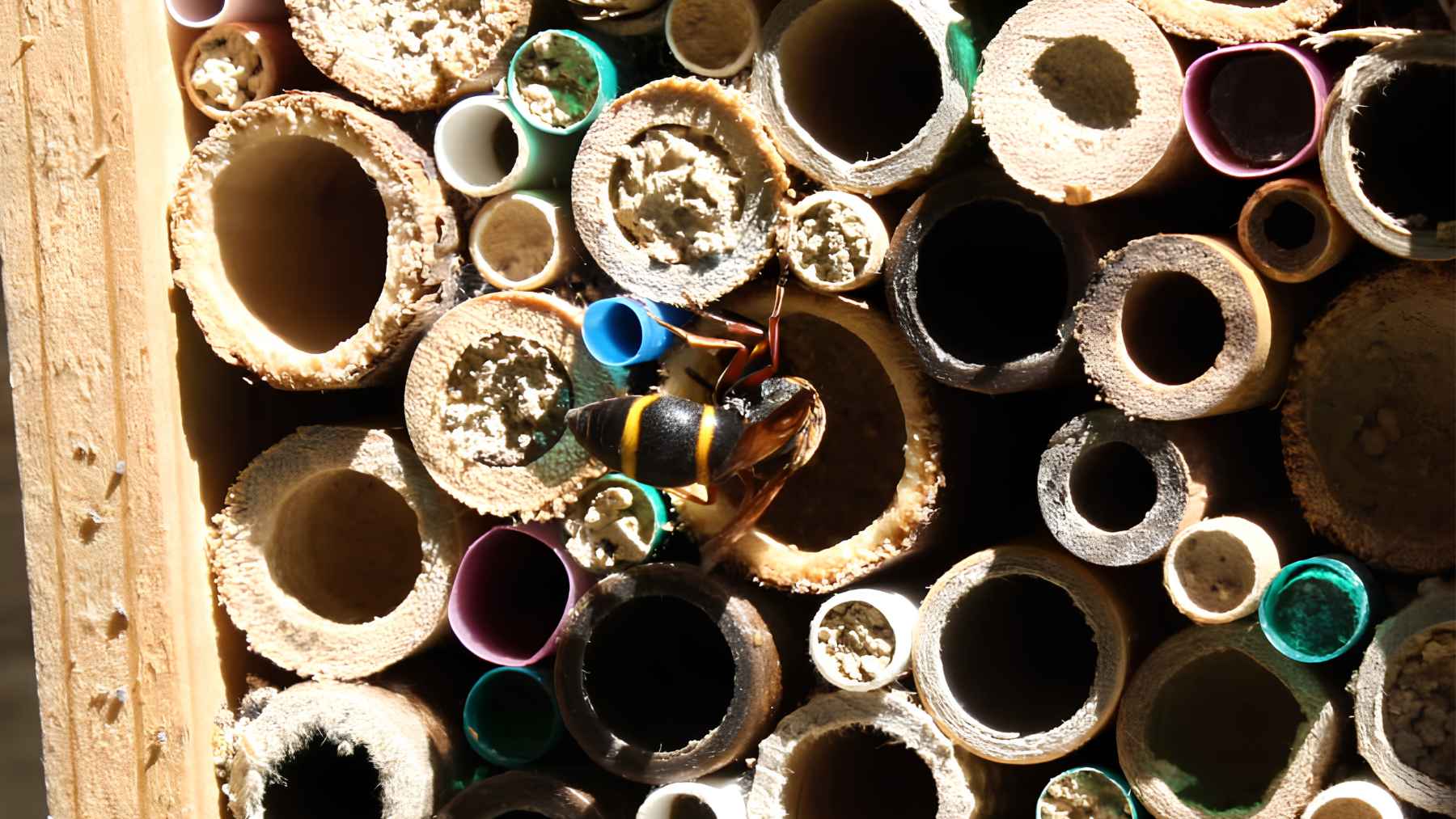
It all started when a Florida homeowner had some old cardboard boxes he was going to throw away and ended up transforming a withered lawn into a garden full of butterflies, bees, birds, and edible plants that requires almost no maintenance
Old cardboard boxes helped a Florida homeowner turn a dying lawn into a low-maintenance haven for bees, birds, and butterflies.


A winter storm has rebuilt Chile’s snowpack to 51% above its historical average, and the water locked inside it is still running short

A Diaguita community is fighting Barrick’s El Alto drilling permit in Chile’s high Andes, arguing it would reopen ground already covered by a binding closure order

Britain is dropping 20 concrete reef cubes and 44 tons of scallop shells into the sea, and the goal is to bring back oysters down more than 95% since the 1800s

A New Zealand plastic-to-fuel plant can keep operating after an Environment Court ruling, and Zero Waste Aotearoa says the missing emissions evidence is the real alarm

Colombia intercepted a boat with 1,764 pounds of marine animals near Malpelo, and the catch may have come from one of the Pacific’s most protected sanctuaries

Scientists split the Iberian rabbit from the European rabbit after 2 million years apart, and the newly named Oryctolagus algirus is already vanishing from western Iberia

France promised a billion trees in ten years, and its Council of State has now struck down the decree that paid for it, for skipping public consultation

Trump cut Bears Ears and Grand Staircase-Escalante by 2.93 million acres, leaving barely a tenth protected and reopening the Utah desert to mining and oil
- A British farmer drove a 20-metric-ton excavator into a protected river, uprooted 71 mature trees, and the damage he caused in just a few days could take 50 years to disappear
- Florida is turning the shells left behind by restaurant patrons into living reefs, but the figure of 500,000 metric tons does not appear in official records
- Scientists have transformed a simple fragment of a cicada’s wing into an optical platform capable of detecting molecular signals that, under normal conditions, would be virtually impossible to detect
- The U.S. wants to auction deep waters around American Samoa, and the minerals lying up to 20,000 feet down could open a new ocean fight
- Europe’s great rivers are shrinking under heat and drought, and the Danube, Rhine and Loire are showing how fast summer can redraw the continent
- One plastic-covered plot in Almería is exposing the hidden cost of Europe’s greenhouse vegetables, and the waste has been piling up for more than a decade
- A new climate map can forecast farm decline almost six miles at a time, and the warning is already visible in one in six croplands
- Satellite images are reading penguin droppings across Antarctica, and the color of the stains is revealing how climate change is reshaping their food web
- Scientists are testing “flying doors” that keep trawls above the seabed, and the result could change how fishing scars the ocean floor
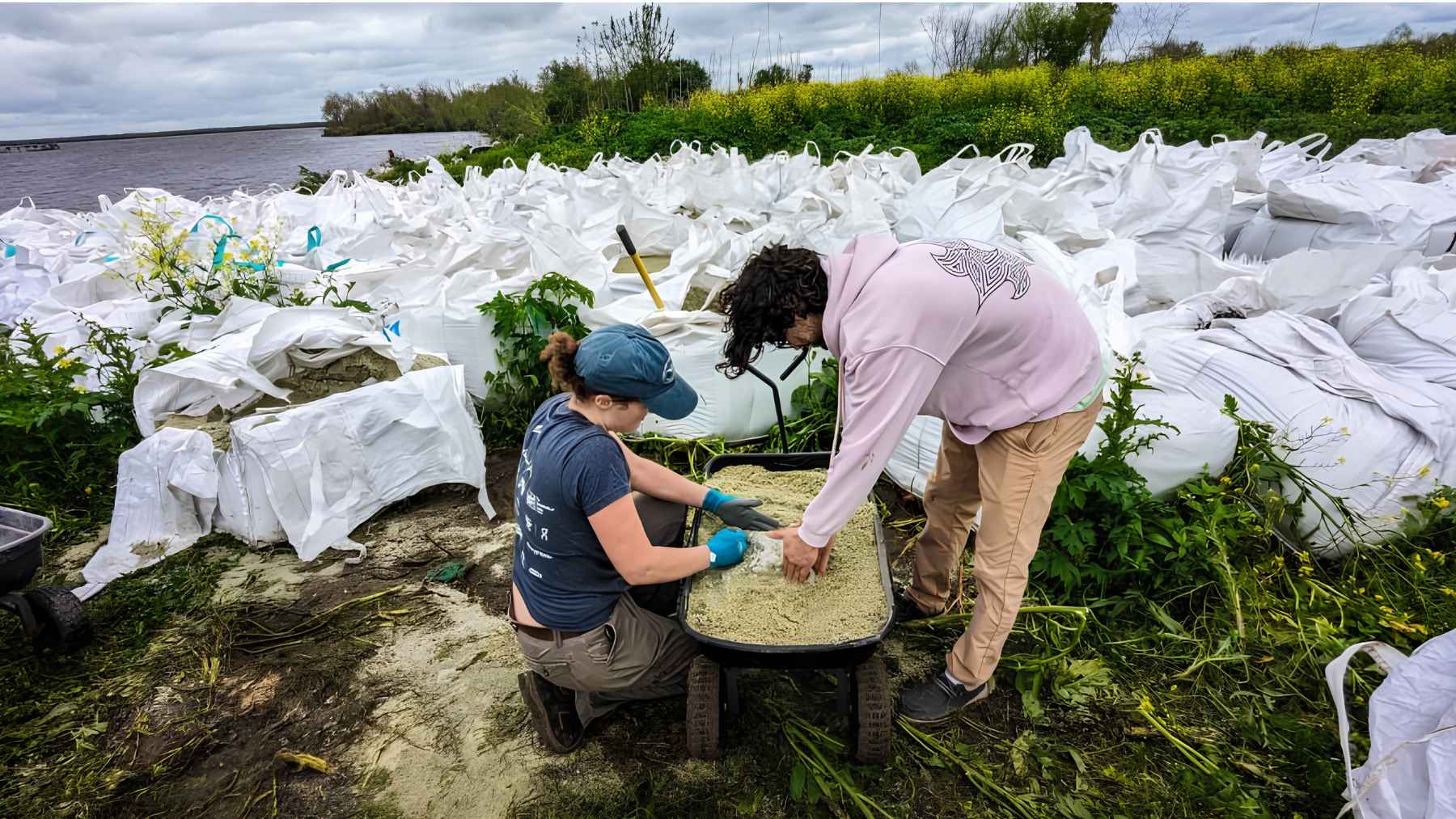
- New Orleans is collecting thousands of used Christmas trees and dropping them from helicopters to slow the loss of land, which has already exceeded 5,000 square kilometers
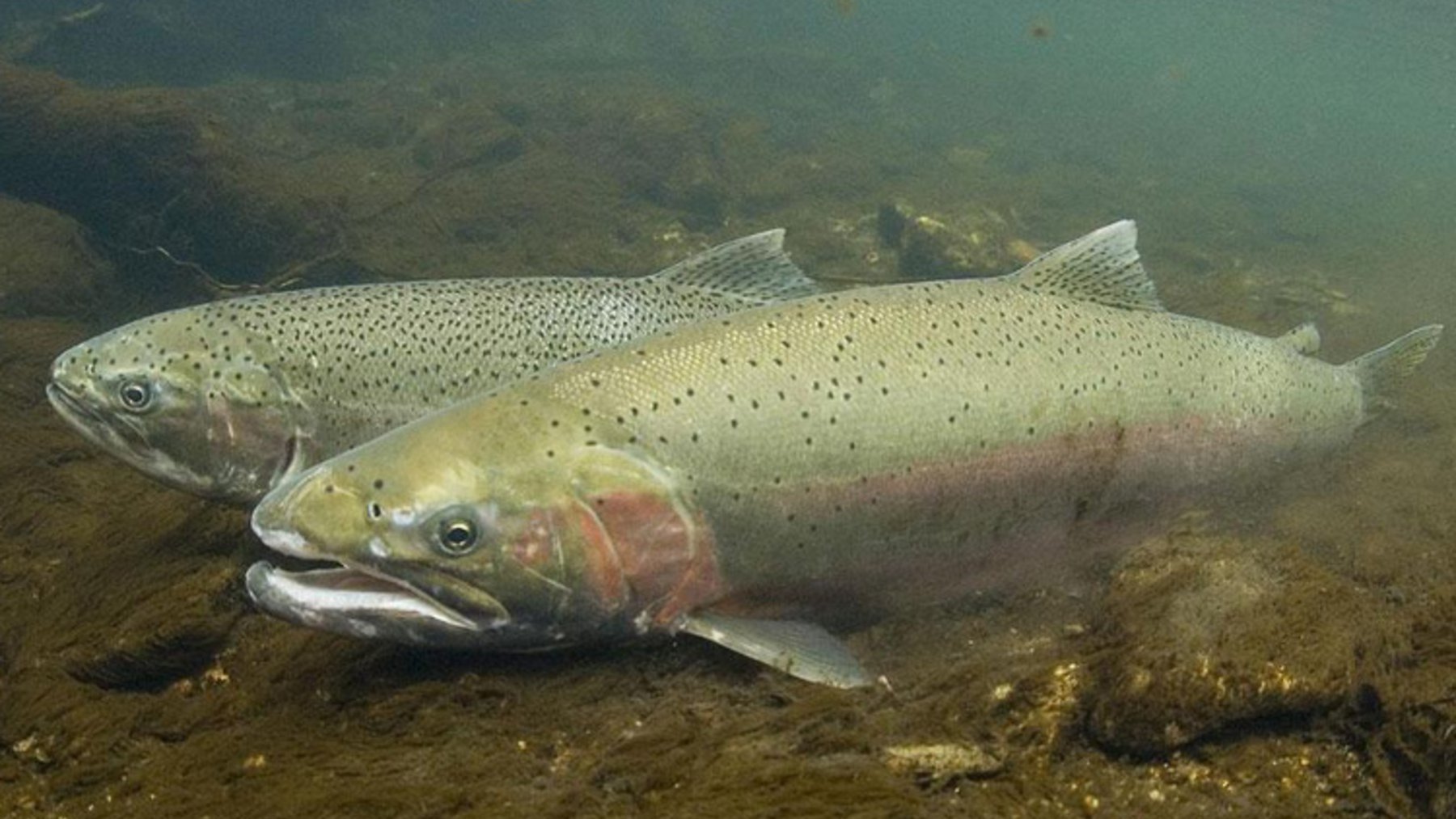
- Scientists played human voices near Alaska salmon streams, and bears and eagles fled before the forest could receive what the fish carried
- Thirty beluga whales were left behind at a closed marine park, and the first rescue trip has already ended in Texas
- A monkey with orange lips was hiding in Congo’s rainforest, and scientists say its discovery is rare enough to change what they knew
- An American blue crab invaded Italy’s clam lagoons, and fishers in the Po Delta are watching their old work disappear
- The U.S. will pay up to $65 million to leave Colorado River water in Lake Mead, and Hoover Dam explains why
- SpaceX wants 727 acres beside a Texas wildlife refuge, and Indigenous groups say the court must stop the land swap now
- An Arctic bobtail squid was filmed alive for the first time, and what she was protecting under the ice made the sighting even rarer
- Bumblebees survived low doses of a modern pesticide, but scientists found the real damage hidden in genes linked to the next generation
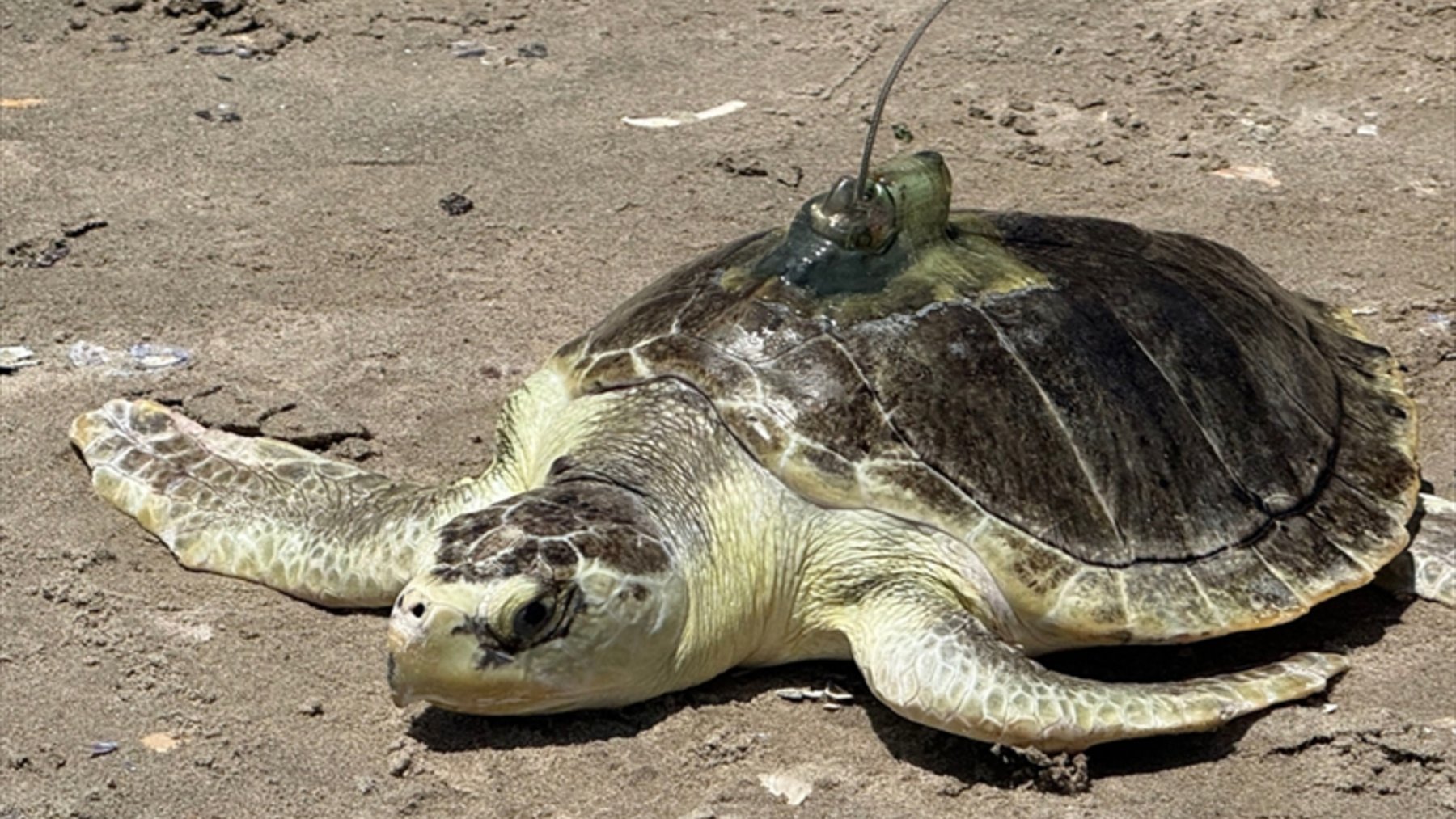
- A GPS collar on a young bull elephant in Zambia recorded 7,400 miles across four countries and six national parks, tracing ancient routes that border fences now block
- US scientists poured 16,500 gallons of lye into the Gulf of Maine and dyed the water bright pink to track it, the first federally approved try at reversing ocean acidity
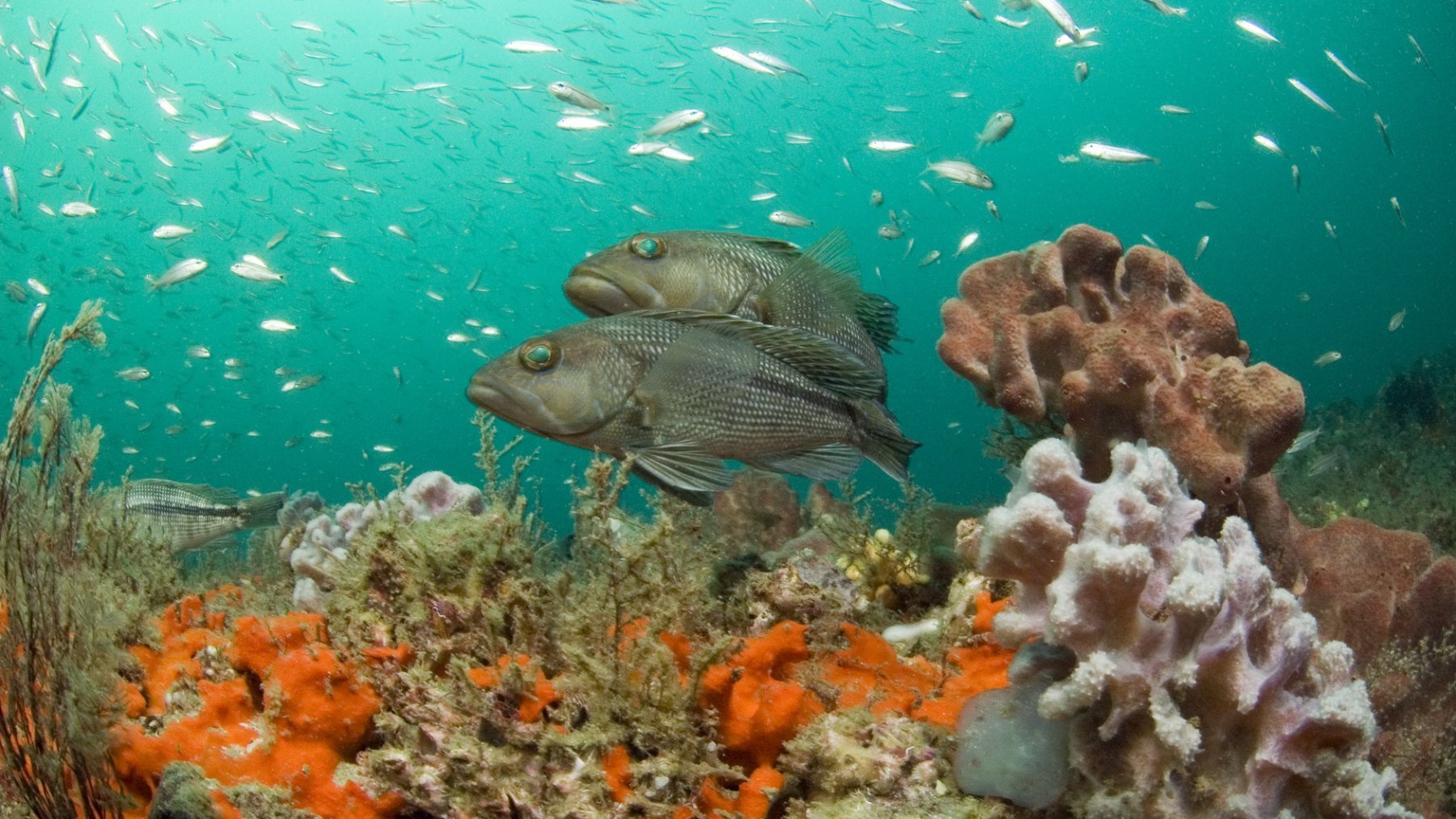
- Divers found grouper and snapper massing around 69 steel wind turbine foundations off Taiwan, because on a flat sandy seabed that is the only thing that looks like a cliff
- Bacteria living inside an abandoned German uranium mine can lock up 96% of the dissolved radioactive material, which means the mine may already hold the cure for its own contamination
- The dried bed of the Aral Sea has already released 748 million tons of CO2, and Spanish scientists want to refill it with water before another 605 million escape
- Soviet scientists released giant red king crabs into the Barents Sea in the 1960s to build a fishery, but decades later those invaders are still changing the seafloor
- A tiny albino river turtle was born in Manuripi and amazed the Bolivian Amazon again, a rare discovery that looks like a white signal in the middle of the forest
- India is sinking giant fabric tubes filled with sand 20 ft. underwater to create an invisible barrier against waves and try to rebuild beaches that are disappearing