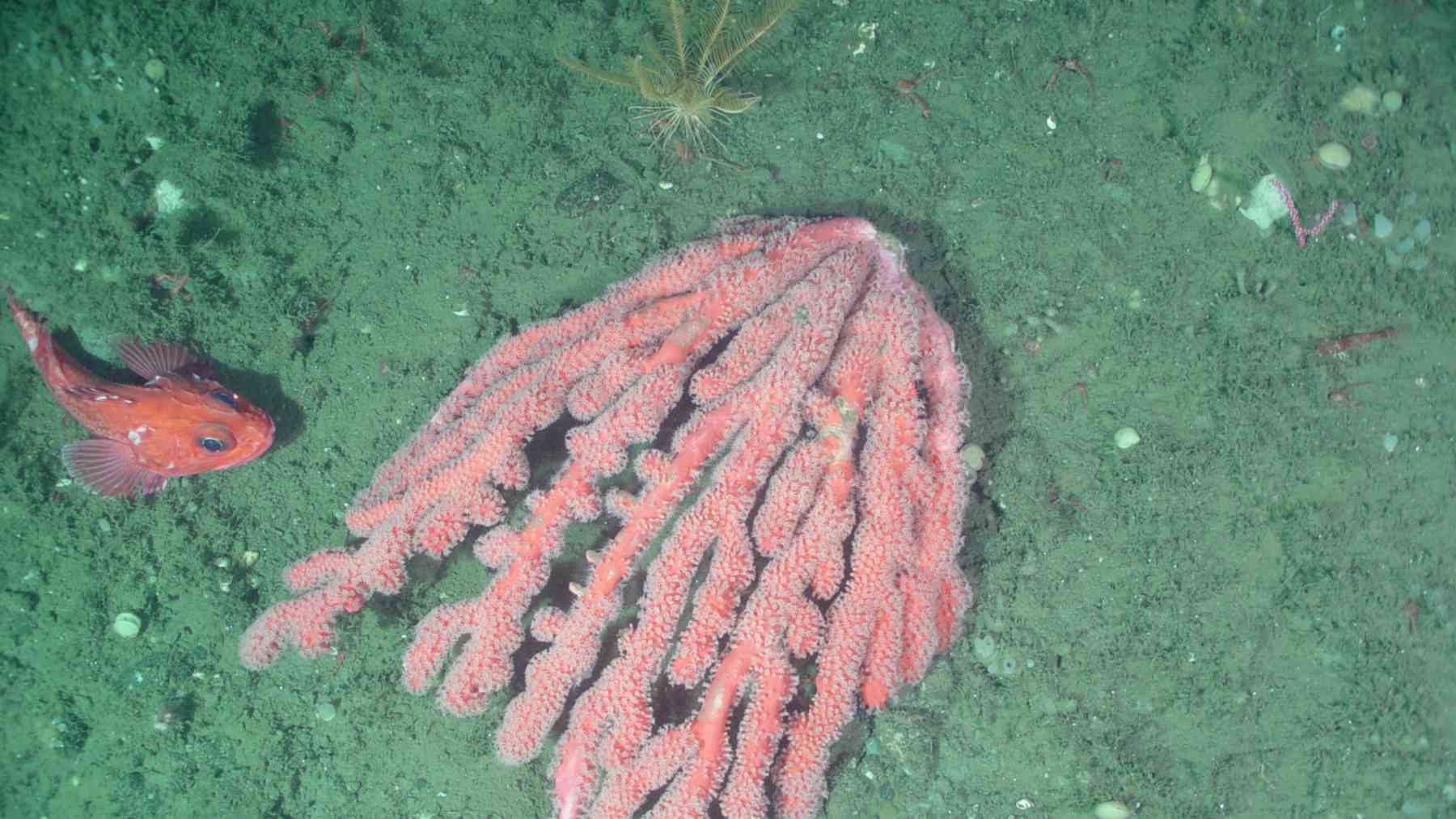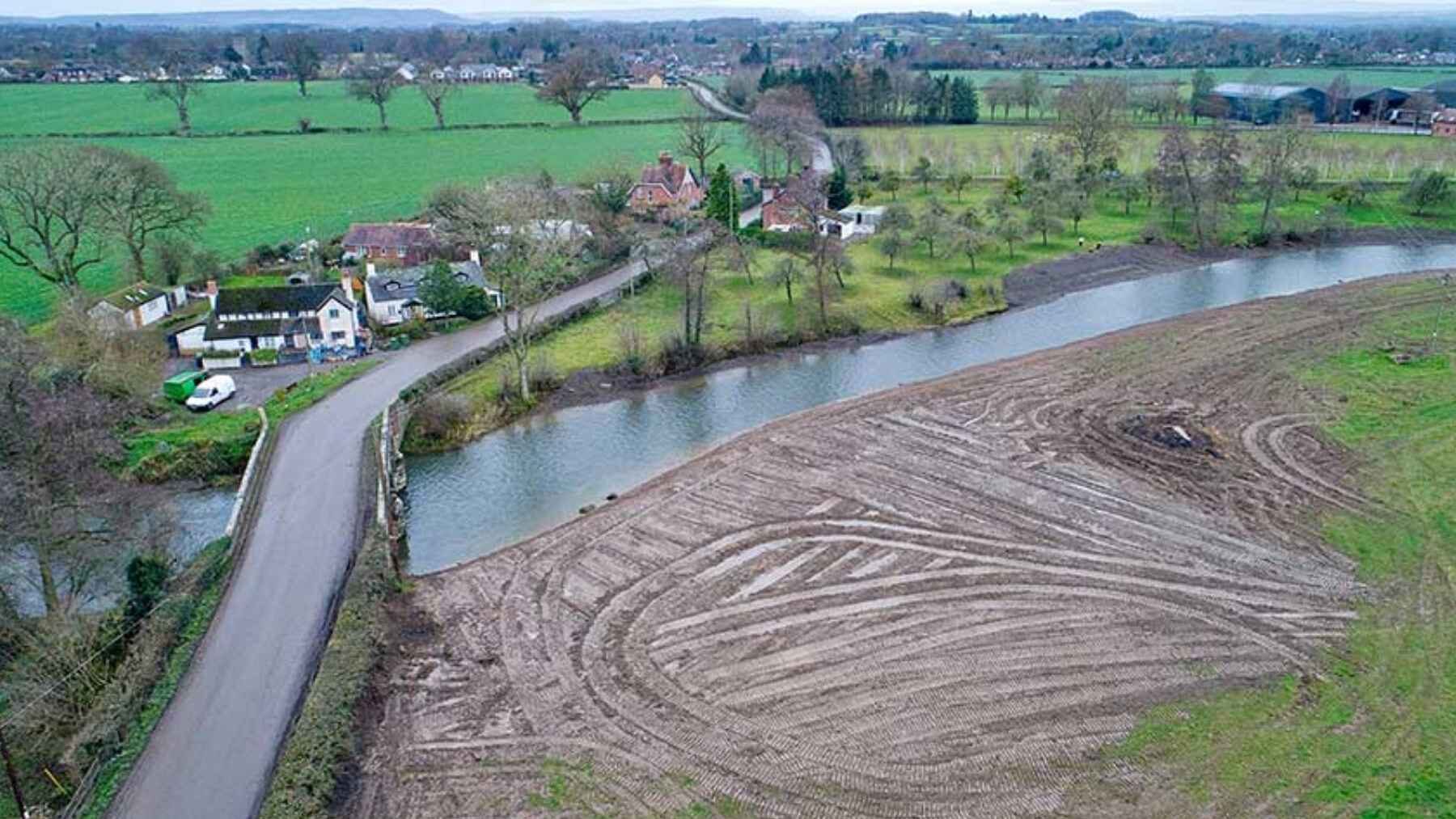
Can a few days of heavy machinery leave effects that last half a century? On the River Lugg in Herefordshire, England, a British farmer reshaped nearly one mile of a nationally protected waterway, uprooting 71 mature trees and felling 24 more, excluding trees in two copses. The protected river as a whole supports at least 121 plant species, along with otters, kingfishers, salmon, and other wildlife.
John Price, then 68, carried out the work in 2020 and 2021 without the required permission, then returned to another section after officials issued a stop notice. On April 20, 2023, he received a 12-month prison sentence, later reduced to 10 months on appeal, and was ordered to pay about $747,000 in prosecution costs. Those costs were not a standard fine, and a separate restoration order required him to help repair the river.
A river changed by heavy machinery
Price hired a roughly 20-ton bulldozer and directed workers to move gravel from the riverbed. The machinery traveled along the channel, uprooted trees, removed vegetation, reshaped the banks, and turned a winding stretch into a deeper, wider, straighter waterway.
The later work also involved laying a hardened surface and a surfaced road near his home. This was not a quick cleanup after a storm. The court found that Price knew he needed permission and continued despite earlier warnings and the stop notice.
Why the trees and gravel mattered
Why can a row of riverside trees make such a difference? Their roots hold banks together, while their shade keeps water cooler and better oxygenated. Branches and roots also help create pools and sheltered backwaters where fish and smaller animals can feed and hide.
The gravel was habitat too. Salmon and brown trout lay eggs in spaces between stones, and heavy machinery can crush those eggs while stirred-up silt blocks oxygen. Court records say native white-clawed crayfish disappeared from the affected stretch, while otter feeding areas and bird nesting sites were lost.
The flood argument fell apart
Price said his goal was to lower flood risk for nearby homes. But the court found that making the channel deeper, wider, and straighter increased the speed and volume of water heading toward a road bridge that still acted as a bottleneck. Removing trees and vegetation also stripped away natural protection for the banks.
Official guidance says dredging can help at selected sites when it is part of a wider flood plan. In many other places, it can be expensive, short-lived, damaging to spawning grounds, and capable of increasing flood risk downstream. That is why river work needs permits and site-specific assessment, not a do-it-yourself approach with an excavator.
Recovery could take 50 years
District Judge Ian Strongman said it would likely take at least 10 years before the section looked much as it did before the work. New trees could need about 50 years to reach maturity, while the likely restoration cost was estimated at roughly $872,000 using the average exchange rate for April 2023.
Restoration does not simply mean pushing gravel back and planting saplings. In practical terms, it can require rebuilding riverbanks, restoring the channel bed, replanting native trees, controlling invasive plants, and monitoring wildlife over many years. A young tree may look green, but it cannot immediately replace decades of shade, roots, and habitat.
A July 7, 2026, assessment by Natural England found that the wider River Lugg protected area remained classified as unfavorable and declining because of excess phosphorus, fine sediment, invasive species, and historic channel engineering. That assessment covers the broader river, not only Price’s land, but it shows how difficult recovery becomes when several pressures pile up.
Why the ruling matters
A Site of Special Scientific Interest is a nationally protected area with important natural features. That status does not stop all work, but potentially damaging activity requires consent so experts can assess the consequences before machinery enters the water.
Judge Strongman called the damage “ecological vandalism on an industrial scale.” A river may cross private property, but its water, flood risks, and wildlife do not stop at a fence.
The official case record has been published by the Environment Agency on GOV.UK.