Snakes do hibernate, in their own cold-blooded way: the National Park Service calls the reptile version brumation, a winter slowdown that kicks in during late fall as temperatures drop and daylight runs short. Plenty of snakes don’t go through it alone, either, and pile into shared dens, sometimes by the hundreds, to wait for spring.
Where they go, and when they come back out, depends on the species and on how deep the ground freezes where they live.
What is brumation?
A snake can’t make its own body heat. When the weather turns cold, its metabolism slows down with it, according to the park service, and brumation is that slowdown stretched across the whole winter. It starts toward the end of fall, once the chill and the shorter days arrive.
A brumating snake doesn’t eat, because its body can’t digest food in that state. It still needs water, though. The Carnegie Museum of Natural History says wintering snakes take in moisture through their skin and use very little energy while they wait.
The two words aren’t as far apart as they sound. In a 2019 University of Arizona Q&A, rattlesnake specialist Matt Goode allowed that hibernation is an acceptable term in general. Even the shelters borrow the word. A hibernaculum, as the park service defines it, is a winter refuge where several snakes spend the season together.
Other winter sleepers have their own tricks. A Yellowstone grizzly slows its heart way down during hibernation, and Alaska’s wood frogs get through the winter frozen. Black bears are a story of their own, as we found when we looked at how long they stay dormant in northern Alaska.
Where do snakes go in the winter?
Mostly down. Carnegie says snakes often spend the winter in burrows left by small mammals, or in tunnels that run below the frost line (the depth the winter freeze doesn’t reach). Between October and March, several hundred snakes can crowd into one den, sometimes from more than one species, coiled together to hold in warmth.
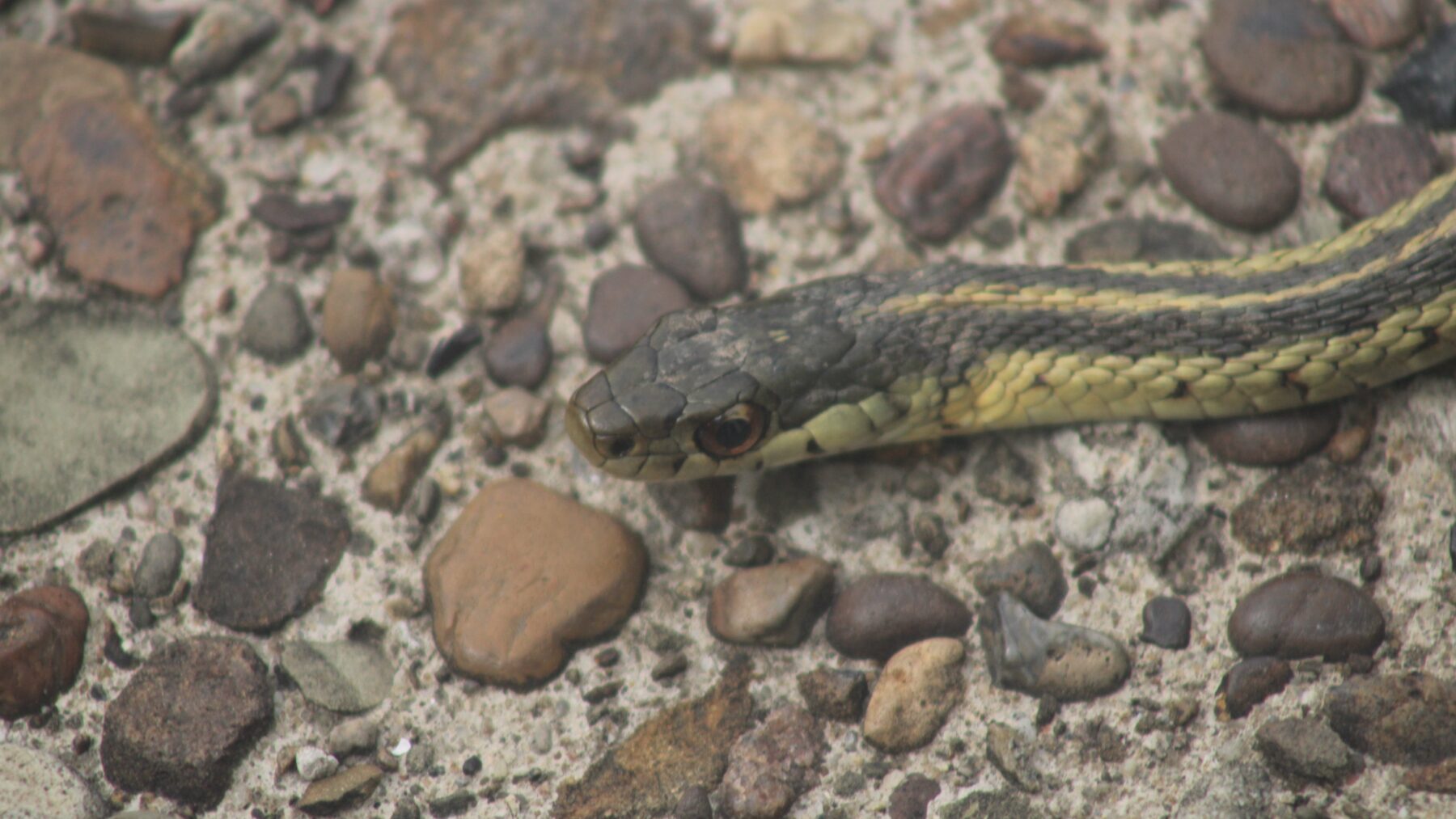
Garter snakes are a good example. The park service’s garter snake page says they brumate in groups, sometimes in dens shared with hundreds of other snakes. Those dens tend to sit under large rocks or under things people built, like steps, stone walls and building foundations.
There’s even a snake with a reputation as a tour guide. Black rat snakes were once called “pilot snakes,” the park service says, because people believed they led other snakes to their winter shelters.
When do snakes come out in spring?
There isn’t one date. Carnegie says snakes leave their dens in spring to find sunny spots, and the timing changes from year to year with the weather.
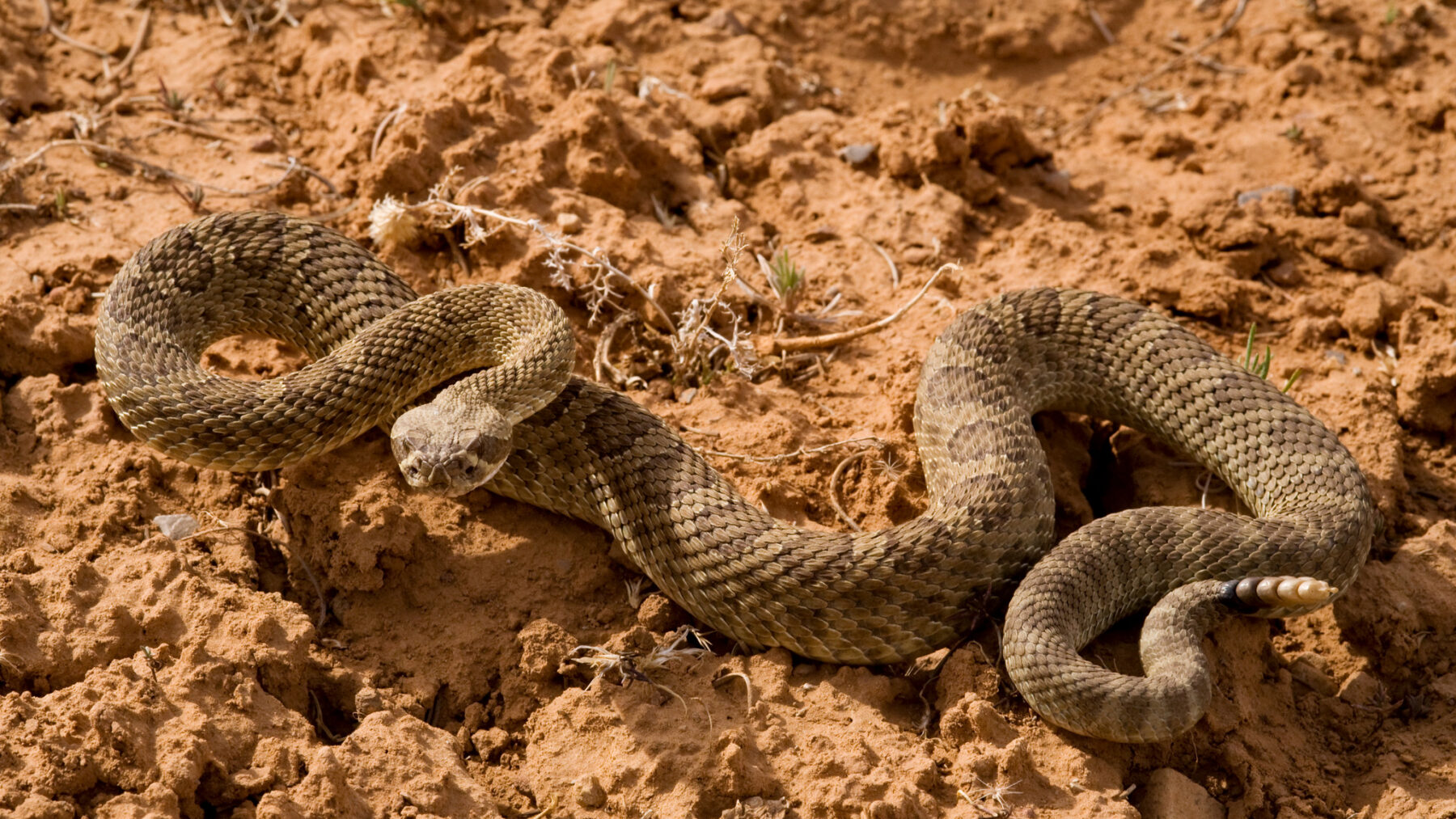
In Colorado, rattlesnakes usually get going again in late March or early April, according to Colorado Parks and Wildlife, cited by FOX Weather in May 2026. Once they’re out, adults can range far from their winter dens to feed, and they bask on asphalt and trails.
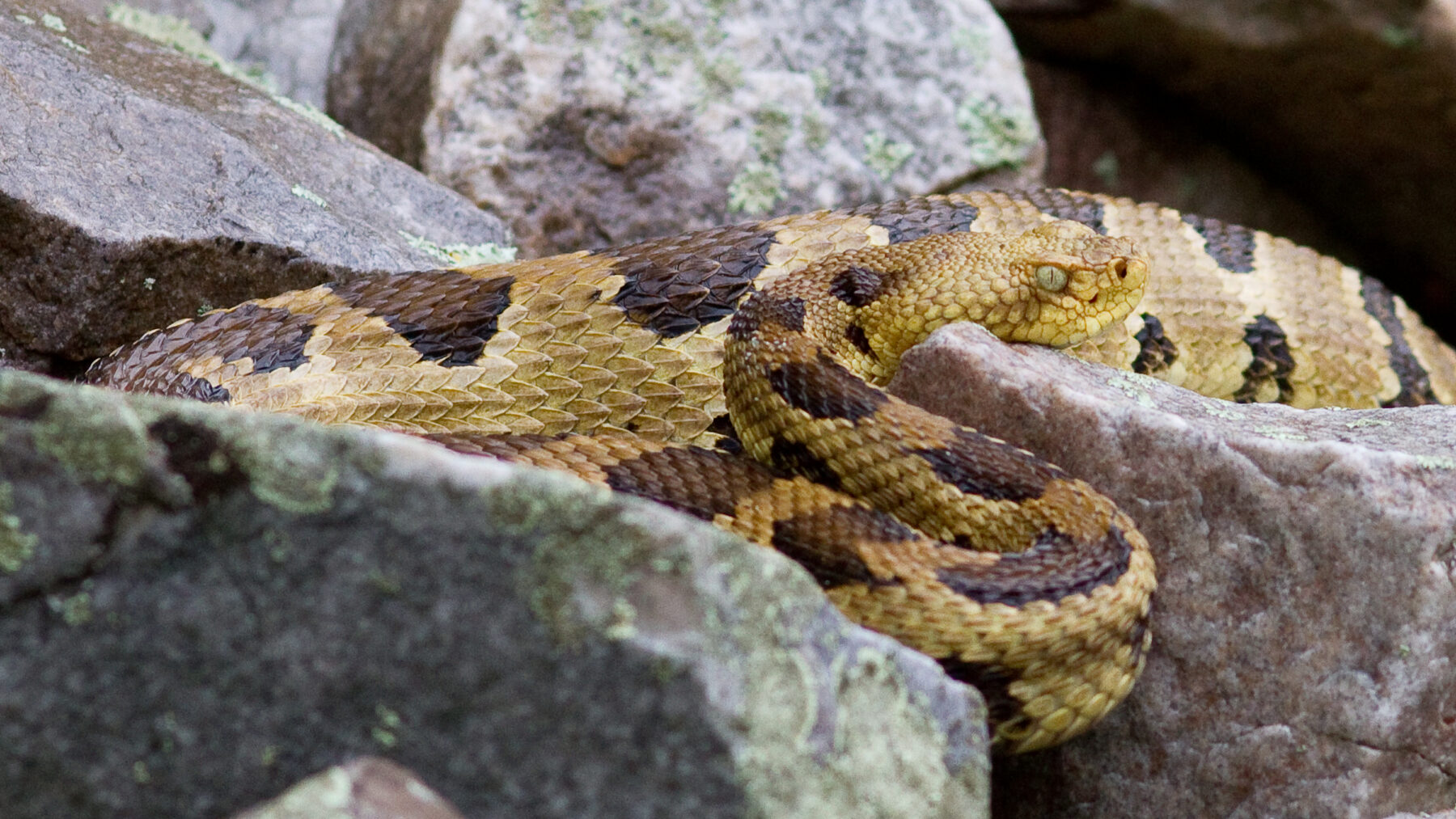
Pennsylvania’s timber rattlesnakes usually start coming out in April, according to the state’s Fish and Boat Commission. In spring they bask at sites within about 655 feet (200 meters) of the den, spots that are often mistaken for the dens themselves.
Female rattlesnakes emerge before the males, Goode said. Later in the year, livestream cameras in California, Colorado and Pennsylvania have even caught rattlesnakes giving birth.
Do rattlesnakes hibernate?
Yes, and for a long stretch. Timber rattlesnakes in Pennsylvania stay inactive for five to six months each winter, according to the commission’s plan, and they head back to their hibernacula in late September. Each snake returns to the same den every winter, possibly for its whole life. For an animal that can live more than 30 years, that’s a lot of winters in one spot.
The summers in between can take them a fair distance. The plan puts the average summer trip at 1.0 mile (1.7 kilometers) from the den, and some go as far as 4.3 miles (7 kilometers). The dens usually sit on wooded, rocky slopes that face somewhere between southeast and west, though a few are on north-facing slopes. A den can be one big isolated rock, a boulder field or a plain hole that looks like a burrow.
Out West, the setup depends on the species. Tiger rattlesnakes in Arizona hibernate alone in rock crevices 2 to 4 feet (0.6 to 1.2 meters) deep, Goode said, and they go in between late October and early December. Western diamondbacks go in a little later and often share a den in groups of up to 10 to 20. Some of those dens are pack rat dens, and others are shared with desert tortoises or Gila monsters.
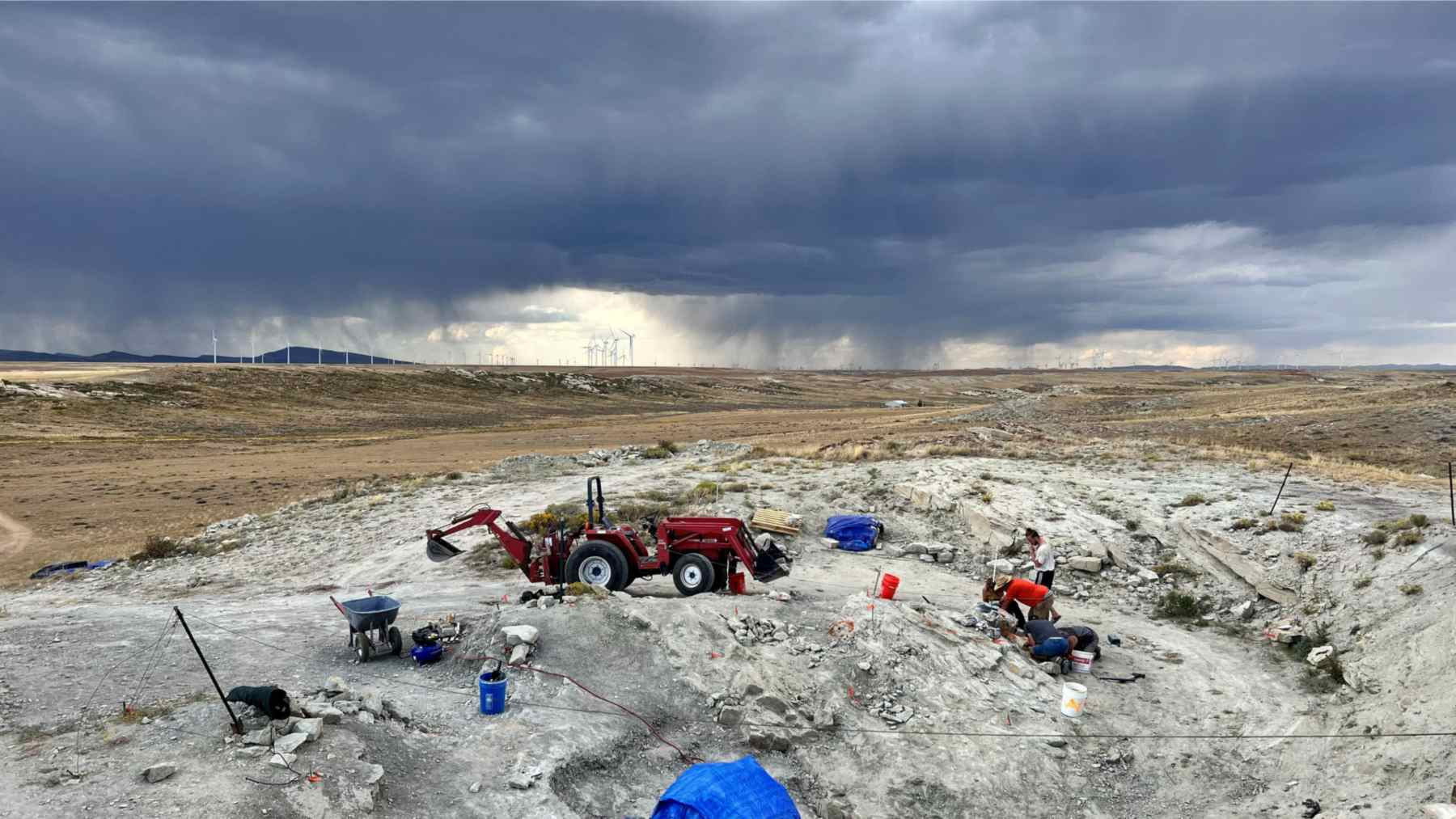
The biggest crowds may come down to frozen dirt. Prairie rattlesnakes in Wyoming gather in large groups, Goode said, and one den held more than 600 snakes. In very cold climates the ground can freeze 4 to 6 feet (1.2 to 1.8 meters) down, and suitable den sites are limited, which is probably why so many snakes end up in one spot, he said. Researchers tracking prairie rattlesnakes in Wyoming have also found them shedding their skin together in piles.
A snake sunning itself in midwinter probably isn’t a healthy adult. Goode said the snakes people see outside in winter are often young or sick, and the sick ones bask to fight off an infection, a tactic known as behavioral fever.