




What’s up in
Technology

Technology
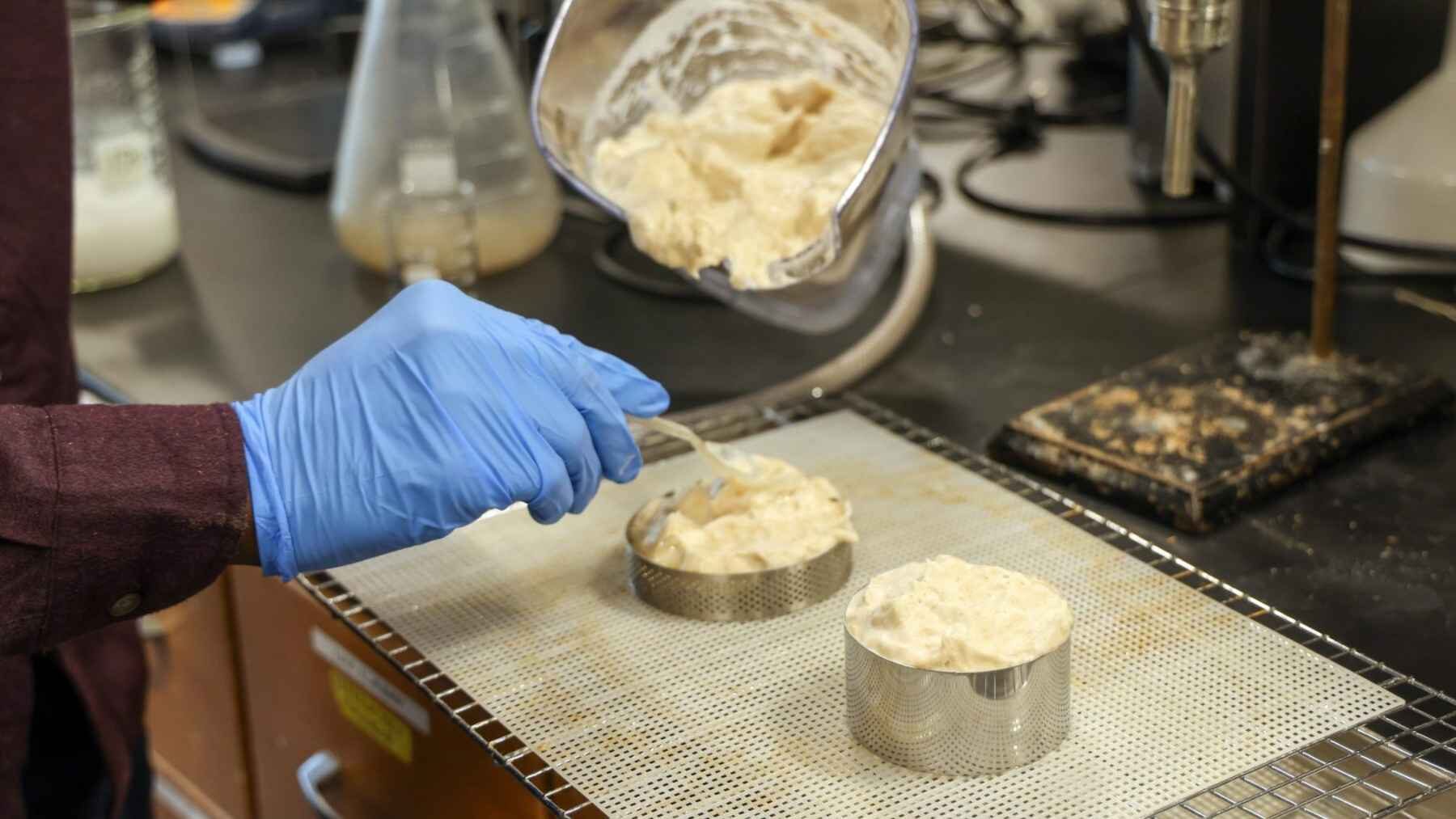
The idea—which sounds strange but might make sense—is to use sunlight, black metal, and the “coffee stain” effect to desalinate water without producing any liquid waste
Solar desalination turns seawater into fresh water and solid salt, hinting at a cleaner path that could even recover lithium.


It seemed impossible to detect such fine arteries on a moving X-ray until a new training method enabled an AI to go from almost never getting it right to getting it right in most cases

The history of cities has always seemed to be driven by money, technology, and institutions, but a new study suggests there may be something more fundamental and powerful: the simple act of bringing people closer together changes the entire network

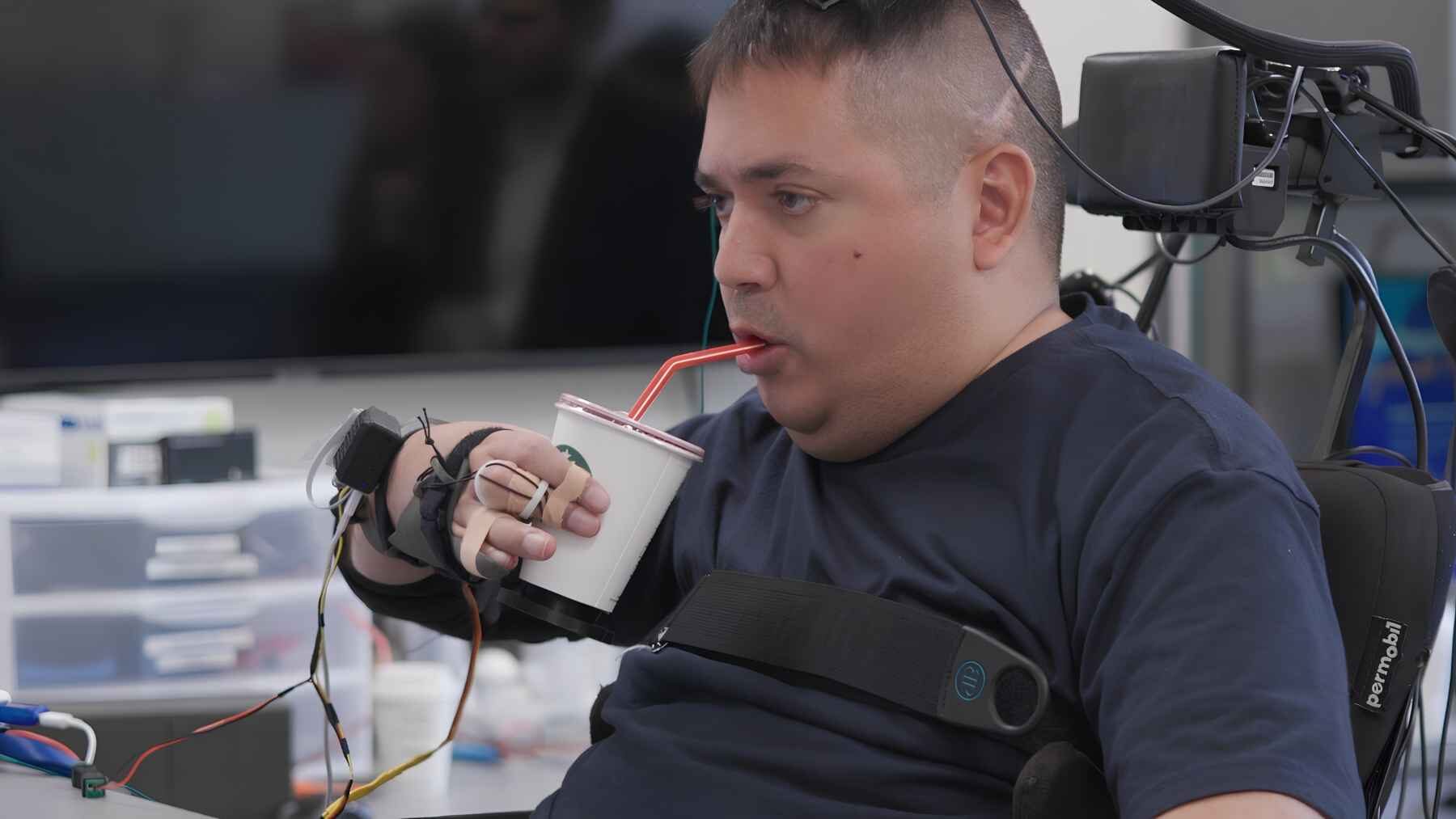
A man with severe paralysis caused by ALS used a brain implant at home for more than 3,800 hours and was able to convert his attempts to speak into text, computer-generated information, and a voice similar to his own

Could an AI model read a whole stack of documents in one go without slowing to a crawl? That is the claim now drawing attention around SubQ, a new large language model from the Miami startup Subquadratic

The United States has 624,167 bridges, of which more than 220,000 are in need of repair, but a new generation of quantum sensors could detect hidden damage before it becomes visible from the road

A Russian university has just unveiled a tractor attachment that injects cooled exhaust gases directly into the soil—a highly unusual idea that promises to benefit crops but requires extensive testing under real-world conditions

MIT’s new method promises to speed up the search for alloys for rockets, chips, and clean energy by analyzing invisible “neighborhoods” between atoms
They hid the number zero from an artificial intelligence system in the hope that it would discover it on its own; what happened teaches us an important lesson about the future of AI
- Scientists at MIT have created a robot with an “elephant’s memory” that promises to tell you where you left your keys last night—and it does so in a matter of seconds
- NASA is developing and testing an artificial intelligence system that identifies 93% of the signs of a flash flood and could provide crucial time to respond
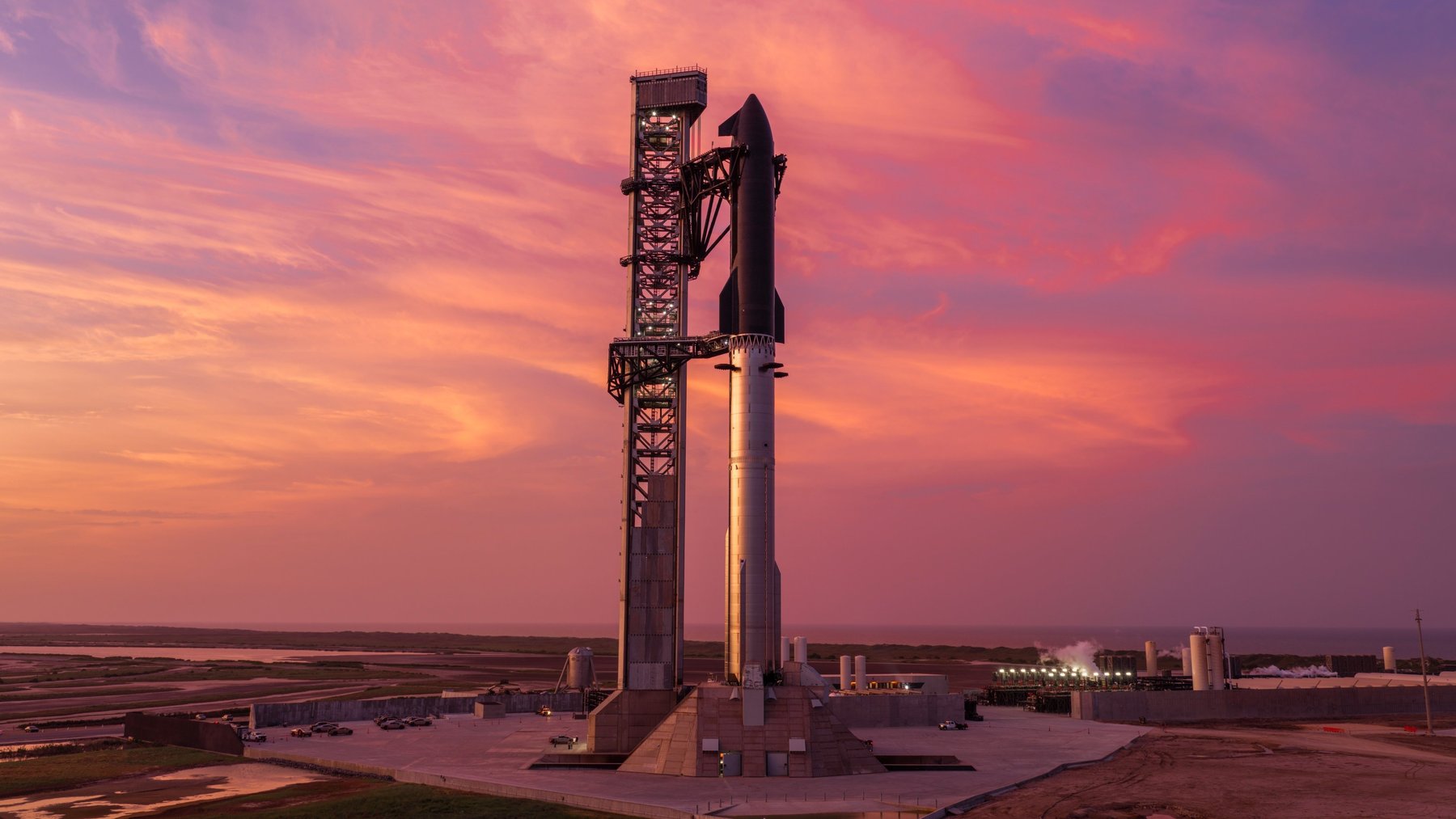
- SpaceX’s valuation keeps rocketing, raising eyebrows about how high a private company can fly before gravity bites
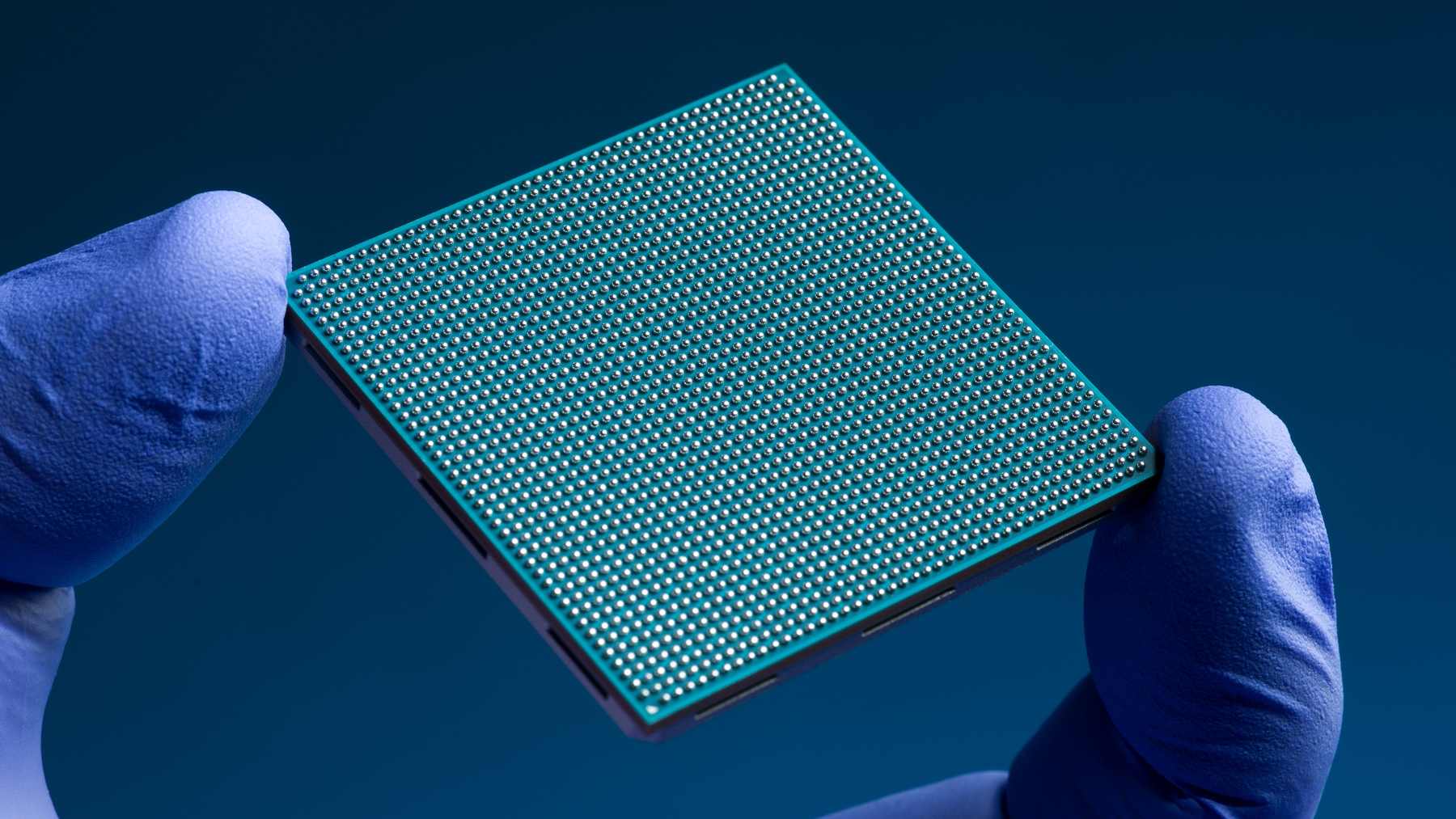
- A chip material only three atoms thick was hit with plasma, and a tiny chemical trick changed what happened next
- Germany is literally zapping crops with lasers to ditch pesticides, and early tests say the crazy plan just might pay off
- They warn that China might be building strange new structures deep in the desert to reinforce its nuclear deterrence, and what draws attention is that the shapes seem deliberate enough to indicate preparation, not just construction
- A Chinese company completes the first lift of a stadium’s steel structure aiming to become the world’s first “garden,” and its about 139,000 tons show the true weight of an icon
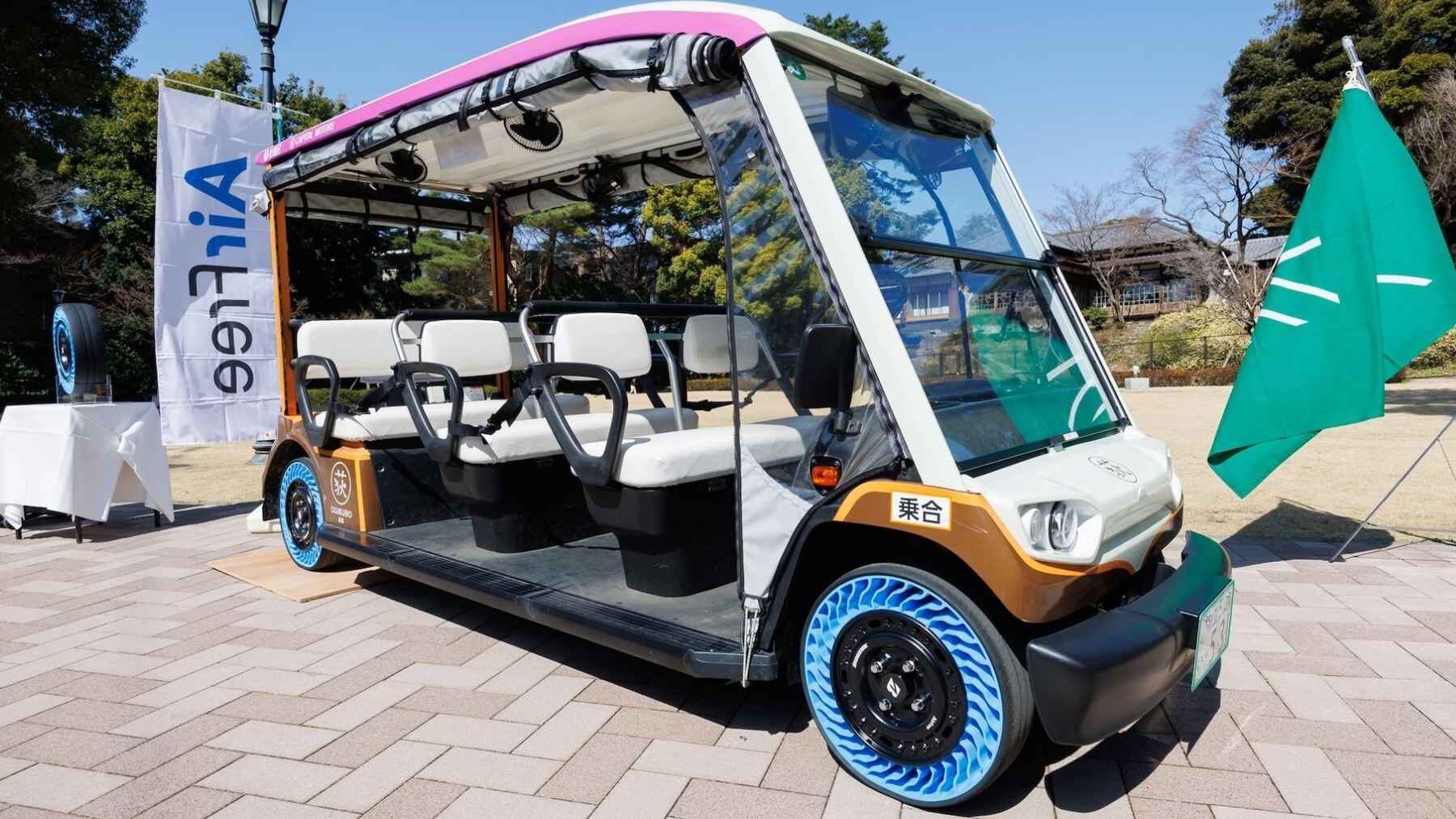
- A key propeller tweak helped a drone design approach about 435 mph (700 km/h), pushing consumer-looking hardware into near-jet territory
- A 2026 building method promises a full house in five days, skipping bricks and conventional dry construction with a system designed for speed
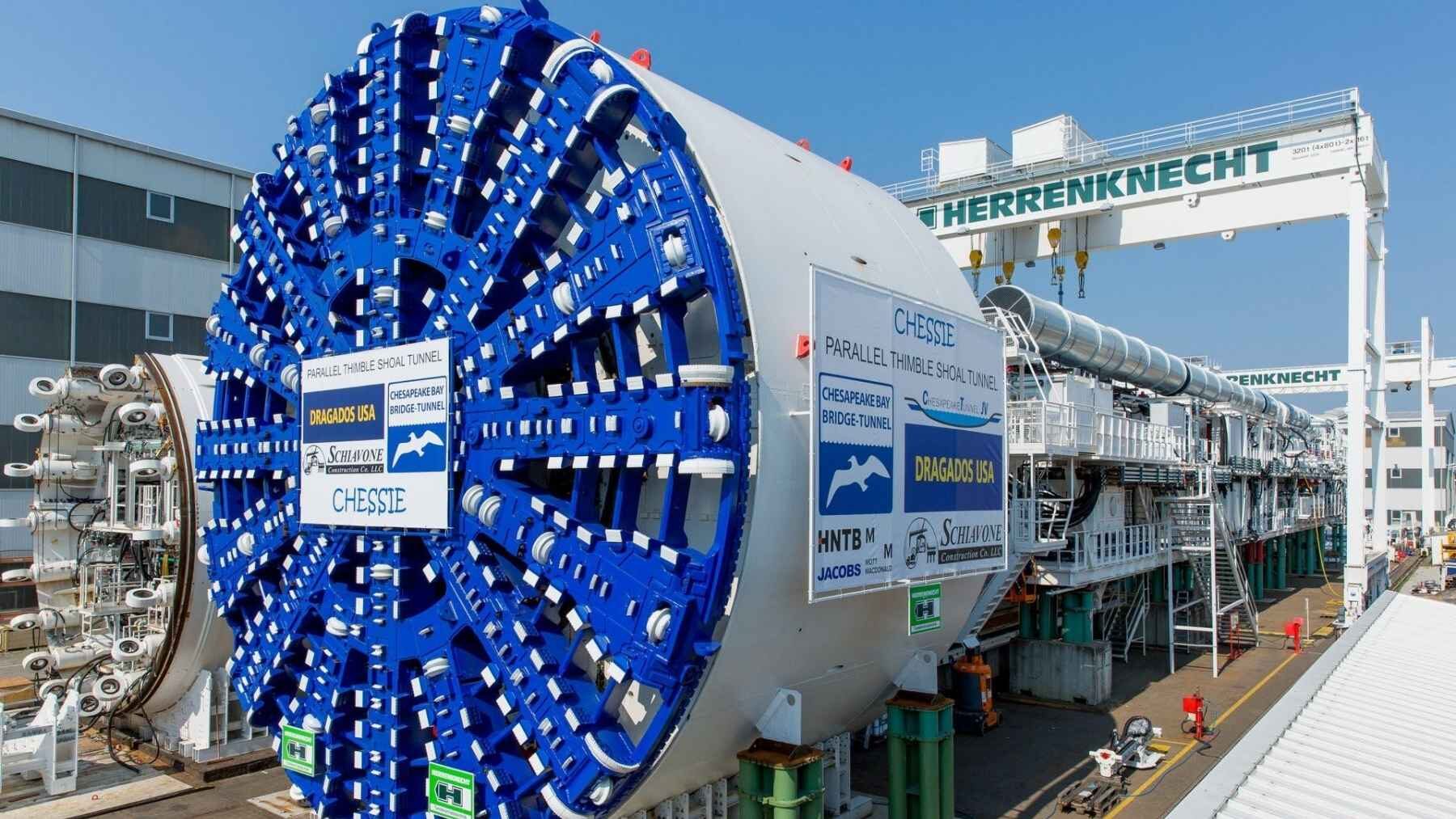
- A U.S. city will bore through rock beneath a creek to build a massive sewage tunnel, with the route running up to about 118 feet (36 meters) underground in a historic infrastructure push
- Underground acoustic signals can expose hidden tunnels beneath U.S. roads and railways, turning vibrations into a new kind of subsurface X-ray
- China just put $226 million into an undersea data center near Shanghai, and the detail that matters is that ocean cooling and clean power are being used to cut land and water use as AI demand explodes
- Bill Gates, co-founder of Microsoft: “We overestimate what AI will do in two years and underestimate what it will do in ten”
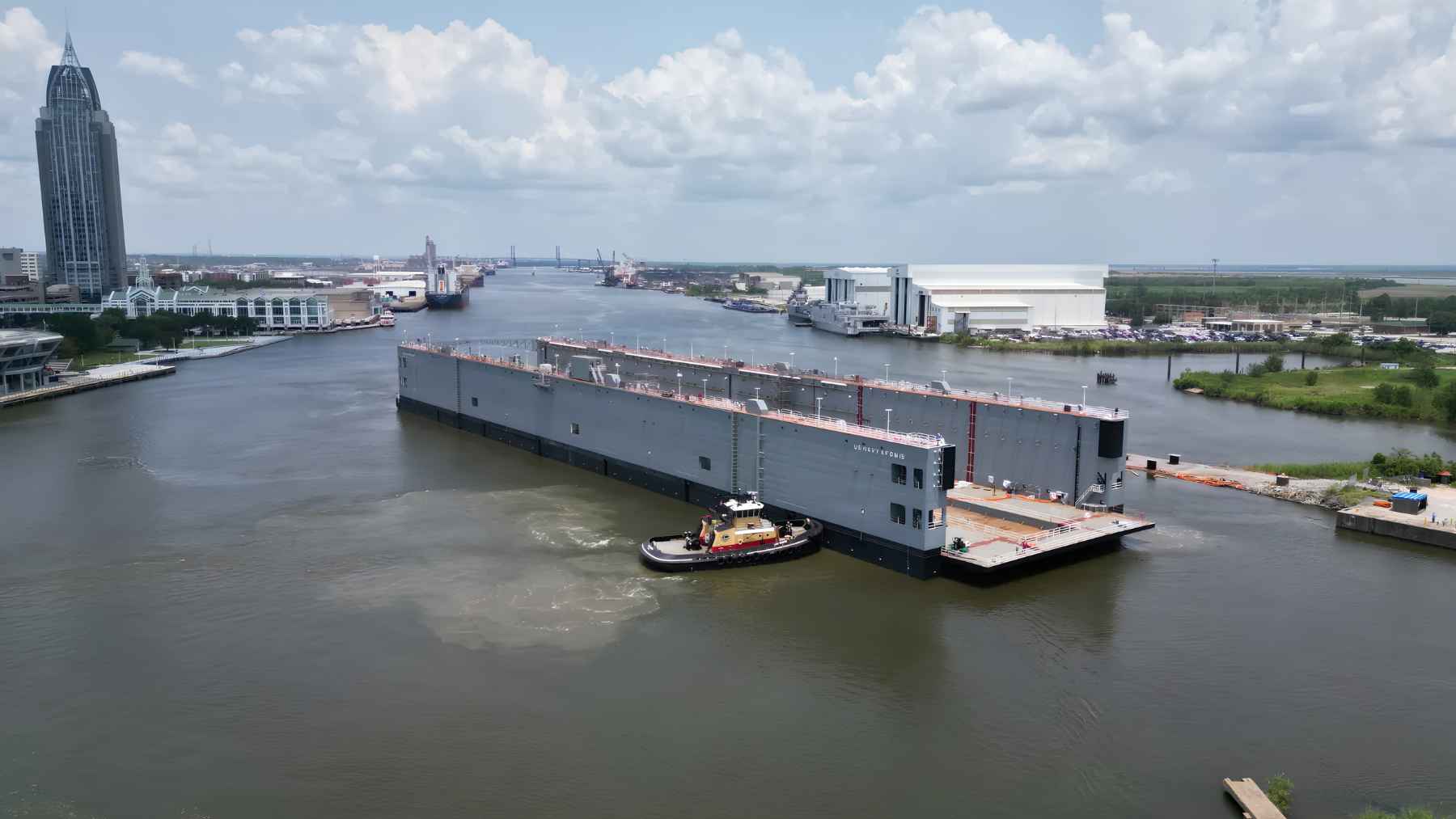
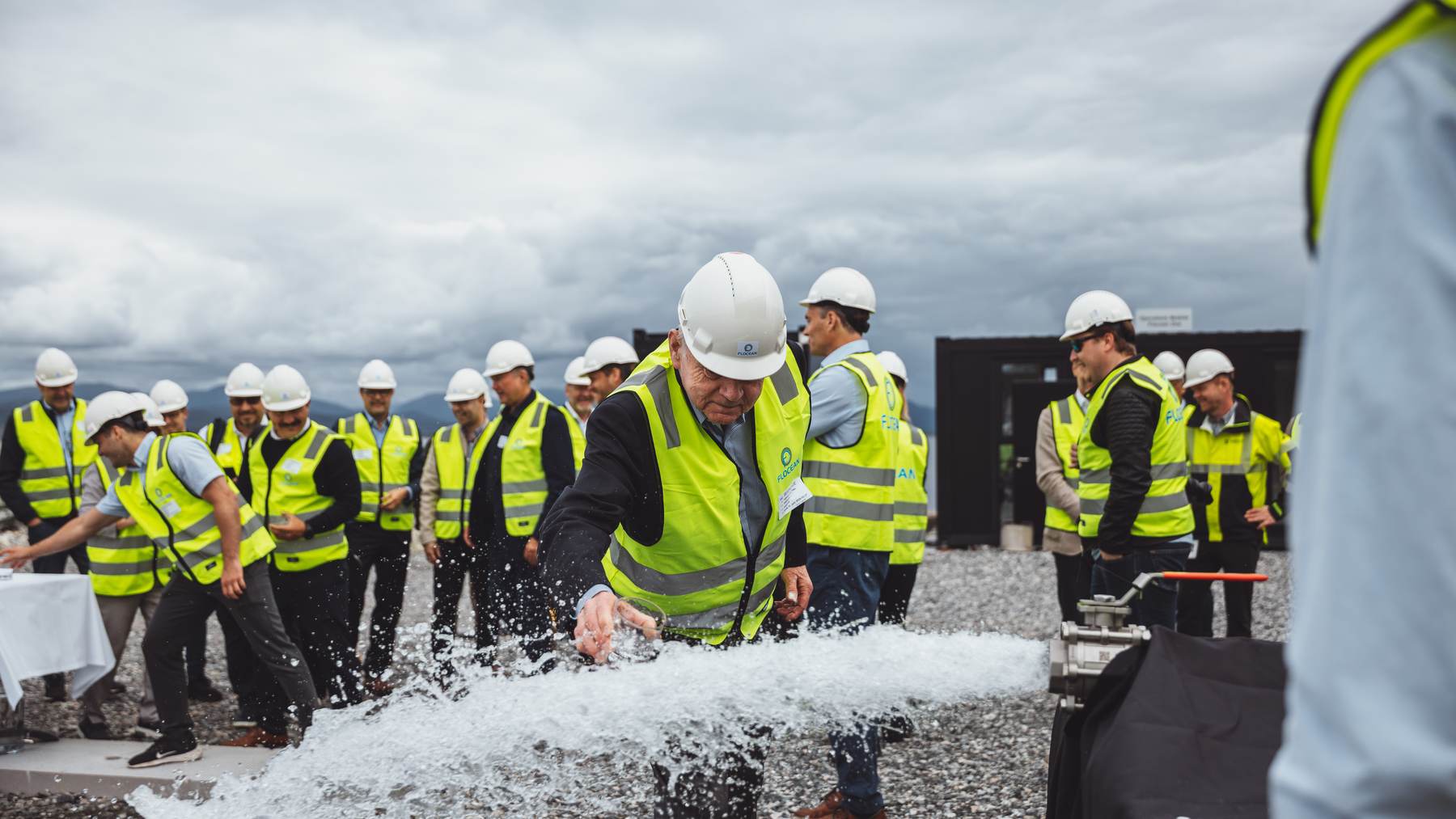
- Australia positions a barge with 256-foot legs to install ocean intakes connected to tunnels under the seabed, feeding a desalination plant that will deliver about 39.6 million gallons a day
- It sounds like space tech but it is already farm defense: China uses lunar-tested basalt fibers to protect crops, and the material promises toughness where climate and pests hit hardest
- Two young inventors design a brick that can cool cities using electricity, and the idea points to buildings that stop being part of the heat problem
- A 29-year-old man has created magnetic cement, and his invention promises to revolutionize a construction sector that has not undergone a true transformation in decades
- Italian architects 3D-print a house from local clay— without using traditional bricks — by sourcing soil from the site itself. The question is no longer if it works but how much it can cut costs?
- A crew of around 100 workers and two cranes turned what looked like oversized shipping containers into a 26-story tower in five days. The real takeaway is that the slowest parts of construction – wiring, ductwork, and finishes – were done before anything arrived on site
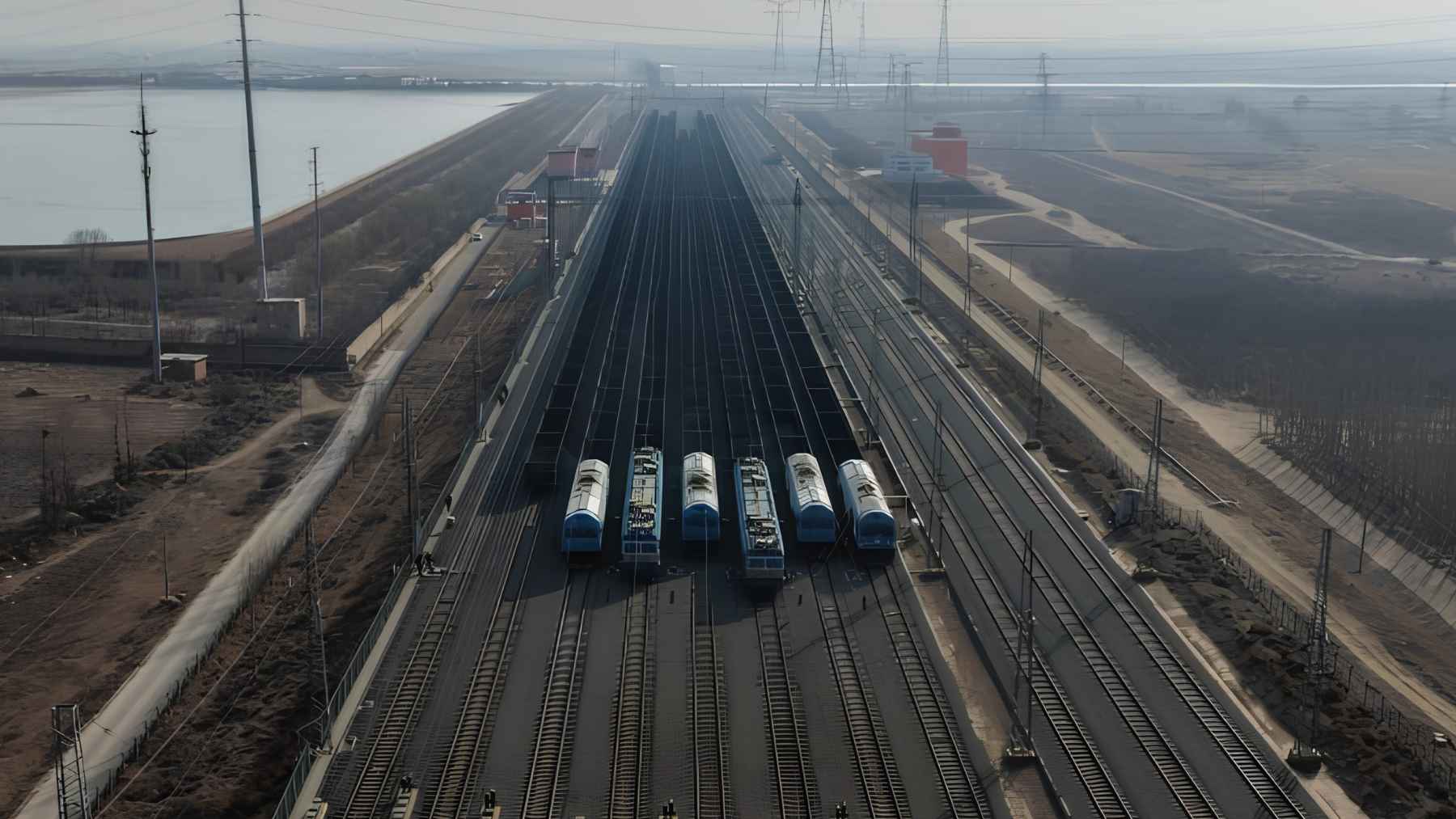
- China built Asia’s largest rail station in just two years, with about 5.1 million square feet, solar power, and welding robots, and the scale shows who’s setting the infrastructure pace
- Berlin opens a 269,000-square-foot pit in the city center and exposes its medieval roots, with archaeologists racing construction crews to save coins, walls, and clues before it is covered again
- China built a 984-foot “horizontal skyscraper” linking four towers 820 feet up, and the about 13,200-ton structure turns architecture into a balance test
- An active mine in the Italian Alps becomes a $58 million underground data center, pairing servers with apples and wine in a cooling bet built where ore once came out
- Graphene-infused concrete promises lighter builds with less cement, and the payoff could be longer-lasting structures with a smaller footprint
- A mystical Brazilian city was built on a crystal mountain at about 4,724 feet, and its century-old homes and churches challenge engineering with a secret hidden underfoot
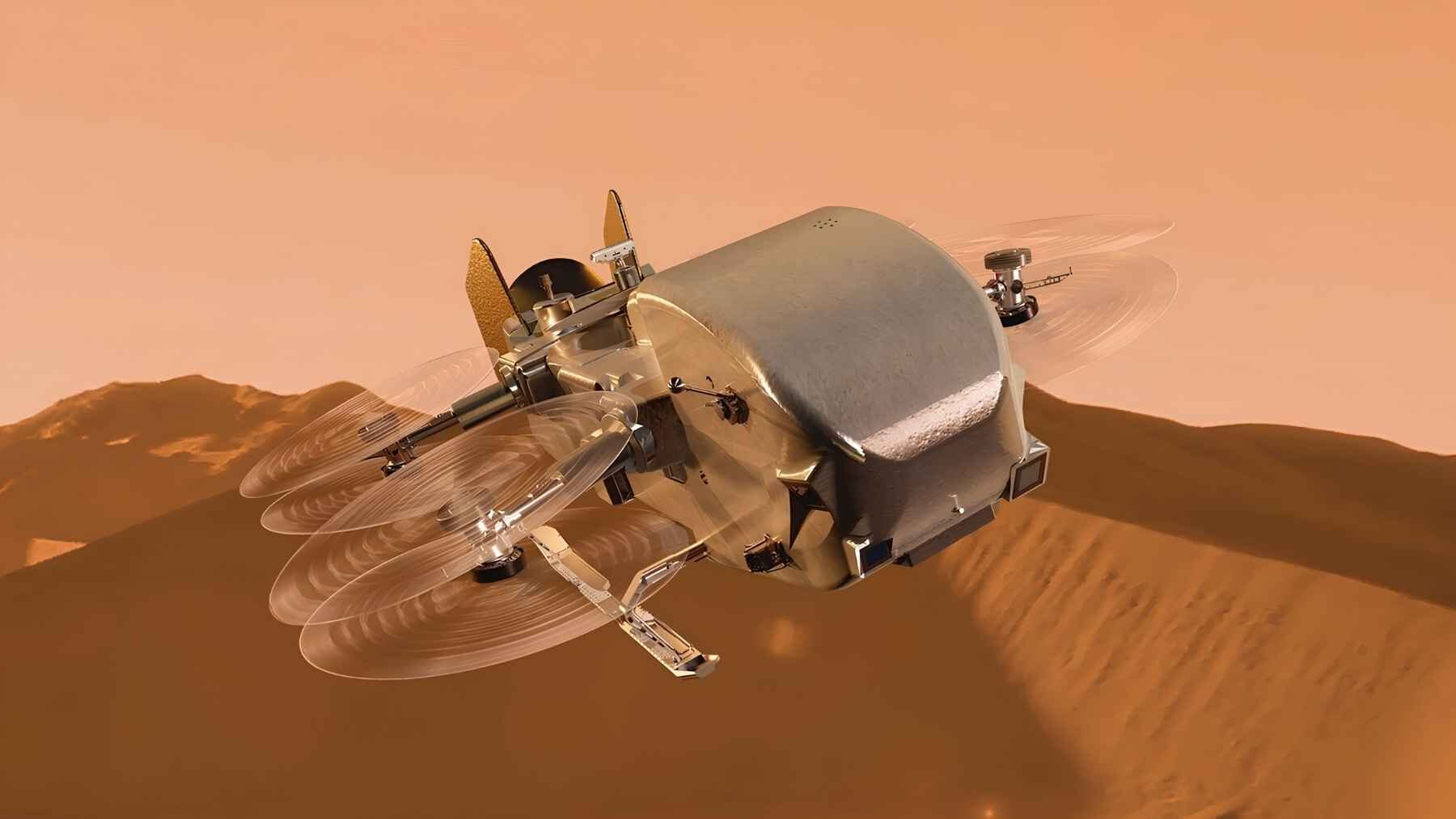
- NASA engineers build a supersonic rotor for Mars, and carbon-fiber blades at JPL are already nearing Mach 1.08 in tests that push off-world flight to the edge