Artificial intelligence has a power problem, and it is no longer hiding inside the cloud. It shows up in new data centers, local grid fights, water concerns, cooling systems, and, for many people, the uneasy question of who ends up paying the electric bill.
Now, a Miami startup called Subquadratic says it has found a way around one of the biggest mathematical bottlenecks behind large language models. The claim is still being tested, and some researchers remain cautious, but if the results hold up, the environmental implications could be bigger than another faster chatbot.
The bottleneck behind AI
Most modern large language models are built around a design known as the transformer. At the center of that design is “attention,” the mechanism that helps a model compare pieces of text and decide what matters.
The trouble is scale. In dense attention, the model compares every token with every other token, so longer inputs can quickly become expensive. Double the amount of text, and the work can grow far faster than a normal user would ever guess.
That extra work means more chips running, more heat to remove, and more power moving through data centers. In everyday terms, it is the difference between reading one page carefully and trying to cross-check every page in a whole library.

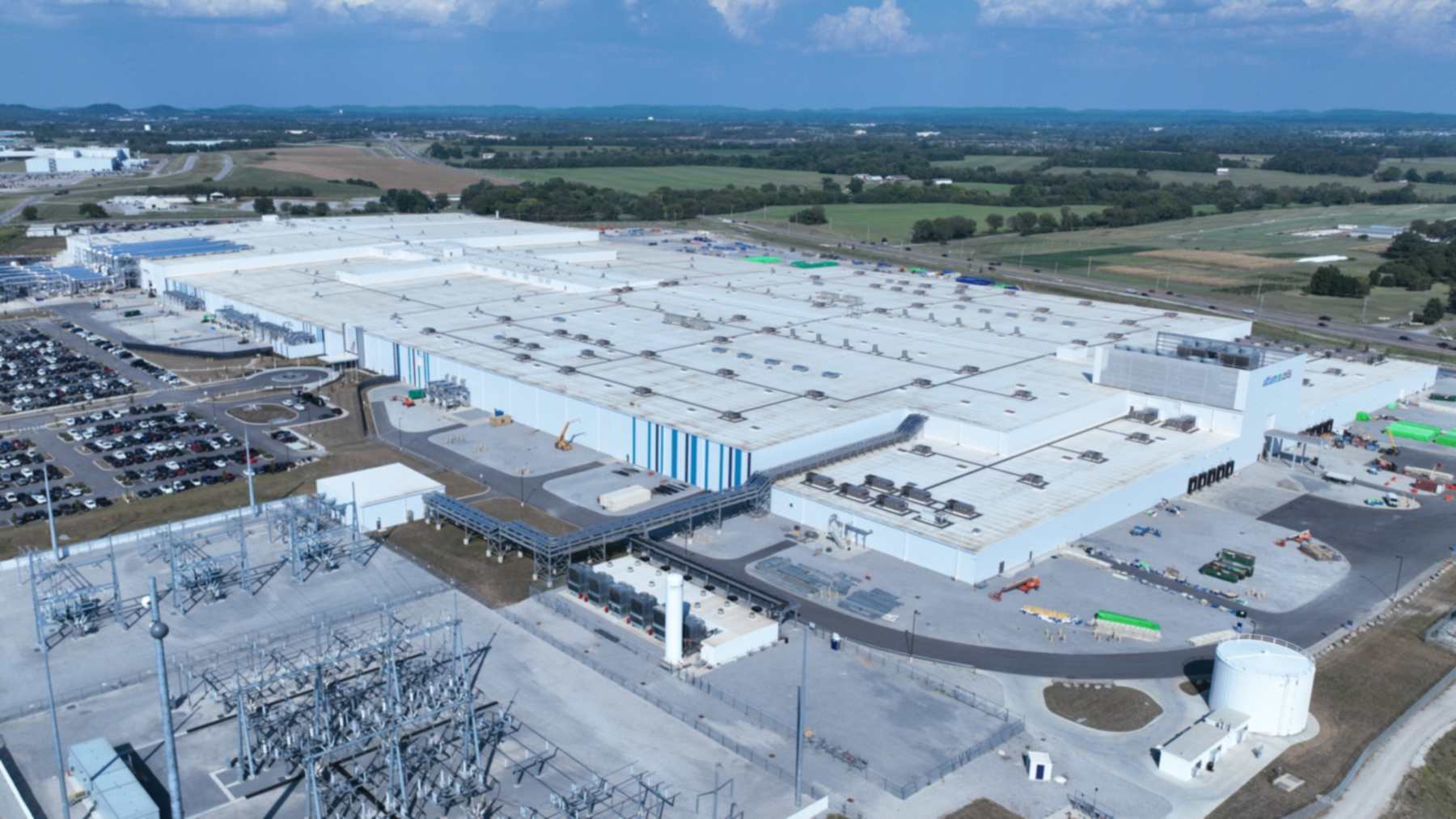
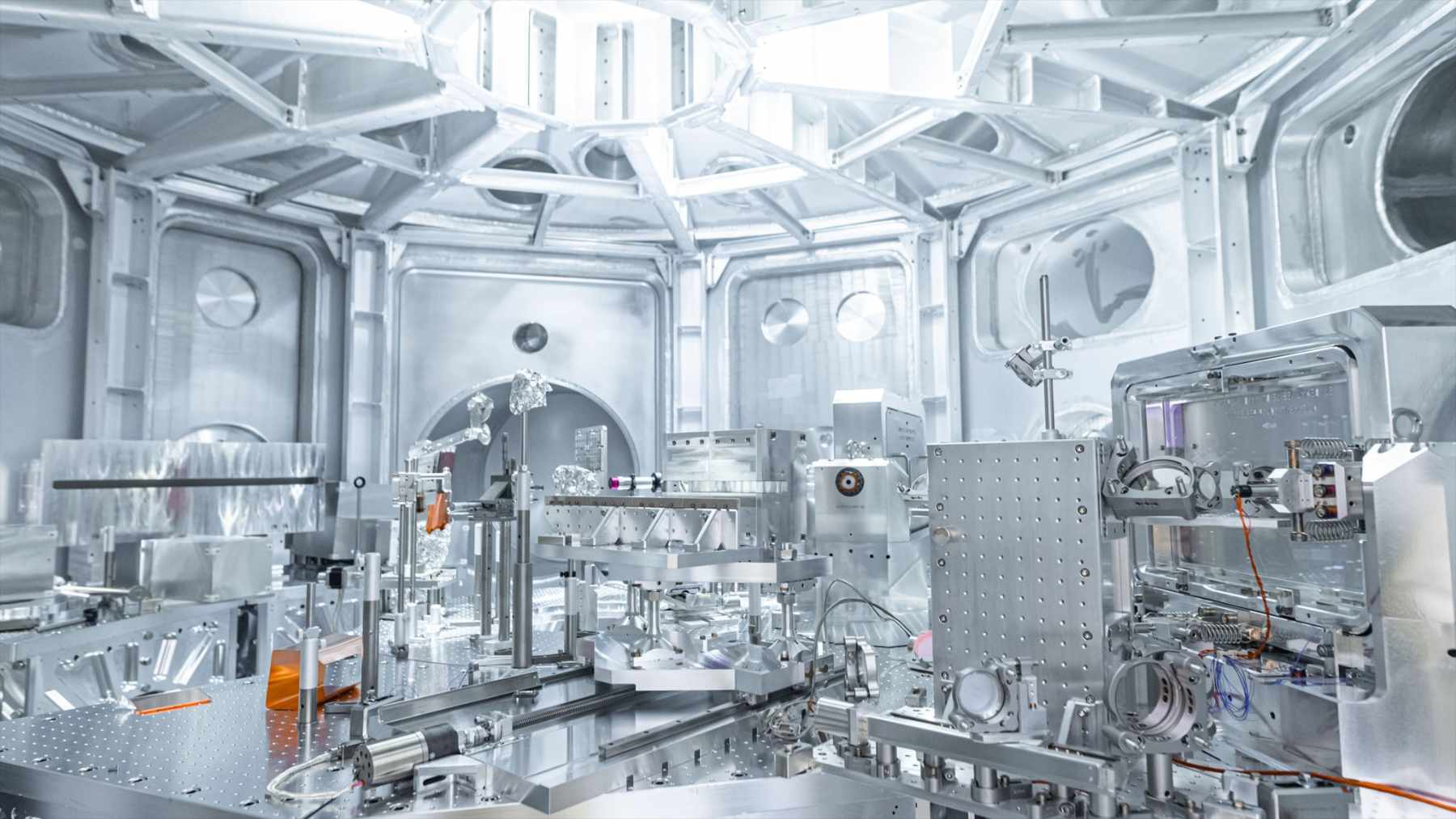
A conceptual visualization of next-generation AI infrastructure highlights how sparse attention architectures could reduce computing power, heat generation, and energy consumption in future large language models.
What SubQ says it changed
Subquadratic says its model, SubQ, uses “Subquadratic Sparse Attention” to focus only on the relationships that matter most instead of checking everything against everything else. The company says this makes compute grow linearly with context length, rather than quadratically.
In its latest model card, published June 16, 2026, Subquadratic says SubQ 1.1 Small can handle long-context retrieval up to 12 million tokens. It also claims that at 1 million tokens, the model uses 64.5 times less compute than dense attention and runs 56 times faster than FlashAttention-2.
Those are bold numbers. Still, the company has not simply asked the public to take them on faith. A third-party benchmark brief from Appen says Subquadratic’s preview models reached 100% retrieval accuracy at 1 million and 2 million tokens, while a smaller variant held 98% exact-match accuracy at 6 million and 12 million tokens.
Why energy experts are watching
The timing matters. The International Energy Agency estimates that global electricity consumption from data centers could double to about 945 terawatt-hours by 2030, reaching just under 3% of global electricity use. AI-focused accelerated servers are expected to be one of the fastest-growing pieces of that demand.
That is not some abstract number on a spreadsheet. It means more pressure on grids, more competition for clean electricity, and more local debates over substations, cooling, noise, and land use.
The IEA also projects that electricity generation needed to supply data centers could rise from 460 terawatt-hours in 2024 to more than 1,000 terawatt-hours in 2030. Renewables are expected to meet nearly half of the added demand, but natural gas and coal are still part of the picture.
Efficiency is not a magic wand
Better AI efficiency sounds like an obvious environmental win. Generally, it can be, especially if the same task uses fewer chips, less electricity, and less cooling.
There is a catch, however. When technology gets cheaper and faster, people often use much more of it. A model that can read entire codebases, long histories, and huge document collections in one pass may cut waste per task while also encouraging many more tasks overall.
That is why the real climate question is not only whether SubQ is efficient. It is whether efficiency gains are paired with smarter deployment, cleaner power, and clearer rules for where massive computing infrastructure gets built.
Seattle shows the pressure
This debate is already spilling into city politics. On June 9, 2026, the Seattle City Council unanimously adopted an emergency data center moratorium and a policy framework, citing concerns about environmental, infrastructure, and economic impacts.
The issue has also created tension inside Big Tech. Three Amazon engineers who supported data center limits filed a complaint asking Seattle’s Office for Civil Rights to investigate Amazon, saying they faced internal scrutiny after testifying before the City Council. Amazon said employees may discuss their working environment, but that it was reviewing whether company communications policies had been violated.
That is where the math meets the sidewalk. Data centers are not weightless pieces of the internet. They sit in neighborhoods, use electricity and water, make noise, and can shape local utility decisions for years.
What comes next
Subquadratic’s claim should be treated with interest, not blind celebration. The model still needs broader testing in real workloads, outside company-selected examples, and under the messy conditions where AI systems actually run.
Still, the direction is important. If AI is going to keep growing, the industry cannot solve every problem by building more data centers and asking the grid to catch up later. The cleaner path is to reduce waste at the source.
At the end of the day, the best AI breakthrough for the planet may not be a model that sounds more human. It may be one that needs less power to think.
The official technical report was published on Subquadratic.