Energy
Solar, wind, batteries, green hydrogen and power grids
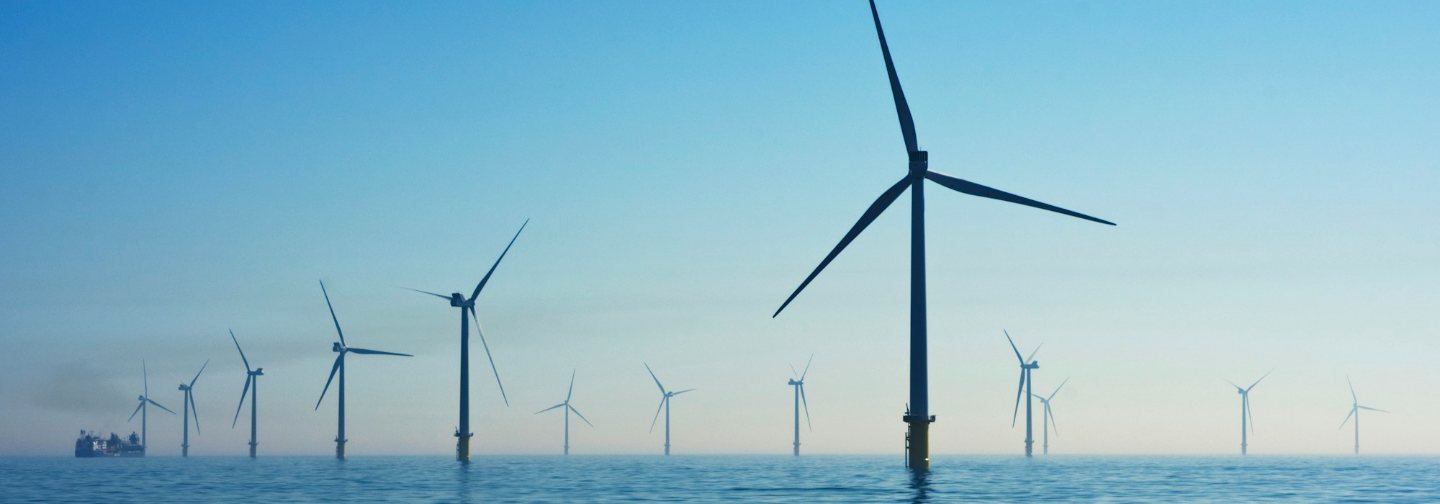
The Energy section of ECOnews covers solar and wind power, offshore wind farms, batteries and energy storage, green hydrogen, nuclear power and power grids. Follow the projects, records and innovations changing how the world produces and uses electricity.

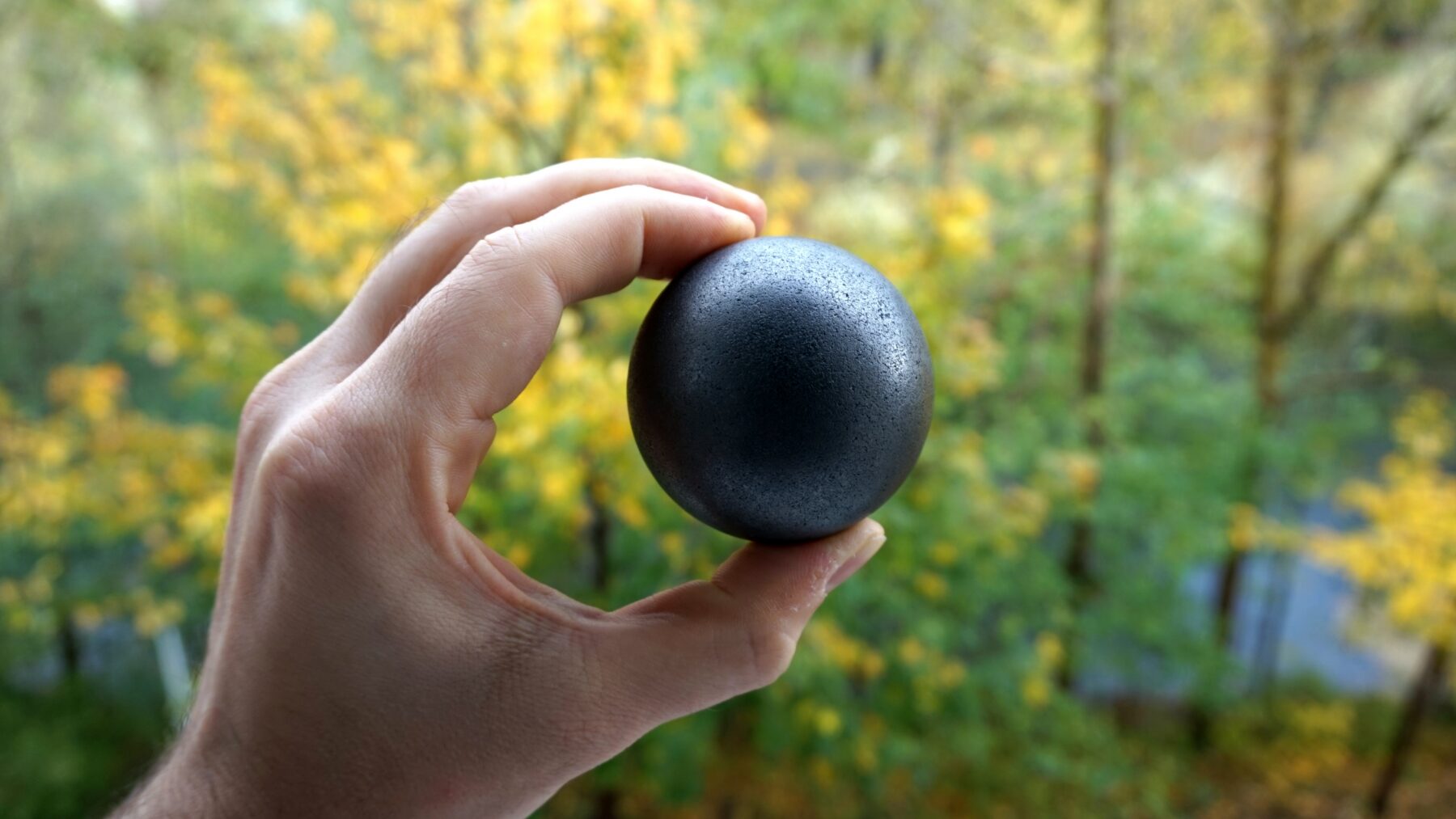
The Soviet Union sank a nuclear submarine with its fuel still aboard about 100 feet down in the Arctic, and the material sealing its reactors has a lifespan no one can pin down
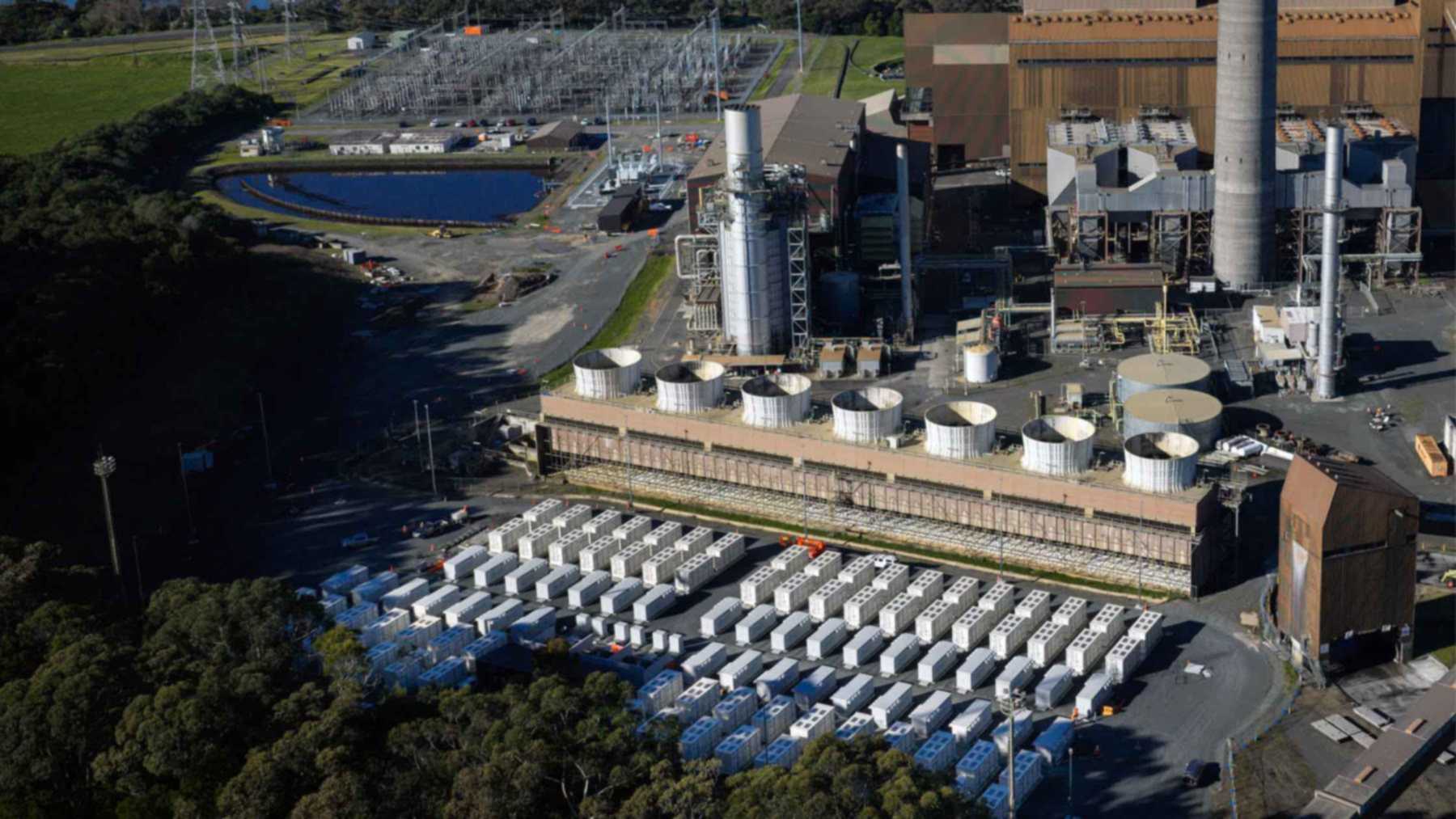
New Zealand’s largest power station just switched on a grid-scale battery that can power 60,000 homes for two hours, and the second one is already budgeted for less
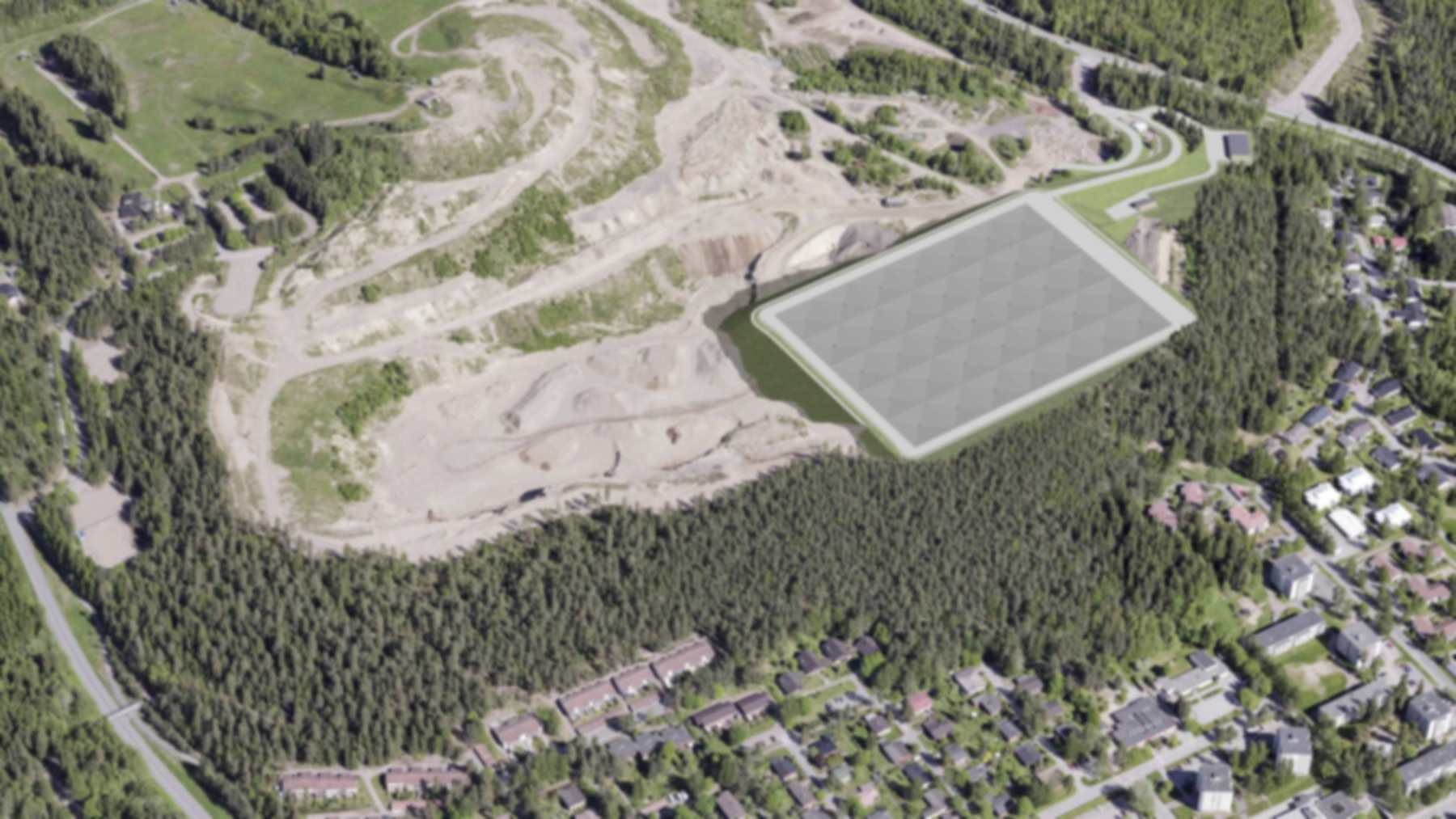
Finland is pouring 100 million gallons of water into an old gravel pit to build the world’s largest pit heat storage, and the summer warmth it saves will heat homes in winter
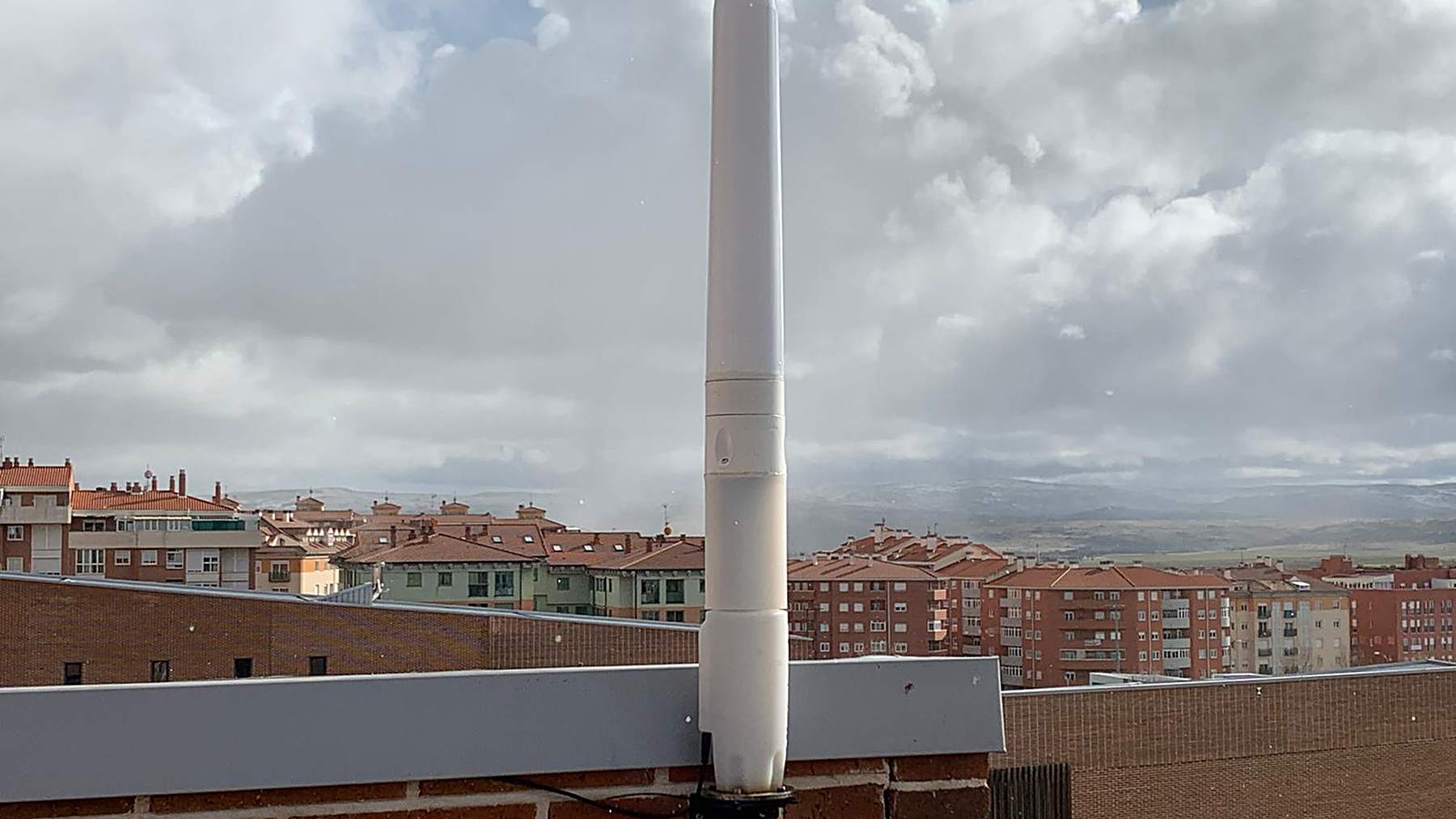
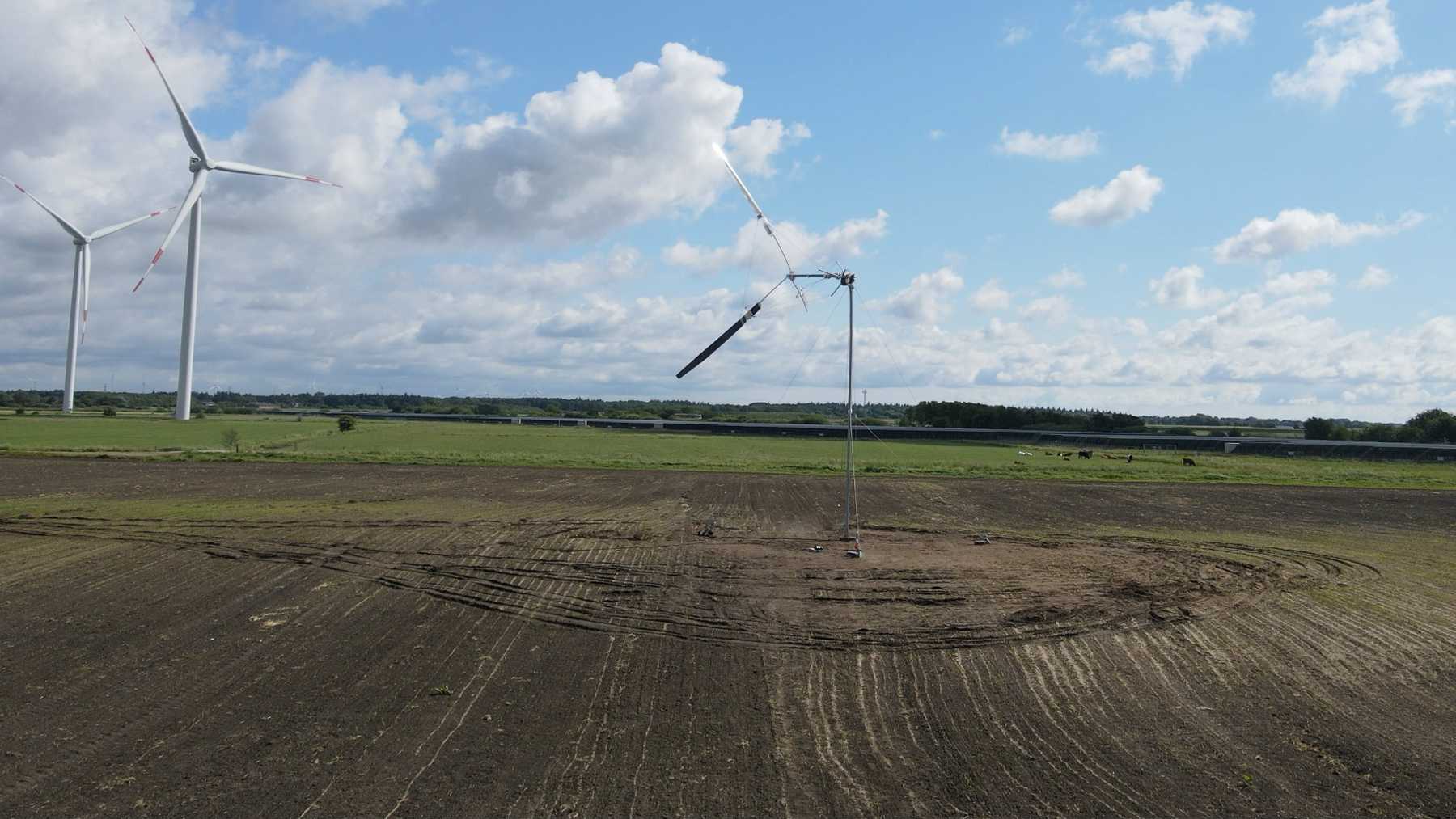
A bladeless wind turbine that sways in the wind could safely produce 460 watts in computer simulations, and the most efficient design turned out not to be the most powerful
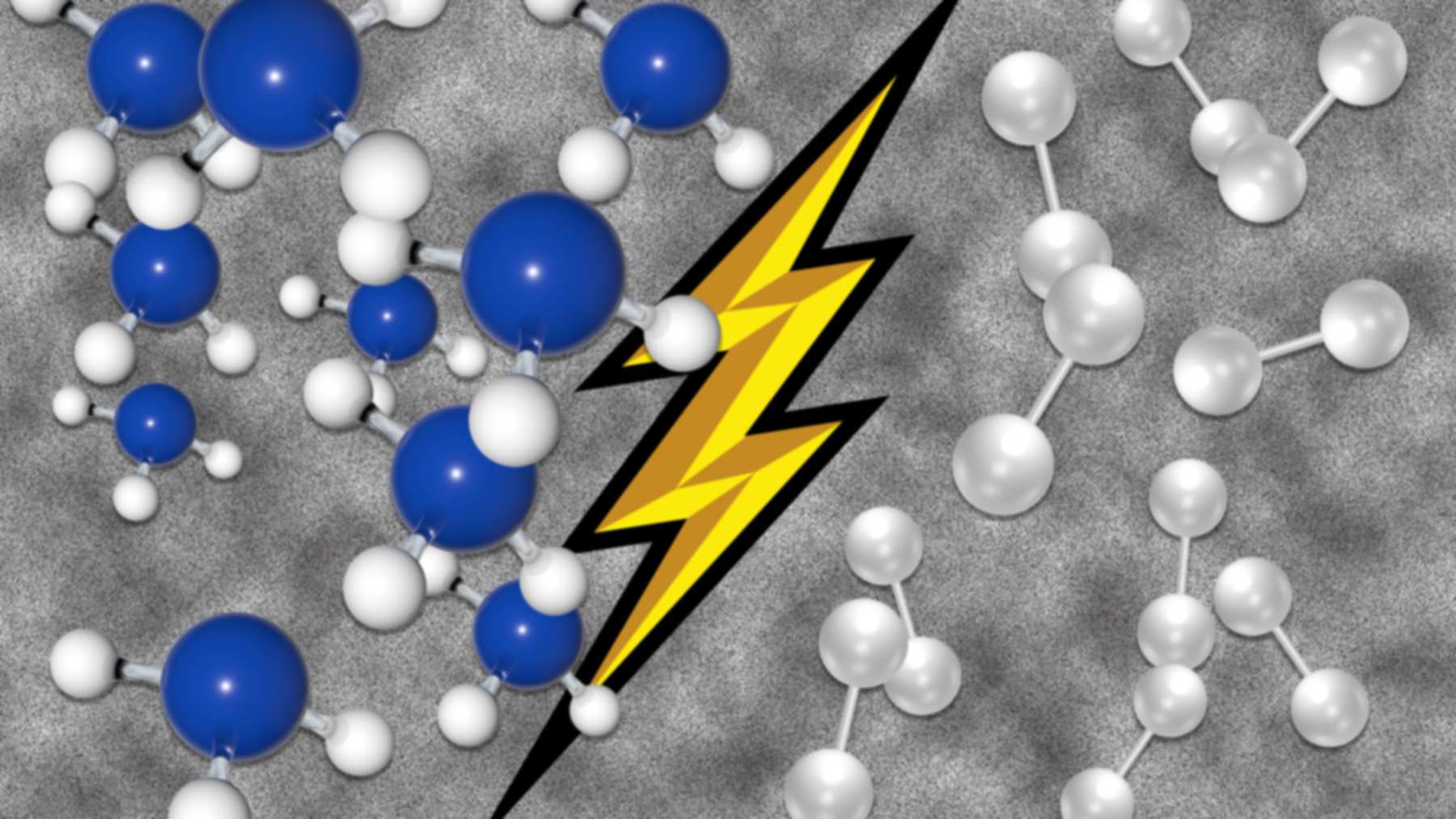
Chemists are turning ammonia into pure hydrogen at 482°F, far cooler than standard cracking, and the trick is using electricity to pull the gas through a palladium membrane
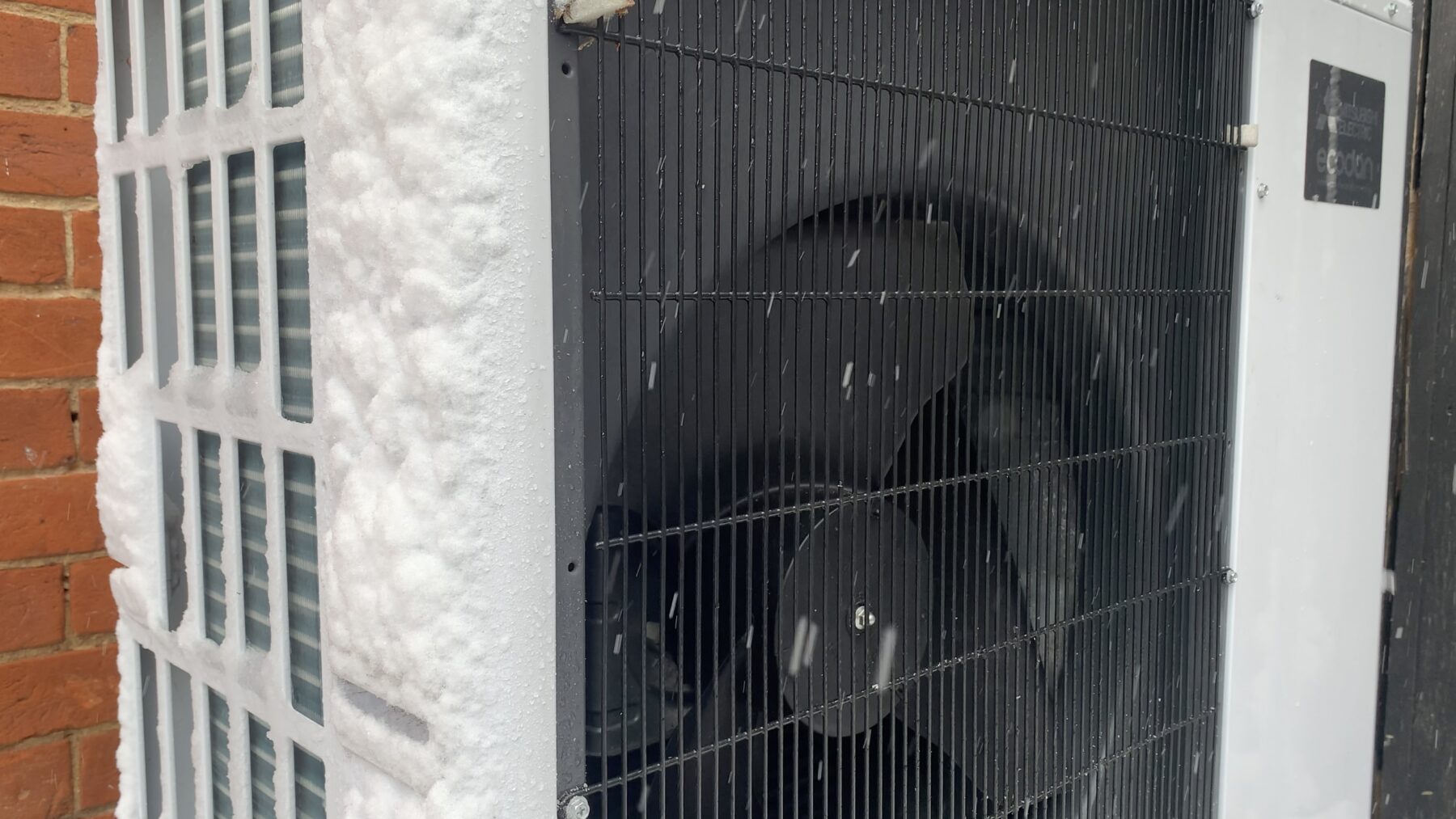
Heat pump vs furnace: Maine’s 2026 fuel survey priced heat pump warmth at roughly $31 to $32 per million Btu against $13 to $25 for piped gas, so the furnace still wins in gas homes while propane, oil and baseboard households save
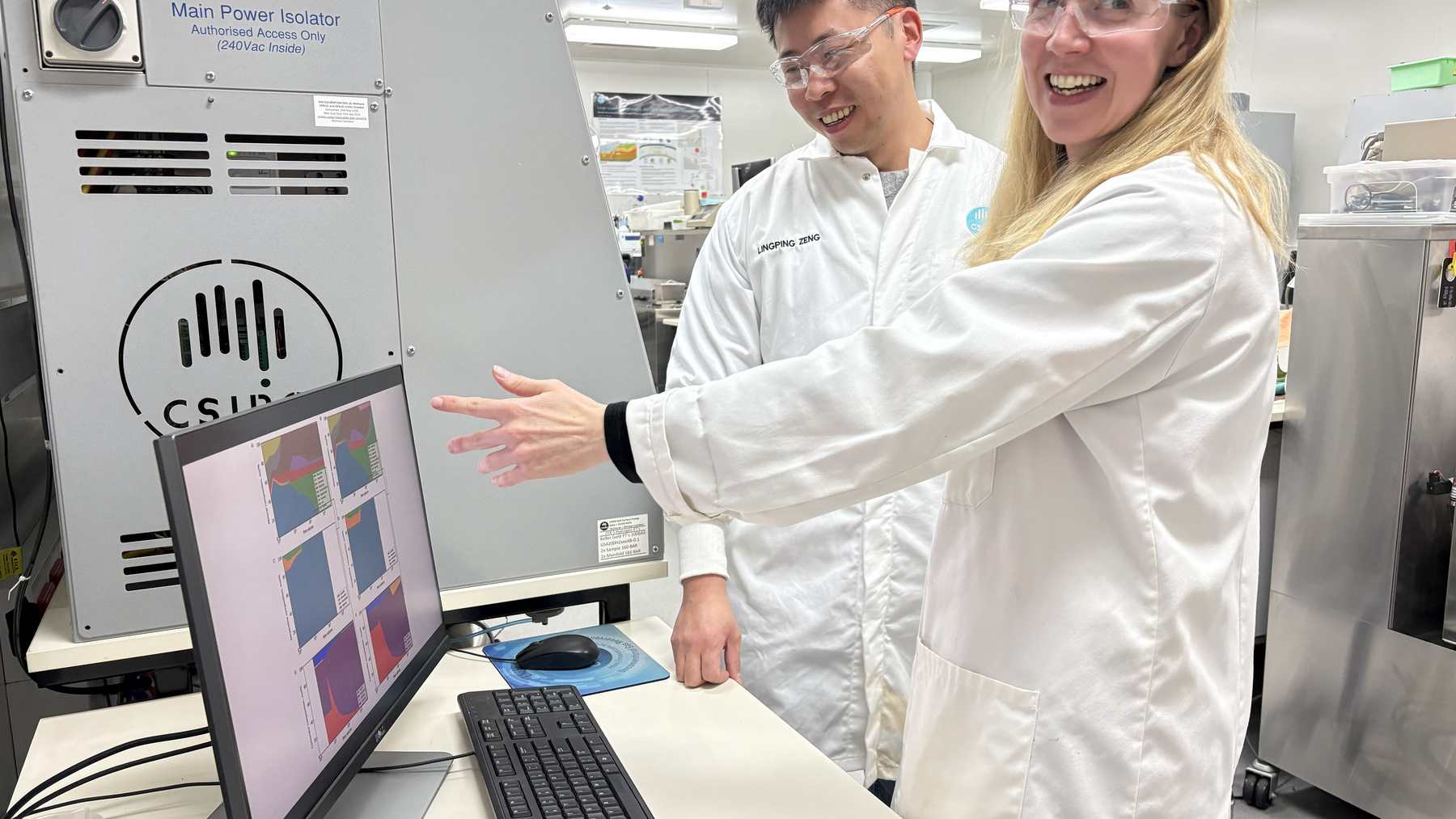
Australia’s ancient rocks could make orange hydrogen while burying carbon dioxide underground, and the catch shows up once the heat climbs past 392°F
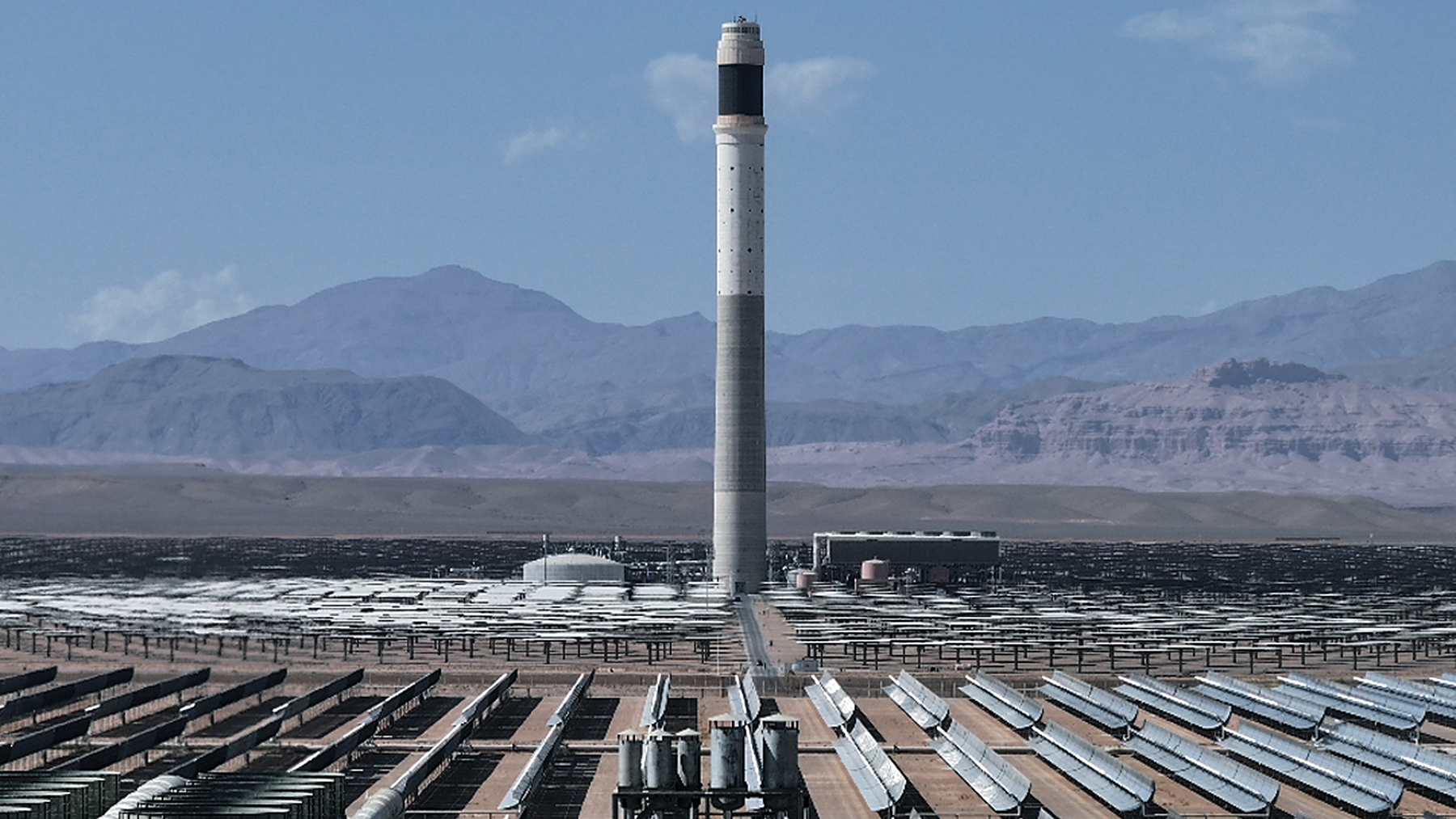
Morocco built the Noor solar complex to keep the lights on after sunset, and the World Bank says a cracked molten salt tank at its 820-foot tower caused two long outages
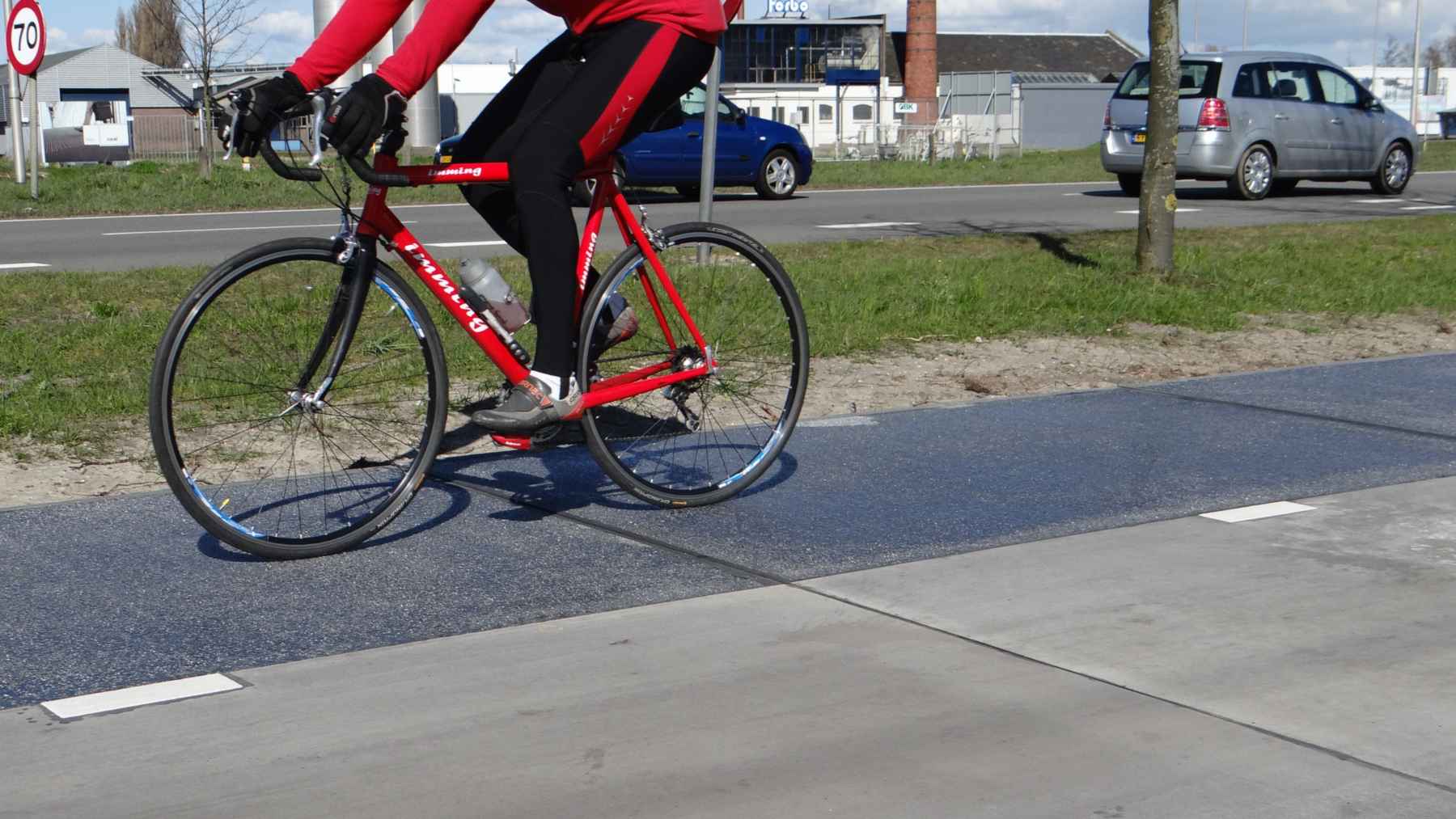
Goodbye to the solar bike path: the Netherlands paved a cycle lane with solar panels that reportedly made 9,800 kilowatt-hours in a year, and the weak spot was the surface cyclists rode on
Amazon will fund the development of 12 small nuclear reactors on the site of a former coal plant on Indiana’s Wabash River, 960 megawatts in all, but no decision to build them has been made and no construction date or cost has been given
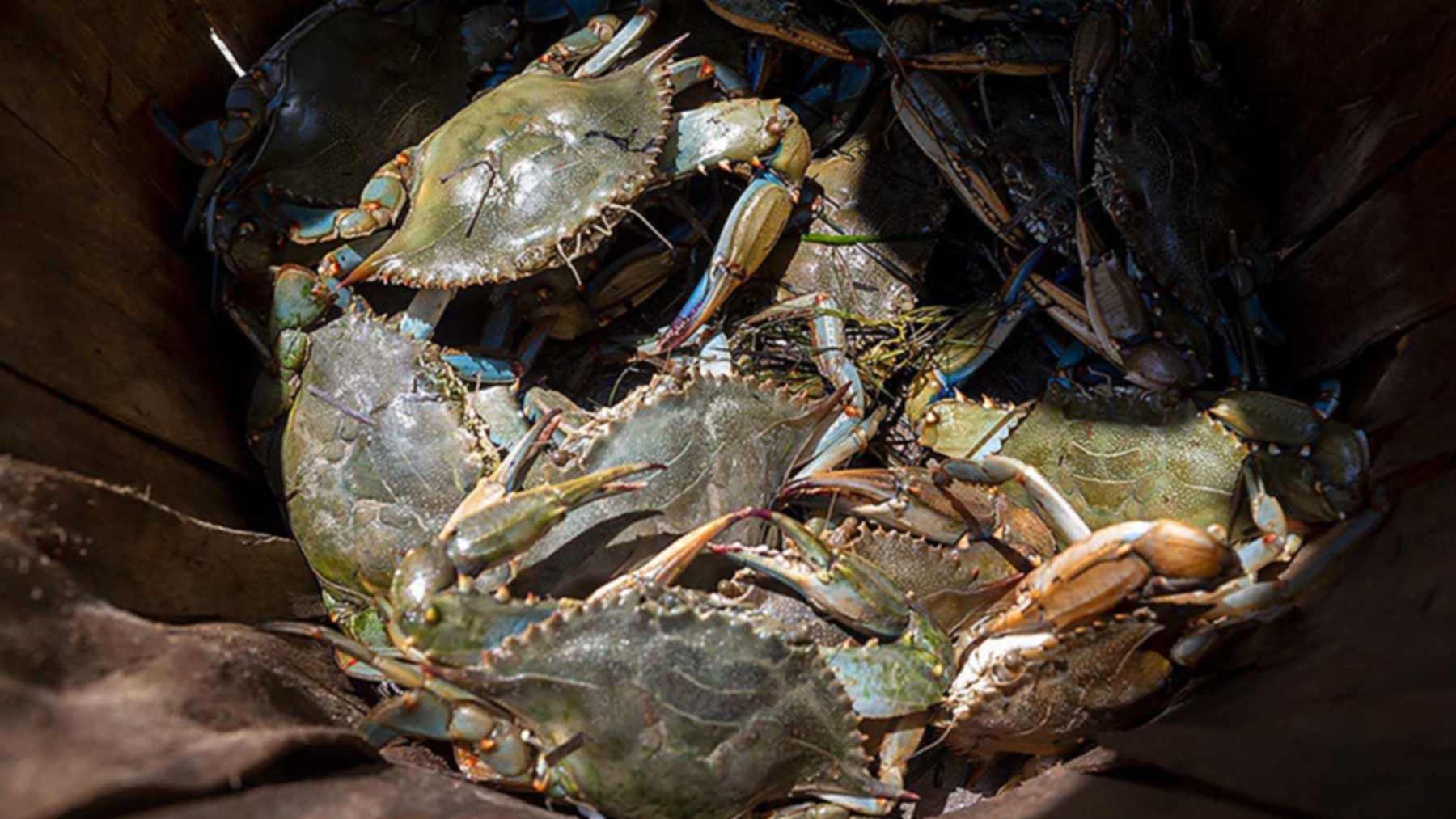
Shells left after a seafood dinner can become a gel for zinc batteries that lasted more than 1,000 cycles, and the most surprising part is what happened to it in soil
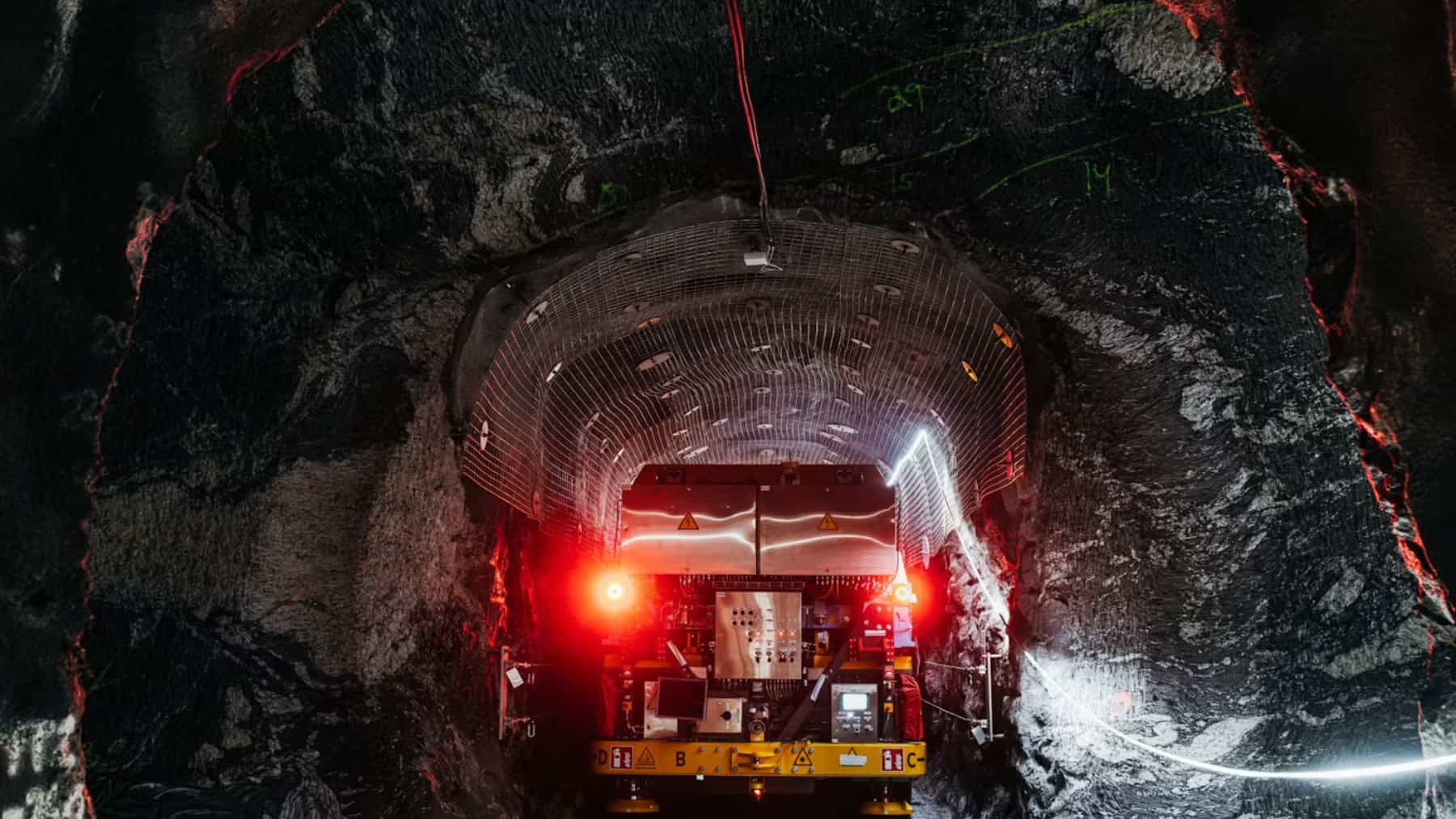
Finland has granted the world’s first operating licence to permanently bury spent nuclear fuel, in copper canisters about 1,410 feet down in the bedrock of Olkiluoto island, and the last tunnels are not due to be sealed until after the 2120s
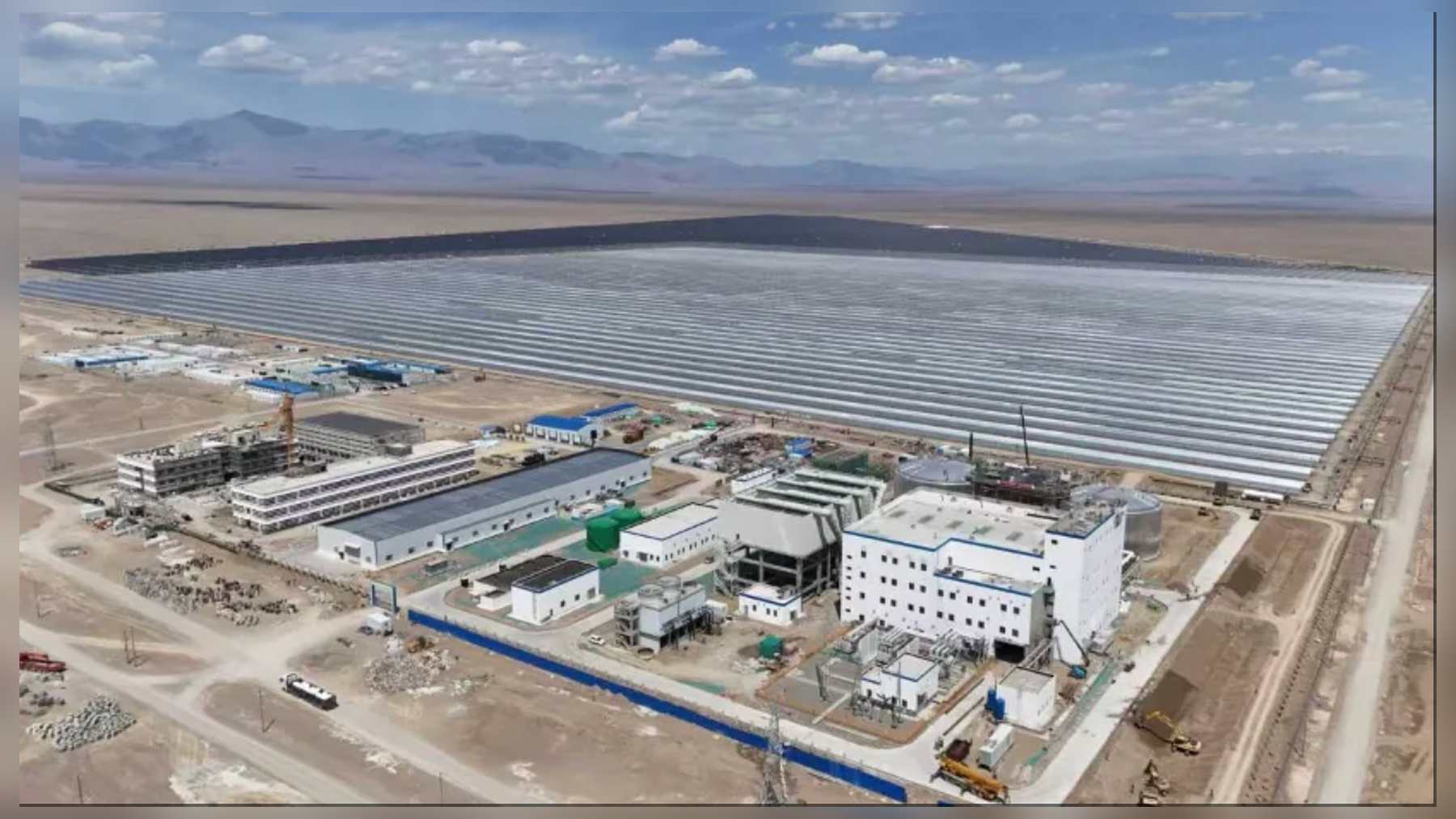
China Three Gorges began commercial trial operation of a 1-gigawatt solar complex in Xinjiang’s Gobi that stores heat in 1,022°F molten salt, and its 100-megawatt thermal unit can generate for eight hours after dark
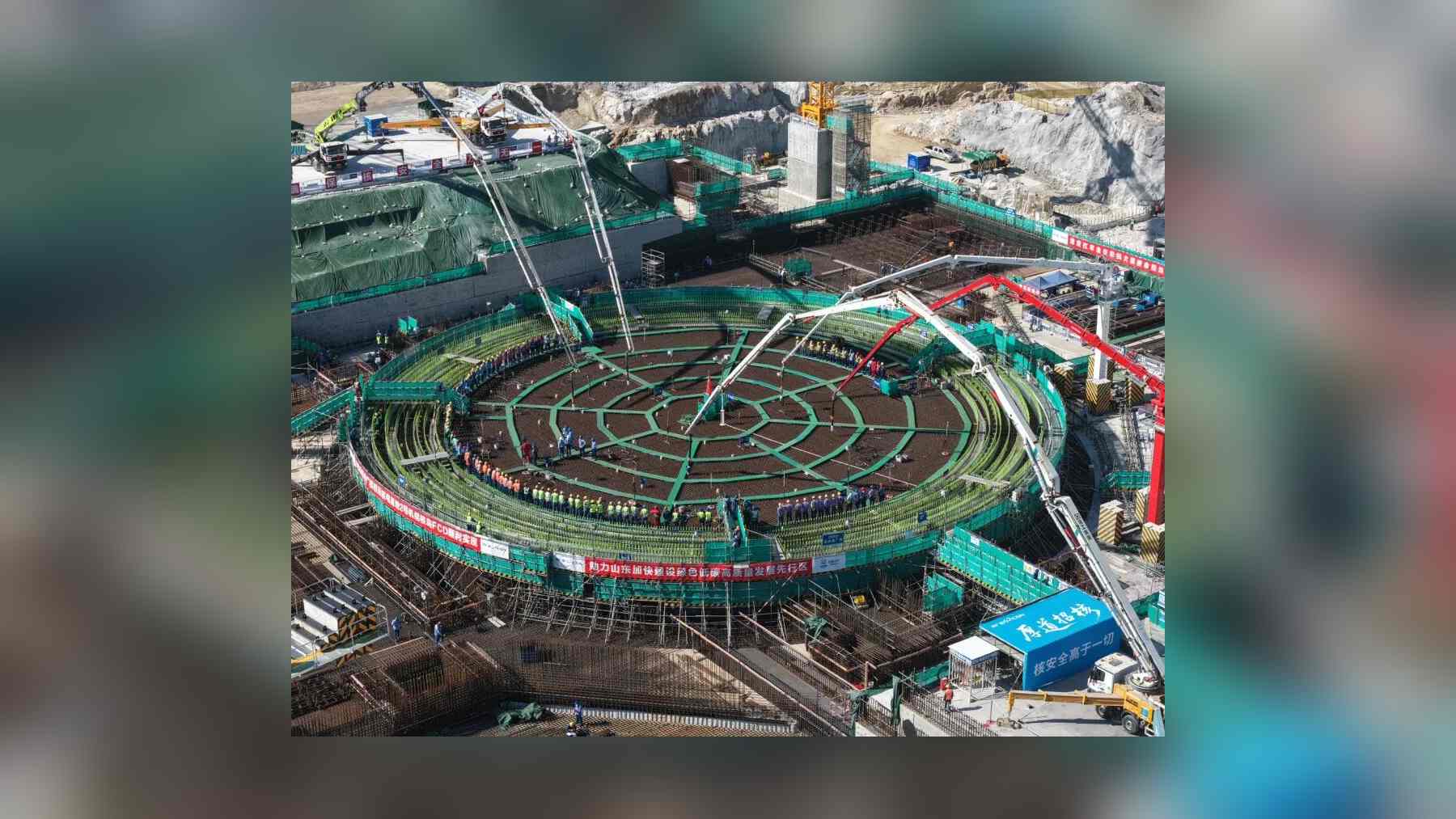
A 60-hour pour of about 311,000 cubic feet of concrete started the second reactor at China’s Zhaoyuan nuclear plant, and each of six planned units will get a 666-foot cooling tower
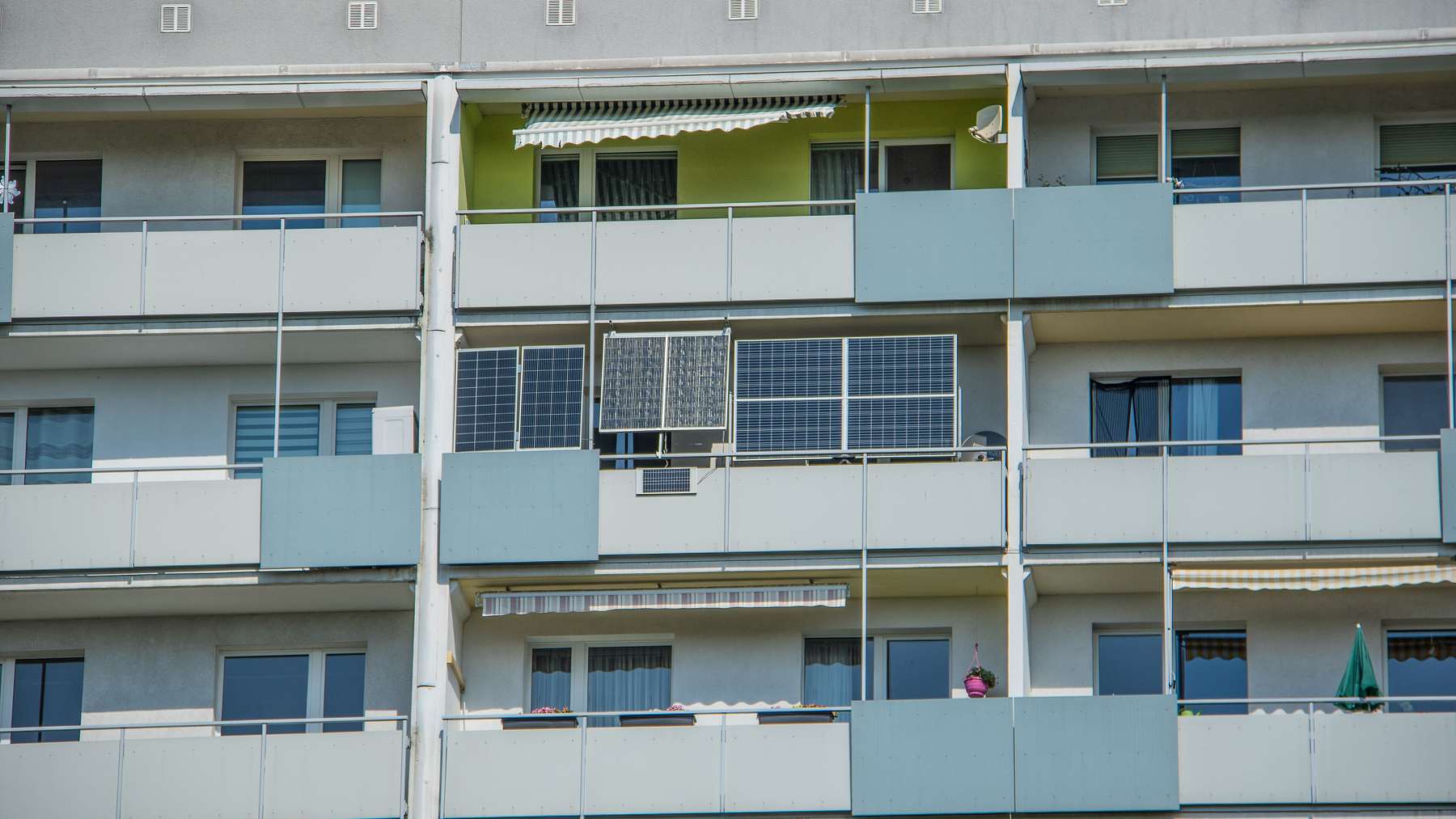
An estimated 4.2 million balcony solar systems are now plugged in at homes and apartments in Germany, and in Croatia the same small kit still needs a certified installer, design documents and paid metering
At Germany’s Karlsruhe Institute of Technology, a prototype cooling system uses heat instead of an electric motor to stretch an ultrathin metal film, and it reached a 4°C temperature difference across the device
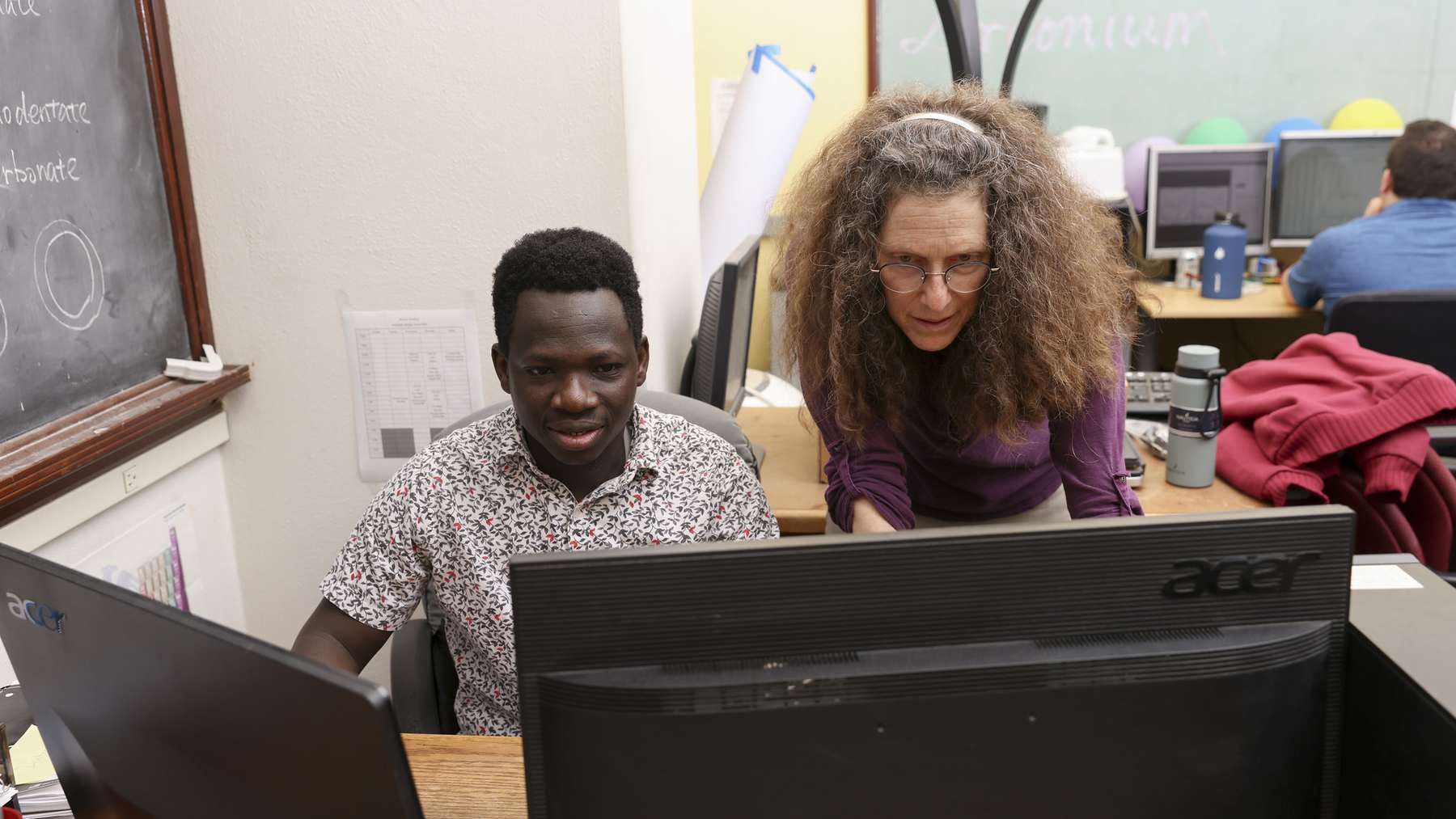
In Corvallis, Oregon, chemists separated zirconium and hafnium in water with choline, a common food additive, reaching a separation factor of 33, and the solvent method used at two U.S. plants scores 6 to 7