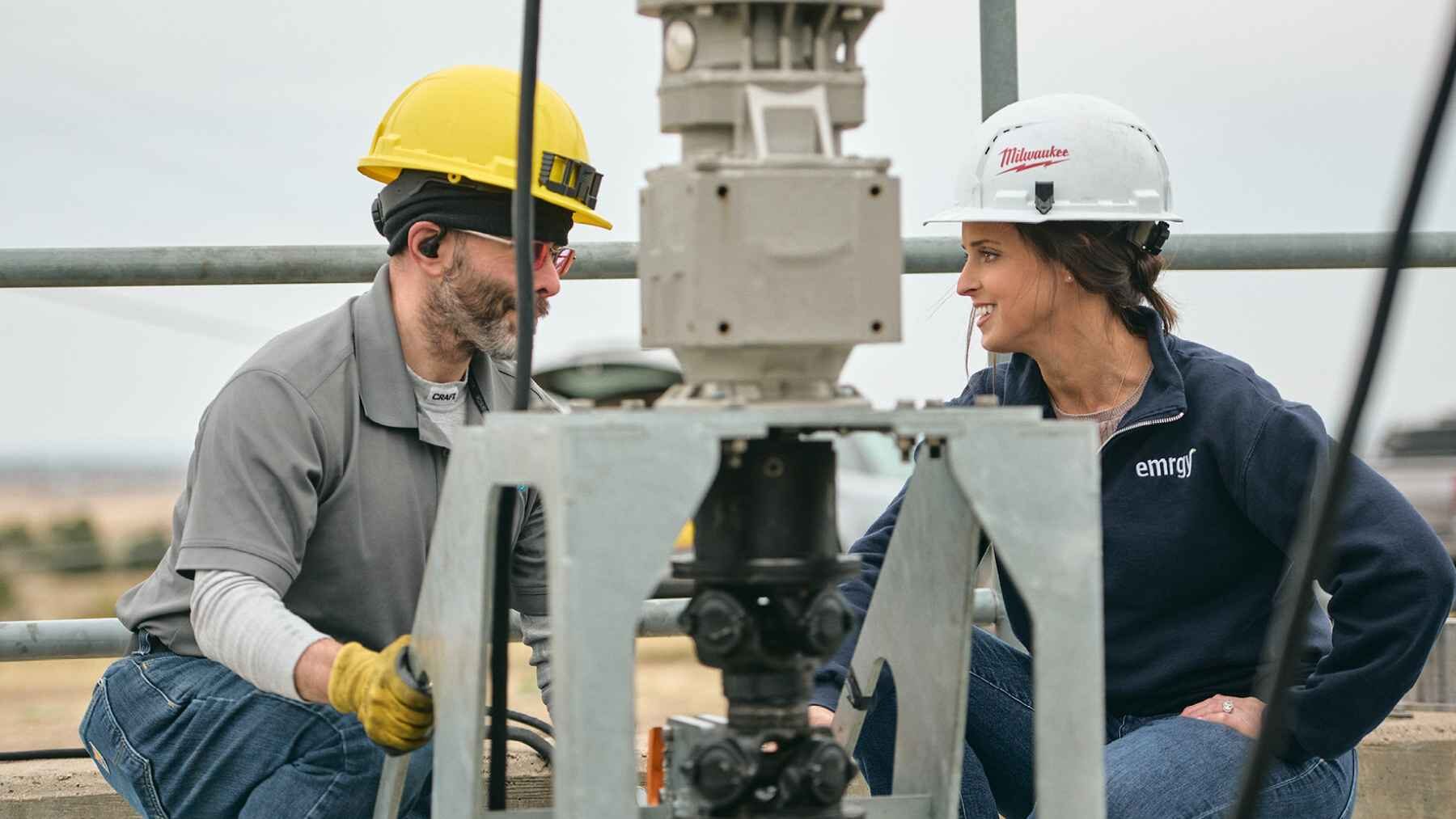
Could a canal carry water and generate clean electricity at the same time, without a new dam or major construction? American inventor Emily Morris and German professor Thorsten Stoesser have developed a modular hydropower system that sits inside existing canals and waterways. It will not replace wind or solar farms, but it could unlock overlooked renewable power from infrastructure already moving water every day.
The European Patent Office named the pair finalists for the 2026 European Inventor Award in May, although Chinese battery-recycling inventors Yu Haijun and Xie Yinghao won the category on July 2. The canal technology still stands out because hydropower remains the world’s largest source of renewable electricity, accounting for about 14% of global generation in 2024. What if some of that power could come from shallow channels instead of giant reservoirs?
How the canal turbine works
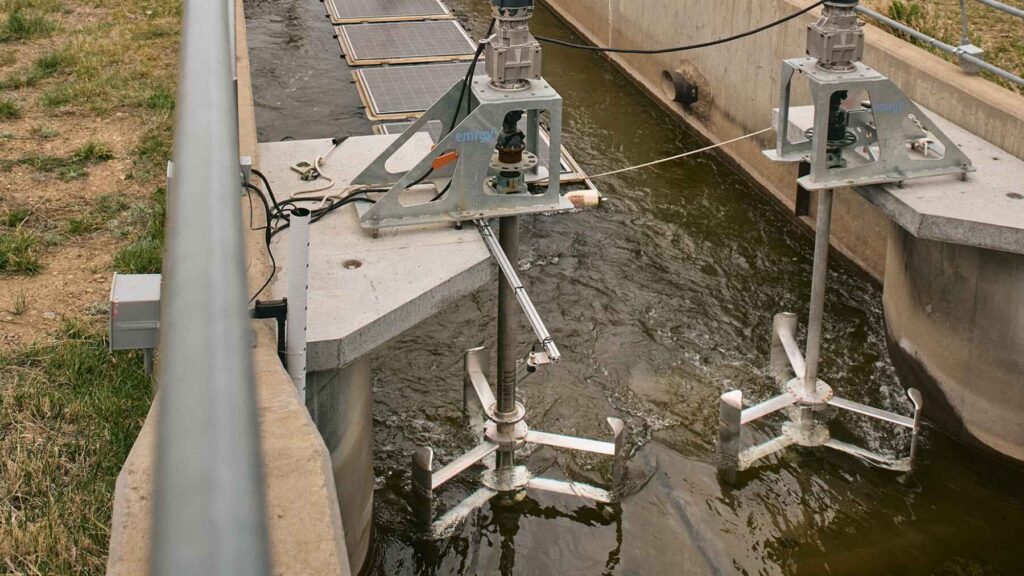
At the center of the design is a Hydro-Transition Unit that redirects and narrows the moving water. This pushes more flow through the turbines at a higher speed, helping the system capture energy where an ordinary small turbine might struggle. In practical terms, the machine shapes the current inside an engineered channel rather than blocking a natural river.
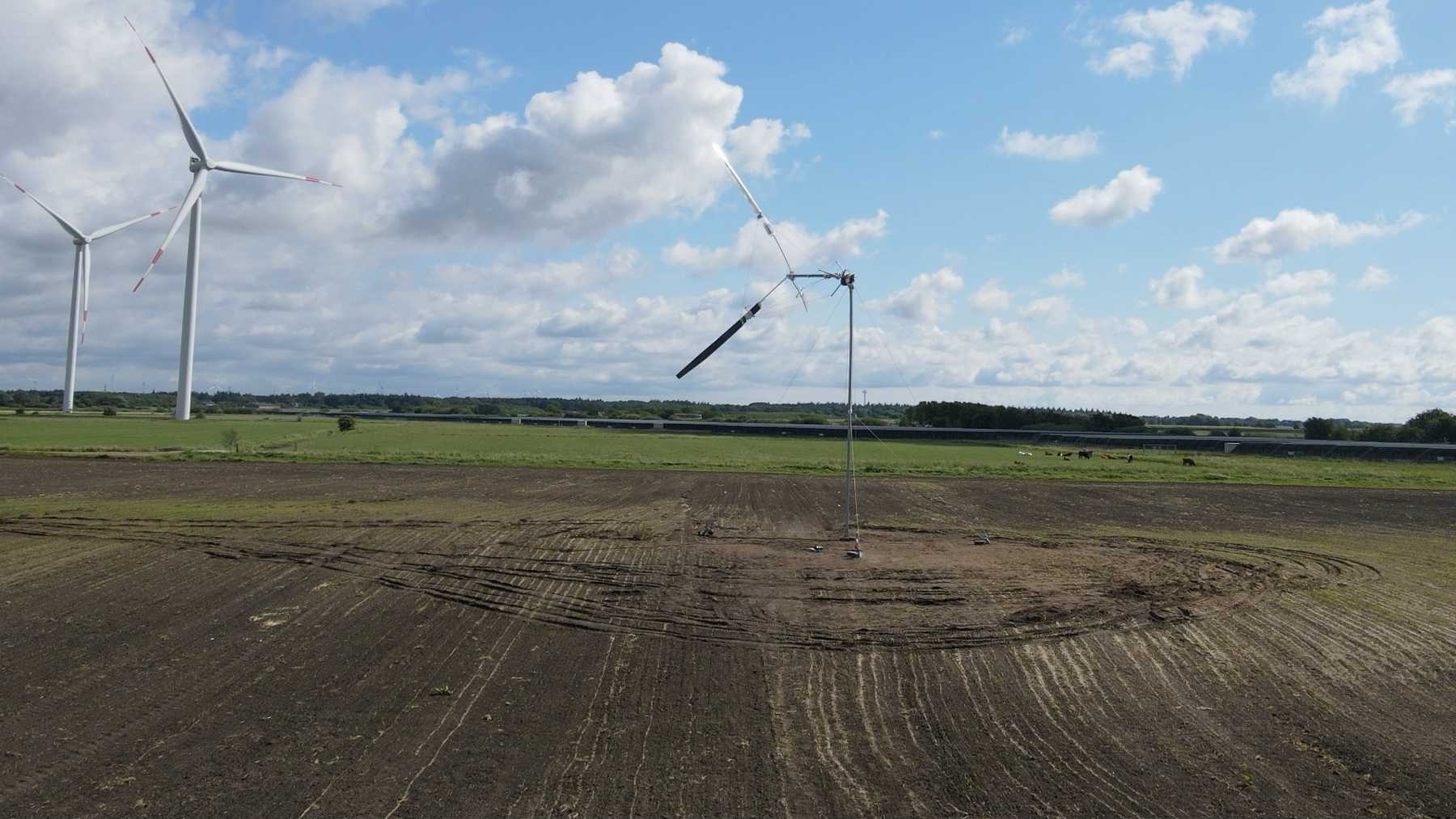
The system uses paired, counter-rotating Darrieus rotors that spin around vertical axes. That layout is designed for shallow canals and changing water levels, and each module typically produces between 5 and 25 kW. Operators can place several modules along one canal and add more over time.
Built for water operators
This is not a backyard generator aimed at individual households. Likely users include irrigation districts, canal authorities, drinking-water systems and wastewater facilities where water already follows a controlled route. The turbine gives that flow a second job, potentially supplying nearby equipment or sending electricity to the grid.
The European Patent Office says Emrgy, the company Morris founded in 2014, has agreements with 48 water and irrigation districts covering roughly 11,800 miles of U.S. canal infrastructure. Standardized components, modular flumes and cassette-style mounts are meant to let crews install or remove units without shutting down water delivery. That matters when farmers, treatment plants and communities cannot simply turn off the tap for maintenance.
Why avoiding a dam matters
Traditional impoundment hydropower stores river water behind a dam and releases it through turbines. That model can deliver enormous amounts of electricity, but it requires major civil works and can transform river habitats, sediment movement and nearby land. The Morris and Stoesser’s design targets human-made waterways, so it may avoid some disruption associated with a new reservoir or diversion.
Still, “dam-free” does not mean impact-free. Any turbine placed in moving water can raise questions about fish, debris, sediment, safety and canal operations, and the official award materials do not provide an independent ecological or full lifecycle assessment. A promising design still needs careful review at every site.
Small modules across a large network
A 5-to-25 kW module falls within the microhydropower range used by the U.S. Department of Energy, which covers systems up to 100 kW. One unit is modest beside a wind farm or utility-scale solar field. The point is aggregation, with many machines distributed along corridors where water keeps moving.
Canal power also has a different rhythm from sunshine and wind. Output depends on water speed, depth and operating schedules, so an irrigation canal may be productive in one season and quiet in another. Where flows are steady, however, local generation could support nearby facilities and reduce the distance electricity must travel.
Germany has limited room for new hydro
Renewables covered 55.1% of Germany’s gross electricity consumption in 2025, yet hydropower supplied only about 6% of renewable electricity and roughly 3% of total generation. Wind and solar now sit far ahead. Large new hydro projects are also difficult to site because suitable locations are limited and river ecosystems require protection.
That is where canal-based generation may find a narrow but useful opening. It could fit controlled waterways serving farms, cities or industry, although success will depend on flow, grid access, permits and costs. The trouble is, even the smartest turbine cannot create water where there is none.
From a small experiment to real canals
The project traces back to 2008, when Stoesser tested hydrokinetic devices at the Georgia Institute of Technology after the Girl Scouts of Georgia asked about power from tidal streams at a coastal camp. Morris was working on heavy-duty naval drivetrain technology and saw a commercial path for similar engineering in shallow water. She founded Emrgy in Atlanta in 2014, followed by testing at a city wastewater plant and later work with Denver Water and the U.S. Department of Energy.
“There is nothing more rewarding than seeing ideas leave the laboratory and make an impact in the world,” Stoesser said. The pair did not win their award category; however, the finalist recognition put a spotlight on a practical middle ground in renewable energy. Sometimes the next power plant may look less like a monumental dam and more like a removable machine beside a familiar concrete channel.
What comete tu?
s next
The strongest test will be performance over years rather than a single demonstration. Water operators will need clear data on annual output, seasonal downtime, maintenance costs, ecological effects and grid-connection expenses. Those figures will decide whether canal turbines become widespread or remain useful in a limited number of locations.
For now, the concept offers a compelling idea. Use the canal that is already there, keep the water moving and collect some of its energy along the way.
The latest official award statement was published on the European Patent Office’s website.