When the sun goes down and the wind dies off, renewable electricity can fall right when people still need it. That gap is one reason engineers keep hunting for sources that can run steadily, even on a calm night.
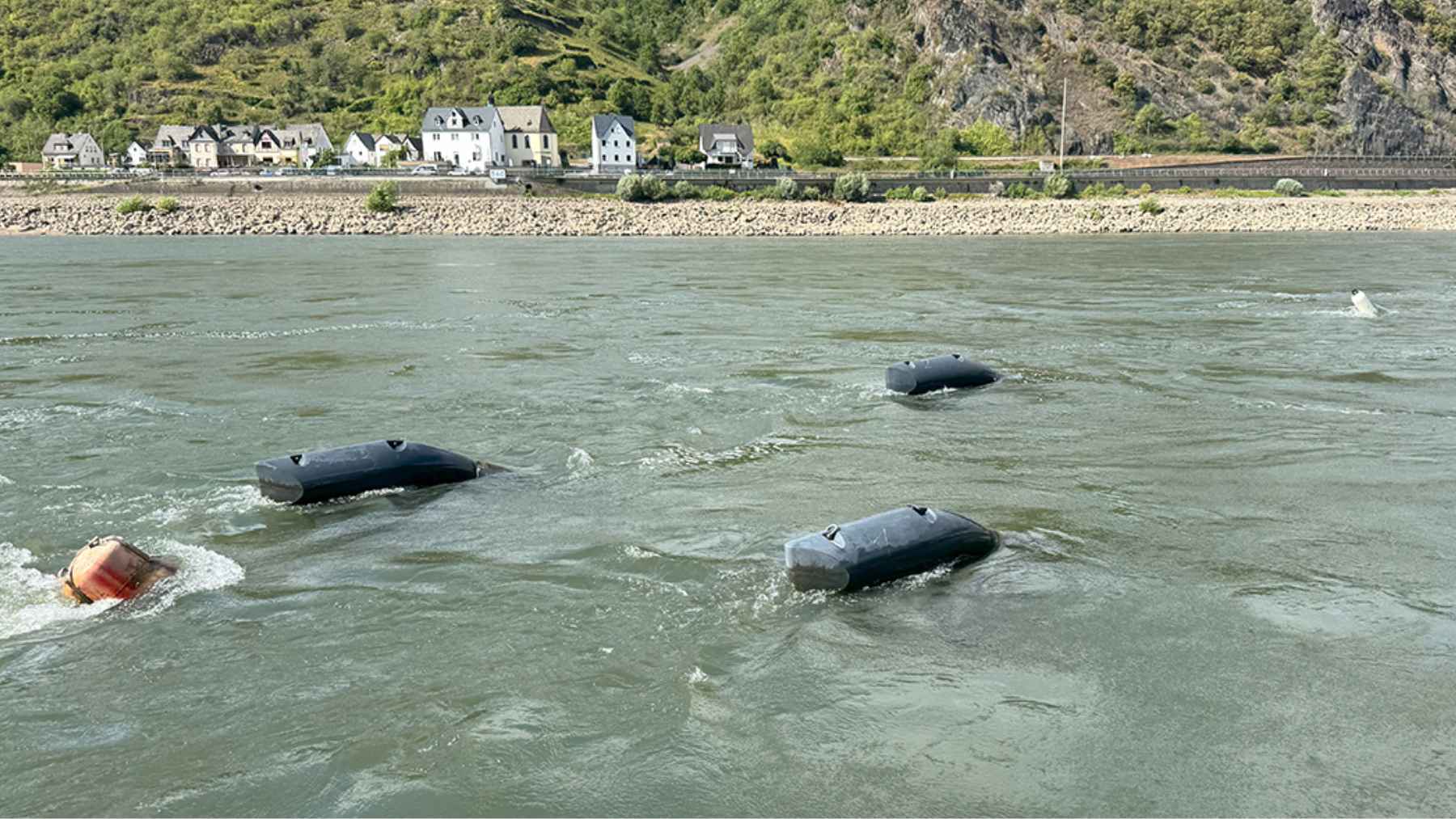
Now, a new project on Germany’s Middle Rhine is betting that constant river flow can help. State officials say the 124-unit build near Sankt Goar is the world’s first fully approved “swarm power plant” of its kind, and the plan is to grow it step by step from the first turbines already in the water. Could a river help cover the hours when solar panels go dark?
What “swarm power” means
A “swarm power plant” is not a single giant structure. It is a group of many small turbines that work together, the way a school of fish moves as one. The goal is to add up lots of modest outputs into something meaningful for the local grid.
This approach falls under hydrokinetic power, which uses the energy in moving water without building a dam. In practical terms, that means no big wall across the river and no large reservoir that changes the landscape.
The permit and rollout plan were outlined in a state press release announcing approval near Sankt Goar. It says three turbines are already operating, with 21 more planned next before scaling up toward the full 124-unit swarm. The same announcement says the mini plants are designed to be barely visible and almost silent once deployed.
A turbine that hides in plain sight
Each unit is called an Energyfish, and it is closer in size to a small car than a traditional power station. The developer, Energyminer, says one turbine measures about 9.2 feet by 7.9 feet by 4.6 feet and weighs roughly 176 pounds, with a maximum output of 6 kilowatts and an average output of 1.8 kilowatts.
Those details come from the company’s Energyfish technical overview, which also describes how the device is meant to behave in rough conditions. The company says, “In the event of high water or ice formation, the Energyfish adapts to the situation by automatically sinking to the riverbed for safety while continuing to generate power.”
That kind of self-protection matters because rivers do not stay polite. Now comes the hard part, proving the machines can keep working through real seasons, not just good weeks.
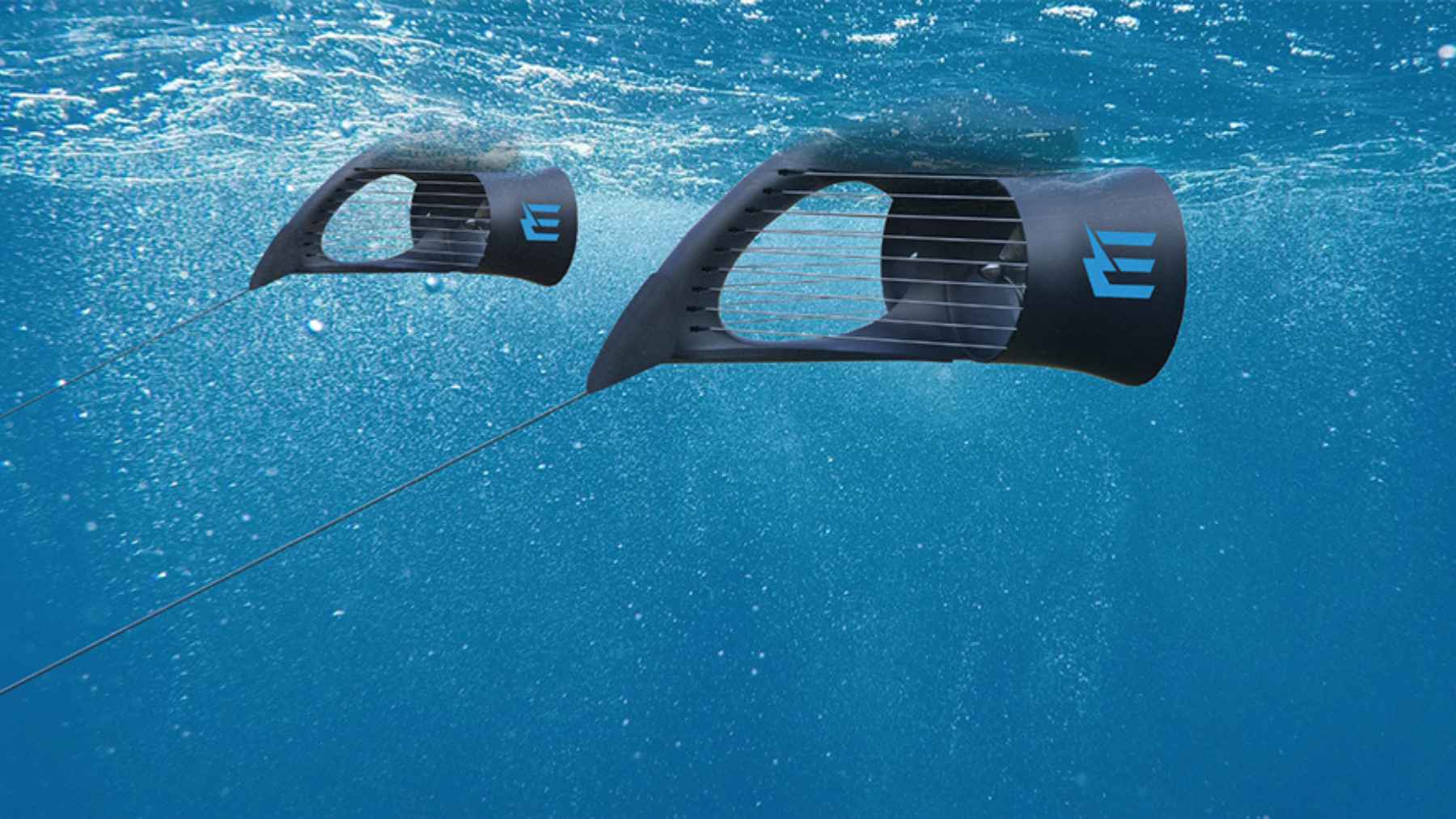
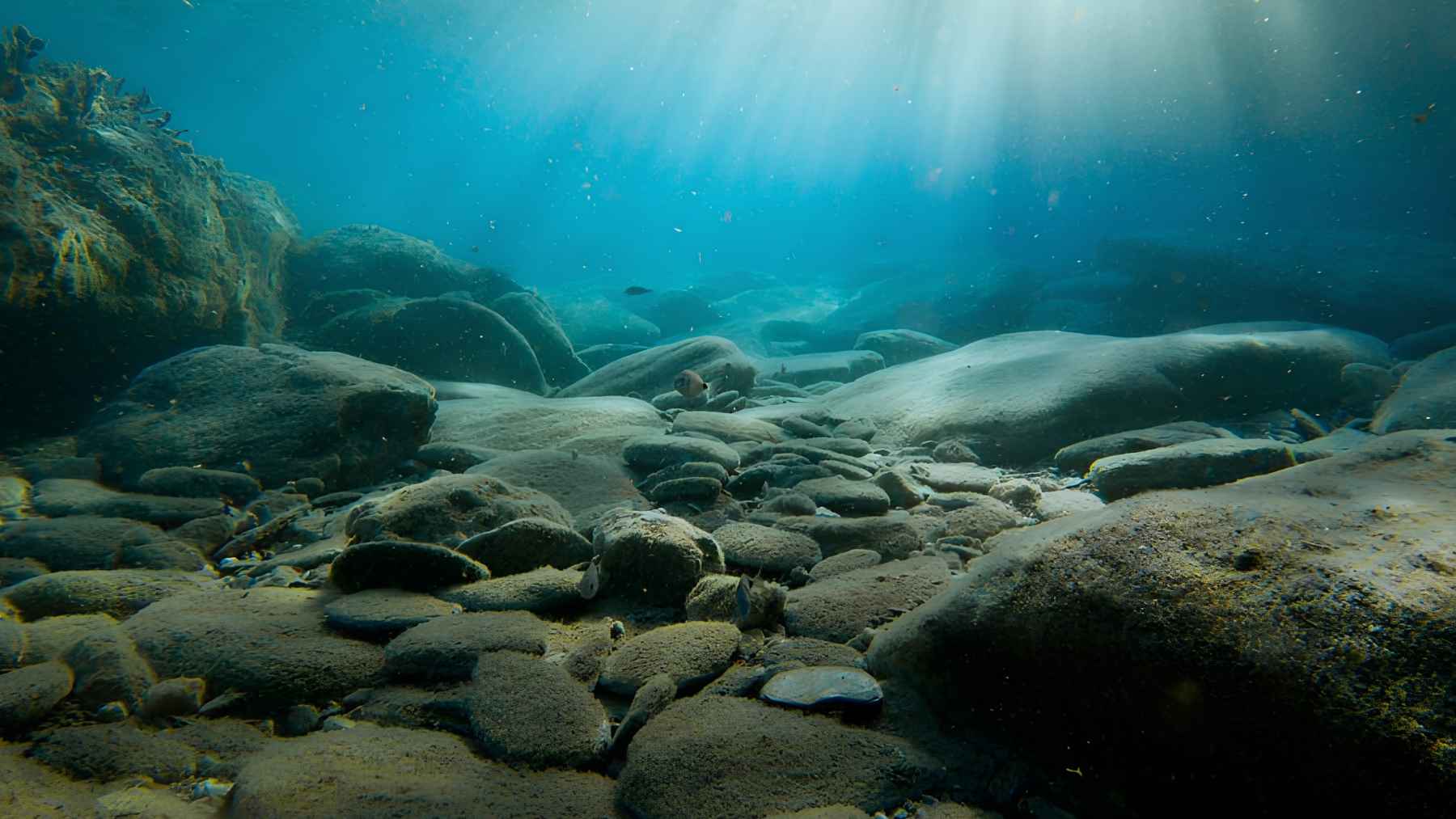
Energyfish turbines operate beneath the surface, capturing steady river currents to generate renewable power in Germany.
Why this stretch of the Rhine
River current turbines need flow, and not all rivers deliver it reliably. The state’s announcement says this part of the Middle Rhine typically reaches about 3.4 to 4.5 miles per hour, which is fast enough to keep rotors turning.
Local geography helps. Narrow valleys can squeeze large volumes of water through tighter channels, making currents more consistent than you might see on a wide, slow river.
There are also real-world limits that have nothing to do with physics. Any site has to live alongside shipping, protected habitats, and day-to-day river management, which is why only some stretches are realistic candidates.
How much electricity could it produce
The headline number is the planned swarm size, 124 turbines. But the more useful yardstick is energy over time, since steady output is the whole point of using a river current.
State officials say 100 units could produce about 1.5 gigawatt-hours per year, which is 1.5 million kilowatt-hours. They estimate that amount could supply about 400 to 500 four-person households, and the full Sankt Goar buildout could cover more than 460 households.
Officials also expect the cost of the electricity to be in the same range as wind and solar, but the real test will be long-term operation.
The state also points to climate impact, estimating the project could avoid about 545 metric tons of carbon dioxide based on a 2024 reference value from Germany’s Federal Environment Agency. Converted to US units, that is roughly 601 short tons, although the real figure will depend on what electricity the project displaces on the grid.
The fish question and what scientists tested
Hydropower has a long history of environmental tradeoffs, especially for fish. Dams can block migration routes, and fast-spinning blades can injure animals that pass through turbines, so skepticism comes with the territory.
Supporters of the swarm model argue it is different because it does not require a river backup. The state announcement highlights that the system is designed to avoid creating an impassable barrier for migrating fish species in the Middle Rhine.
To check those claims, researchers at the Technical University of Munich laid out an Energyfish research project description focused on potential effects during turbine passage and on fish behavior around the devices. Their methods include sensor fish measurements, sonar observations, and underwater video.
Why energy planners are watching
Even if the Rhine project works as intended, it will not replace wind farms or large solar fields. Still, a steady stream of electricity can matter, especially for local grids that feel every lull in generation.
This is also part of a broader push to use moving water in more flexible ways. The US Department of Energy notes that marine energy can come from waves, tides, and river currents, and the big challenge is delivering reliable power without creating new environmental damage.
For the startup leading the buildout, Sankt Goar is meant to prove that the technology scales outside a small pilot. Co-CEO Richard Eckl called the site “our Proof of Scale,” while the state’s climate and environment minister, Katrin Eder, said the goal is affordable energy that does not harm climate or nature.
The main official press release has been published by the Ministry for Climate Protection, Environment, Energy and Mobility of Rhineland-Palatinate.