
ECONEWS
A whale as long as a city bus can race through the ocean, but NOAA’s 212 strandings reveal a hidden coastal danger
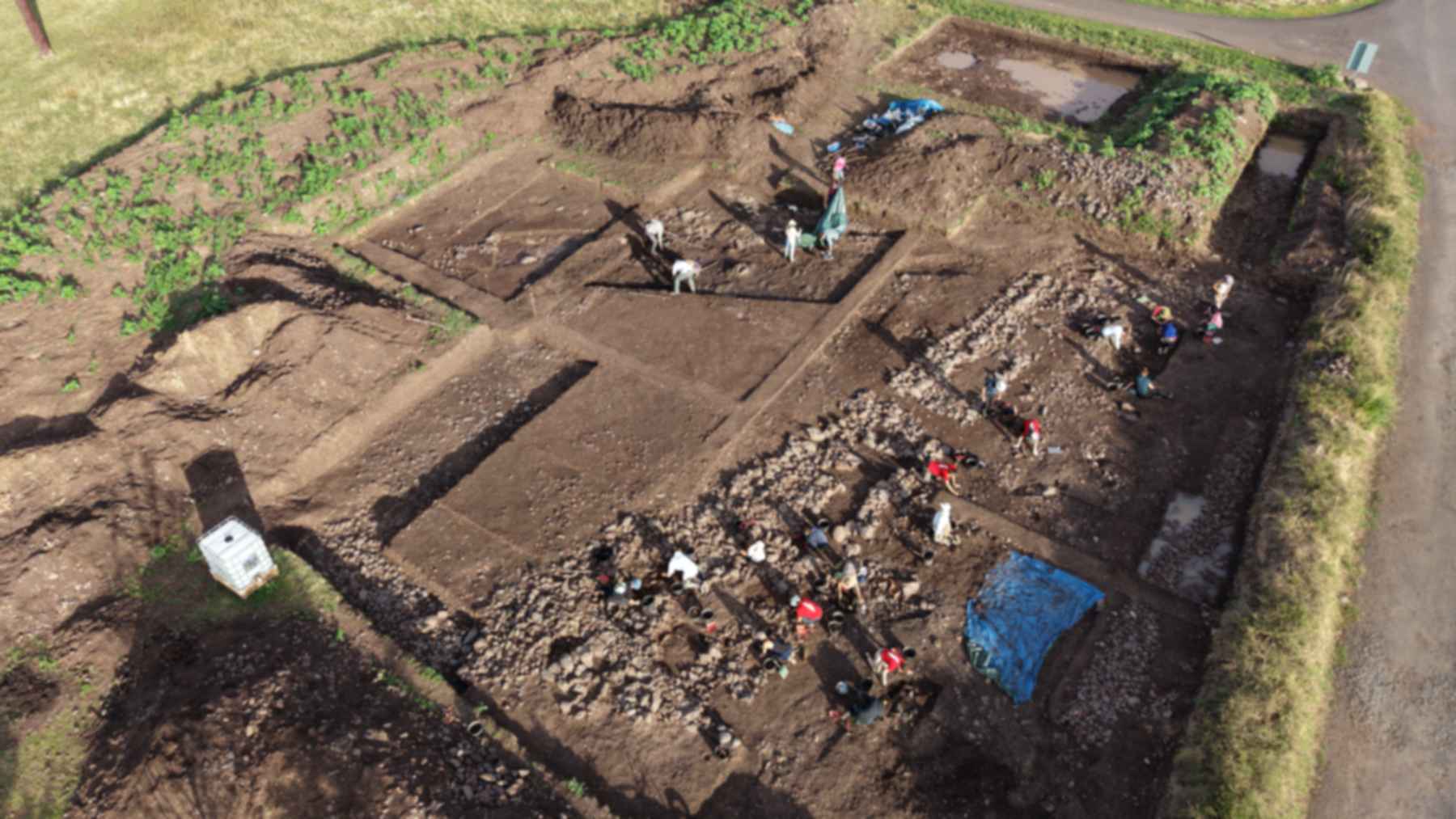
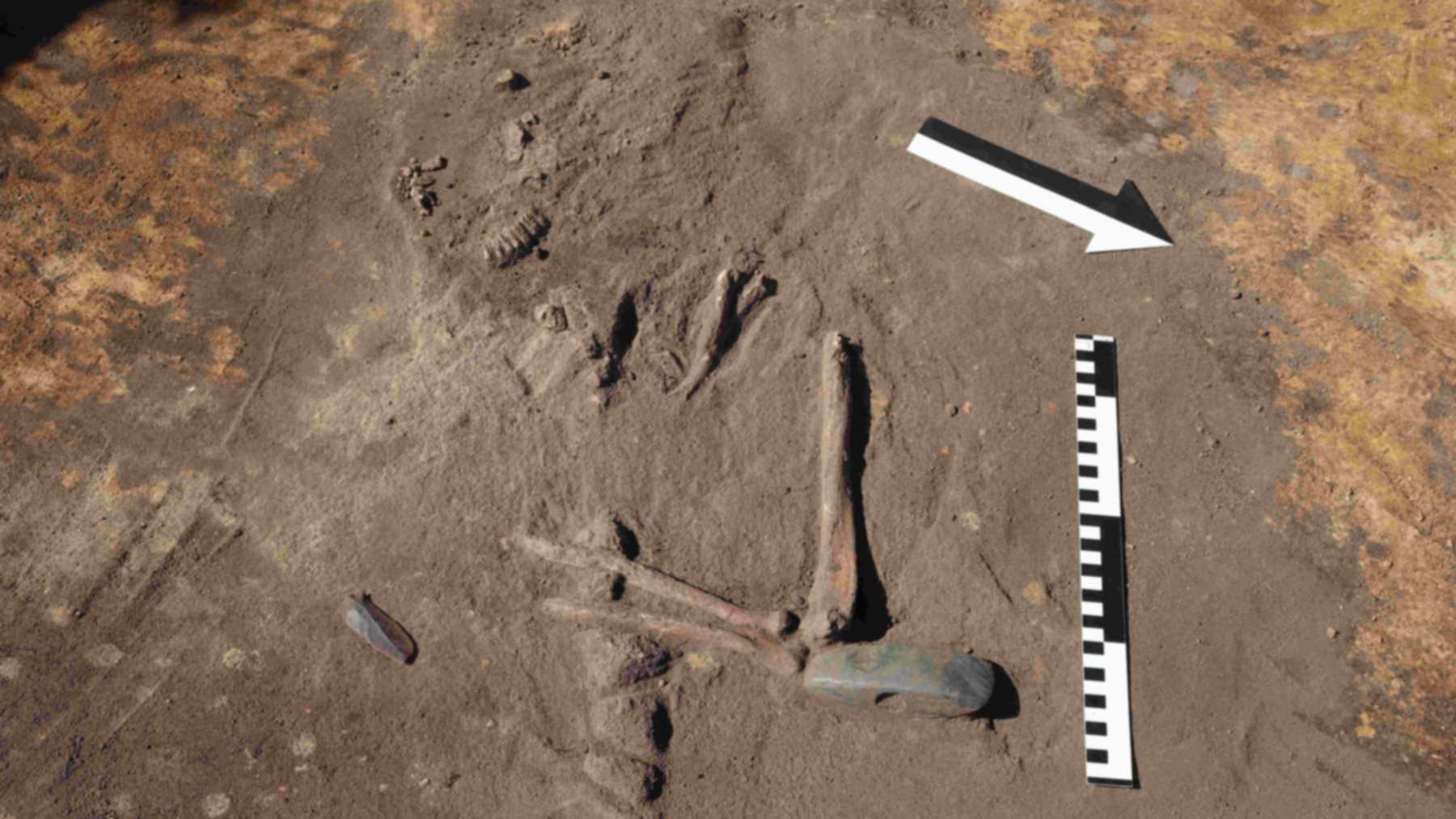
Archaeologists uncovered eight 8,000-year-old storage pits in Spain, but the deeper layers held an even rarer surprise, remarkably preserved traces of the last hunter-gatherers who lived there just before farming transformed the region
A new reactor turned bottles, bags and car plastics into hydrogen, and the carbon problem stayed trapped in solid material
Willow branches became rivers and canoes in Truman Lowe’s hands, and a Washington exhibition shows why his art still feels alive
A Portland power project could remove 376 trees from Forest Park, and the deal meant to save the grid has split conservation groups
Arizona covered a desert canal with 2,556 solar panels, and the first U.S. pilot is testing whether expensive shade can save water
NASA still has no year for the first human Mars landing, and the missing date reveals why the real countdown has not begun
A zircon grain found in Western Australia’s Jack Hills is 4.4 billion years old, making it the oldest known terrestrial mineral grain
Engineers drove enormous steel foundations directly into bare Atlantic sand to hold offshore wind turbines upright, and what happens around those artificial structures afterward is changing the seabed in ways nobody designed them for
Scientists spent years testing a phenomenon researchers thought they understood, but the results revealed an unexpected mechanism hiding underneath and raised new questions about how the system actually works
It had been standing beside a backyard fence for years looking like an ordinary part of the property, but when someone finally investigated what it was doing there the answer turned out to be far stranger than expected
Ford covered the roof of its enormous Rouge factory with living plants instead of conventional roofing, and years later the industrial site has become an unlikely habitat for birds above one of America’s most famous car plants
Scientists opened a window into life more than 500 million years ago with an unusually preserved Cambrian fossil, and one tiny anatomical detail may help explain how a major feature of modern animals first appeared
Florida’s Turkey Point nuclear plant became a refuge for American crocodiles, but its 168 miles of cooling canals left a salty problem underground
About seven young lions surrounded a massive hippo at a Botswana waterhole and even chased it into the water, but one intimidating turn from the several-ton animal was enough to make the entire pride reconsider its plan
Scientists examined an ancient oyster with strange tooth-like structures and discovered that the tiny fossil was preserving a chapter from millions of years ago when mollusks spread across what would eventually become Chesapeake Bay
America’s bald eagle looks like one of nature’s most familiar birds, but its enormous nests, surprising swimming ability and strange everyday behaviors reveal an animal far more unusual than the national symbol suggests


