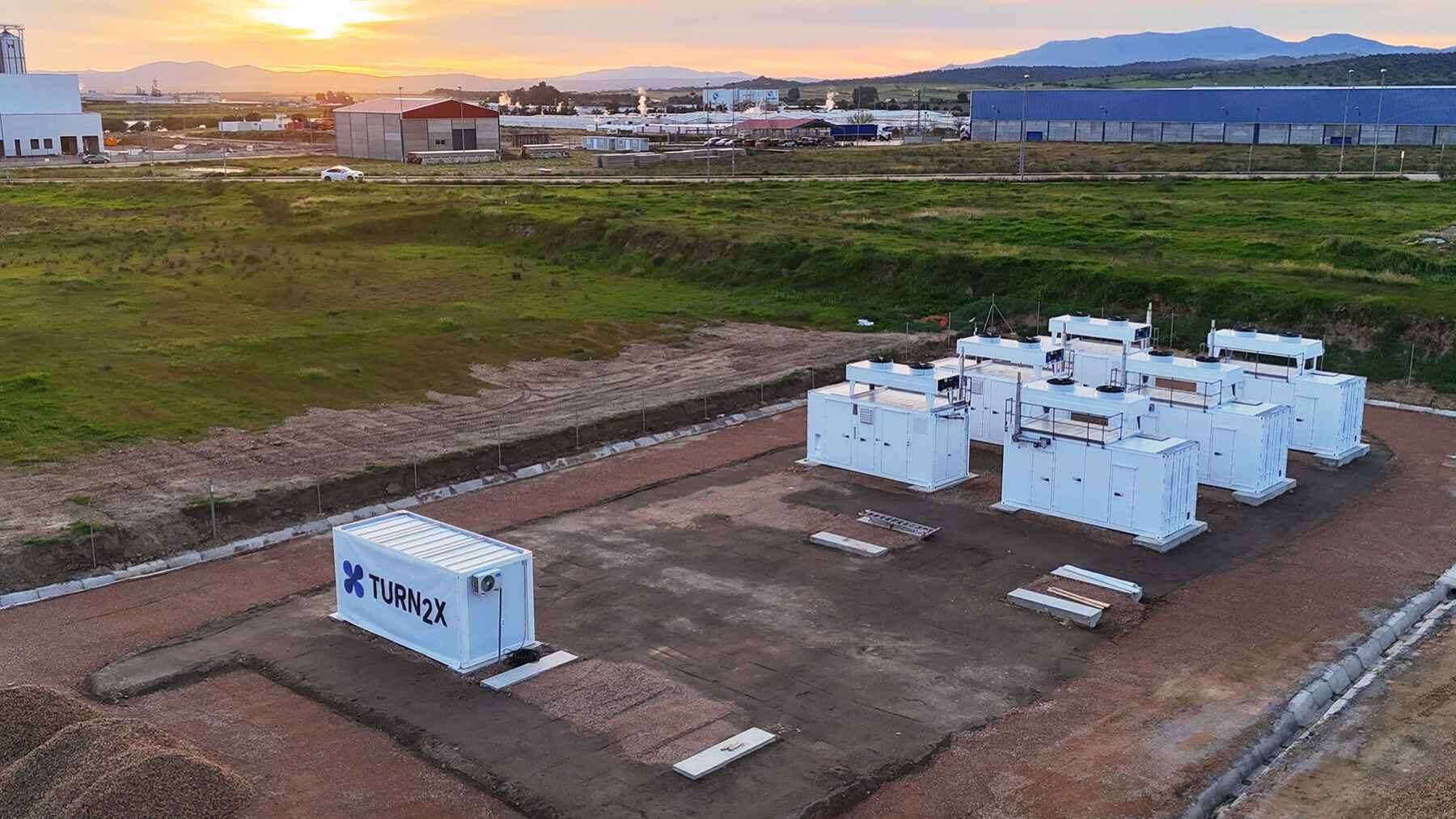
A small town in western Spain has turned a big energy idea into a working plant. In Miajadas, in the Extremadura region, engineers are making renewable natural gas from green hydrogen and captured carbon dioxide, then sending it into the kind of network that already carries conventional gas. That is the part that makes this more than another lab demo.
The main conclusion is simple. Europe may not have to choose only between fossil gas and rebuilding its energy system from zero. For the most part, this project is about making a familiar molecule in a cleaner way, so factories, ships, and local gas networks can start changing without waiting for every pipe and burner to be replaced.
A small town becomes a test case
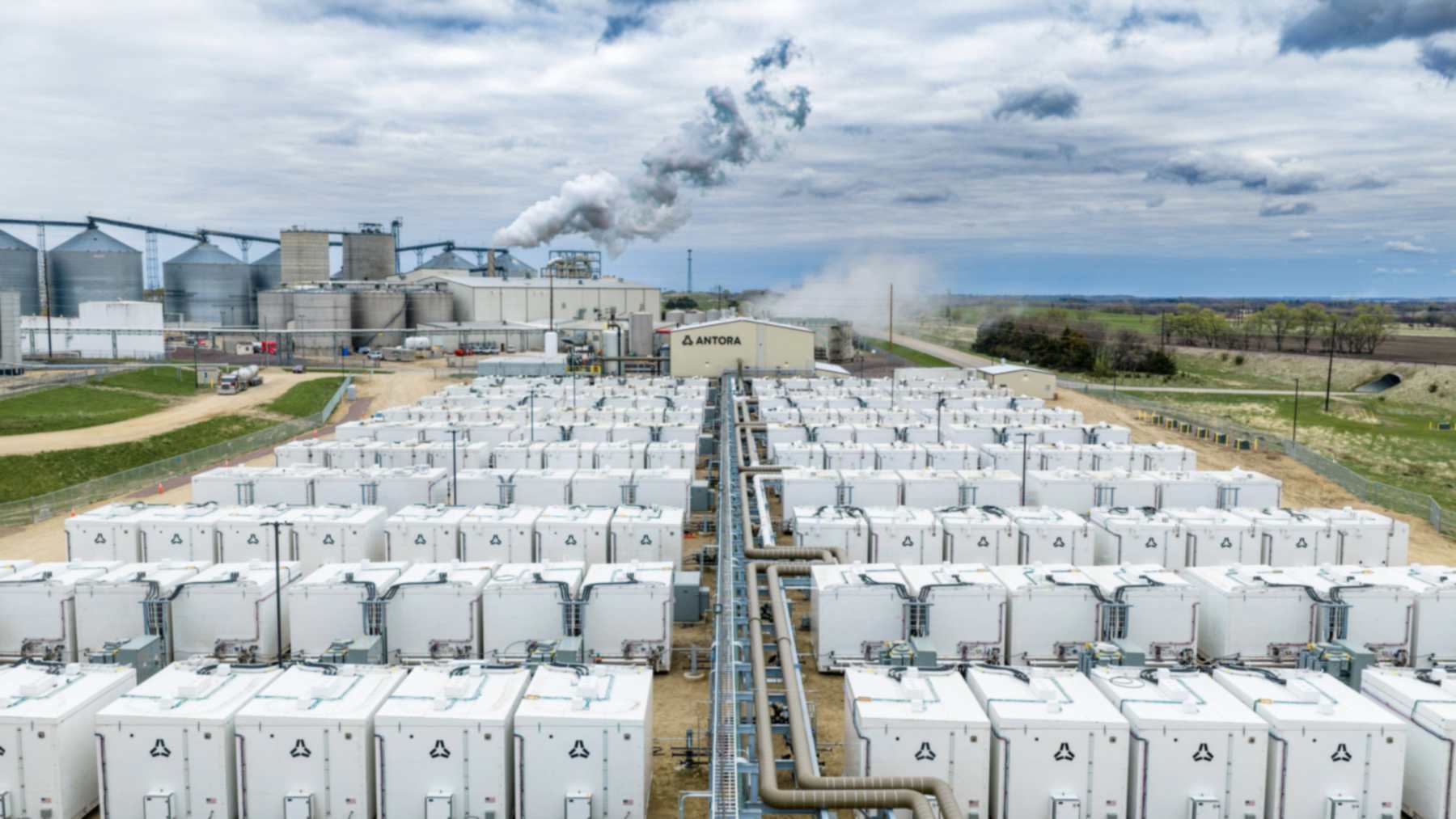
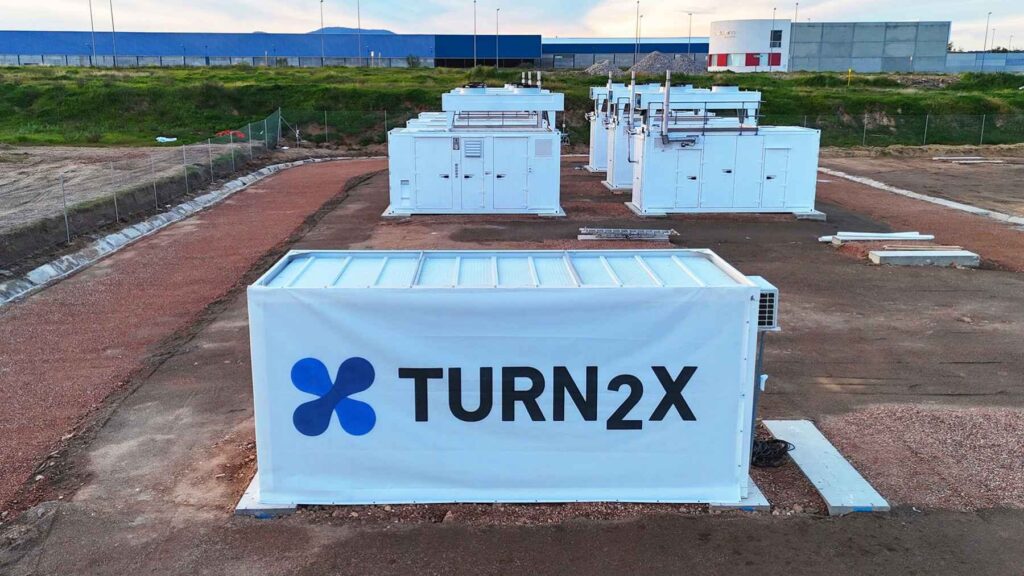
The plant belongs to German clean-energy company Turn2X, which launched its first commercial site in Miajadas in 2024. The company says the facility has 1 megawatt of electrolyzer capacity and has sold all of its renewable natural gas output through long-term purchase contracts.
Local authorities treated the project as a legal and technical first for Spain. The Junta de Extremadura said in April 2025 that it had authorized the country’s first project to obtain hydrogen through power-to-gas technology, with the resulting synthetic methane planned for injection into the Gas Extremadura distribution network.
How the gas is made
Power to Gas sounds abstract, but the basic idea is easy to follow. Renewable electricity is used to split water, which releases hydrogen. That hydrogen is then combined with biogenic carbon dioxide, meaning carbon dioxide from biological sources rather than newly drilled fossil fuels.
The final step is known as the Sabatier reaction. In plain English, it rearranges hydrogen and carbon dioxide into methane, the main ingredient in natural gas. That is why the finished fuel can move through existing gas pipes instead of waiting for a brand-new energy network.
Why the pipeline matters
The pipeline is the real story here. Gas Extremadura says green gas made through hydrogen methanation is already being injected into its distribution network after quality controls, alongside conventional natural gas. That may sound like a small operational detail, but it is the bridge between a clever plant and real-world energy use.
For families and small businesses, the point is not a shiny new machine on the wall. The distributor says customers do not need to change home equipment, which matters when energy plans often sound like expensive renovations.Effectively, the gas meter can stay boring, and sometimes boring is exactly what makes a transition work.
Europe is paying attention
Brussels has now put money behind the idea. In the third European Hydrogen Bank auction, the European Commission selected the T2X project in Spain for a planned 9 megawatts of electric capacity and about 7,040 U.S. tons of renewable hydrogen over its first 10 years.
The fixed premium works out to about 32 cents per pound of certified hydrogen, based on the official bid and the European Central Bank euro-dollar reference rate on July 6, 2026. Across the same auction, selected projects are expected to install almost 1.1 gigawatts of electrolyzer capacity, produce more than 1.4 million U.S. tons of hydrogen in a decade, and avoid nearly 9.9 million U.S. tons of carbon dioxide equivalent emissions.
Hard industries need options
The target is not just the home stove. Axpo Iberia says this kind of renewable methane can help hard-to-electrify sectors such as ceramics, steel plants, and maritime transport. These are places where constant heat, long operating hours, port congestion, noise, exhaust fumes, and fuel storage make the simple switch-to-batteries story much harder.
The same agreement says the company will supply renewable electricity generated by Aquila Clean Energy to operate the electrolyzer. Philip Kessler, the developer’s CEO, said the project shows how “modular and flexible technology can be deployed much more quickly than traditional mega-plants.”
Why Extremadura fits
Extremadura was not picked at random. A 2026 analysis by the Extremadura Energy Agency found that the region’s solar generation, land and water resources, and the future H2Med corridor give it a strong position for green hydrogen and low-carbon gases. That matters because green hydrogen still needs a lot of clean electricity.
There is a rural angle, too. The same analysis points to biogas and biomethane potential linked to farm, livestock, and food-industry waste. Instead of treating every waste stream as a problem, projects like this try to turn some of that carbon into a feedstock for cleaner fuel.
The hard part starts now
None of this means Europe has solved its gas problem. Green hydrogen remains costly, large electrolyzers demand major amounts of electricity, and the wider market still needs rules, transport links, storage, and steady industrial demand. The trouble is, the clock is moving faster than politics.
Still, the Miajadas project changes the conversation. It shows that renewable natural gas can be produced outside the lab, checked for quality, and moved through an existing network. Ultimately, that is the compass this technology is offering Europe, not a magic fix, but a practical route through infrastructure it already has.
The official project information has been published by the European Commission.