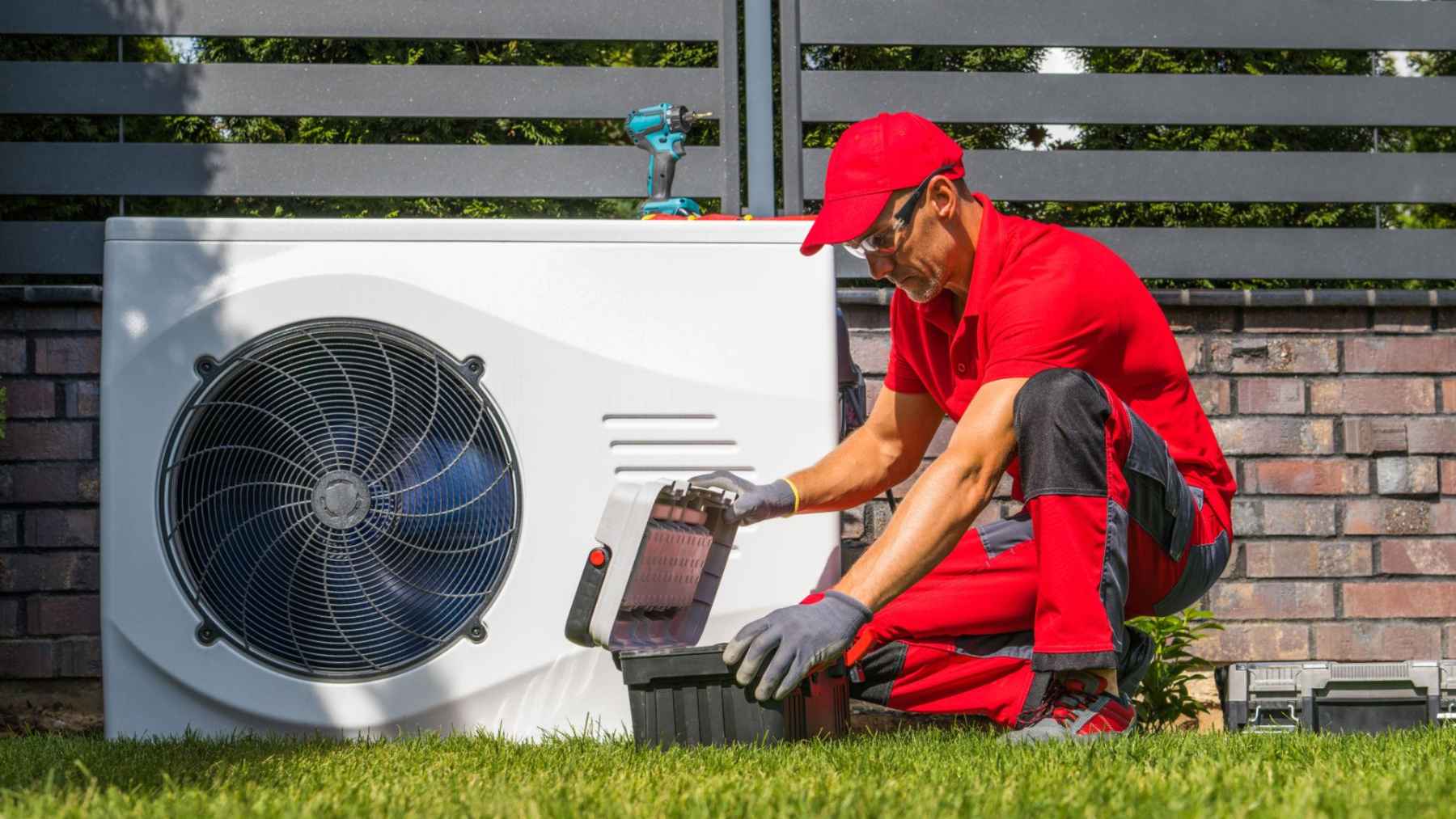
Gas heaters are no longer the automatic choice for new homes in several major markets. New York has written all-electric building rules into law, Germany has spent the past few years pushing heating systems away from fossil fuels, and heat pumps are quickly becoming the technology most often mentioned as the replacement.
But the story is not as simple as “gas is banned everywhere.” New York’s rollout has been delayed by litigation, and Germany’s latest government move would loosen a strict renewable-heating rule. Still, the direction is hard to miss. Buildings are being pulled into the climate fight, and the humble home heater is suddenly at the center of it.
Gas heaters face new pressure
For years, gas heating was treated as reliable, familiar, and relatively cheap. Then energy prices surged, climate targets tightened, and governments began looking at buildings as a major source of carbon pollution.
In New York, the All-Electric Buildings Act was designed to require most new buildings of seven stories or fewer to use electric heat and appliances starting in 2026, with taller residential buildings and smaller commercial buildings following in 2029.
Existing buildings are not covered by that requirement, and the law includes exemptions for some uses such as restaurants, hospitals, factories, agricultural buildings, and emergency backup systems.
There is a catch, though. In November 2025, New York agreed through a federal court stipulation to delay implementation while an appeal proceeds, meaning enforcement is paused for now. That delay does not erase the policy, but it shows how messy the transition can become when climate rules meet housing costs, grid questions, and courtroom fights.
Germany’s heating fight has changed
Germany was one of the clearest examples of Europe’s push to move homes away from fossil fuels. Under the country’s Buildings Energy Act, new heating systems in new development areas from January 1, 2024, had to be based on at least 65% renewable energy, while other buildings had longer transition periods tied to local heat planning.
That rule helped make heat pumps a household political topic, not just an engineering choice. For many homeowners, the question became practical and immediate. What happens when the old boiler fails, and what will the next system cost?
Now Germany’s government is trying to change course. A new building modernization proposal approved by the cabinet would remove the uniform 65%renewable requirement and allow owners to choose among heat pumps, district heating, hybrid systems, biomass, gas, and oil systems, while still keeping support for heat pumps.
Why heat pumps keep winning attention
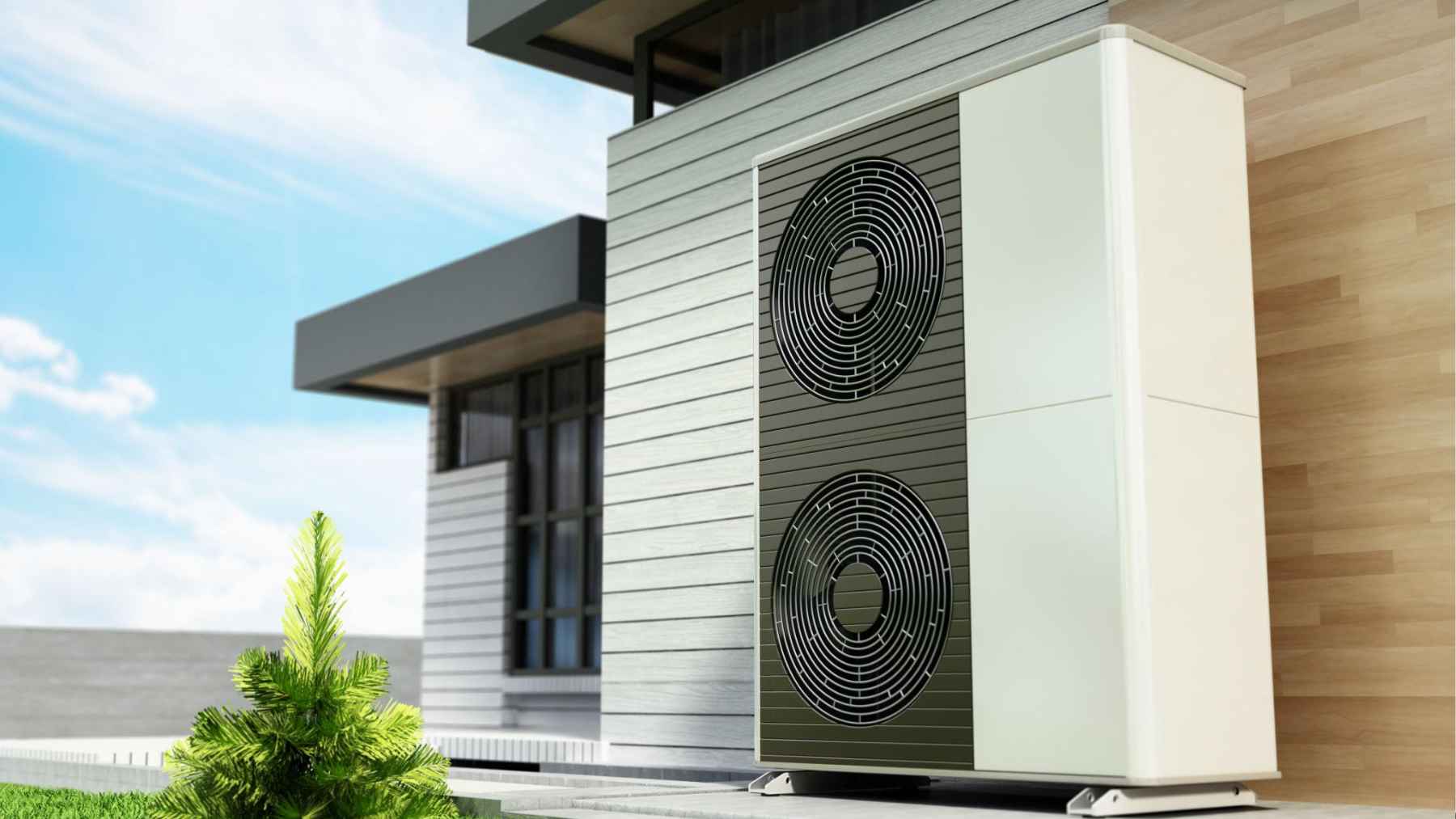
A heat pump does not create heat the same way a gas boiler does. Instead, it moves heat from outside air, the ground, or water and upgrades it for indoor heating, hot water, and sometimes cooling.
That simple idea changes the math. The International Energy Agency (IEA) says heat pumps currently on the market are three to five times more energy efficient than natural gas boilers, largely because they transfer heat rather than produce it only through combustion.
In practical terms, that means a well-designed system can deliver several units of heat for every unit of electricity it uses. For families watching the electric bill, that difference matters. So does the fact that many heat pumps can cool a home in summer, which is not a small bonus when that sticky heat arrives and the old air conditioner is already struggling.
The upfront cost problem
This is where the clean-heating story gets more complicated. Heat pumps often cost more to buy and install than conventional gas systems, especially in homes that need electrical upgrades, new radiators, or better insulation.
The IEA notes that air-to-air heat pumps can typically cost several thousand dollars to purchase and install, while some air-to-water models remain two to four times more expensive than gas boilers in many major heating markets. That is why incentives, rebates, and low-interest financing can decide whether a household sees electrification as realistic or out of reach.
Still, higher upfront costs do not tell the whole story. Over time, heat pumps can reduce fuel-price exposure, lower monthly operating costs in many homes, and cut the risks linked to gas leaks or carbon monoxide. It is not glamorous. It is planning.
Cleaner buildings need stronger grids
Heat pumps are not just appliances. They are part of a bigger shift toward electric homes, rooftop solar, batteries, smart thermostats, and stronger local grids.
That means builders have to think earlier. A new home designed for electric heating, water heating, cooking, and vehicle charging needs the right wiring and panel capacity from the start. Waiting until after construction can turn a clean upgrade into an expensive renovation.
On the other hand, electrification can make homes easier to integrate with solar panels and future energy-management systems. At the end of the day, what these policies are trying to do is move buildings away from fossil fuel hookups before they lock in decades of emissions.
A global trend with local friction
The same debate is spreading beyond Europe and the United States. The supplied market brief points to Brazil’s growing interest in inverter technology, high-efficiency equipment, and stronger electrical infrastructure for new construction, especially as builders look for systems that use less energy and fit future sustainability standards.
That does not mean every country will follow the same path. Warm climates, cold climates, apartment towers, rural homes, and industrial buildings all need different solutions. A heat pump in New York is not the same project as a heat pump in São Paulo.
But the pattern is clear enough. Governments may argue over deadlines, courts may delay enforcement, and homeowners may worry about installation costs. Even so, the old idea that gas heating is the default option for every new building is fading.
The official statement was published on Bundesregierung.de.