The humble brick may be about to get a cleaner future. In Denton, Greater Manchester, Wienerberger UK & Ireland has secured government-backed funding to convert existing brick kilns from natural gas to 100% green hydrogen, a move the company says will create the world’s first commercial-scale hydrogen-fired brick plant.
That matters because bricks are not just shaped clay. They are baked at high heat, usually with fossil fuels, and that makes the construction materials industry a tough corner of the climate puzzle. The striking part here is not only the hydrogen, but the fact that the company plans to retrofit what is already there instead of starting from scratch.
A kiln that leaves gas behind
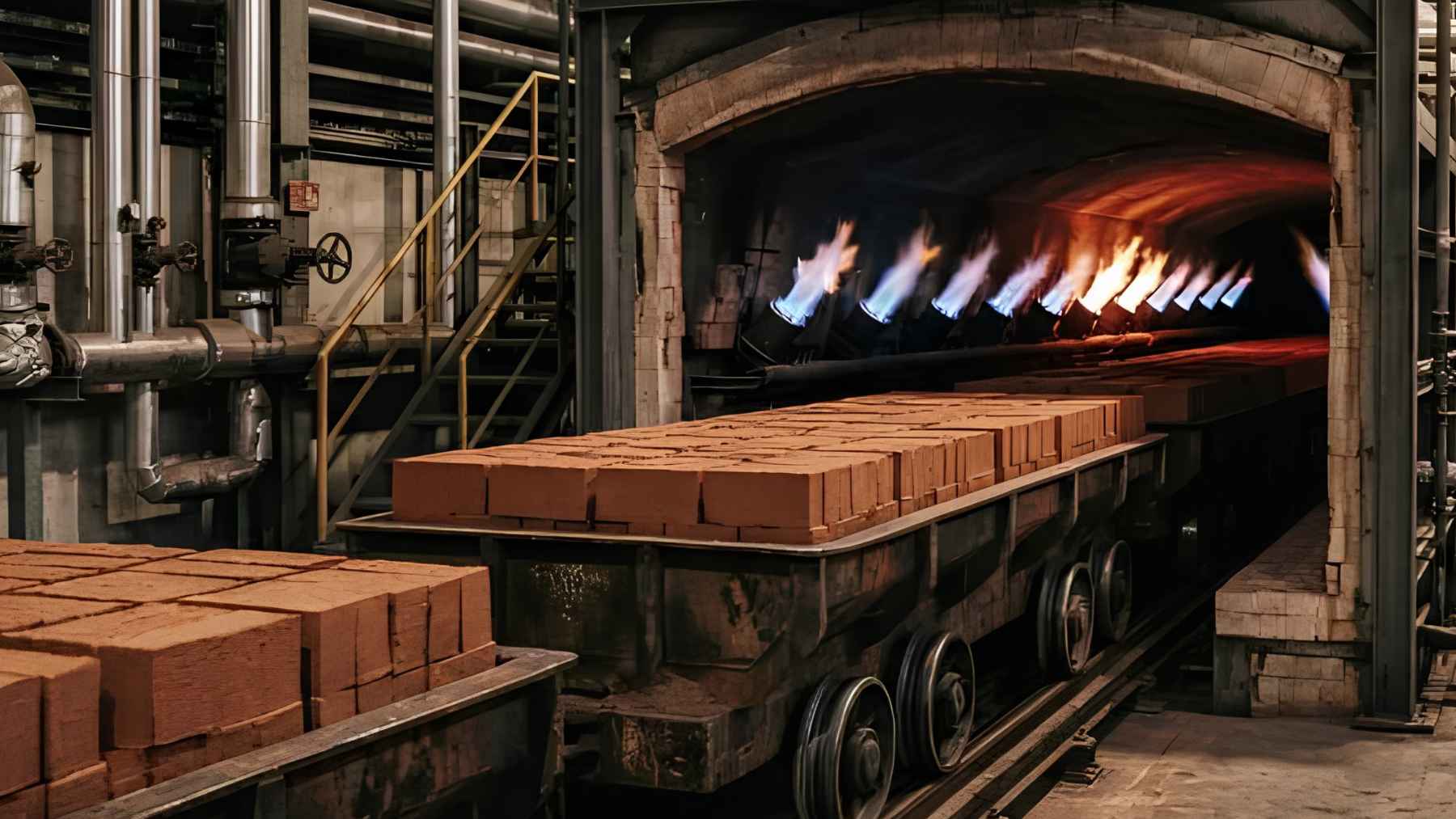
The Denton project will upgrade two tunnel kilns and replace 224 natural-gas-powered burners with hydrogen systems. It will also add new hydrogen supply equipment, electrical upgrades, and control systems while keeping the existing kiln structures intact.
In practical terms, that means the factory is not being torn down and rebuilt. For industries where every shutdown can mean lost production, that detail is a big deal.
The company describes the conversion program as worth about $8.1 million at current exchange rates. The U.K. government’s Industrial Energy Transformation Fund has also listed Denton as a funded deep decarbonization project, with an offered grant worth about $3.2 million.
Why bricks are hard to clean up
Bricks look simple when they arrive at a construction site. The hard part happened earlier, inside industrial kilns that need steady, intense heat to turn clay into durable building material.
That is why this kind of factory cannot always be cleaned up as easily as an office, a home, or a school. Switching light bulbs or adding solar panels can help with some energy use, but the heart of the problem is the furnace itself.
The U.K. government project description says Denton is a facing brick factory that currently accounts for about 11% of Wienerberger U.K. & Ireland’s CO₂ emissions. The planned fix is to switch fuel use in the firing process from natural gas to low-carbon hydrogen.
Green hydrogen takes the heat
Green hydrogen is often discussed as a tool for sectors that are difficult to electrify. The basic idea is fairly straightforward, since electrolysis uses electricity to split water into hydrogen and oxygen, and it can be a low-carbon route when powered by clean electricity.
Still, hydrogen is not magic. It needs reliable supply, careful handling, and new safety systems, especially when it is being used in an industrial setting where traffic, machinery, and heat are part of daily life.
For Denton, hydrogen will be supplied under a 15-year agreement with Trafford Green Hydrogen, developed by Carlton Power and Schroders Greencoat. Deliveries will arrive by tube trailers at a dedicated on-site station where the gas can be offloaded and reduced in pressure for factory use.
The carbon savings are large
Once fully operational, the switch is expected to cut more than 12,800 U.S. tons of CO₂ each year. Wienerberger says that is equal to the emissions from heating 4,957 U.K. homes for a year, which helps make the factory-scale number feel less abstract.
Think about that sticky winter energy bill, then multiply it by thousands of homes. That is the scale heavy industry works on, and that is why cutting emissions from kilns, furnaces, and boilers matters so much.
The U.K. government says the Denton project is expected to deliver the emissions reduction by 2028 using 2022 data as a baseline. It also says the savings are anticipated without reducing the quality or quantity of products made through the fuel switch.
Will the bricks still be the same?
That is the question builders will care about most. A cleaner brick is useful only if it still performs like a brick, with the strength, appearance, and reliability expected in real construction.
Wienerberger says testing through a DESNZ-funded, cross-industry research program led by Ceramics U.K. provided confidence that the strength, appearance, and wider technical performance of the clay bricks will remain unchanged. That is not a small detail, because sustainability cannot come with a weaker wall.
Keith Barker, Chief Operating Officer at Wienerberger U.K. & Ireland, called the funding “a truly pivotal moment” for the business and the wider ceramics sector. The company says the project is meant to reduce emissions while maintaining product quality, production capacity, and operational reliability.
A model for other factories
The first hydrogen-fired stage is targeted for fall 2027, when one kiln could be fully operational or both kilns could be partly converted. The full transition to 100% hydrogen firing across the site is scheduled to begin in fall 2028.
This is not Wienerberger’s only low-carbon experiment. The company says the Denton hydrogen project sits alongside plans for a fully electrified tunnel kiln for roof tiles at Broomfleet, showing a mixed technology approach rather than a one-size-fits-all solution.
At the end of the day, that may be the bigger lesson. Some factories may electrify, some may use hydrogen, and others may need efficiency upgrades or different tools entirely. Denton is important because it tests whether an old industrial heat system can be cleaned up without changing the product people rely on.
The official statement was published on wienerberger U.K. & Ireland.