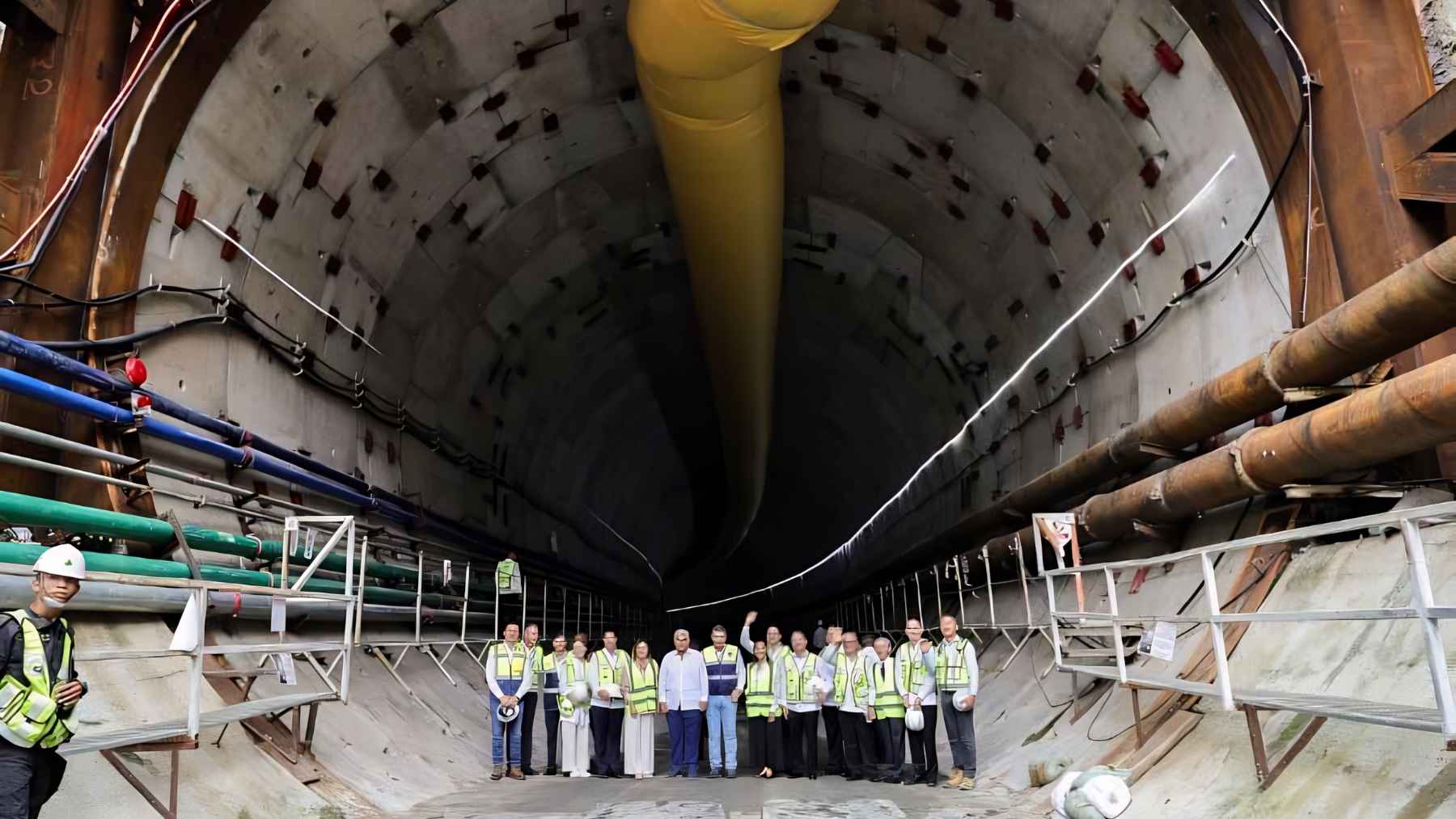
What if crossing the Panama Canal did not mean sitting in traffic or watching ships from a lookout, but walking beneath the waterway itself? That is the unusual idea now hanging over Panama City, where officials want a pedestrian and bicycle tunnel under one of the most important shipping routes on Earth.
The proposal, called “The Canal Underline,” did not win the March 23 tunnel contest that first put it in the spotlight. Even so, the plan is not dead. The city says The Boring Company, founded by Elon Musk, still expressed interest in studying the project outside the competition, and Mayor Mayer Mizrachi described the update as news that keeps Panama “on the radar.”
A tunnel for people
The basic idea is simple, even if the engineering is not. A protected underground crossing would let pedestrians and cyclists move between Panama City and the area known as Panama Oeste without mixing with ship traffic, highway traffic, noise, exhaust fumes, or the daily rush of vehicles.
In practical terms, it would not be a subway or a road tunnel. It would be a human-scale passage, likely under one mile long, with the contest rules calling for a tunnel of up to one mile and a 12-foot inner diameter.
Why the canal matters
The Panama Canal is not just a postcard view. It is about 50 miles long, linking the Atlantic and Pacific oceans through a system of locks, which are giant water elevators that raise and lower ships as they cross the country.
Ships from around the world use it every day. The Panama Canal Authority says between 13,000 and 14,000 vessels pass through the canal each year, connecting more than 180 maritime routes and ports in 170 countries.
A local barrier
That global role comes with a local problem. The canal helps organize world trade, but it also cuts through the metropolitan area like a hard line on a map.
For many residents, the issue is not abstract. It shows up in traffic jams, long commutes, and the feeling that two nearby places can seem far apart because the canal sits between them.
Panama West is the pressure point
Panamá Oeste is central to the debate because it has become a major residential area for people who work or study in the capital. The national government has said Metro Line 3 is meant to connect more than 500,000 residents with Panama City and reduce trips that can take several hours to about 40 minutes.
A pedestrian tunnel would not replace that larger transport system. But it could add a quieter option for short trips, cyclists, visitors, and people who want to move through the city without getting behind another steering wheel.
The contest changed
The tunnel proposal entered the public conversation through the Tunnel Vision Challenge, an international call for tunnel ideas. The company said the winner would get a tunnel built at no cost, with proposals judged on usefulness, community support, and whether the project could realistically be permitted and built.
The city later said 487 proposals were submitted and 16 finalists were selected, including “The Canal Underline.” Panama was not among the winners, but the follow-up interest matters because it keeps the plan in the study phase rather than closing the file.
The hard part is underground
Building under the Panama Canal is not like digging under a quiet street. Engineers would need to study the soil, water pressure, emergency exits, ventilation, flood protection, and the possible effect on canal operations.
A key term here is “prefeasibility.” That means early technical testing to see whether a project is even realistic before full designs, permits, and budgets are prepared.
Panama has already gone deep
The country does have recent experience with this kind of challenge. Metro de Panamá says its Line 3 tunnel boring machine completed a crossing beneath the canal at a depth of about 213 feet, a milestone in Panamanian engineering.
A tunnel boring machine is basically a giant underground drill that cuts through soil or rock while building the tunnel wall behind it. That does not make a pedestrian tunnel easy, but it shows that the idea of going under the canal is no longer science fiction.
More than a shortcut
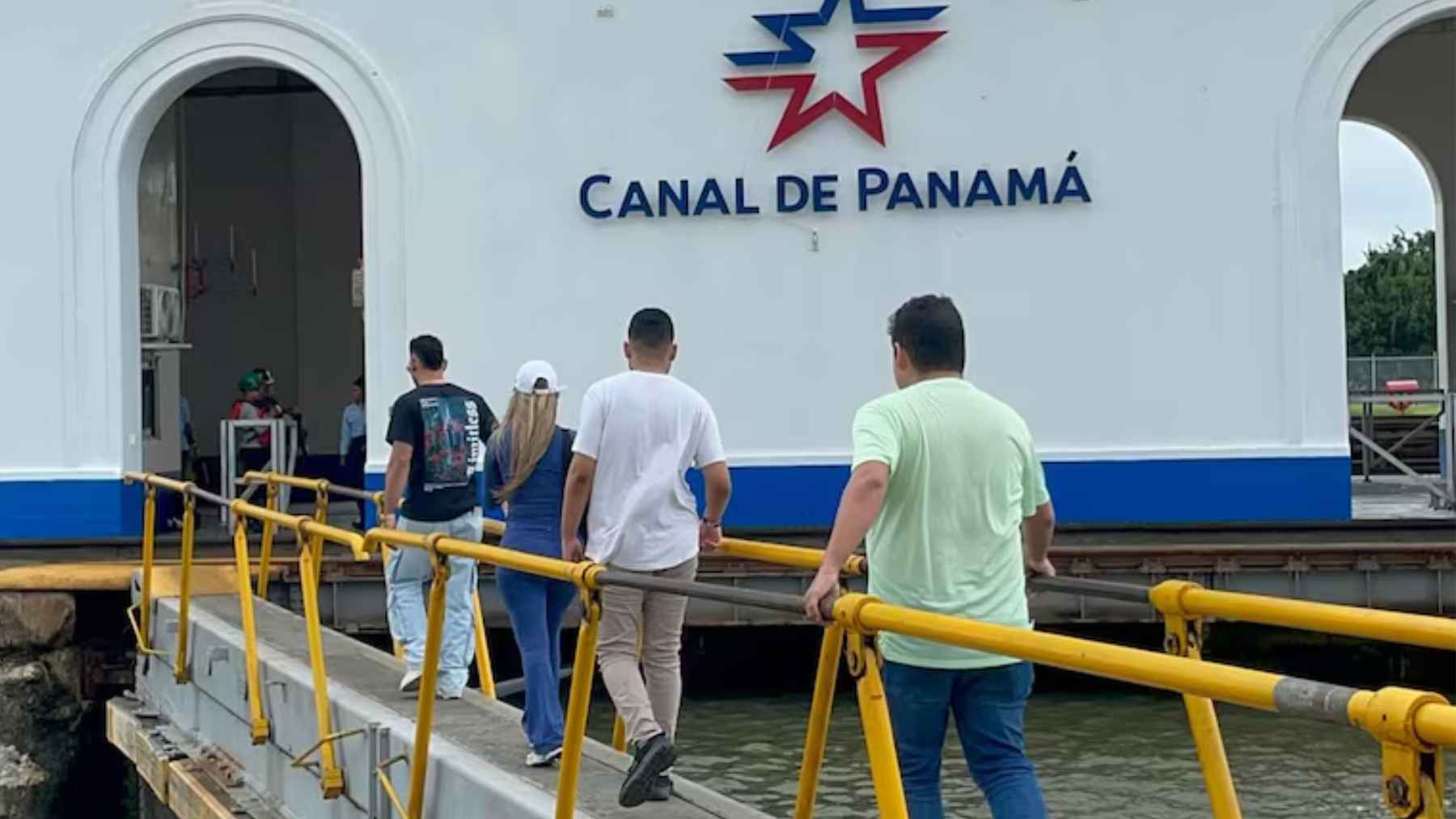
The proposal also carries a tourism angle. Panama already has places where visitors can watch enormous ships pass through the locks, but a tunnel would change the experience from looking at the canal to moving through its hidden edge.
The concept includes public spaces at both ends, which could turn the entrances into meeting points rather than plain portals. Done carefully, those areas could explain the canal’s history, the workers behind it, and why this waterway still shapes daily life in Panama.
What happens next
For now, the most honest answer is that the project remains a possibility, not a construction plan. The next step would be studies, and those studies would need to answer basic questions about safety, cost, land access, maintenance, and whether people would actually use the tunnel.
Still, the idea has already done something useful. It has pushed Panama’s urban future into a wider conversation, one where the canal is not only a route for ships but also a place residents might one day cross on foot or by bike.
The official project announcement has been published by the Municipality of Panama.