A new study has found that human-made chemicals are present not only near crowded shorelines but also in open-ocean water long assumed to lie beyond everyday pollution.
That finding places the human chemical footprint inside one of the ocean’s basic working systems and narrows the distance between modern life and remote seas.
Across the samples
Across 2,315 seawater samples from 21 public datasets, the same human chemical signal surfaced again and again.
At the University of California, Riverside (UCR) Jarmo-Charles J. Kalinski and Daniel Petras traced that signal to industrial compounds offshore.
Working with Scripps Institution of Oceanography, the team found pollution even where land was far away.
Instead of ending at the shoreline, chemical residues had entered water that also feeds microbes and locks away carbon.
Why this matters
Beneath that discovery sits dissolved organic matter, a pool of carbon-based molecules that moves through surface seawater.
Microbes consume parts of it, transform other parts, and leave some behind, so its chemistry helps steer marine food webs.
A recent review shows scientists still struggle to describe this mixture fully, molecule by molecule.
That difficulty matters because hidden ingredients can change how carbon moves through the ocean before anyone notices the pattern.
Casting a wider net
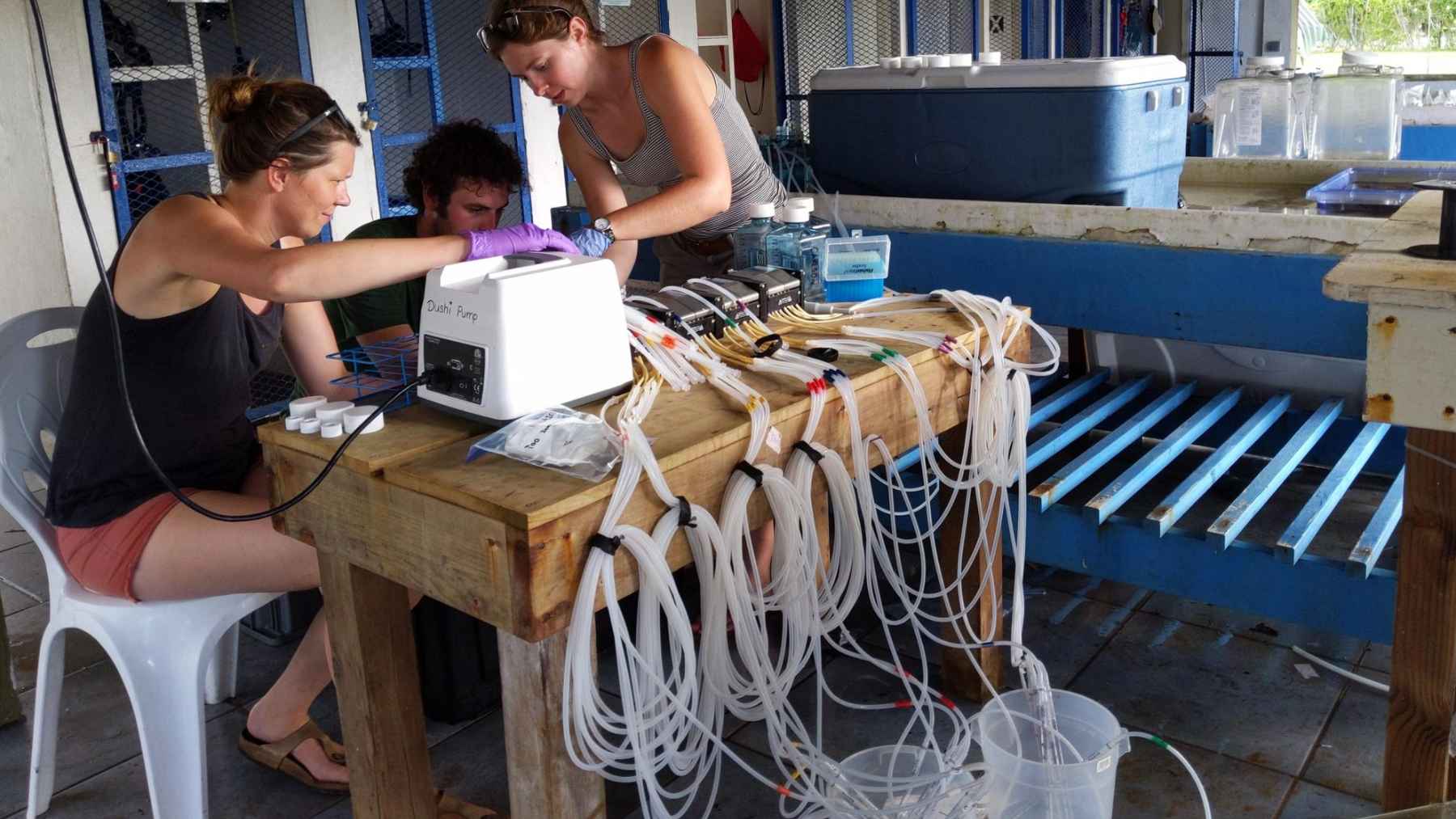
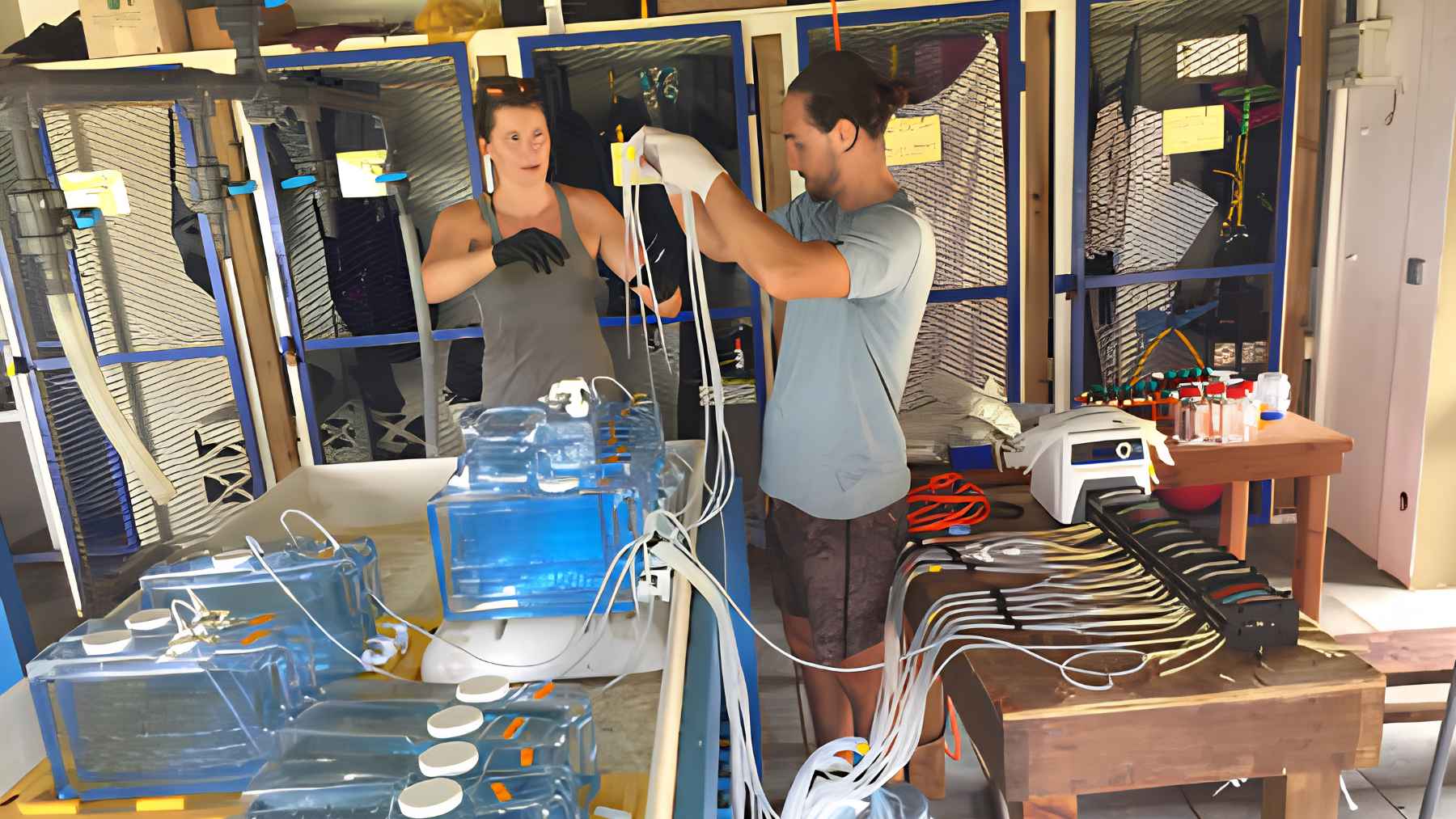
Instead of testing only a shortlist of suspects, UCR and collaborating teams scanned for thousands of chemical fingerprints at once.
Scientists call this non-targeted screening, a broad search that does not require every compound name in advance.
Once separate projects were processed together, samples collected between 2017 and 2022 could be compared on the same terms.
Because the method captures patterns before certainty arrives, it exposes pollution that routine monitoring programs can easily miss.
The coastal signal
Near river mouths and busy coasts, the chemical mix looked far stronger than what the team saw offshore.
Pharmaceuticals and pesticides peaked where cities, farms, and runoff met the sea, then fell sharply with distance.
Among all sites, estuaries, where river water meets seawater, carried the heaviest burden, with human-made compounds reaching 76% of detected chemistry.
Those waterways act like collection points, concentrating what people release on land before the ocean spreads it farther.
The offshore surprise
Far from shore, the numbers looked lower, yet industrial compounds still kept showing up in places many people assume are pristine.
The five most common industrial pollutants appeared in more than 30% of samples, including open ocean water.
Open ocean samples usually carried 0.5% to 4% xenobiotics, human-made compounds not normally part of nature, despite their distance from land.
Once these molecules enter broad circulation, currents, shipping, and persistence can keep a human signal traveling far past the coast.
Everyday products linger
Across the full survey, researchers identified 248 human-derived compounds, with plasticizers, sunscreen filters, and synthetic fragrances leading the list.
Those ingredients come from ordinary products and industrial processes, which helps explain why they leak from many sources at once. A separate article on the findings also described notable contamination at some coral reef sites.
That mix makes the problem harder to manage, because it grows from daily habits as well as large industrial systems.
What still hides
Even this map missed part of the problem, because the tools could not see every pollutant family in seawater.
Some harmful compounds escaped detection because the workflow misses them or because reference libraries still lack matches.
Another blind spot came from chemistry itself, since some substances never produced clear enough fingerprints to identify.
That means today’s map is a floor, not a ceiling, on how much human chemistry is already in seawater.
Ecological stakes ahead
What these compounds do over time remains uncertain, especially when many chemicals mingle inside the same living systems.
Marine food webs depend on constant chemical exchange, so new molecules can alter growth, stress responses, or microbial recycling.
In one sharp line, “The human footprint is in everything. Xenobiotics are widespread, so whatever ecological impacts they are having are also likely to be widespread,” said Aluwihare.
A global watch
Better answers will require scientists to sample more places, compare data the same way, and track far more compounds.
No single cruise or laboratory, UCR included, could build that picture alone, which is why shared data mattered so much.
By pooling public measurements, distant field projects became one chemical map instead of scattered case studies.
That approach could make future monitoring broader, cheaper, and harder for persistent pollutants to slip past unnoticed.
What changes now
Human influence in the ocean no longer looks confined to shorelines, because industrial chemistry has entered the water’s basic working mix.
Stronger monitoring will not erase those compounds, but it can reveal where action matters most and what remains unknown.
The study is published in Nature.