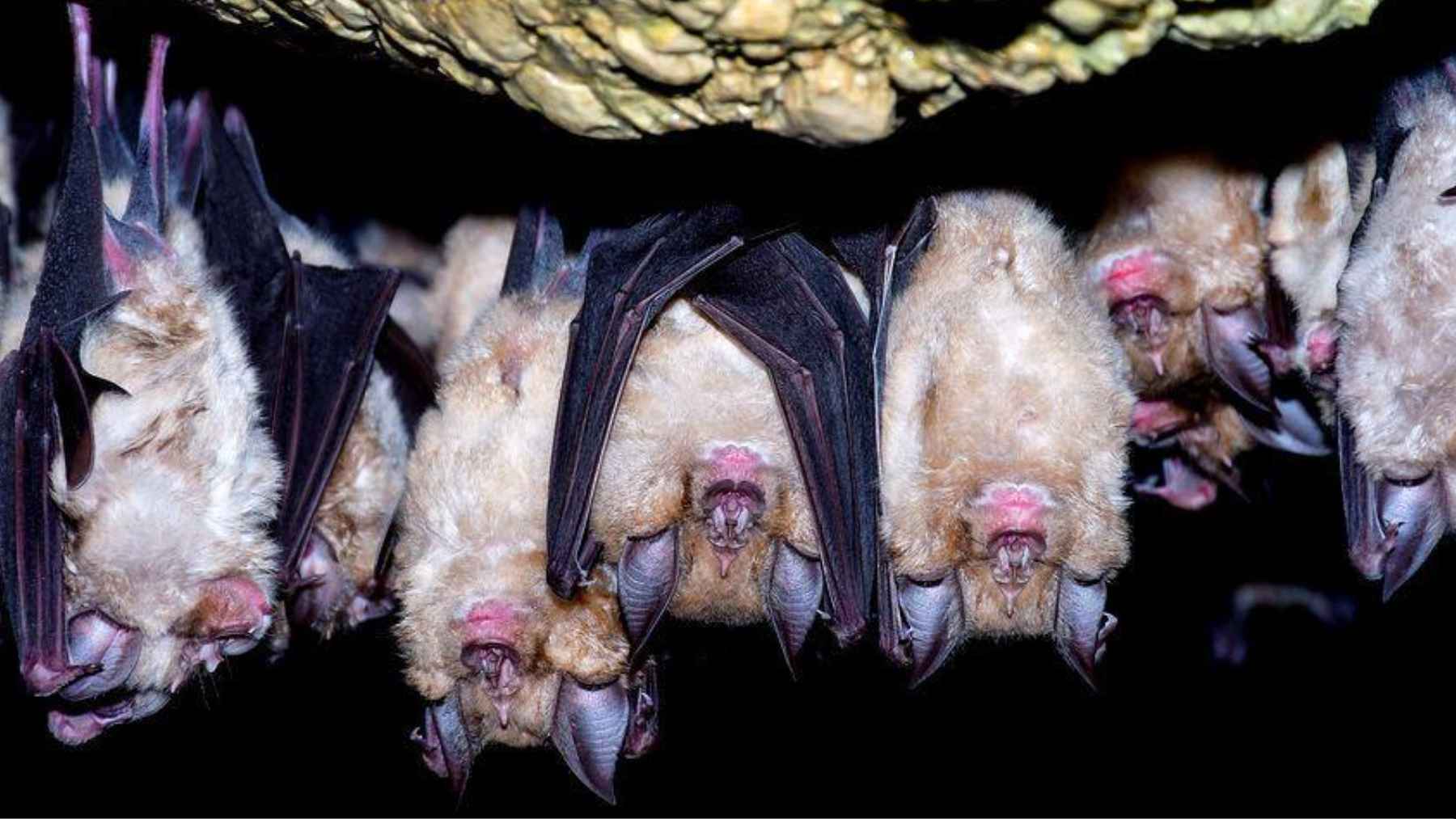
Bats are often dragged into the spotlight whenever a new disease scare appears. But a new analysis suggests the real story is much narrower. The viruses with the strongest epidemic potential are concentrated in certain bat lineages, not spread evenly across all bats.
That distinction matters. The study does not identify one “next epidemic bat,” and it does not warn that an outbreak is about to begin. Instead, it points to the places where specific bat groups, disrupted habitats, and human contact overlap.
Not all bats carry equal risk
When people hear “bats and viruses,” the fear can travel faster than the facts. Many emerging infections do originate in animals, and the study notes that more than 70% of human emerging infectious diseases are caused by zoonotic pathogens. In simple terms, those are pathogens that start in animals and infect people.
The new work, led by Caroline A. Cummings with Amanda Vicente-Santos, Colin J. Carlson, and Daniel J. Becker, examined 889 mammal species, including 202 bat species, and 112 virus species from 23 virus families. The team includes researchers from the University of Oklahoma and the Yale University School of Public Health.
How scientists measured epidemic potential
The team used a score they call “viral epidemic potential.” In plain English, it combines how severe a virus can be, how easily it can spread between people, and how many deaths have been linked to it. Then a computer method scanned the mammal family tree for branches with unusually high or low scores.
A branch on that tree is called a clade, meaning a group of species that share a common ancestor. That is more useful than simply asking whether a virus can infect humans. A germ that rarely spreads person to person is a different public health problem from one that moves through families, schools, airports, and hospitals.
The bat branches that stood out
So, which bats drew the researchers’ attention? Horseshoe bats, known as the family Rhinolophidae, showed an unusually high death burden in the analysis. That finding fits earlier work linking them to SARS-related coronaviruses and other high-impact viruses.
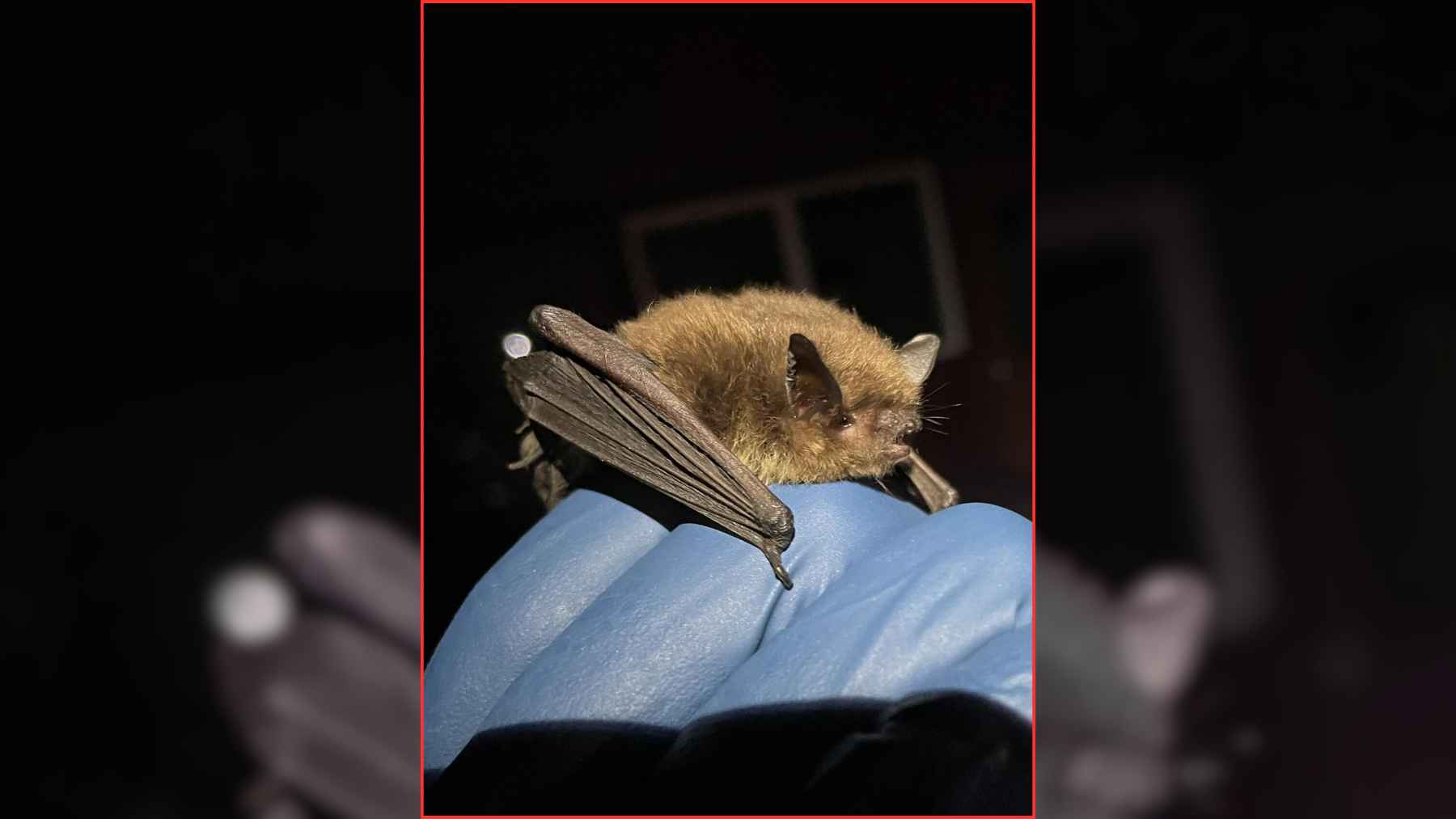
Other groups also stood out, including insect-eating bats in the families Vespertilionidae, Molossidae, and Emballonuridae. Many of these bats are widespread, and some can roost in places people build, such as houses, mines, and tunnels. In practical terms, that can raise the chance of accidental contact.
A map of contact, not blame
The researchers also mapped where the higher-risk bat clades overlap with heavy human pressure on the landscape. The strongest concern appeared in coastal South America, Southeast Asia, and equatorial Africa, where habitat disruption can bring wildlife, livestock, and people into tighter spaces.
This is not just a jungle story or a cave story. It is also about farms pushing into forest edges, roads cutting through habitats, and buildings turning into convenient roosts. At the end of the day, the risk rises when the line between wild spaces and daily human life gets thinner.
Why bats tolerate so many viruses
Bats are unusual mammals. They fly, live in varied habitats, and, in many cases, appear able to tolerate infections that would make other animals visibly sick. That does not mean they are dirty or dangerous by default.
A 2022 study in Proceedings of the National Academy of Sciences found that bats host some of the most virulent zoonotic viruses, but not necessarily the most dangerous ones overall. That sounds like a small distinction, but it is key. A severe virus still needs the right chain of events to become a human epidemic.
Killing bats can make things worse
Fear can lead to blunt solutions, and blunt solutions can backfire. A 2023 Science Advances study on vampire bats and rabies in Peru found that a two-year cull failed to reduce spillover to livestock. It may even contribute to wider spread when disturbed bats move.
The new study reaches a similar practical message. Destroying stable roosts can stress animals, scatter colonies, and increase the messy contacts that public health teams are trying to prevent. The smarter move is targeted surveillance, not panic.
Why surveillance needs a sharper focus
Monitoring every bat species everywhere is not realistic. It takes time, money, trained teams, and safe fieldwork, often at night and in hard-to-reach places. That is why narrowing the search matters.
The lead author said in a university statement that if bats were lost, “agricultural production would be negatively affected.” That is because many bats eat crop pests, pollinate plants, or move seeds. Public health and conservation are not opposite goals here.
The real warning sign
The warning sign is not a bat flying overhead at dusk. It is the combination of the wrong virus, the wrong contact, and the wrong environmental pressure all lining up at once. That is why experts keep pointing back to land use, habitat loss, and smarter monitoring.
The senior author said the work brings “much-needed nuance” to how bats are discussed as viral hosts. That nuance may be the most useful part of the study. It lets scientists watch the right places without turning an entire group of animals into villains.
The main study has been published in Communications Biology.