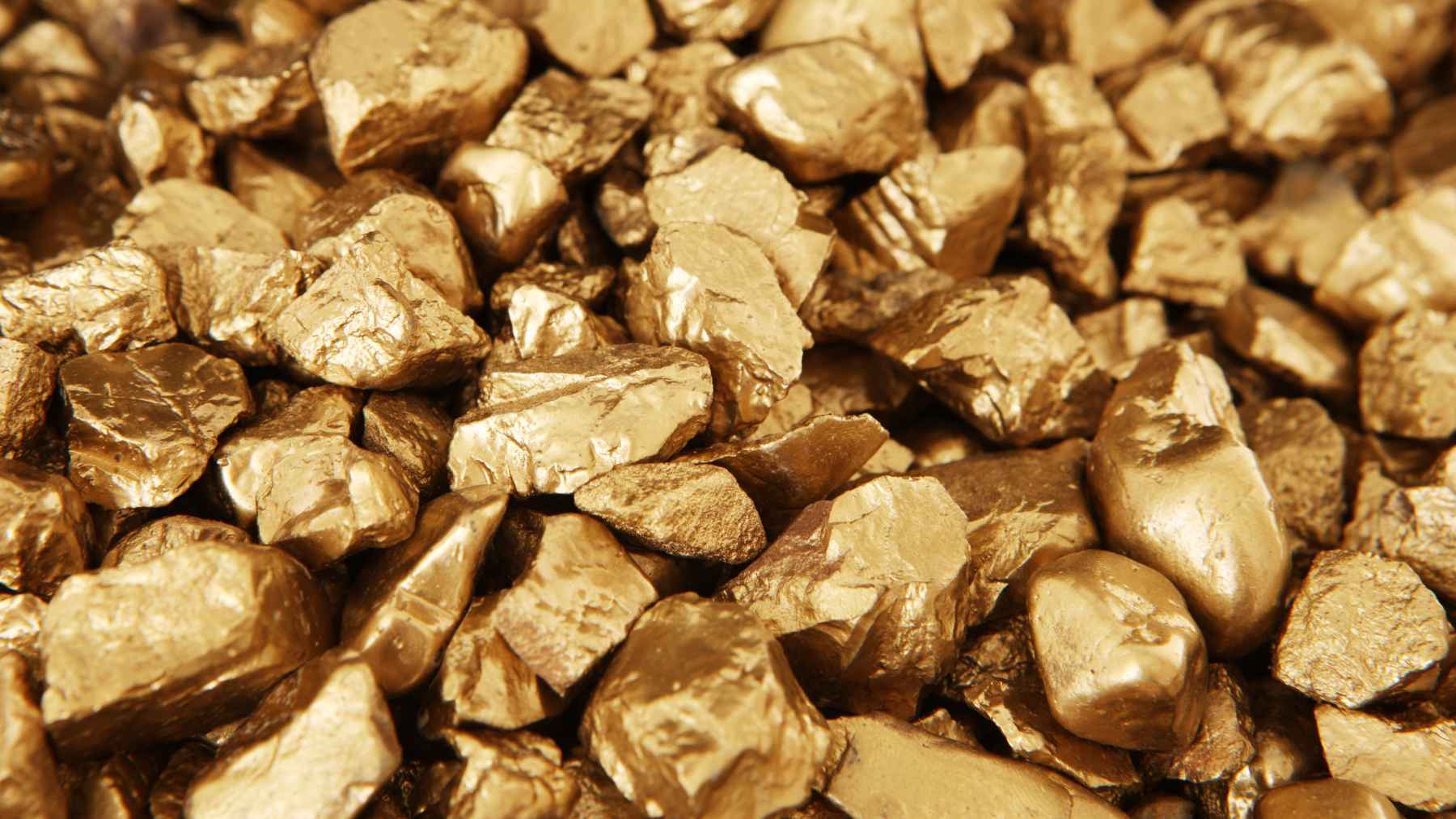
Have you ever wondered where the metals inside an electric car, a wind turbine, or even a phone actually come from? Kazakhstan is trying to put itself closer to the center of that map. Officials identified 38 promising mineral deposits in the first quarter of 2025, including 19 metric tons of gold, or about 21 U.S. tons, along with rare earths, copper, nickel, and brown coal.
At first glance, the gold grabs the attention. But the bigger environmental and economic story may be the rare earths, the group of elements that help make clean-tech hardware work in the real world. The catch is simple enough to understand, even if the geology is not. Cleaner energy still needs mines, processing plants, water safeguards, and public trust.
Kazakhstan’s mineral map
Kazakhstan’s exploration push is tied to a national effort to expand geological and geophysical survey coverage to about 850,000 square miles by 2026. In early 2025, teams used aerial image analysis, field surveys, drilling, water testing, radiation testing, geochemical work, and desk studies to narrow down targets.
The early estimates are broad. Officials listed about 2.9 million U.S. tons of rare earth metals, 1.2 billion U.S. tons of brown coal, 4.1 million U.S. tons of copper and nickel, and about 21 U.S. tons of gold among the prospective resources.
That does not mean mines are ready to open tomorrow. These are promising findings, not a stack of gold bars waiting at the surface. The slow part comes next, with more drilling, resource upgrades, feasibility studies, permitting, and community review.
Rare earths take center stage
Rare earths are a group of 17 elements, and despite the name, they are not always rare in the ground. What is rare is finding them in concentrations that can be mined, processed, and sold without creating bigger problems along the way.
The U.S. Geological Survey estimated 2024 global rare-earth mine output at about 430,000 U.S. tons of rare-earth oxide equivalent, with China supplying most of it at roughly 298,000 U.S. tons.
That is why Kazakhstan’s separate rare-earth announcement drew attention. Reuters reported that the Zhana Kazakhstan site, about 261 miles from the capital, contains neodymium, cerium, lanthanum, and yttrium, with an average content of about 1.4 pounds of rare earth metals per U.S. ton of rock. The same report said the material lies at depths of up to about 984 feet.
In everyday terms, these materials help turn electricity into motion and motion into electricity. They are part of the quiet machinery behind EV motors, wind turbines, electronics, and some defense systems. No rare earths, no easy clean-energy shortcut.
Gold is only part of it
The 21 U.S. tons of gold still matters, of course. Gold can support investment interest and help make exploration programs easier to finance, especially when companies are looking at several minerals in the same country.
But gold is not the whole story. A diversified mineral package can soften the risk of relying on one commodity cycle, especially when copper, nickel, and rare earths are tied to wiring, batteries, magnets, and industrial equipment.
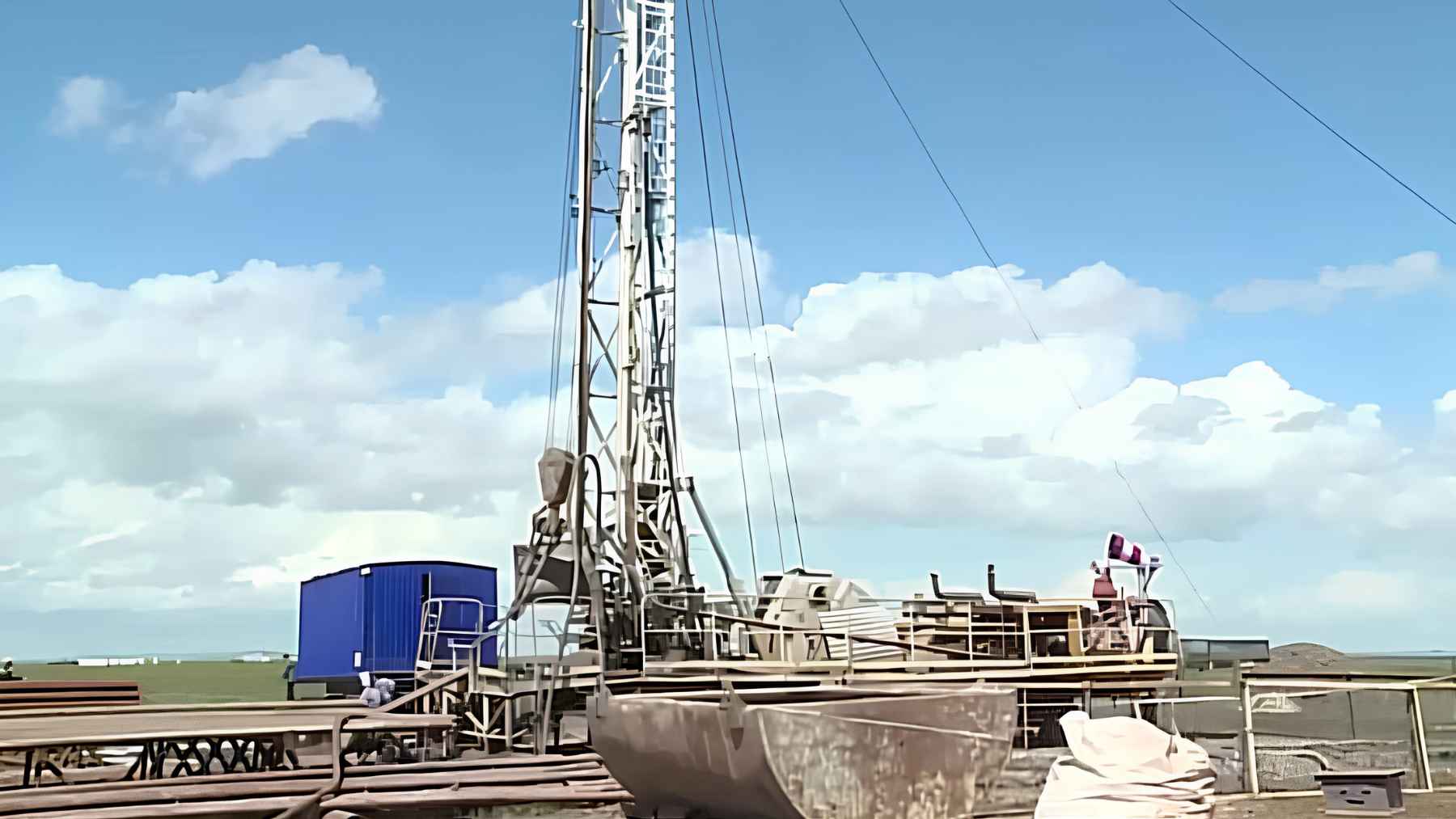
There is also a practical lesson here. Modern exploration is less like guessing where treasure might be and more like building a layered map, one sample, image, and drill core at a time. That is slower than a headline, but it is how serious mining projects begin.
The environmental test
New mines can bring jobs, roads, power lines, and local business. They can also bring water stress, waste rock, tailings, dust, and long-term reclamation costs. That is where the clean-energy story gets complicated.
Brown coal makes the picture even more tangled. Finding about 1.2 billion U.S. tons of it may help explain Kazakhstan’s interest in grid stability, but it also raises obvious questions about carbon emissions in a world trying to move away from high-pollution fuels.
Rare earth processing is its own challenge. A 2025 study on the Kundybay deposit in northern Kazakhstan tested leaching methods for weathered crust ore, including acid strength, timing, and temperature, with optimal lab conditions around 158 degrees Fahrenheit for three hours.
That is useful science, but it is not the same thing as proving an industrial plant will be clean, cheap, and accepted by nearby communities.
Data could speed things up
Kazakhstan is also trying to modernize the way geological information is stored and shared. The country attracted more than $823 million in geological exploration from 2018 through 2024, with exploration coverage expected to grow from about 733,000 square miles to about 850,000 square miles by 2026.
Yerlan Galiyev, chairman of the National Geological Service, put the digital push in plain terms. “We’re working with the Finnish Geological Survey to improve digital geological data systems,” he said.
That may sound less exciting than gold, but better data can change the whole pace of development. It helps companies choose drill sites, compare risks, and avoid wasting money in the wrong places. In practical terms, it can keep the next drill hole from being a blind bet.
What to watch next
The next big question is confirmation. Early estimates often change once drilling expands, and they can move up or down. That is normal, even if it makes the headline less tidy.
The second question is value. Kazakhstan will gain more if it can process and refine more material at home instead of shipping raw ore elsewhere. That requires technology, investment, trained workers, and rules that protect both investors and local communities.
At the end of the day, this discovery is not just about shiny metal underground. It is about whether a country rich in minerals can help supply the clean-energy economy without repeating the old mistakes of extraction first and cleanup later.
The study was published in Minerals.