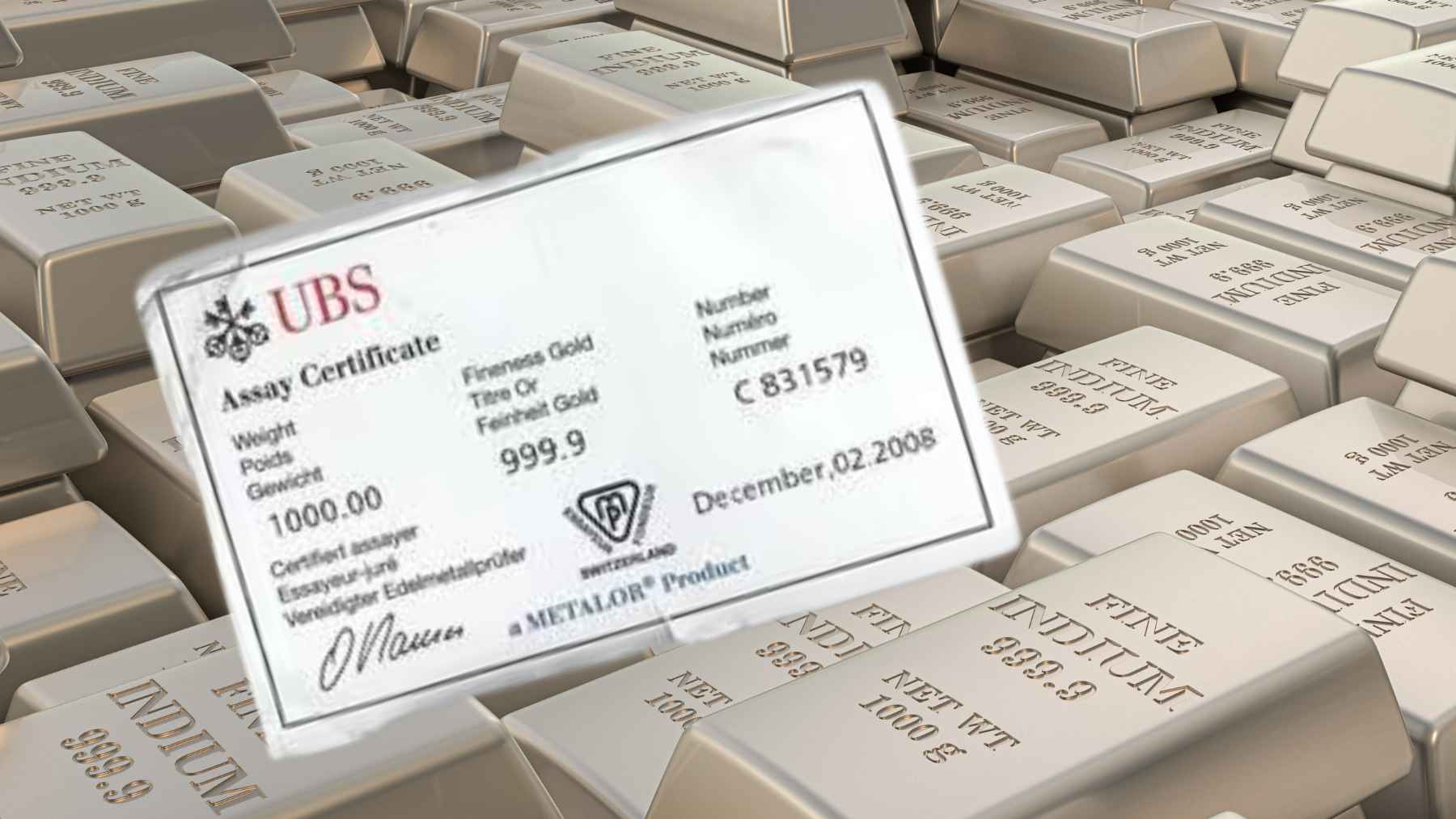
In Angers, France, more than €2 million (roughly more than $2.3 million) in gold bars and coins sold at auction in early March. Nine bars cleared over €118,000 each (about $138,000), alongside nearly 1,000 gold coins, with buyers bidding in the room, by phone, and online.
It sounds like a straight money story. But gold is also an environmental story, and the footprint changes a lot depending on whether the metal is newly mined, recycled, or simply resold. So here is the uncomfortable question behind the shine – when demand spikes, does nature quietly pay, too?
A rare gold pileup in one room
The Angers sale stood out because so many bars showed up at once, which the auctioneer Raphaël Courant described as unusual. When physical gold hits the market in bulk, it tends to pull in bidders fast, especially when gold prices are high.
A detail worth noticing is how the sale happened. Roughly 40 bidders participated, and the mix of in-person, phone, and online bids shows how quickly “old-school” auctions have become part of a digital investing routine.
That matters for the environment because convenience drives volume. More participants, more trades, more attention on gold, and eventually more pressure on supply chains that start far away from auction rooms.
High prices can mean more digging
To be fair, an auction usually trades gold that already exists. If you buy a bar that was minted years ago, you are not directly ordering a new mine to open tomorrow.
But price signals still ripple outward. S&P Global Market Intelligence reported that the average gold head grade in 2022 was about 1.31 grams per metric ton (roughly 0.04 troy ounces per U.S. ton), and that primary gold mines had stripping ratios a little over 4 to 1 in 2022, meaning lots of rock must be moved just to reach ore.
The carbon footprint behind a single ounce
Gold’s climate impact is easy to underestimate because the product is small. A 2022 study in the Journal of Cleaner Production estimated that gold mining emits more than 100 million metric tons of CO2 equivalent each year (about 110 million U.S. tons).
The same study found that emissions intensity varies enormously by country, from 129 to 2,754 kilograms of CO2 equivalent per troy ounce. Converted, that is roughly 284 to 6,072 pounds of CO2 equivalent for a single ounce of gold.
Ore grades help explain the spread. Using the 1.31 grams per metric ton average head grade reported by S&P, a single troy ounce of gold (31.1 grams) implies on the order of 24 metric tons of ore (about 26 U.S. tons, or roughly 52,000 pounds) before processing losses and waste rock enter the picture.
Mercury is still the most toxic chapter
While carbon shows up in the atmosphere, mercury shows up in rivers and food chains. UNEP estimates that artisanal and small-scale gold mining represents about 37% of global mercury releases to air, water, and land, out of an estimated 2,200 metric tons each year (about 2,425 U.S. tons).
This is also a livelihoods story, which is why it is so hard to solve. UNEP says the same sector produces about 12 to 15% of the world’s gold, and involves an estimated 10 to 15 million miners, including millions of women and children.
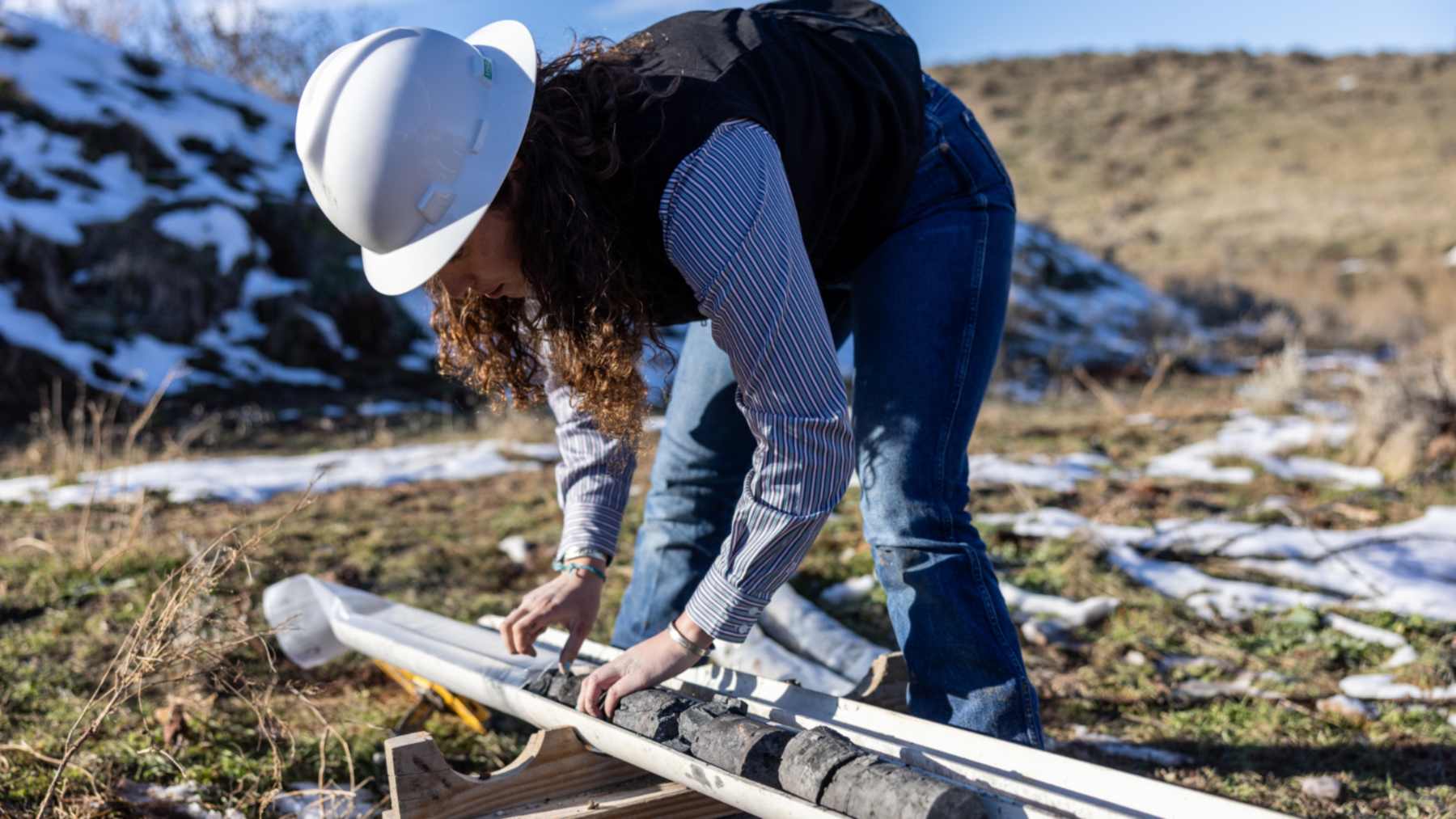
Peer-reviewed research keeps pointing to the chemical hotspots. In a 2026 life cycle assessment of an artisanal mine in Colombia, the researchers found that cyanidation and mercury-linked processing steps dominated overall impacts in their case study, with cyanidation contributing about 55% and whole ore amalgamation about 34%.
Reselling gold is not the same as mining gold
This is where the Angers auction has a surprising twist. Secondary market gold is already above ground, so reselling it does not require blasting, hauling, and processing fresh ore in the way newly mined supply does.
Still, “secondhand” is not a free pass. If soaring investment demand lifts prices and encourages new production, the total footprint can rise, even while some buyers are simply trading existing bars and coins.
The recycling opportunity is sitting in our drawers
If you want a cleaner gold story, look at waste. The Global E-waste Monitor 2024 reported that the world generated 62 billion kilograms of e-waste in 2022 (about 137 billion pounds), yet only 22.3% was documented as formally collected and recycled.
That gap is where both pollution and opportunity live. The same report estimates $78 billion in externalized costs in 2022 tied to impacts like lead and mercury emissions, plastic leakages, and contributions to global warming when hazardous materials are not properly managed.
Countries are also trying to clean up gold at its most harmful source, not just at the recycling end.
In March 2026, UNEP highlighted the launch of planetGOLD Costa Rica, a $41.5 million effort aiming to cut mercury use by an estimated 8.6 metric tons (about 19,000 pounds) while improving livelihoods for 28,000 people, which is the kind of unglamorous work that can keep “safe haven” metals from harming ecosystems.
The official statement was published on UNEP.