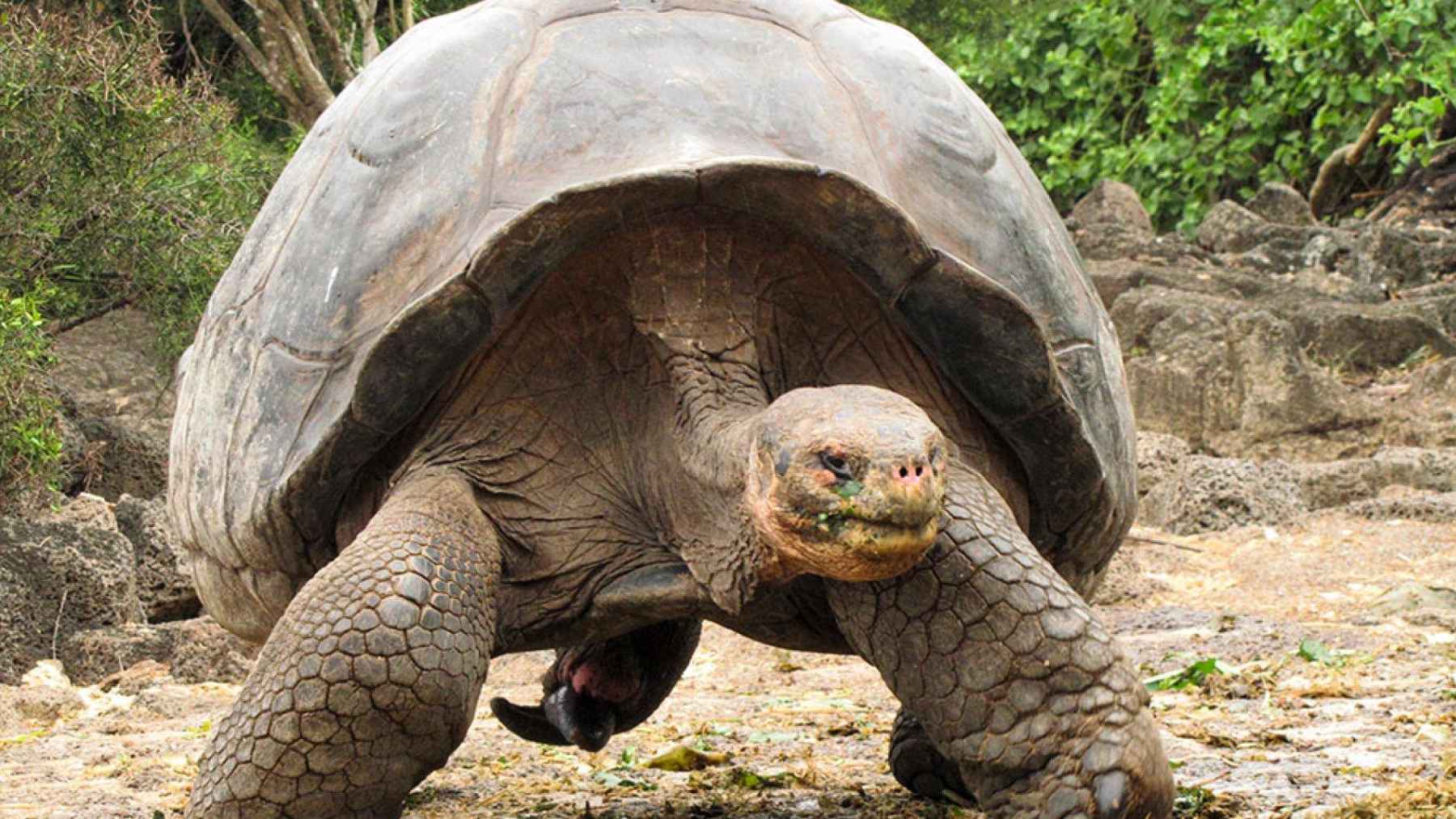
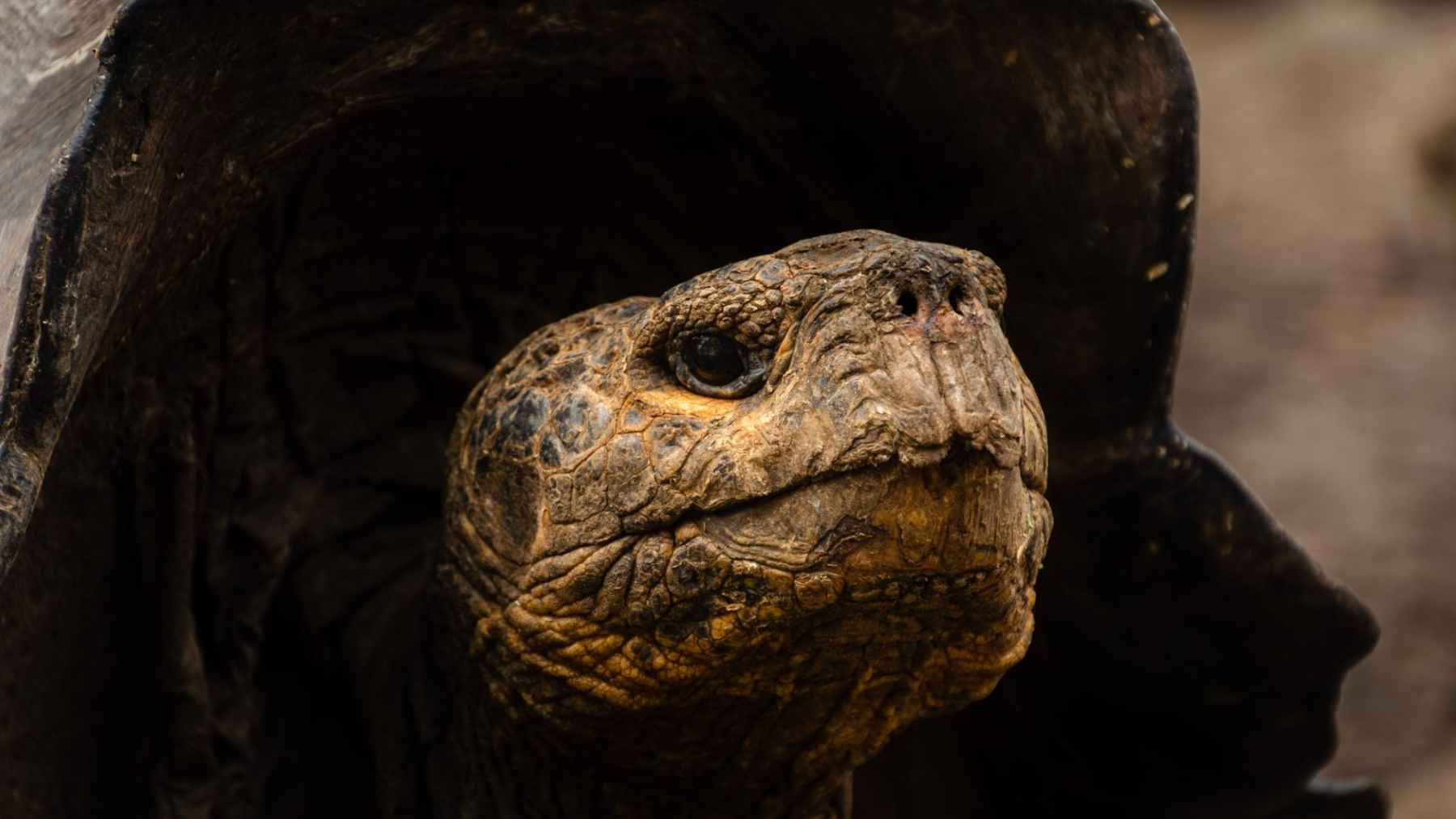
Most people connect Galápagos tortoises with Charles Darwin, slow footsteps, and the big idea of evolution. But in the late twentieth century, one of their biggest threats was not mysterious at all. It was goats, lots of them, eating their habitat down to bare ground.
To protect the tortoises, conservation teams built a plan that looked less like a nature walk and more like a military operation. Project Isabela, carried out from 1997 to 2006, used helicopters, aerial marksmen, maps, and radio-collared “Judas goats” to remove more than 140,000 invasive goats from more than 1.2 million acres. The cost was $10.5 million, and the result helped damaged island habitats begin to grow back.
Why goats became a tortoise problem
What makes an animal invasive? In simple terms, it is a species moved into a place where it did not evolve, where it can spread quickly and disrupt the balance around it. On islands, that damage can hit harder because native plants and animals often had few defenses against newcomers.
Feral goats are tough, social, and hungry. On northern Isabela, especially around Alcedo Volcano, they chewed through forests that once trapped mist, made shade, and helped create small pools during the dry season. For a giant tortoise moving through hot volcanic land, that shade and water can matter as much as food.
Project Isabela chose all-out restoration
Small fixes were not enough. The campaign grew out of an international planning effort and targeted large introduced mammals on northern Isabela, Santiago, and Pinta. Goats were the central problem, but teams also removed pigs and donkeys in some areas.
The peer-reviewed report was written by Victor Carrion, C. Josh Donlan, Karl J. Campbell, Christian Lavoie, and Felipe Cruz, and the work grew from a campaign led by the Galápagos National Park and the Charles Darwin Foundation. Their argument was practical and blunt: if goats survived nearby, or were brought back by people, years of restoration work could be undone.
Helicopters changed the math
Northern Isabela is rugged, remote, and difficult to cross on foot. That’s why helicopters became central to the project when the main Isabela phase began in 2004. From April 2004 to May 2005, aerial teams killed 55,657 goats, while ground hunters killed 2,637.
It sounds harsh because it was, but speed mattered. Scattered goats could hide, breed, and refill cleared areas. The study also showed how expensive the final stretch can become, with the last 1,000 goats on Santiago costing about $2 million and taking about a year-and-a-half to remove.
Judas goats found the survivors
Once the big herds were gone, the hardest part began. The remaining goats learned to avoid people and helicopters, which made normal searching slow and unreliable, so field teams used the goats’ own social nature against them.
Captured goats were sterilized, fitted with radio telemetry collars, and released. Because goats naturally seek out other goats, these “Judas goats” led crews to survivors that would otherwise have stayed hidden. More than 700 were deployed across Isabela, and they were checked 5,470 times from the air.
Some females were given hormone implants that kept them attractive to other goats for longer. The researchers called these “Mata Hari goats,” a memorable name for a grim but effective tool. It was not a gadget trick. It was the difference between reducing a population and actually finishing the job.
What changed after the goats vanished
By 2006, goats were gone from Pinta, Santiago, and northern Isabela, and pigs and donkeys had also been cleared from key areas. The islands did not become perfect overnight, but the signs were visible. Shrubs, forest trees, Opuntia cactus, and other native or endemic plants began to increase again.
There was a catch, as there often is in real conservation. On Santiago, introduced blackberries expanded after goats were removed, creating a new problem for managers. Still, vegetation recovery also helped native wildlife, and Galápagos rails became abundant again in the highlands.
Why tortoises made it worth the fight
Galápagos tortoises are not just symbols for postcards and science books. They are ecosystem engineers, meaning they help shape the land by grazing and spreading seeds as they move. Galápagos Conservancy says each tortoise eats more than 500 lbs. of vegetation annually, which gives a sense of how deeply these animals are woven into the islands’ plant life.
That is why the goat campaign still matters. It shows that saving a species sometimes means repairing the world around it, not just protecting the animal itself. And yes, the moral question is uncomfortable. Killing one group of animals to help another is never tidy.
At the end of the day, Project Isabela is a hard lesson in what delay can cost. Once invasive species take over an island, the choices become more expensive, more technical, and more ethically painful. The better answer is prevention, but when prevention comes too late, restoration can still bring a damaged place back toward life.
The main study has been published in PLOS ONE.