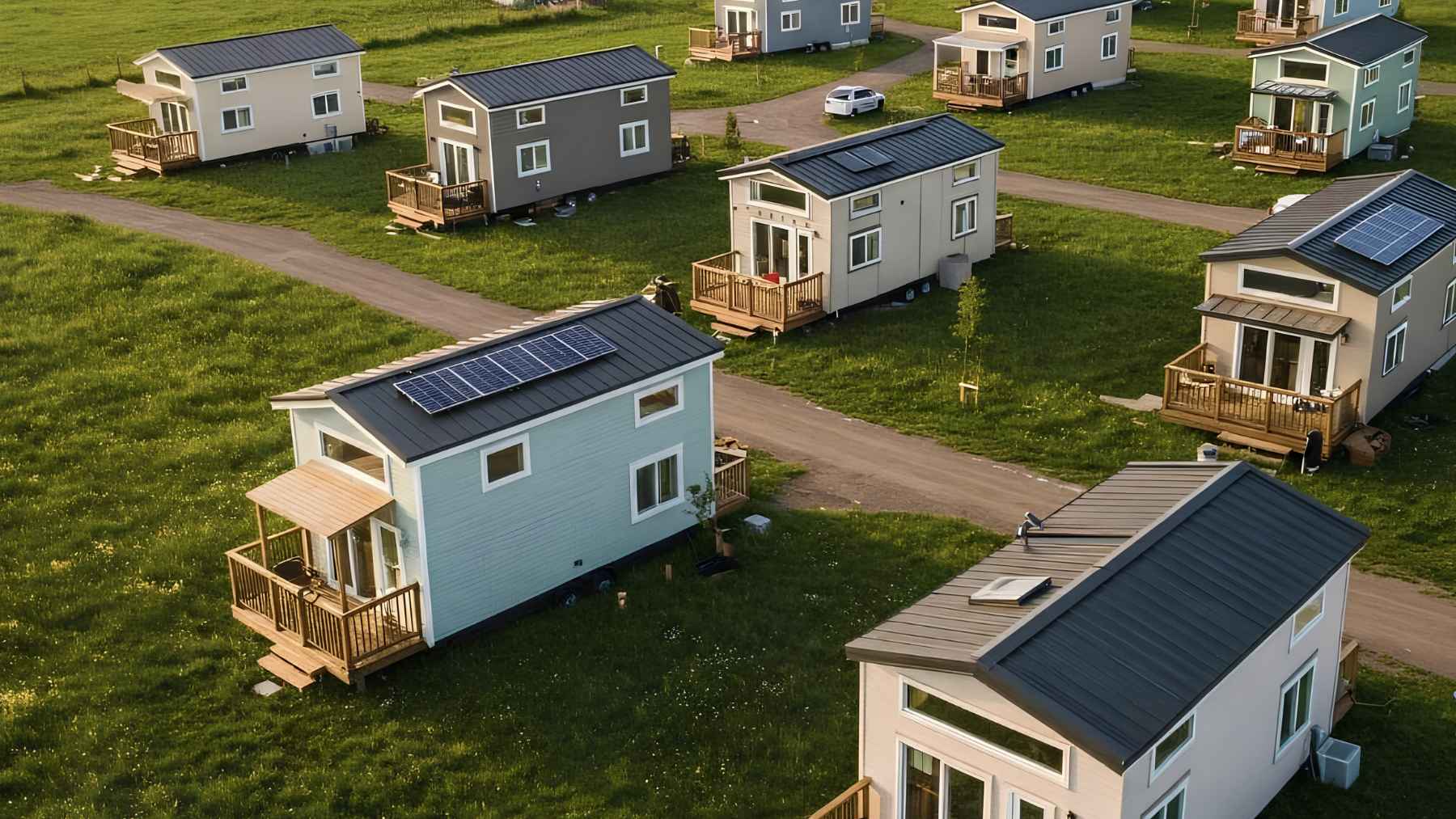
A new tiny home village planned for Cincinnati’s Madisonville neighborhood could give 14 veterans something many people take for granted after a long day outside: a front door, a bedroom, a bathroom, and a small place to eat dinner. The project, called Veterans Village, would put compact homes on church-owned land behind Gaines United Methodist Church.
The idea is simple, but the stakes are not. Organizers want to move veterans out of temporary housing and into permanent supportive housing, a model that combines a stable home with services meant to help residents stay there. In practical terms, that means fewer nights spent waiting, moving, or starting over.
A tiny village for veterans
Tiny Homes for Humanity is working with Gaines United Methodist Church to build the 14-home community on three vacant church-owned parcels near Madison Road. Signal Cincinnati reported that the Madisonville Community Council voted to write two letters of support for the project, including one for the development and one for zoning changes needed to move it forward.
The village would be arranged around a central green with a public gazebo. That may sound like a small detail, but it matters. A home is not just four walls, especially for people who may be rebuilding daily routines after housing instability.
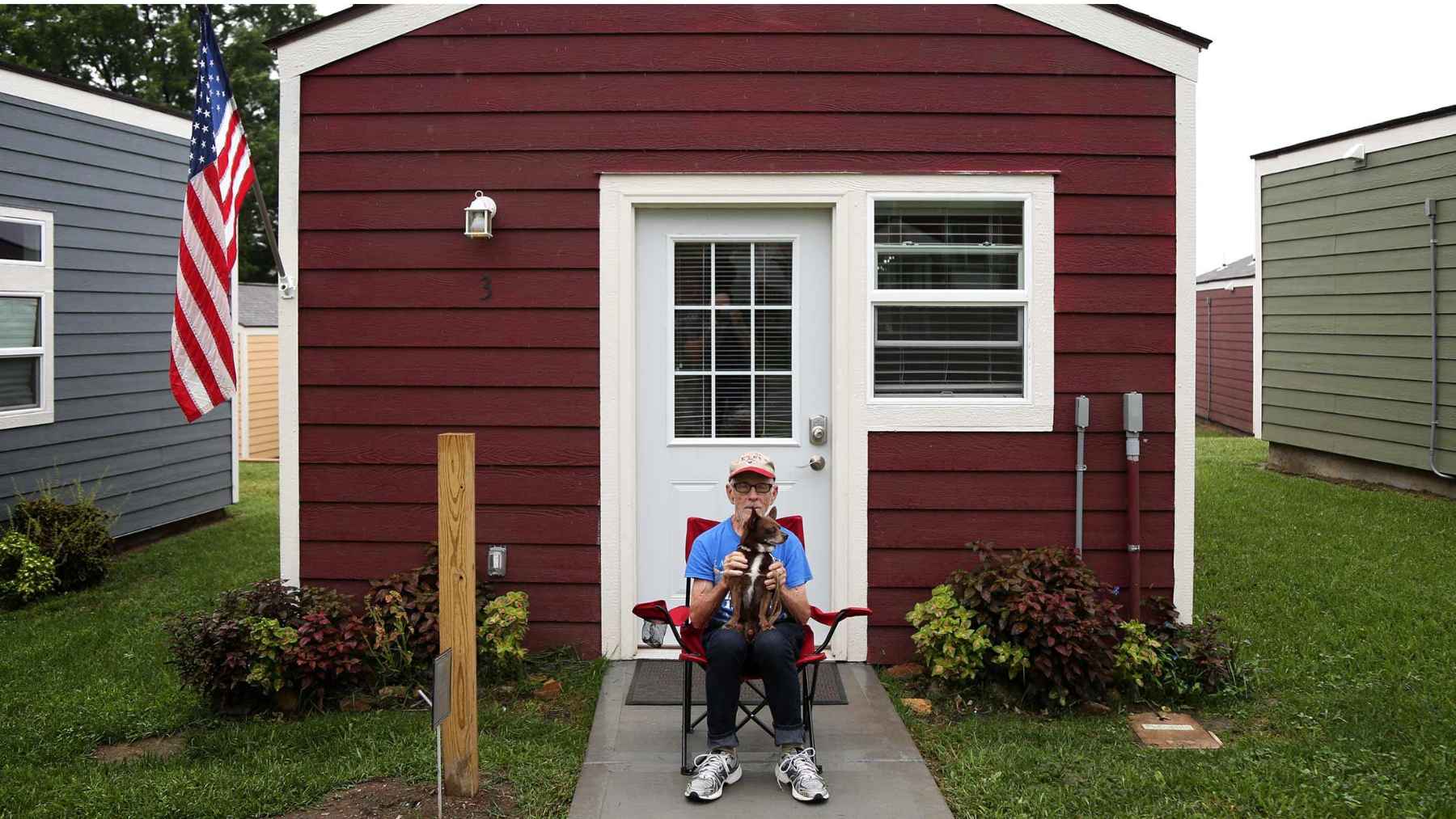
What each home includes
Each tiny home is planned at 276 square feet. That is smaller than many studio apartments, but each unit is designed to include a small front porch, living area, kitchenette, dining area, full bathroom, and bedroom.
The homes are also expected to be wheelchair accessible. The wider village plan includes a dog park, expanded parking, gardens, and access to the church building for programs and community activities, though residents would not be required to attend church services.
More than temporary shelter
Earl Crossland, president of Tiny Homes for Humanity, described the project to WLWT as “permanent supportive housing.” That phrase can sound technical, but the meaning is straightforward. It is housing meant to last, paired with help such as case management and support services.
The HUD-Veterans Affairs Supportive Housing( HUD-VASH) program expected to help residents pay rent, combines housing vouchers from the U.S. Department of Housing and Urban Development with case management and clinical services from the Department of Veterans Affairs. Under the plan described to the community council, veterans would pay no more than 30% of their income toward rent, with the federal subsidy covering the rest.
Why Madisonville matters
Crossland, a retired architect, told WLWT that he had searched for a central, walkable location close to public transportation before the church land became available. Pastor Paula Stewart said the church wants to show how faith communities can use their land to improve neighborhoods.
That local angle is part of the bigger story. The West Ohio Conference of The United Methodist Church says Cincinnati faces a shortage of more than 40,000 affordable housing units, while more than 6,000 people in Hamilton County are unhoused. Those numbers help explain why a 14-home project can still draw attention.
The funding clock is ticking
Each tiny home is expected to cost about $70,000 to build. The full development cost is estimated at about $2 million, including infrastructure and engineering, while annual operations are expected to cost about $251,000 for maintenance and a site manager.
Hamilton County has awarded a conditional $1 million grant, but there is a catch. The project team must raise most of the remaining funds by June 30, 2026, to unlock that money. WLWT reported that Tiny Homes for Humanity needs to raise $750,000 by that deadline.
A small answer to a larger problem
Veteran homelessness has moved in a different direction from overall homelessness in recent federal counts. The Department of Veterans Affairs says 32,882 veterans were experiencing homelessness in the January 2024 Point-in-Time Count, down 7.5% from the previous year and far below the level recorded in 2010.
Still, national progress does not erase local need. WLWT reported that the Hamilton County Veterans Service Commission says veteran homelessness in the area has increased 7.5% over the past two years. That is why projects like Veterans Village are being watched closely by housing advocates, churches, and local officials.
What happens next
The project still has hurdles, including fundraising and zoning. Signal Cincinnati reported that the development may need to be treated as a “cottage court” or planned development because Cincinnati does not have explicit zoning rules for tiny homes.
For the veterans who may eventually live there, the most important feature may not be the porch, the gazebo, or even the dog park. It may be the simple chance to stop moving from one temporary arrangement to another. Home can start small.
The main report on the project was published on Signal Cincinnati.