The word is obakulactone. Don’t get scared, it’s not a monster; quite the opposite. Despite the strange name (that has a japanese tree called Obaku in its roots) the obakulactone is a plant-derived molecule that proved to reduce joint swelling, tissue damage and inflammatory markers in rats that had an experimentally induced form of rheumatoid arthritis which is a pretty formidable feature.
The study behind the monster-word traced the effect back to the ACOT1, an enzyme that is involved in the fatty acid metabolism, and found that the obakulactone appeared to mark the protein which in turn signed to the cells they should attack and dispose of it.
With that the mechanism gives the work strength to claim that it’s more specific than just a natural compound that reduces inflammation. Still, it remains as an early laboratory finding, with more evidence and time still needed until the treatment can be proven safe or even effective in people.
The disease behind the pain
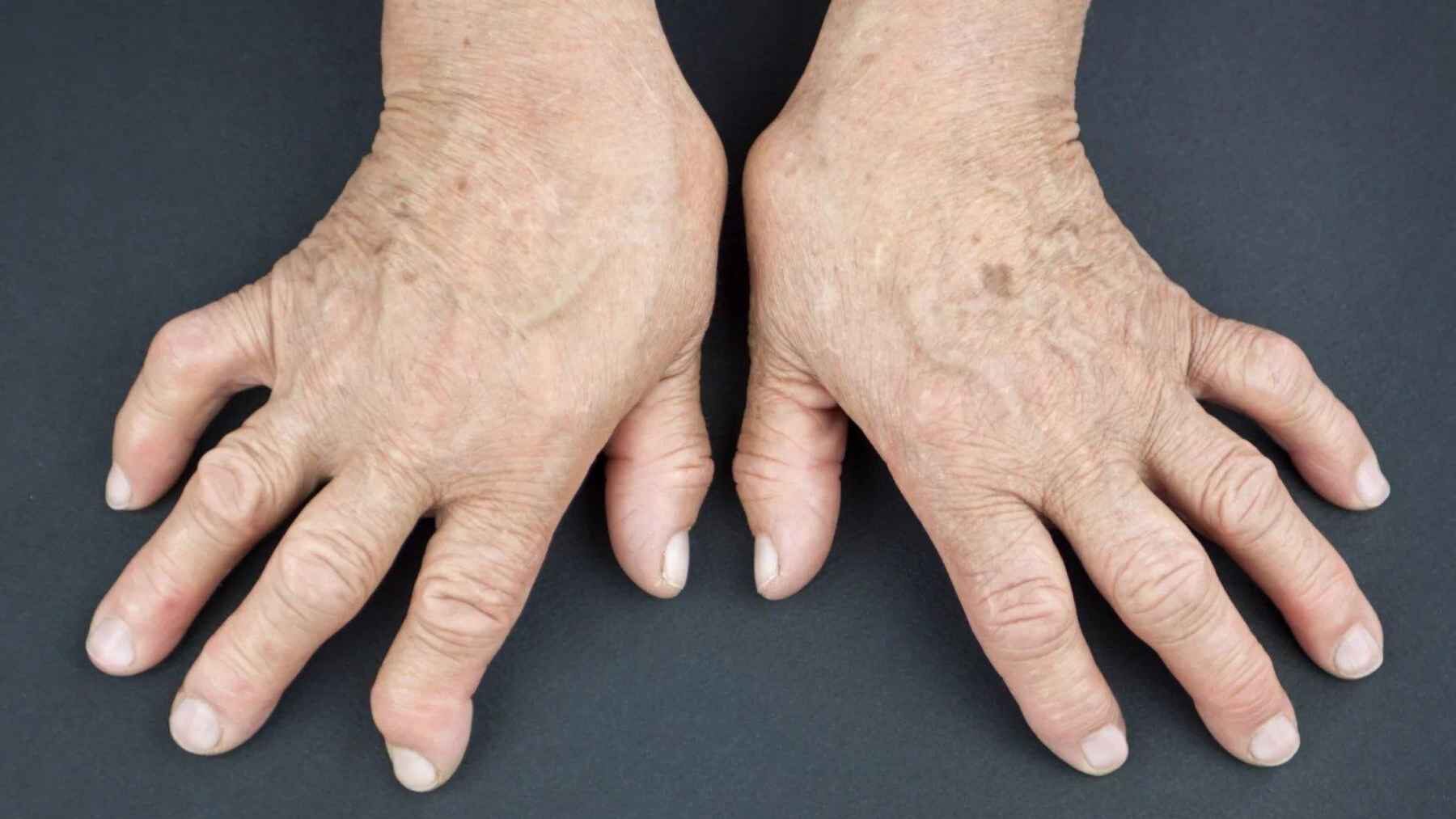
Rheumatoid arthritis (RA) is an autoimmune disease that makes the immune system attack the body’s own healthy tissues, generating pain, swelling, stiffness and progressive joint damage. It’s a disease that shows up much more commonly among an older layer of the population but that can also happen to younger individuals.
The WHO (World Health Organization) estimated that 18 million people around the whole world had the disease in 2019, with 70 percent of those individuals being women.
Even with disease-modifying drugs and biologics that can reduce the symptoms and slow the damage we still haven’t found a definite cure, since the RA is an autoimmune disease, which in simpler words means that the bodie’s own immune system fights its own healthy cells thinking they are intruders. Scientists still haven’t found a way to undo that.
What the team tested
Researchers began with 64 male Sprague-Dawley rats and induced an arthritis-like disease using Complete Freund’s Adjuvant (CFA), a solution used to induce a strong immune response.
To try it out the team used a comparison strategy. While some treatment groups received doses of obakulactone at 50, 100 or 200 milligrams per kilogram of body weight daily for 21 days another group received methotrexate, a drug used as a reference to make comparative treatments.
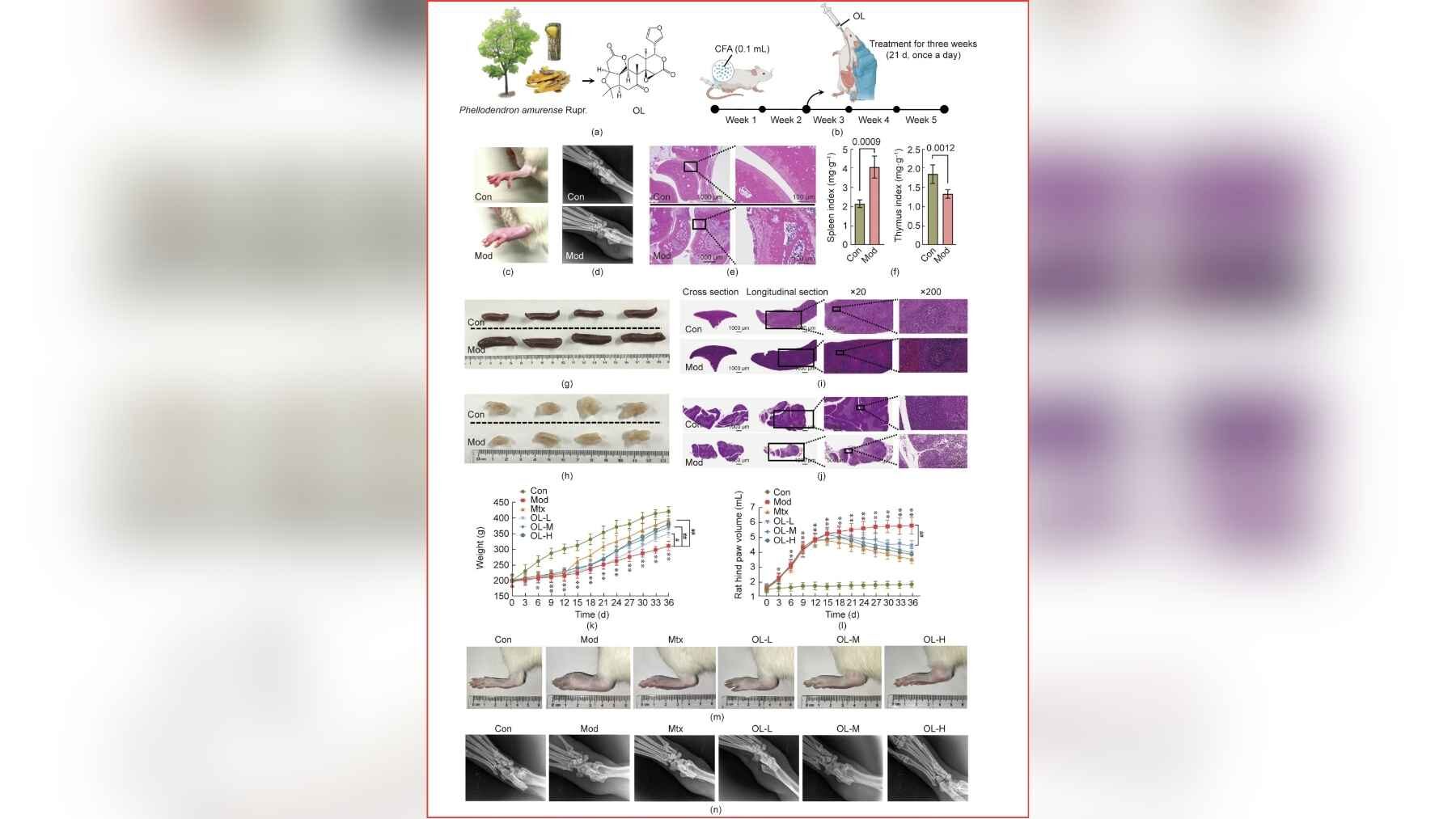
The results of the tests were promising. Significant reductions were noticed when the team did tissue examinations. Less synovial overgrowth, less inflammatory cell infiltration and even less damage to the joints. After the 7th day the rat paws in the groups that were treated with obakulactone were much less swollen. Those that had higher doses had even better results!
The immune response changed
The response changed because the immune system changed. Varying by the doses the obakulactone helped the system lower the inflammatory signals by acting against some cytokines: the IL-1β, the IL-6, the IL-17, and the TNF-α which are all harmful in high quantities. The obakulactone effect also reduced the rheumatoid factor, the anti-CCP antibodies which are proteins that mistakenly attack health tissues on the joints, the C-reactive protein, and the MMP-3, a destructive enzyme that helps to spread the disease.
Observing inside the joints the researchers found fewer CD3-positive T cells and CD68-positive macrophages. The macrophages shifted away from the inflammatory M1 state towards the anti-inflammatory M2 state, while Th17-cell development was also reduced.
A metabolic switch inside the joint
Using advanced biochemical analysis such as metabolomics, proteomics and mass spectrometry imaging, the researchers found that arthritis disrupted several fatty-acid pathways. They noticed that the molecule called obakulactone pushed those patterns closer to healthy controls, especially at the highest dose.
Laboratory assays also showed that the compound bound directly to the ACOT1. And additional experiments supported the idea that reducing the activity of the ACOT1 interfered with molecular processes that helped inflammatory joint cells to survive and remain active.
Why this is not a cure
Despite the incredible results the study has limitations. The fact that substances work in rats does not correlate to how they are going to work when tested in humans. It may, or may not, work. The rat model reproduces some of the features of the whole rheumatoid arthritis but not the full complexity of the disease that happens in humans. Most importantly the subjects were only male rats despite women representing the overwhelming number of cases worldwide.
Furthermore the scientists did the tests only with purified obakulactone and not with herbal teas or supplements which would be more common ways to consume the molecule. And ultimately but most importantly, they don’t know how it really can affect humans. They didn’t provide data on safety, absorption, dosing or effectiveness since no humans were tested, so they can’t be 100% sure if it’s going to work.
What comes next
The team came to the conclusion that the obakulactone can identify the enzyme ACOT1 and how it works together with the disrupted fatty acid metabolism and are now targeting that for future developments.
Maybe in the future when the researchers have done more toxicological studies, more pharmacological tests, and more human trials the obakulactone will be considered a viable therapy substance. For now though, more still has to be done.
The study was published by the website Engineering.