A Nobel Prize-winning idea from the 1930s is popping up again in modern health headlines. The claim sounds simple and comforting, even a little magical, that burning body fat depends “to a large extent” on breaking down carbohydrates first.
Here is the twist. The chemistry behind that line is real biology, and it reminds us that carbon always has to go somewhere, sometimes out of our lungs as carbon dioxide (CO2). On the climate side, fossil fuel CO2 emissions were projected to reach about 38.1 billion metric tons in 2025 (roughly 42.0 billion U.S. tons), a pace nature cannot fully absorb.
Krebs in context
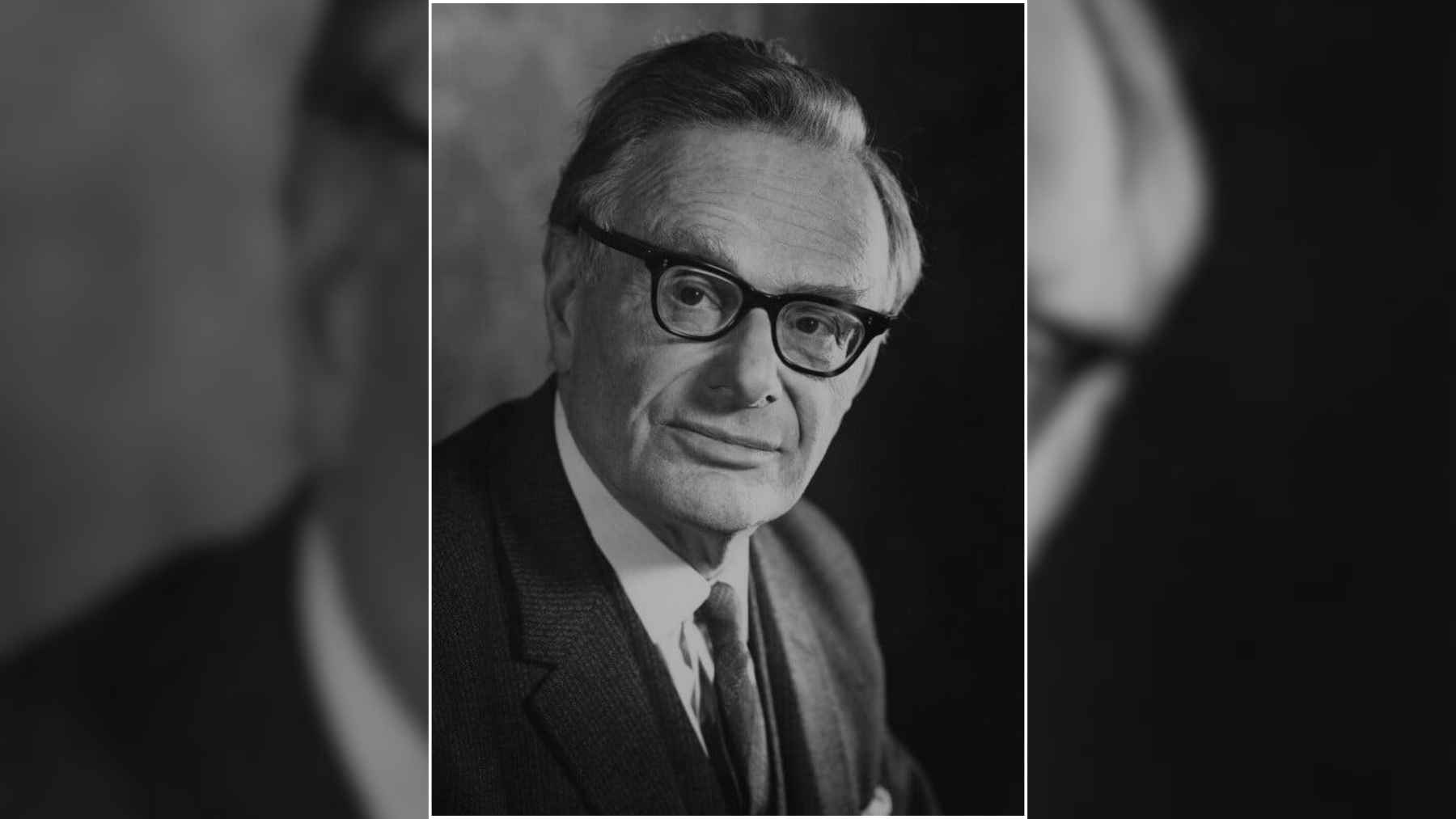
Hans Adolf Krebs was a physician and biochemist whose career was disrupted by politics. After the National Socialist government terminated his appointment in June 1933, he moved to Cambridge in the United Kingdom, later working at the University of Sheffield and then Oxford.
In 1953, Krebs shared the Nobel Prize in Physiology or Medicine “for his discovery of the citric acid cycle,” a pathway that helps cells extract energy from nutrients. Researchers in that era often relied on oxygen-hungry tissue like pigeon breast muscle to measure respiration and map these reactions step by step.
The cycle in plain English
The citric acid cycle, also called the Krebs cycle, is a loop of reactions that takes carbon from food and turns it into energy the cell can use. As the cycle runs, carbon is released largely as CO2, while energy is captured in chemical carriers that support ATP production.
The first step is the one that explains the famous “carbs and fat” connection. A two-carbon molecule called acetyl CoA has to join a four-carbon molecule called oxaloacetate to form citrate and start the cycle.
Oxaloacetate is regenerated as the cycle turns, but it can also be depleted when cells pull intermediates away for other tasks. That is why biology includes refill routes, and why diet slogans that sound clean and absolute usually miss something important.
Why carbs and fats are linked
For decades, biochemistry teachers have leaned on a catchy phrase, “fat burns in the flame of carbohydrate.” One reason the saying stuck is that fats break down into acetyl CoA, but carbohydrate metabolism is a major way the body keeps enough oxaloacetate available for that acetyl CoA to be fully processed in the cycle.
So do you need carbs to burn fat? Not exactly, and this is where the nuance matters. The phrase is a shortcut for a cellular bottleneck, not a rule that fat oxidation shuts off the moment you cut pasta or skip dessert.
In low-carbohydrate states, the liver can shift toward producing ketone bodies, which is one way the body manages excess acetyl CoA when oxaloacetate is limited. That shift is well documented in physiology and it is one reason the “flame” line gets repeated in discussions of fasting and ketogenic diets.
Where the “lost fat” goes
If this all feels abstract, here is a number you can picture. A 2014 analysis in The BMJ calculated that losing 22.0 pounds of body fat results in about 18.5 pounds leaving the body as exhaled CO2, with the remaining mass leaving as water.
That does not mean “just breathe harder” is a weight-loss strategy. Oxidizing fat requires chemical work driven by real energy demand, so breathing is more like the exhaust pipe than the ignition key.
There is also a climate lesson hiding in plain sight. The CO2 from human metabolism is part of the fast carbon cycle because the carbon came from recently grown food, so it is largely balanced by photosynthesis over time. That is why experts note that human respiration does not drive long-term climate change.
The climate math and what it means
The carbon that is changing the climate is mostly fossil carbon, which was stored underground for millions of years and is now being released in a geological blink. NASA explains that burning coal, oil, and natural gas moves carbon from the slow carbon cycle into the fast one, and the system cannot keep up indefinitely.
Even when land and oceans absorb around half of fossil-fuel CO2 emissions, the rest accumulates and raises atmospheric concentrations. This is the long-term imbalance that turns an everyday molecule into a planetary problem.
So what should readers keep in mind? On the health side, Krebs’s cycle is basic physiology, not a diet plan, and any weight-loss claim that treats one pathway as a “secret” deserves skepticism. On the climate side, the fix is not mysterious – it is less fossil fuel burning in the places we feel it daily, like the electric bill, home heating, and traffic packed with exhaust.
Carbon is the thread that links our metabolism to the climate conversation.
The press release was published on the Global Carbon Budget’s website.