Plans are taking shape for a major expansion at Wichita’s Sedgwick County Zoo that could reshape the back end of the property and change what a zoo visit looks like for families. The idea centers on a new zone called “the Savanna,” designed as a larger African habitat for giraffes, rhinos, and other species, along with a possible hotel built on nearby land.
The pitch is simple, even if the construction would not be. More space for big animals, more options for events and rentals, and potentially a place to stay overnight while looking out at the exhibit. But the total cost is still being worked out, and the most expensive pieces are only early estimates.
A bigger African home
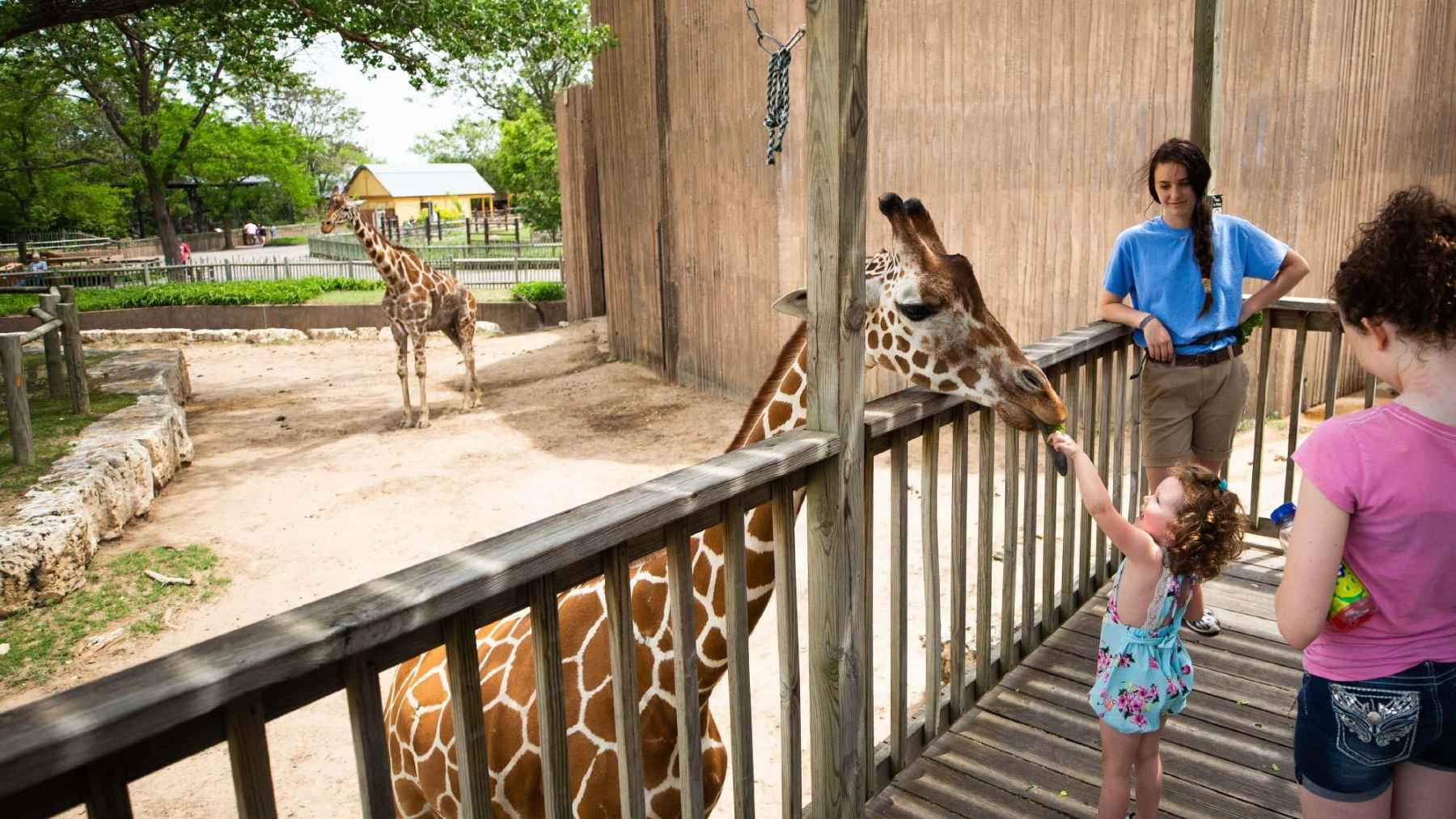
The proposal calls for building “the Savanna” in the southwest part of the zoo, moving some of the largest animals into a new setting. In the plan presented Friday, giraffes and rhinos would be among the headline residents, along with other African species.
A savanna, in plain terms, is an open grassland with scattered trees, the kind of landscape many people picture when they think of African wildlife. Zoos use habitats like this to give animals room to move and to group species in a way that feels more natural for visitors. It is meant to be both practical and immersive.
For guests, that can translate into longer sightlines and a wider “big sky” feel compared to tighter enclosures. For the zoo, the main promise is capacity, especially for giraffes. Leaders say the expansion would allow them to increase the number of giraffes they keep.
Turning old exhibits into rental space
One of the more businesslike parts of the plan is what happens after animals move. The current rhino and giraffe habitat would not sit empty – it would be converted into additional rental spaces that the zoo says it needs.
In practical terms, that points to more rooms and venues for events like birthday parties, school gatherings, and company functions. If you have ever been to a wedding or fundraiser that felt squeezed into a too-small space, you already understand the appeal. Extra rental space can bring in money that is not tied to ticket sales.
It also hints at a bigger shift in how many zoos operate. The animals remain the focus, but the facilities increasingly have to work year-round, even when the weather is bad or when families are cutting back on non-essentials. A steady calendar of events can help smooth out those ups and downs.
The train station becomes a front door
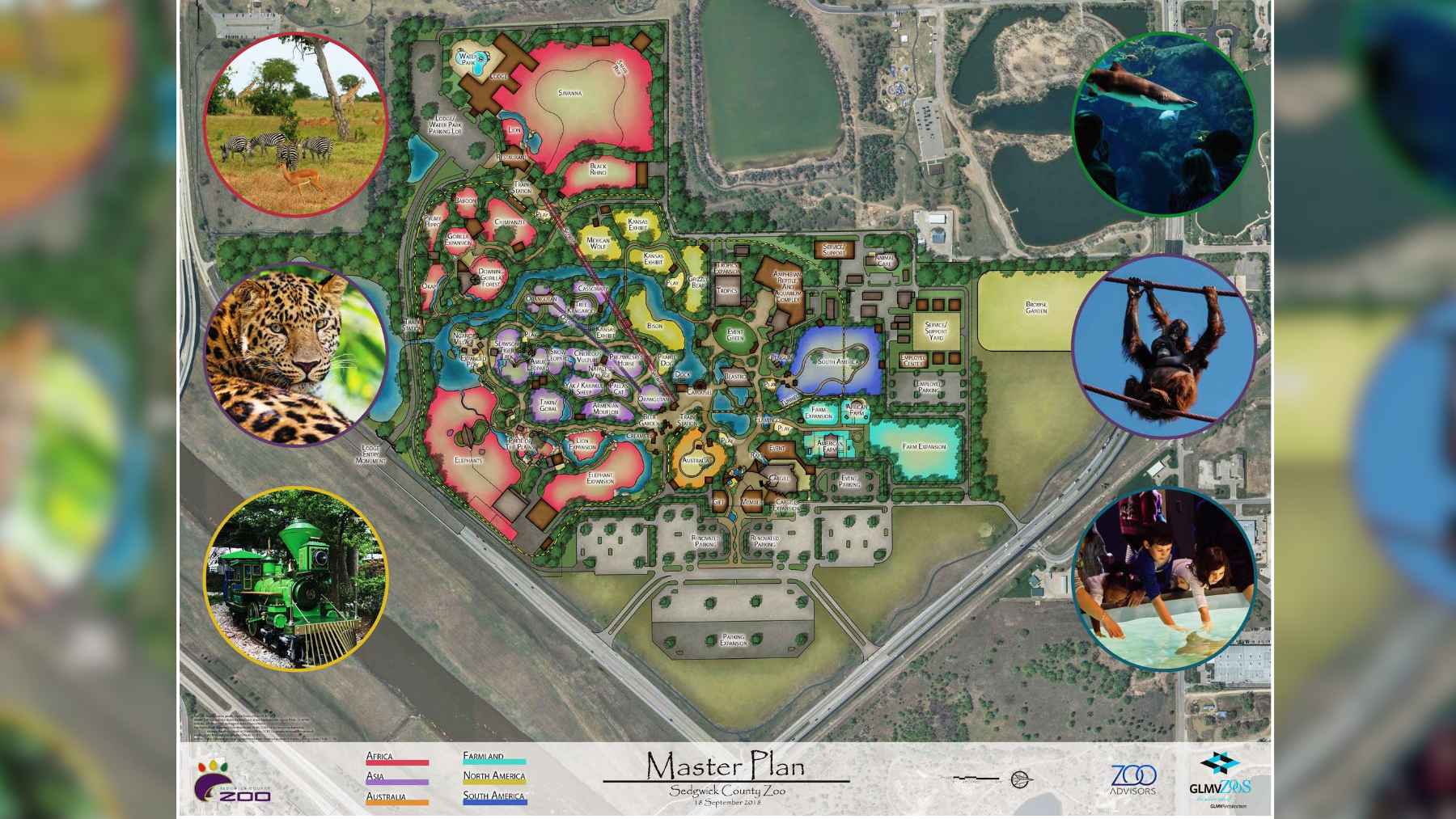
There is also a very specific piece of infrastructure that suddenly makes more sense in this story. The CEO, Scott Newland, pointed to the zoo’s train station and joked about a question visitors have asked for years, saying, “Why in the world did you put a train station in the middle of nowhere?” He added that the station could become “your gateway” into the back exhibit if the Savanna is built.
That matters because big expansions are not only about what gets built – they are about how people move through it. A new zone in the far southwest could feel distant on foot, especially for families pushing strollers or visiting on a hot Kansas afternoon. A train stop can change that equation.
It also signals that the project is being designed around the visitor experience, not just the animal footprint. If the station becomes an entrance point, the Savanna would feel less like an “extra” area and more like a core destination. And that is where the hotel idea starts to fit.
A hotel overlooking the Savanna
According to the zoo, private investors have already approached them three times about building a hotel on the land tied to the expansion. The concept being discussed includes guest rooms that would overlook the Savanna exhibit, plus an event center and a restaurant.
It is easy to see the draw. What would it feel like to wake up, pull back the curtains, and see giraffes in the distance before breakfast? For some visitors, that turns a day trip into a weekend plan, especially for families driving in from outside Wichita.
At the same time, “hotel with animal views” is the kind of idea that raises practical questions. How would noise, lighting, and late-night activity be managed near animals that need predictable routines? Those details are not public yet, and they are the kind of behind-the-scenes choices that can decide whether a flashy concept works in real life.
What it could cost and what is still missing
The zoo says the overall project estimate is not complete yet, but early numbers offer a sense of scale. The Savanna exhibit is currently projected to cost about $46 million, and converting the existing rhino and giraffe exhibits into rental spaces is projected at around $10 million.
That is a big figure for any community attraction. Even before you get to staffing and maintenance, construction costs alone can reshape what gets built first and what has to wait. Not every idea survives the budgeting stage.
Funding also matters for how the project is framed. A privately built hotel, for example, would likely be financed differently than an animal habitat paid for through donations, grants, or long-term capital planning. The zoo has not laid out a final funding package, so for now, the numbers mostly show ambition, not a finished blueprint.
Why the timing matters
The expansion talk is happening at a moment when the zoo is drawing large crowds. In 2025, it welcomed 702,401 visitors, which the CEO described as the second-highest attendance in the facility’s history, and KWCH reported that it was the strongest year since 2016.
That kind of traffic can be a blessing and a strain. More visitors can bring in more revenue, but it also puts pressure on aging buildings, walkways, and popular exhibits, especially during peak weekends. It can also strengthen the argument that bigger habitats and improved guest flow are not luxuries – they are planning necessities.
The hotel idea also connects to longer-range thinking. A 2018 post on the zoo’s official website described a 25-year master plan and listed an “African lodge hotel and waterpark” among notable projects in later phases, showing that multi-day stays have been on the radar for years.
The main report has been published by KWCH.