Have you ever tossed a 99-cent taco seasoning packet into your cart and thought nothing of it? Florida officials say a man from Palm Beach used those tiny packets as a barcode decoy at self-checkout, leaving with boxed collectible trading cards instead. It sounds like a quirky crime story, but it also points to a bigger issue that rarely gets discussed.
What does a shoplifting case have to do with climate and waste? When goods disappear from shelves, they are often replaced, shipped again, and wrapped again, which means more energy use and more packaging in a country already struggling with trash.
The public conversation usually stays focused on prices and punishments, but the footprint can quietly grow in the background.
The taco seasoning trick and the charges
Florida Attorney General James Uthmeier announced on February 26, 2026, that Keith Wallis, 39, of Palm Beach was arrested and charged with two counts of organized retail theft, three counts of dealing in stolen property, and one count of money laundering. Officials say Wallis could face up to 90 years in prison if found guilty on all charges.
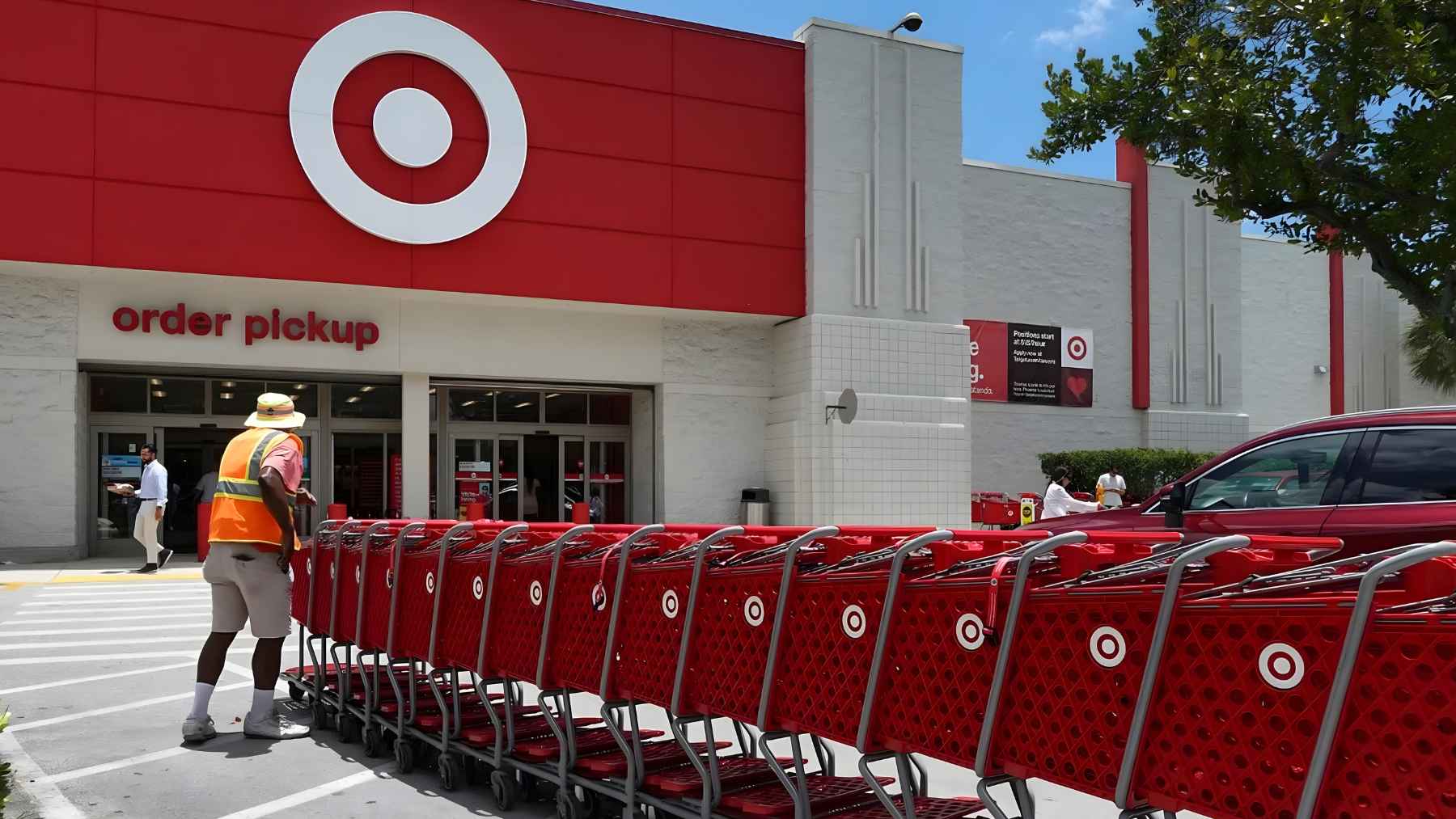
According to the attorney general’s office, investigators believe Wallis committed 75 thefts at Target locations between July 2025 and February 2026, spanning from Orlando to Miami. In each incident, he allegedly paid only for 99-cent taco seasoning packets while taking multiple large boxes of trading cards, then sold the cards through his eBay account.
Officials say those thefts caused Target losses of more than $10,000 and generated almost $40,000 in revenue for the suspect, with investigators also looking into possible additional thefts at Walmart and Publix. Sheriff Ric Bradshaw called the arrest a “clear message” that organized retail theft will be pursued, while Uthmeier said the activity “drives up prices for consumers.”
Why a shoplifting case can become a waste story
A stolen product usually triggers a replacement order, and that replacement has a footprint. Manufacturing takes energy, warehouses and stores use power, and trucks move goods around, even when all you wanted was a quick run in and out.
Packaging is the most obvious link. Every time an item is restocked or shipped again, more cardboard, plastic wrap, and protective fillers tend to enter circulation, and not all of it is recyclable in real-world conditions. That is why cutting waste at the source can matter more than sorting it later.
It is also smart to keep nuance in mind when talking about theft statistics. In 2023, the National Retail Federation retracted a widely repeated claim about the share of inventory losses tied to organized retail crime after finding incorrect data had been used. Documented cases like this one help ground the debate.
Resale shipping adds boxes, miles, and traffic
Authorities say the stolen trading cards were sold through an eBay account, and that can turn one store theft into many individual shipments. Each parcel typically needs a box or mailer and protective packing, then it moves through sorting hubs and last-mile vans that many neighborhoods are already seeing more often.
The broader data on e-commerce helps explain the environmental stakes. The UN Conference on Trade and Development noted that online sales can generate substantially more packaging waste than in-store purchases, including an analysis in South Korea that found e-commerce created 4.8 times more packaging waste than goods sold in physical stores.
Deliveries are also expected to keep growing. The World Economic Forum has warned that under a business-as-usual scenario, carbon emissions from all urban delivery traffic could increase by 60% by 2030, with impacts that include congestion and air pollution.
Packaging is already one of America’s biggest waste streams
The United States generates a lot of trash, and packaging is a large piece of it. EPA data puts total municipal solid waste generation in 2018 at 292.4 million tons, or about 4.9 pounds per person per day, with a combined recycling and composting rate of 32.1%.
Within that total, containers and packaging accounted for 82.2 million tons in 2018, or about 28.1% of all municipal solid waste generated. In plain terms, a big share of what we throw away is the stuff that protects products for a short trip home or a longer trip through the mail. It adds up.
So when theft pushes more replacement production, or when resale pushes more shipping, the added material does not land in an empty system. It lands in a waste stream already packed with boxes and wraps, and communities still have to collect it, sort it, and pay to manage it.
Fighting shrink without creating more trash
Retailers have been trying to prevent theft with measures like locked cases, cables, and added security systems, according to Reuters reporting on the broader trend. That may reduce losses, but it can also add more physical hardware into stores, sometimes made of plastics and mixed materials that are not easy to recycle.
The pressure is rising. In a 2024 report, the National Retail Federation said retailers reported a 93% increase in the average number of shoplifting incidents per year in 2023 compared with 2019, along with a 90% increase in dollar loss due to shoplifting over the same period.
For shoppers, the most realistic climate lever is still consumption, not confrontation. Buying used when it makes sense, bundling orders to reduce boxes, and avoiding unnecessary returns can cut packaging and delivery miles without putting anyone at risk.
The press release was published on My Florida Legal.