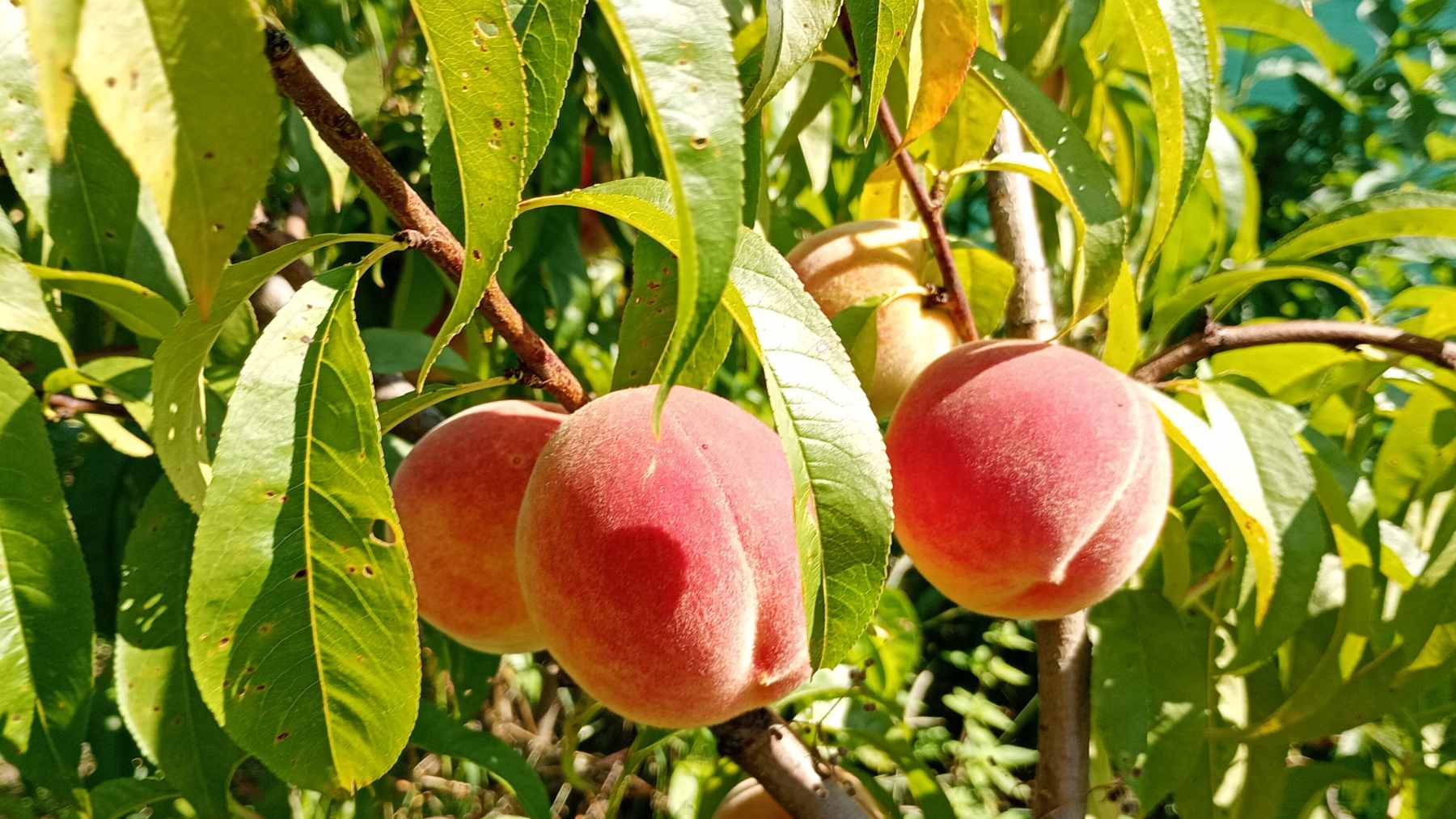
A healthy peach tree can still become a crop with nowhere to go. That is the harsh reality facing parts of California’s Central Valley after Del Monte Foods’ Chapter 11 restructuring and the loss of key processing capacity left growers staring at orchards they may have to destroy.
Del Monte announced its voluntary court-supervised Chapter 11 process in July 2025, saying it was pursuing a sale of the business to strengthen its financial position.
Now, federal aid is stepping in, but not to save the peaches. The U.S. Department of Agriculture (USDA) will make up to $9 million available to help California farmers remove up to 420,000 clingstone peach trees across roughly 3,000 acres before the 2026 harvest season.
By USDA’s own analysis, taking 50,000 tons of peaches out of production could save growers about $30 million in projected losses.
A cannery closure with orchard consequences
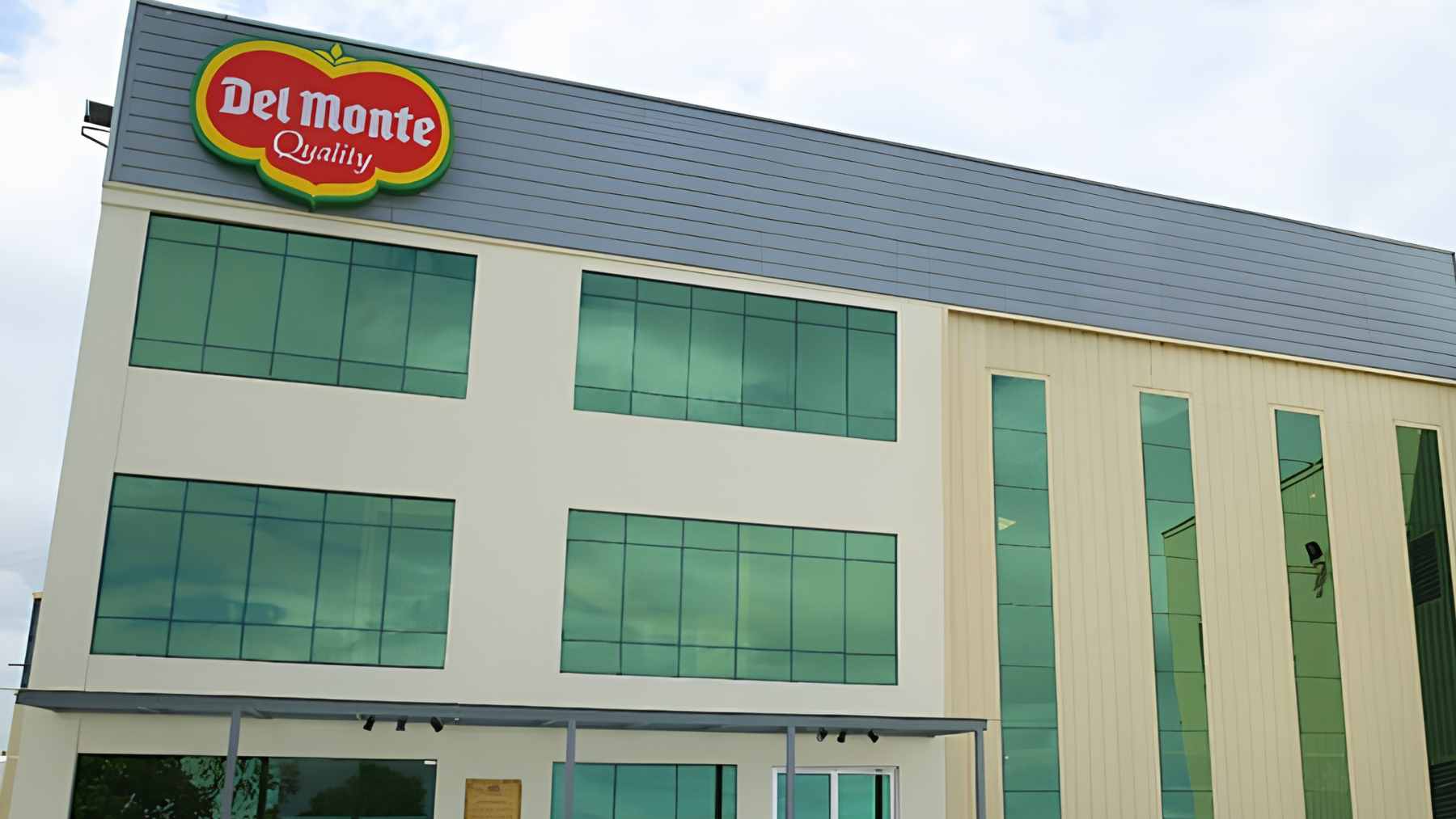
Del Monte’s restructuring did not simply change a brand on a grocery shelf. In January 2026, the company announced successful bidders for major business segments, including a sale of shelf-stable fruit assets to Pacific Coast Producers, but those assets excluded production facilities.
That detail matters in farm country. Without the Modesto processing plant operating as before, many growers had fruit designed for canning, long-term contracts that vanished, and few realistic places to send the crop.
Pacific Coast Producers later said its Del Monte fruit asset purchase had received court approval and described itself as a cooperative of about 160 family farmers in Northern California.
Why these peaches cannot just switch markets
Could farmers not just sell the peaches fresh? For the most part, no. USDA explains that clingstone peaches are grown almost exclusively for the processing market, mainly canned and frozen foods, while freestone peaches are the ones more often destined for the fresh fruit aisle.
That makes the current crisis more than a pricing problem. These orchards were planted for a specific system, with fruit meant to hold up during pitting, heat treatment, and canning. In practical terms, it is like growing for a factory that suddenly shuts its doors while the fruit keeps ripening anyway.
Farmers are weighing trees against time
The Sacramento Bee reported that Yuba County grower Sarb Johl had 9-year-old Ross peach trees under 20-year Del Monte contracts. He had only recently reached the point where those trees could begin paying back years of planting and maintenance, but Pacific Coast Producers was not interested in some of the acreage. His summary was painfully simple, “No place left to go.”
Across the region, the numbers are just as stark. Growers tied to Del Monte contracts faced more than $550 million in stranded contract value, while Pacific Coast Producers offered deals for about 24,000 tons of peaches, roughly one-third of the 74,000 tons delivered to Del Monte the previous year. That leaves around 50,000 tons without a buyer.
The damage also spreads beyond the orchard rows. Sutter County farmer Karm Bains warned that farm laborers, pesticide crews, truckers, and other support businesses would feel the hit too. “Nobody wins in a situation like this. We’re all losing,” he said.
Federal help is arriving
Senator Adam Schiff and Representatives Mike Thompson and David Valadao said USDA granted their request for aid after the Modesto facility closure left growers facing canceled contracts and no viable market for their crop. Schiff said he was pleased that “USDA is unlocking this federal funding,” pointing to California’s role as the nation’s largest agriculture state.
Still, this is triage, not a full rescue. Pulling trees helps growers stop future losses, but it also means tearing out years of investment, then choosing what comes next. Anyone who has planted even a backyard fruit tree knows the wait is not instant, and on a commercial farm, that wait comes with machinery, loans, labor, and another round of risk.
A food waste problem with roots
The environmental side of this story is easy to miss because it starts with economics. These peaches are not unwanted because nobody eats peaches. They are unwanted because the processing route that connected tree, truck, cannery, and grocery shelf has broken.
That is where food waste becomes more complicated. It is not just fruit rotting in a field, although that may happen in some cases. It is also the wasted water, pruning, fuel, labor, and time that went into a crop built around a buyer that disappeared.
California peaches still matter
USDA reported that California accounted for 75% of U.S. peach production volume and 64% of production value in 2024. Its 2025 forecast put California peach production at 550,000 tons, including 230,000 tons of clingstone peaches.
At the same time, USDA data shows canned peach imports have been climbing as domestic production has trended lower. In the last three marketing years, imports averaged almost 250 million pounds and represented more than 30% of domestic supply, with more than 80% coming from China and Greece.
That creates a strange picture. California can grow the fruit, but if processing capacity shrinks too far, local peaches can lose their path to consumers while imported canned peaches fill part of the gap. The trouble is, the trees do not wait for the market to sort itself out.
What happens next
Some growers will take short-term contracts if they can get them. Others may pull trees and try to transition into different crops, though switching is not as simple as turning over a field and planting something new the next morning.
For now, the federal program gives affected growers one way to cut losses before the next harvest adds even more fruit to a market that cannot absorb it, but the bigger lesson is still sitting in the orchard. A food system is only as strong as the infrastructure that carries food from the farm to the table.
The official statement was published on Adam Schiff’s Senate website.