The U.S. market has sent Vietnam’s pangasius industry a cautious but important signal of recovery. In the first four months of 2026, exports of the farmed white fish to the United States reached $106 million, up 4% from the same period in 2025, while April alone brought in $38 million.
That may not sound dramatic at first, but for a fish that competes on price, convenience, and steady supply, the rebound matters because it comes after importers spent late 2025 working through heavy inventories and weaker demand.
A fish built for tight budgets
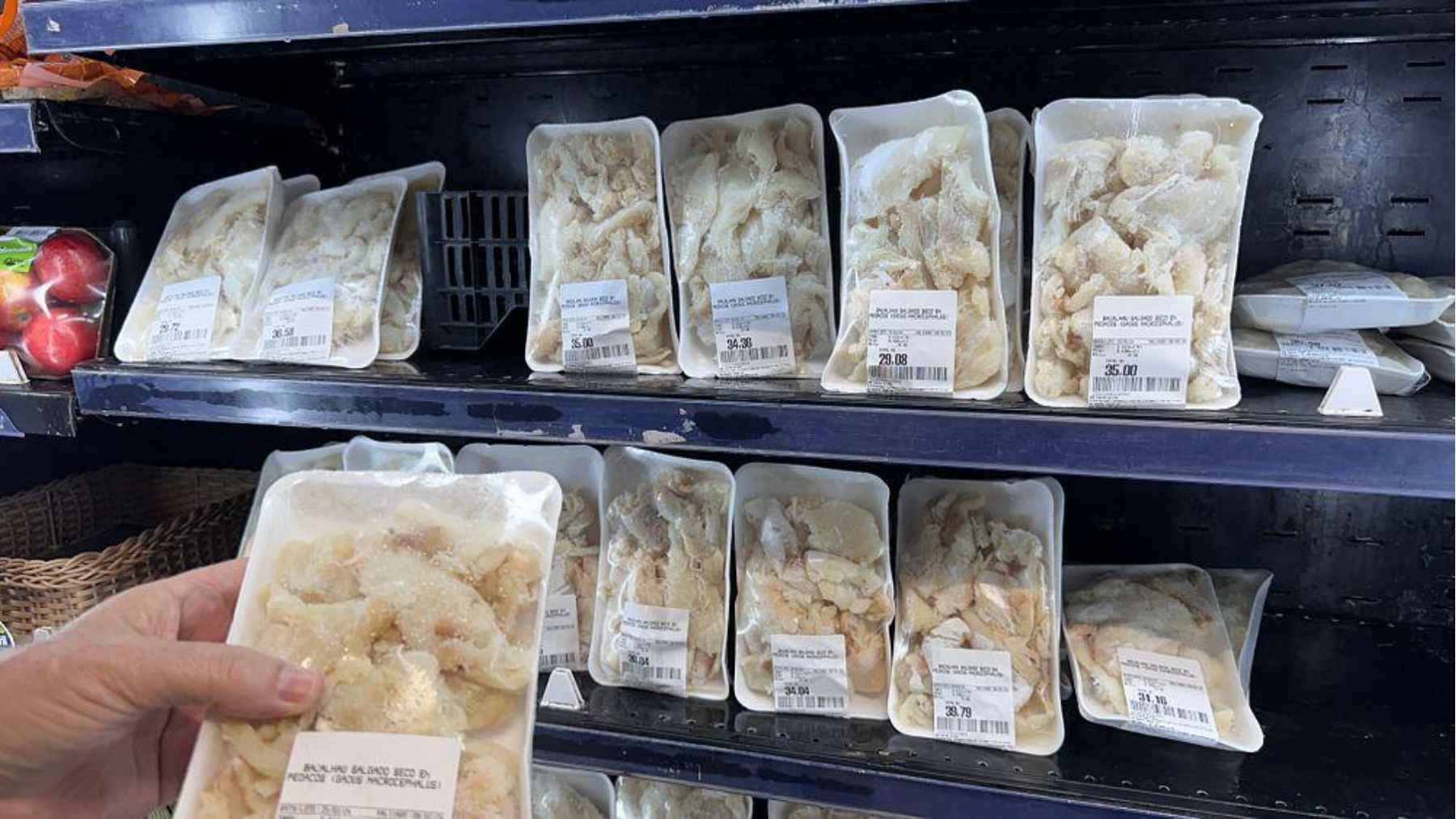
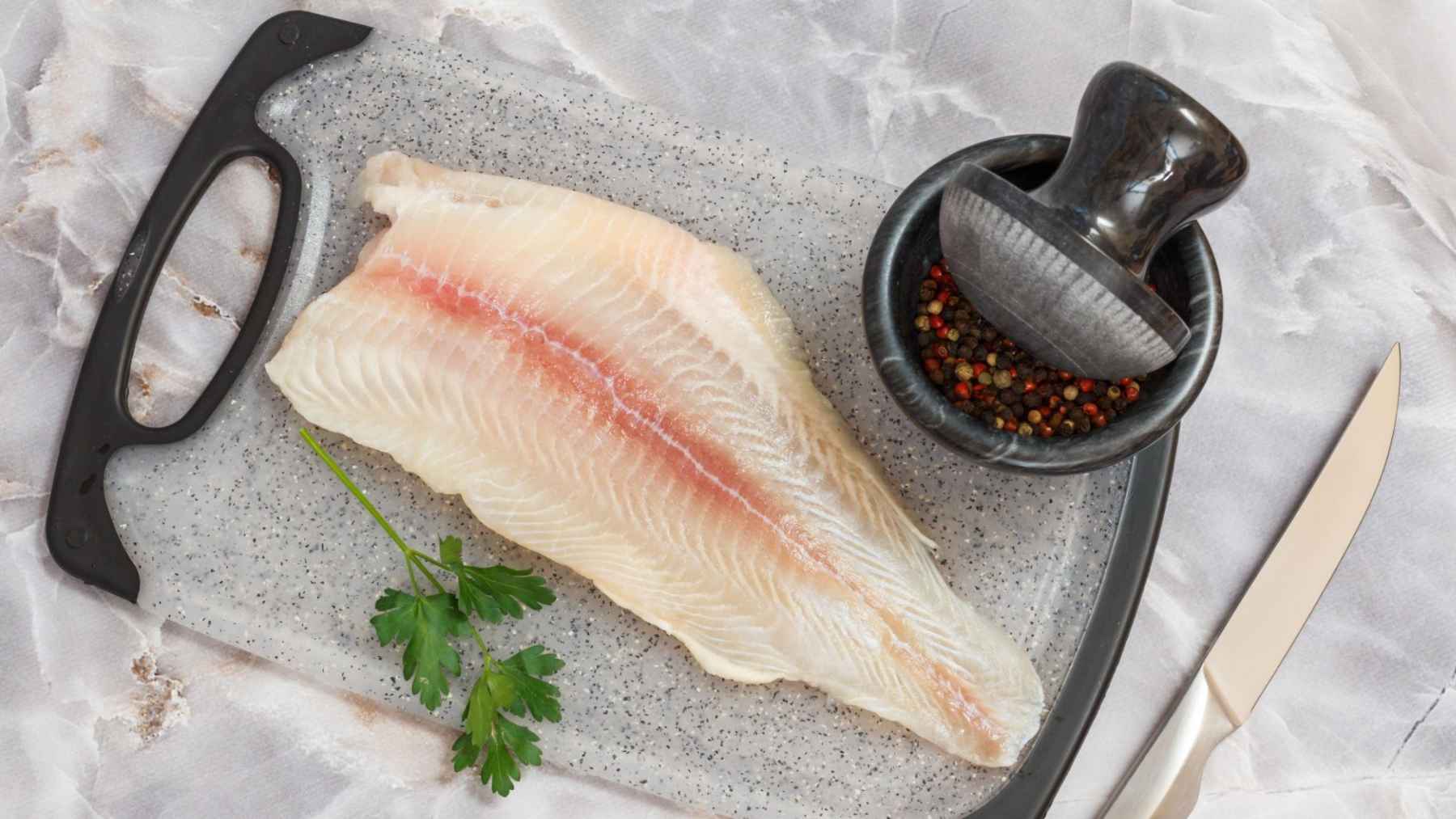
Pangasius is not a luxury seafood story. It is the kind of mild, frozen fillet that can land in a family freezer, a restaurant kitchen, or a school lunch program because it is easy to prepare and usually cheaper than many wild-caught white fish.
That is exactly why the latest numbers matter. VASEP reported that Vietnam’s seafood exports reached $1.02 billion in May 2026 and $4.67 billion during the first five months of the year, up 11% year over year. Pangasius alone reached $905 million in that five-month period, a 12.6% increase.
This is not just about one country selling more fish. It is also about how global food markets are shifting when shoppers watch grocery prices and restaurants watch every line on the invoice.
Why America is buying again
The U.S. market had been sluggish after importers built up inventory ahead of tariff pressure in 2025. By early 2026, those stocks had gradually moved through the system, creating room for new orders.
Effectively, the frozen fillets already sitting in cold storage were finally making their way to plates. Once that happened, U.S. buyers had a reason to return to Vietnamese suppliers.
Most of the trade is still plain, practical fish. Fresh and frozen products account for more than 95% of Vietnam’s pangasius export value to the U.S., showing that American buyers still lean toward frozen fillets over more processed options.
The whitefish squeeze
Pangasius is also getting help from trouble elsewhere in the whitefish market. VASEP said global pollock production has fallen 30%, while higher fuel costs have pushed raw-material prices upward.
When wild fish gets harder and more expensive to bring in, importers start looking for steadier options. Farmed species such as pangasius and tilapia can fill part of that gap, especially when buyers want predictable volumes and prices.
This shift comes with a question, however. Can farmed fish expand without repeating environmental problems that have hurt aquaculture in the past?
Farming has to get cleaner
Vietnam has something many countries do not have at the same scale. It has built an export industry around pangasius, from ponds in the Mekong Delta to processing plants that can turn the fish into standardized products for demanding markets.
That scale brings jobs and export earnings, but it also raises pressure on water quality, feed efficiency, disease control, and traceability. VASEP has pointed to long-standing challenges in seed quality and disease management, while climate-related risks and erratic weather can hurt survival rates in young fish.
This is where the environmental side becomes very real. A cheaper fillet is only a good story if the ponds, feed systems, and processing chains behind it are managed carefully.
A tougher rulebook
Selling to the U.S. is not simply a matter of catching the next wave of demand. The market still comes with antidumping duties, trade reviews, and strict food-safety expectations.
In June 2026, the U.S. International Trade Commission said the existing antidumping order on certain frozen fish fillets from Vietnam would remain in place. The U.S. Department of Commerce had also found in April that revoking the order would likely lead to continued or recurring dumping.
Food safety rules add another layer. FSIS requires eligible Vietnamese Siluriformes fish products to come from certified establishments, and those products remain subject to reinspection at U.S. points of entry.
More value, less waste
For Vietnam, the next opening may not be just selling more frozen fillets. U.S. consumers are increasingly used to seafood that is seasoned, portioned, breaded, or ready to cook after a long workday.
That could help Vietnamese companies move beyond raw volume and into higher-value products. It may also reduce waste if processors can use more of each fish and design products with better shelf life.
Still, there is a trade-off. Value-added seafood must meet tighter standards for labels, ingredients, packaging, and cold-chain control, which can raise costs for producers already dealing with expensive feed, transport, and fingerlings.
The second half of 2026
The harder part may come later this year. VASEP has warned that high fingerling prices, feed costs, transportation expenses, and other inputs are making some farmers cautious about expanding their ponds.
Vietnam’s pangasius farming area reached more than 13,600 acres in 2025, producing about 1.9 million U.S. tons and generating nearly $2.2 billion in export value, according to VASEP’s industry update. That is a large machine to keep balanced.
If raw fish costs keep rising, processors could see margins squeezed even as export demand improves. At the end of the day, growth only helps if farmers, factories, and buyers can all stay in business.
Vietnam’s quiet seafood advantage
Pangasius rarely gets the attention that salmon, shrimp, or tuna do. Yet its quiet strength is exactly the point. It is affordable, farmed at scale, and already plugged into global supply chains.
For American shoppers, it may appear as just another white fillet behind the freezer door. For Vietnam, it is a test of whether a mass-market seafood product can keep growing while meeting higher expectations on quality, sustainability, and transparency.
That is the real news behind the $106 million figure. The official industry update was published on VASEP’s website.