A new $200 million conservation initiative wants to pull 100 of the world’s most threatened species away from extinction. Pangolins. Tortoises. Rare birds. Even an elusive salamander from North Carolina.
It is a big list. And a big bet.
Re and the Bezos Earth Fund announced the Phoenix Species Project on Aug. 4, 2026. Organizers describe it as the largest single philanthropic initiative devoted exclusively to recovering critically endangered species.
The money grabs attention. the real story may be time.
Instead of relying on small, short-term grants, the fund is designed to support each selected species for five years. that could mean breeding animals, repairing habitat, removing invasive predators, reducing illegal hunting, or returning species to safer parts of their native range.
A fund built for recovery
The $200 million initiative brings together support from the Bezos Earth Fund, Re, and other philanthropic partners. It will focus on 100 threatened species across 30 countries.
And it is not just about animals.
The list includes mammals, birds, reptiles, amphibians, fish, invertebrates, and plants. All are among species facing an extremely high risk of extinction or that have already disappeared from the wild.
So, how do you actually save 100 very different species?
There is no single recipe. Each local team will need its own plan. That could involve breeding programs, habitat restoration, disease control, anti-poaching work, or carefully planned releases back into the wild.
Species on the edge
Some of the animals involved sound almost unreal.
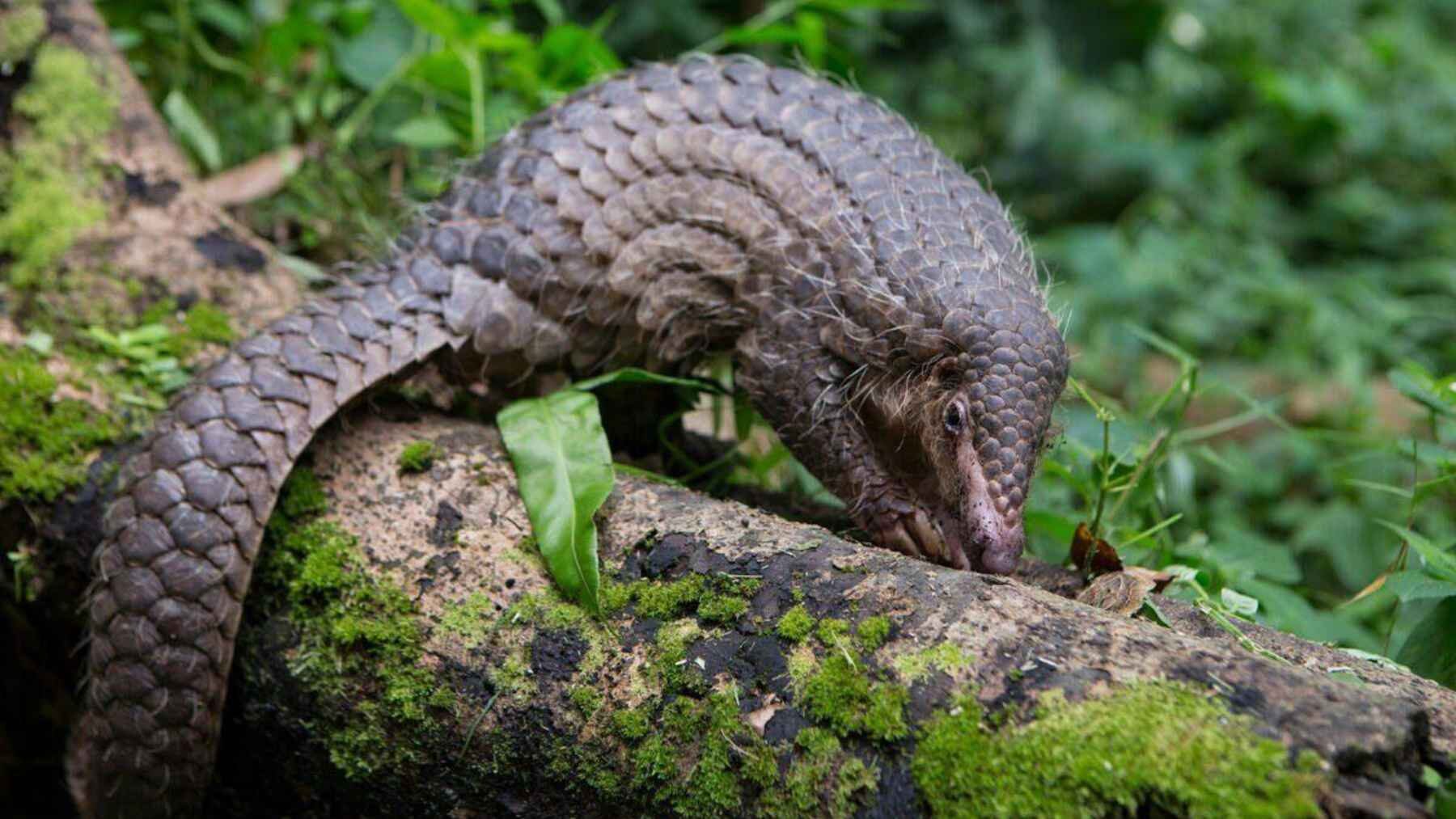
The pink iguana lives in the Galápagos. The Malayan pangolin is a nocturnal mammal covered in hard scales. Then there is the golden-crowned sifaka, a lemur found only in Madagascar.
Others face completely different problems.
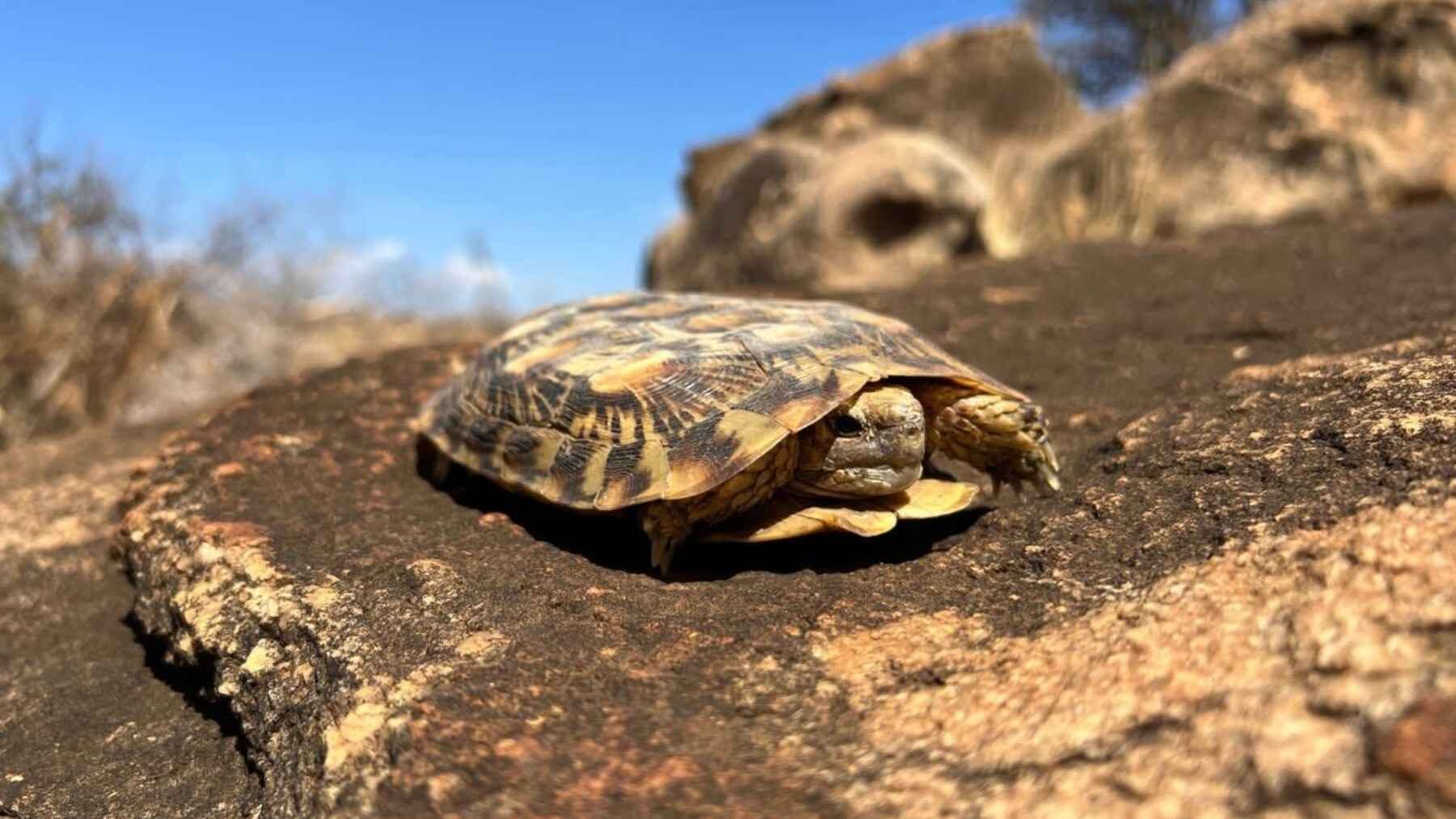
The pancake tortoise is threatened partly by the wildlife trade. The bowmouth guitarfish is under pressure from fishing. The Hickory Nut Gorge green salamander survives in a very small area of North Carolina. Australia’s night parrot is so elusive that simply finding the bird can be difficult.
Different species. Different threats.
That is exactly the challenge.
Why local leadership matters
More than 100 local and international partners are expected to take part, including Indigenous Peoples, community groups, scientists, conservationists, and governments.
Why does that matter?
Because people who live beside a forest, river, reef, or grassland often understand its problems in ways outsiders simply cannot. Think of the difference between looking at a street on Google Maps and actually walking down it every day.
That local knowledge can shape where animals are released, which threats need to be tackled first, and how conservation work fits into everyday life.
Conservation can actually work
Saving a species from extinction may sound like a last-minute rescue mission. Sometimes it is.
But conservation has worked before.
Research published in recent years has found that targeted conservation action can improve biodiversity or at least slow its decline in many cases. That includes habitat protection, invasive species removal, captive breeding, and restoring populations to places where they disappeared.
Still, nothing is guaranteed.
A tiny population can be hit hard by disease, storms, poaching, habitat loss, or simply one terrible breeding season. When only a few animals remain, every loss counts.
More than just counting animals
The Phoenix Species Project says it plans to track population recovery as well as reductions in the threats facing each species.
That distinction matters.
Imagine a species growing from 100 animals to 150 while its forest is still being destroyed. The population number looks better. The underlying problem does not.
Real recovery means more than adding animals to a spreadsheet. A population needs to reproduce, expand, and become less vulnerable to the next disease outbreak, drought, fire, or bad year.
That takes time.
A much bigger biodiversity problem
Even $200 million cannot solve the global extinction crisis on its own.
Not even close.
Scientists have identified tens of thousands of species around the world that face serious extinction risks. The Phoenix Species Project is targeting just 100 of them.
But the project could still matter beyond those individual species.
If the approach works, it may show other donors that long-term species recovery is worth funding. That could be one of its biggest impacts.
DiCaprio has said he hopes the project develops into a wider global movement that encourages more investment in nature. The idea is simple enough. Save these species, prove the model works, and perhaps others follow.
What happens now?
The real test starts after the headlines disappear.
For a pangolin, recovery might involve fighting illegal hunting and creating safer habitat. For a rare reptile, it may mean controlling invasive predators. For a threatened fish, reducing accidental capture could make the difference.
No dramatic movie ending here.
Species recovery is usually slow. One breeding season. One restored patch of habitat. One successful release. Then another.
The Phoenix Species Project now has money, attention, and an ambitious target.
The next five years will show what that can actually achieve.
The official Phoenix Species Project was announced by Re and the Bezos Earth Fund on Aug. 4, 2026.