The crisis unfolding along Senegal’s coast is no longer just a story about fish. It is about empty nets, higher food prices, lost work, and young people weighing dangerous journeys to Europe when the sea no longer pays enough to live on.
Foreign industrial fleets, including vessels linked to China, are now at the center of growing scrutiny over illegal, unreported, and unregulated fishing in West Africa. Reports estimate that Senegal loses close to $300 million a year to this kind of fishing, while the pressure on marine life is rippling through docks, fish markets, processing yards, and family kitchens.
A crisis at the dock
For generations, artisanal fishing kept many Senegalese coastal communities alive. In places such as Rufisque and Joal-Fadiouth, fishers have long relied on small boats, local knowledge, and seasonal runs of species such as sardinella and horse mackerel.
That routine is breaking down. Africa Defense Forum reported that fish stocks have fallen sharply over the past 15 years and that more than 1.3 million people tied to the fisheries sector face threats to their income. What used to feel like a reliable day at sea can now mean longer trips, more fuel, and less to sell when the boat comes back.
The pressure does not stop with the person holding the net. Fish processors, market sellers, dock workers, mechanics, and families all feel it when catches shrink. A lower supply also hits the dinner plate, especially for households that depend on fish as an affordable source of protein.
What illegal fishing means
Illegal, unreported, and unregulated fishing sounds technical, but the idea is simple. It can mean fishing without permission, hiding or misreporting catches, or operating where rules are weak or not enforced. The Food and Agriculture Organization says it can happen both inside national waters and on the high seas.
Bottom trawling is one of the most criticized practices. Heavy nets are dragged across the seafloor, catching target fish along with young fish and other marine life that may never reach the market. It is a bit like scraping a garden before the plants have had time to grow.
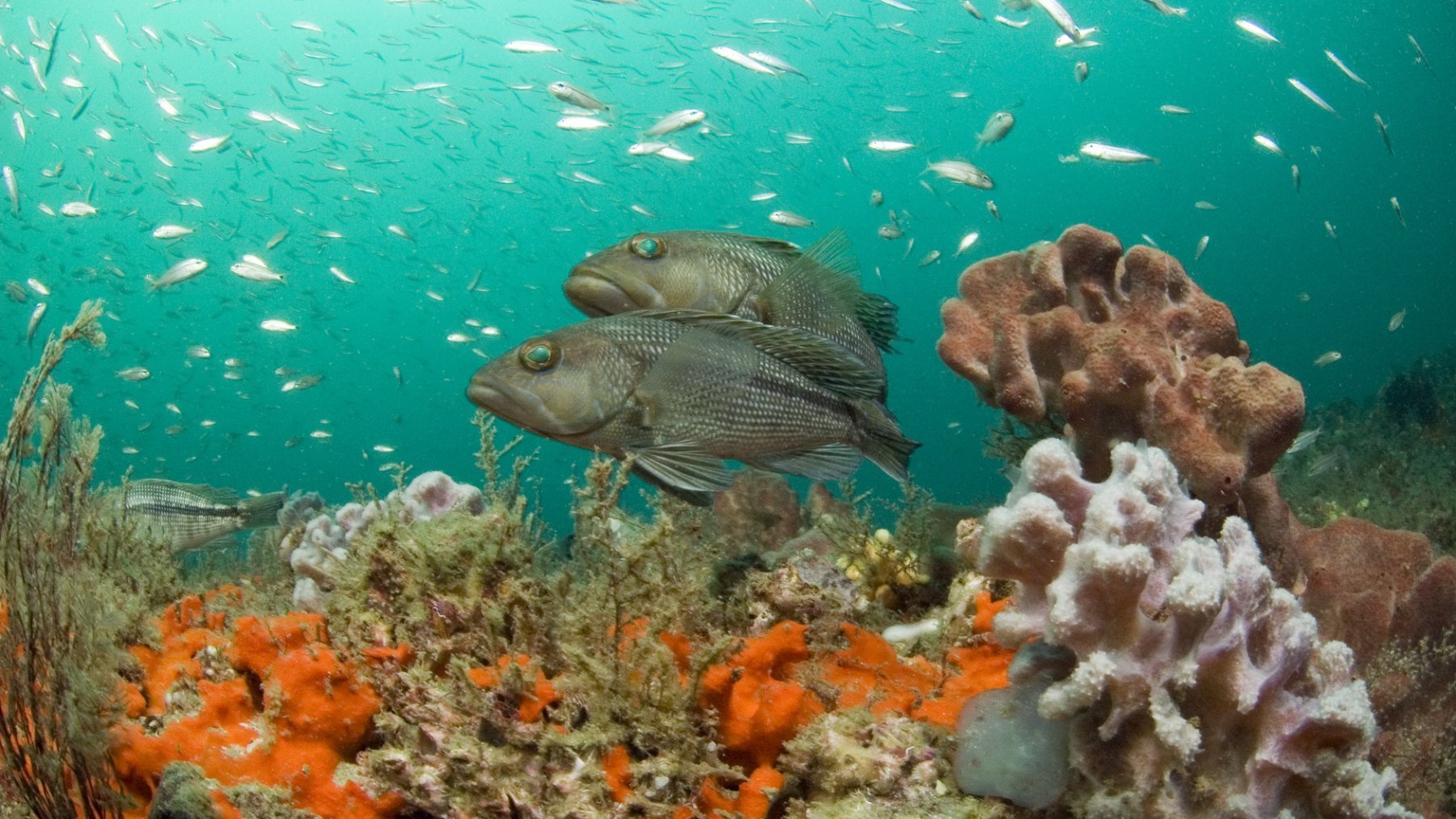
That matters because fish populations need safe places to reproduce. When those areas are damaged again and again, recovery becomes harder. For a small fishing boat, the result is immediate and painfully practical. Less fish, less money, more debt.
West Africa is under pressure
West Africa has become one of the world’s main hotspots for industrial illegal fishing. The Financial Transparency Coalition found that Africa accounts for nearly half of identified industrial and semi-industrial vessels involved in illegal, unreported, and unregulated fishing, with about 40 percent concentrated in West Africa alone.
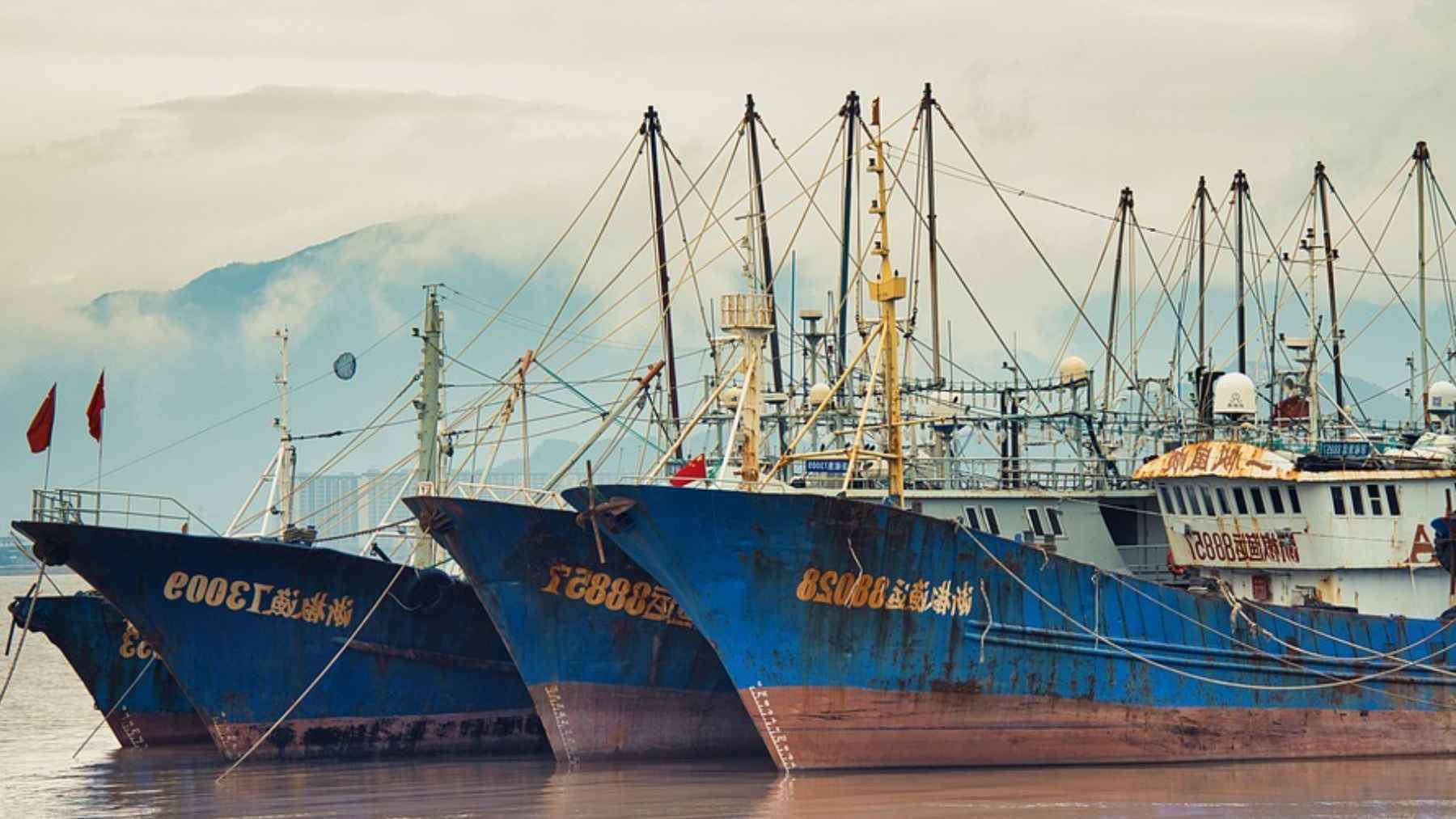
China appears often in these discussions because it operates the world’s largest distant-water fishing fleet. ODI Global researchers found that the fleet’s ownership and operations are complex and opaque, with nearly 1,000 Chinese distant-water vessels registered in other countries and at least 183 vessels suspected of involvement in illegal fishing.
Still, this is not a one-country problem. Investigations and advocacy groups point to foreign-controlled vessels with Spanish, Chinese, and other ownership links. That’s where the story gets messy, because a boat’s flag does not always tell you who controls it or where the profits go.
Fish, food, and migration
The Environmental Justice Foundation has warned that Senegal’s fisheries are facing deep stress. The Associated Press reported on the group’s findings that 57 percent of assessed fish stocks in Senegal are in a state of collapse, while 43.7 percent of licensed vessels are foreign-controlled, mainly of Spanish and Chinese origin.
The food impact is just as striking. AP reported that fish consumption in Senegal fell from about 64 pounds per person per year to about 39 pounds per person per year as fish populations declined. For families used to buying fish at the market, that kind of drop can change what dinner looks like.
The loss of income is also feeding migration pressure. Some former fishers have told reporters that the dangerous trip toward Spain’s Canary Islands felt like the only option left. “If I was able to gain enough money in fishing, I would never have come to Europe,” Memedou Racine Seck told AP.
Senegal and Europe respond
The European Union decided not to renew its fishing agreement with Senegal in 2024 after the country was identified as non-cooperating in the fight against illegal fishing. EU officials pointed to failures in monitoring, control, surveillance, and traceability systems, including controls on foreign vessels in the port of Dakar.
President Bassirou Diomaye Faye had promised to revisit the fishing sector and the EU agreement, a sign that the issue had moved from the docks into national politics. Many Senegalese fishers argue they cannot compete with industrial trawlers that can work faster, farther, and at a much larger scale.
In March 2026, Senegal and Spain signed a memorandum of understanding focused on maritime fisheries and the fight against illegal fishing. Spain’s government said the cooperation will support traceability, control, sustainability, research, training, and stronger fisheries governance.
Technology is not enough
Satellite tools, vessel tracking systems, and smartphone reports from fishers can help expose suspicious movements at sea. In practical terms, they can turn a quiet ocean into a space where authorities have more eyes.
But technology only works when someone responds. A tracker can show where a vessel went, but inspectors, courts, port authorities, and transparent license records are still needed to turn evidence into consequences.
That is why transparency keeps coming up. Who owns the vessel? Who granted the license? Where did the fish land? Without answers, the same pattern can continue under a different flag.
The fight over fish is bigger now
Senegal’s fishing crisis shows how an environmental problem can become an economic and migration issue almost overnight. When fish disappear, the shock does not stay underwater. It moves through school fees, market prices, unpaid loans, and the quiet decisions families make when work dries up.
The harder question is whether Senegal and its partners can rebuild trust before more communities are pushed to the edge. For the most part, experts agree on the basics. Better monitoring, clear ownership records, stricter enforcement, and real protection for small-scale fishers are no longer optional.
The main report has been published by the Environmental Justice Foundation.