On France’s Atlantic coast, fishers in Charente-Maritime say a new “unwanted catch” is showing up more often in their nets and dredges. It is Rapana venosa, a large sea snail that preys on oysters, mussels, and other shellfish.
Instead of treating it only as a pest, some in the fishing sector want to turn it into a regulated product that can be harvested and sold.
The logic feels almost too straightforward. If an invasive species is multiplying, why not remove it and make it pay its way? The trouble is that turning a wild invader into seafood is not just a recipe idea – it is a public decision with rules, risks, and real stakes for local shellfish farms.
A shellfish coast on edge
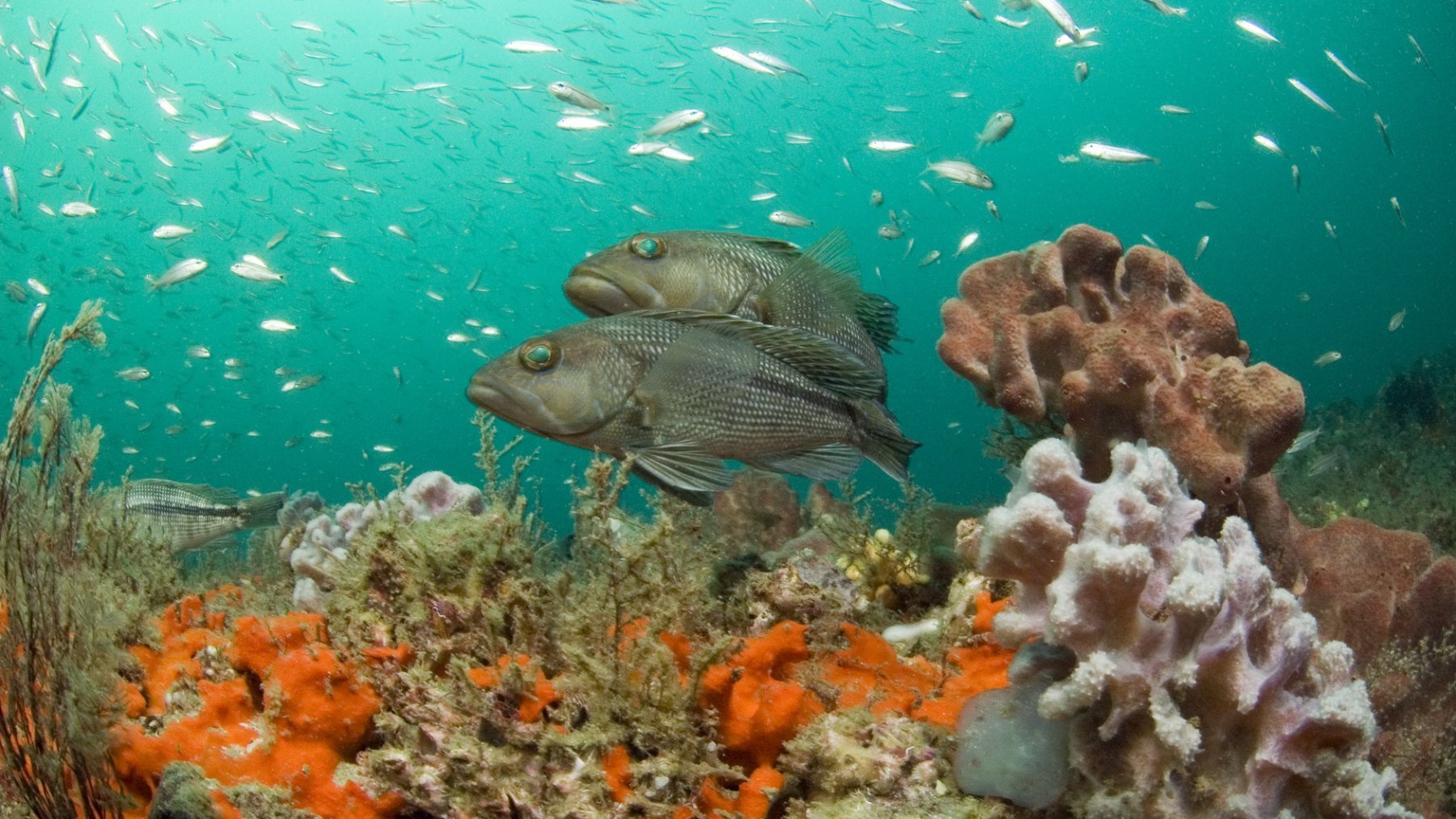
Charente-Maritime is not just another stretch of shoreline. It is a place where conchyliculture, which is shellfish farming, shapes the landscape and a big part of the local economy, from family-run farms to the seafood platters tourists order without thinking twice.
That is why a predator that targets bivalves matters. Bivalves are shellfish with two hinged shells, like oysters, mussels, and clams, and they are the foundation of the local industry. When something starts eating them in the wild, people pay attention fast.
Meet Rapana venosa
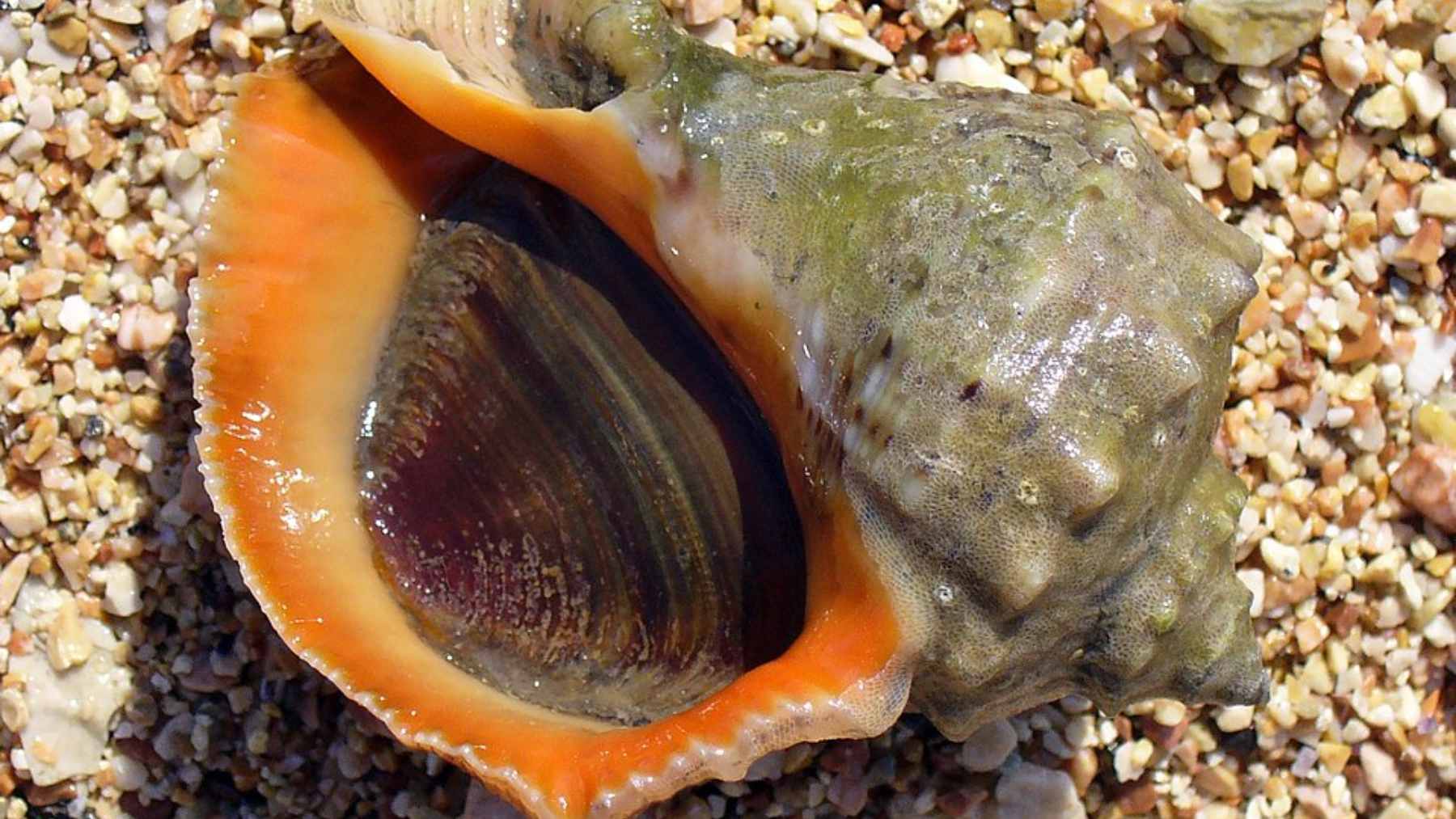
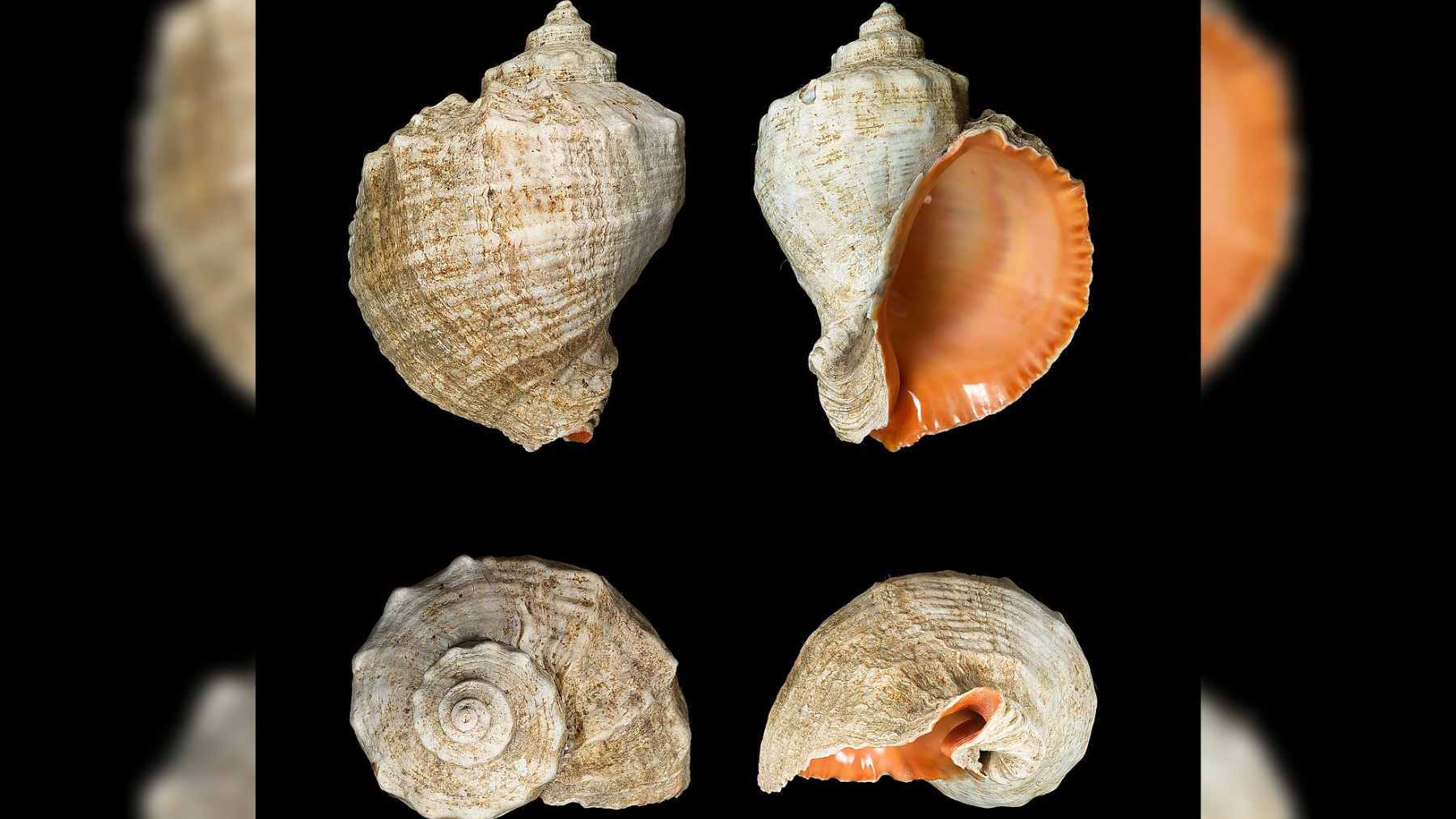
Rapana venosa is big for a sea snail, often around 5 to 6 inches long and sometimes close to 8 inches. It has a thick shell and a wide opening that can look bright orange inside, and it originally comes from the western Pacific near Japan, China, and Korea.
In French waters, it has been reported in areas linked to the Bay of Biscay and the Mediterranean, where it can live buried in seafloor sediment while juveniles cling to shallow hard surfaces.
Biologists call it a gastropod, which is the broad group that includes snails and slugs. What makes this one different is the diet. It is a carnivore that can break into other shellfish, and that can ripple through the local food web over time.
How much can one snail eat
One reason Rapana venosa worries shellfish producers is that it can be surprisingly efficient. The Smithsonian Environmental Research Center’s Marine Invasions program points to lab experiments where smaller rapa whelks ate about 3.6% of their body weight in clams each day, while larger ones ate closer to 0.8%.
The same resource notes that, in parts of the Black Sea, commercial fisheries developed and the snails have been shipped to markets in Japan and Korea.
Those percentages sound abstract, so it helps to picture a shellfish bed as a buffet that cannot run away. A single predator is not the whole story. The concern is what happens when the animals are numerous, spread out, and hard to spot until the damage is already done.
Tracking an invader with environmental DNA
To keep up with that kind of threat, researchers and professionals have been building a clearer picture of where Rapana venosa is showing up. A project called RAPSODI, led by Jean-François Pépin at Ifremer with partners including CDPMEM 17, is testing ways to detect non-native species using environmental DNA, which is genetic material organisms leave behind in the water.
The project’s tracking of reported live catches in the Pertuis and Gironde area lists 51 individuals in 2020 and 157 in 2023, along with a rise in the number of reports from 22 to 56 over the same period.
Environmental DNA is sometimes described as a kind of biological fingerprint, even though it is more like scattered crumbs than a clean print. You collect water, look for species-specific genetic traces, and use that to flag what is present.
It cannot answer every question, but it can give an early warning before a diver or a fisher sees the animal directly.
Turning a pest into a product
So what do fishers want, exactly? Local reporting from Le Parisien describes fishers pushing for targeted harvesting and legal sales, arguing it could slow the snail’s spread while creating a new source of income.
The same reporting says normal commercialization is not currently authorized in France, even as catches appear to be rising, with one fisherman describing a jump from about “five to ten a year” to “50 to 70.”
Could selling it make the problem better, or could it make it worse? That is the uncomfortable question regulators would have to face. A market can motivate removal, but it can also create incentives to keep the species around, so any plan would need tight controls from dock to dinner plate.
A menu name in Europe, but not everywhere
One detail adds an extra twist. The European Commission runs a seafood naming database that lists Rapana venosa with recognized commercial names in several countries, including Belgium, Bulgaria, Italy, Portugal, and Spain.
That kind of listing supports labeling and traceability when a species is sold, but it does not automatically mean every country has embraced it as a mainstream product.
If France ever moves toward legal sales, the next steps would likely look familiar to anyone who has watched new seafood products enter the market.
Officials would need to decide how it can be harvested, how it must be handled so it cannot be spread alive, and what health testing is required before it reaches stores or restaurants. And behind all of that is the same practical goal that started this debate in the first place: keeping oysters and mussels on the coast and on the menu.
The original project summary was published on the Centre de ressources espèces exotiques envahissantes website.