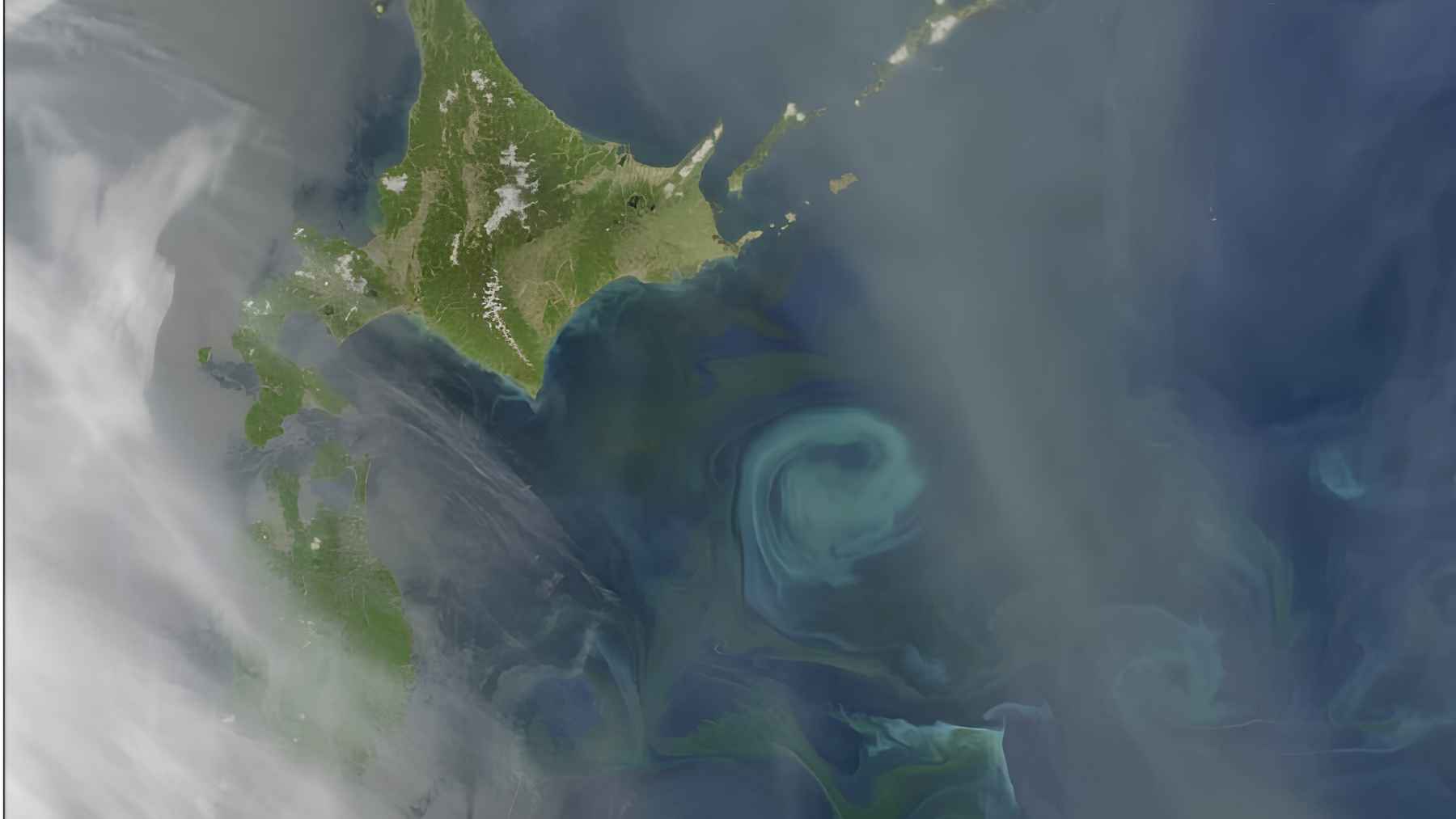
The Pacific Ocean off Japan is behaving in ways that are hard to shrug off as “normal variability.” A major current system known as the Kuroshio Extension has taken an unusual northward path, pushing warm water into parts of northeastern Japan that typically stay much cooler.
Researchers say the knock-on effects are already visible, from shifting fish catches and stressed kelp harvests to land impacts such as extreme summer heat and heavy rain. It is a reminder that when the ocean changes course, it can show up at the dinner table and in the weather forecast.
The Kuroshio is Japan’s climate conveyor belt
Think of the Kuroshio like the Pacific cousin of the Gulf Stream. It transports warm tropical water northward, and that heat and moisture help shape coastal climate around Japan.
Off the Sanriku coast, warm Kuroshio waters meet colder subarctic waters, creating an ocean “front” that supports productive fisheries. What happens when that boundary shifts? Fish, plankton, and even storms can shift with it.
A northward turn that broke the recent record
Tohoku University says the Kuroshio Extension began bending north at the end of 2022, instead of peeling eastward offshore as it usually does. By spring 2024, its northern edge had reached waters off Aomori Prefecture, which the researchers describe as unprecedented in roughly the last 30 years of satellite records.
In the peer-reviewed analysis behind that announcement, Sugimoto and colleagues tracked the current’s position using satellite sea surface height data and found it reached around 40°N by December 2023 at 144°E. They note this is the first time it has meandered that far north since satellite sea surface height observations began in 1993.
Record heat from the surface to nearly a half mile down
Tohoku University reports that, for roughly the most recent year covered in its analysis, sea surface temperatures off Sanriku ran about 6°C (about 11°F) above the long-term average. That is an anomaly large enough to rearrange local marine life, not just nudge it.
The warming also went deep. During a Japan Meteorological Agency research cruise in May 2024, the team found unusually warm water down to about 700 meters (around 2,300 feet), with water near 400 meters (about 1,300 feet) more than 10°C (about 18°F) warmer than normal.
Tohoku University also says the warm ocean boosted air temperatures, with the influence reaching roughly 2,000 meters (about 6,600 feet) up into the atmosphere.
Sugimoto’s paper, using satellite records from April 2023 through August 2024, reports average sea surface temperature anomalies of about +4.9°C (about +9°F) and marine heatwave conditions on most days in the study region. In places, short-lived spikes exceeded 10°C (about 18°F), showing how extreme the warm pool became.
Fish on the move, catches under pressure
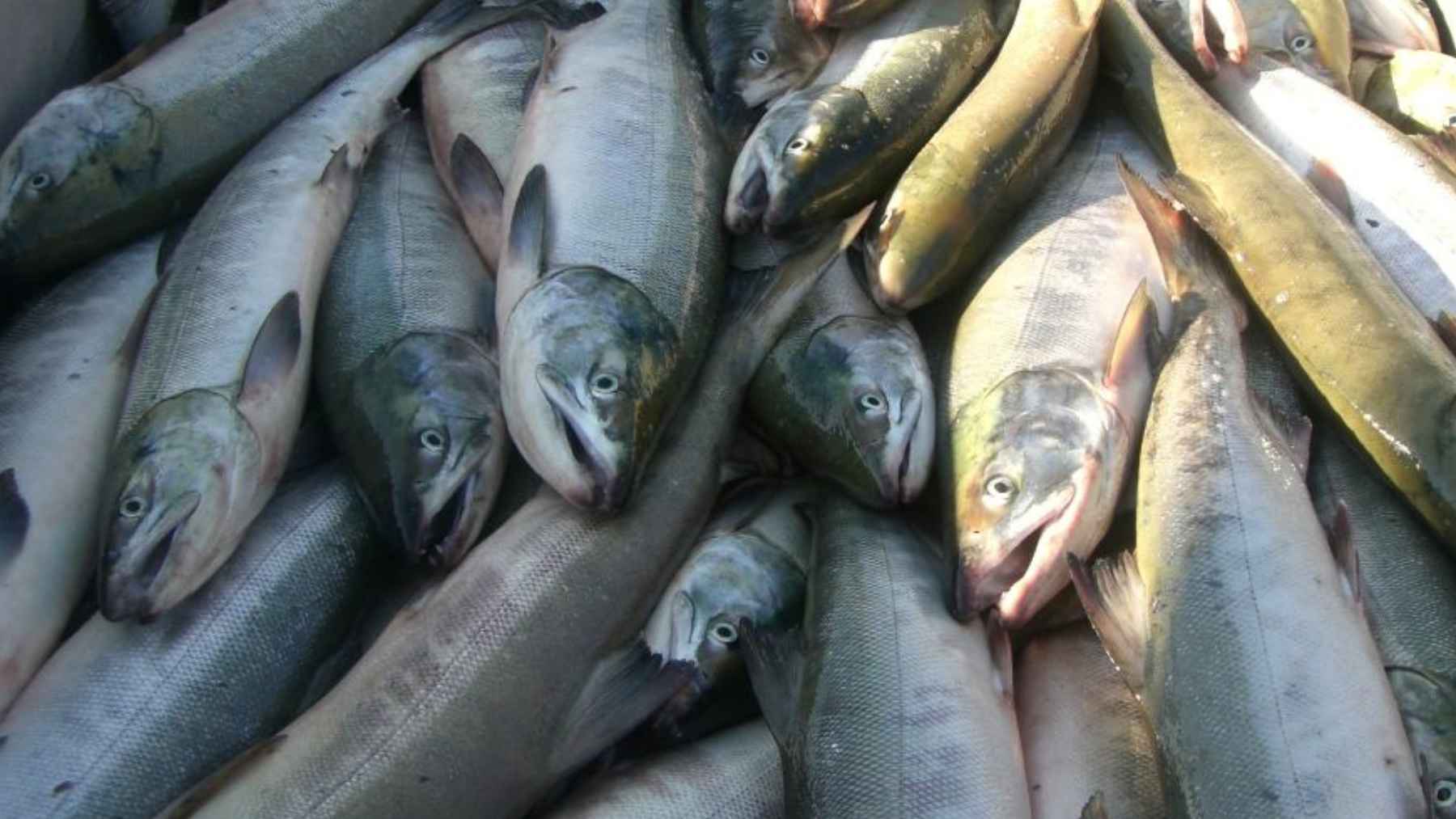
One early signal is who shows up where. Tohoku University says warm-water fish species that are not usually seen that far north have been observed off Miyagi Prefecture since 2023, suggesting the ecosystem is already being reshuffled.
Japan’s iconic Pacific saury offers a more data-heavy example. Nippon.com reports that annual landings were around 200,000 metric tons (roughly 220,000 U.S. tons) from 2001 through 2014, but since 2019 have stayed below 50,000 metric tons (around 55,000 U.S. tons). In Japan, this species is a traditional autumn favorite, so big swings in availability can hit households quickly.
Salmon are also under pressure across the wider North Pacific. A Hokkaido University press release summarizing research published in Scientific Reports says suitable habitat for Japanese chum salmon has declined overall from 1998 to 2022 as ocean warming and marine heatwaves intensify.
“Suitable habitats have declined overall due to ocean warming, reduced zooplankton, and increasingly frequent marine heatwaves,” said Assistant Professor Irene D. Alabia.
Kombu and the future of dashi
Fish are not the only part of food culture exposed to warming seas. Kombu kelp is central to dashi, a broth base that anchors everyday cooking, and it depends on the right coastal conditions to thrive.
Hokkaido produces about 95% of Japan’s kombu, and harvests there have fallen by about two-thirds over the last 30 years, according to data summarized by Nippon.com. The same report notes fiscal 2024 harvests of 8,213 metric tons, or about 9,050 U.S. tons, dropping below the 10,000-metric-ton mark.
When a marine heatwave shows up on land
Ocean heat does not stay offshore. The Japan Meteorological Agency’s Tokyo Climate Center said unusually high ocean temperatures around northern Japan were “likely” a contributor to the region’s record hot summer in 2023, through processes such as reduced low-level cloud and increased sunlight reaching the surface.
The same warm pattern has been tested as a driver of extreme rain. A 2025 Scientific Reports study found the marine heatwave linked to the Kuroshio Extension’s large meander contributed about 300 millimeters (about 12 inches) of additional precipitation in simulations, accounting for roughly 70% of the total rainfall in the modeled September 2023 event.
What to watch next
Scientists are clear that better monitoring is not a luxury. Sugimoto’s team argues that continued ship-based observing and careful tracking are needed to assess impacts on marine ecosystems, fisheries, and local economies as the current’s unusual behavior persists.
For coastal communities, adaptation can look surprisingly practical. More frequent marine heatwave alerts, flexible fisheries planning, and honest communication about shifting seasonal seafood can reduce the number of bad surprises at the dock and at the grocery store.
Japan’s warming seas are now a living experiment in how climate change can move through the ocean and into daily life.
The press release was published on Hokkaido University.