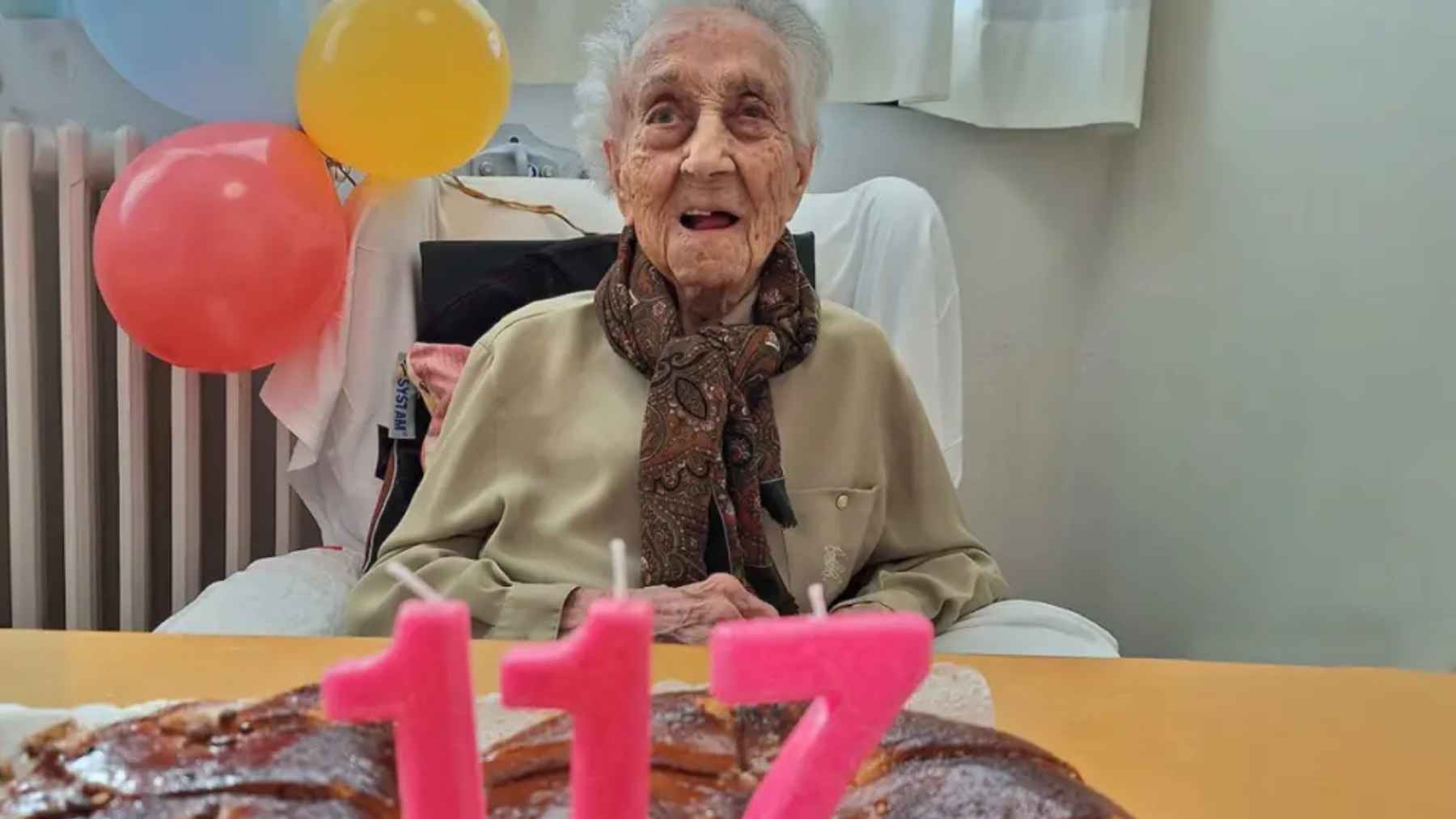
Scientists have decoded the biology of Maria Branyas Morera, the woman who reached 117 while staying surprisingly healthy, and the results suggest that growing old and growing sick are not always the same story.
In a new study, researchers used a full multiomics approach on her blood, saliva, urine, and stool, reading her genome, epigenome, metabolome, proteome, and gut microbiome. Their conclusion is simple to say and harder to ignore. Her cells looked and behaved as if they were far younger than the birthday on her ID.
For her home region of Catalonia, where women typically live to around 86, she added more than three extra decades. Yet she avoided cancer, dementia, and other common age-related diseases until the very end of her life.
A body that aged more slowly on the inside
To understand what made her different, scientists at the Josep Carreras Leukaemia Research Institute turned to so-called epigenetic clocks, tools that estimate biological age by reading chemical tags on DNA.
Across six different clocks, Maria’s blood and other tissues came out 10 to 30 years younger than her real age. A separate clock based on ribosomal DNA suggested her cells were about 23 years younger.
In everyday terms, her body was living in one decade while the calendar said she was in another. That slower internal aging lined up with what doctors saw in the clinic. Strong heart and blood vessels, sharp mind, and only moderate age-related problems in her final months.
There was a twist. Her telomeres, the protective DNA caps often used as a marker of aging, were among the shortest the team had ever measured in healthy volunteers. Instead of predicting disease, the authors suggest those worn down telomeres might even have helped prevent runaway cell growth and cancer by limiting how often cells could divide.
Genetic resilience without the usual age-related diseases
On the genetic side, the team found a patchwork of rare variants that are almost absent in European populations. Some were linked to better immune function, heart protection, and brain health. Others affected mitochondria, the tiny power plants in cells, which looked unusually robust for someone well past 100.
She did show classic signs of very advanced age in her blood. There were mutations associated with clonal hematopoiesis, a phenomenon where certain blood stem cells take over with age, and an expanded pool of aged B cells.
In many people, those features go along with higher cancer and cardiovascular risk. In her case, they did not. The authors think protective gene variants and a vigilant immune system may have helped keep trouble in check.
A childlike microbiome in a 117 year old gut
One of the most striking findings came from her gut. Her intestinal microbiome showed the kind of diversity scientists usually see in much younger people, with high levels of Bifidobacterium, a bacterial group that tends to decline with age and is often linked to lower inflammation.
How does that connect to the way we live from day to day?
Maria spent her later years following a Mediterranean-style diet, rich in vegetables, legumes, olive oil, and modest portions of fish. She also ate around three plain yogurts every day. Those yogurts carried bacteria such as Streptococcus thermophilus and Lactobacillus delbrueckii that can support the growth of Bifidobacterium in the gut.
Her blood chemistry reflected that internal ecosystem. She had very low levels of triglycerides and very low-density lipoprotein cholesterol, which are linked to cardiovascular risk, and very high levels of high-density lipoprotein, the so-called good cholesterol. Inflammatory markers tied to heart disease and early death were also unusually low.
In short, her inner environment looked a lot like what cardiologists and nutrition scientists recommend when we worry about our cholesterol numbers and that rising energy bill from hospital visits later in life.
What the rest of us can realistically learn
The authors are careful not to oversell one extraordinary case. Studying a single supercentenarian cannot tell us how long any one person will live, and many of Maria’s genetic advantages cannot be copied. Larger, long-term studies are already under way to see whether the same patterns appear in other very old people.
Still, some lessons feel familiar in a comforting way. She did not smoke, did not drink alcohol, walked daily, stayed socially active, and kept close to nature through her garden and pets. Her diet matched what other research has already linked to better heart and brain health in Mediterranean populations.
At the end of the day, her story suggests that a resilient genome and a nurturing environment can pull in the same direction. Genes may load the dice, but everyday choices about food, movement, and community help decide how those dice roll over many decades.
For longevity science, this supercentenarian offers something rare. A reminder that advanced age does not have to mean long years of illness, and a roadmap of molecular clues that might one day guide therapies aimed at extending healthy life rather than simply adding birthdays.
The study was published in Cell Reports Medicine.