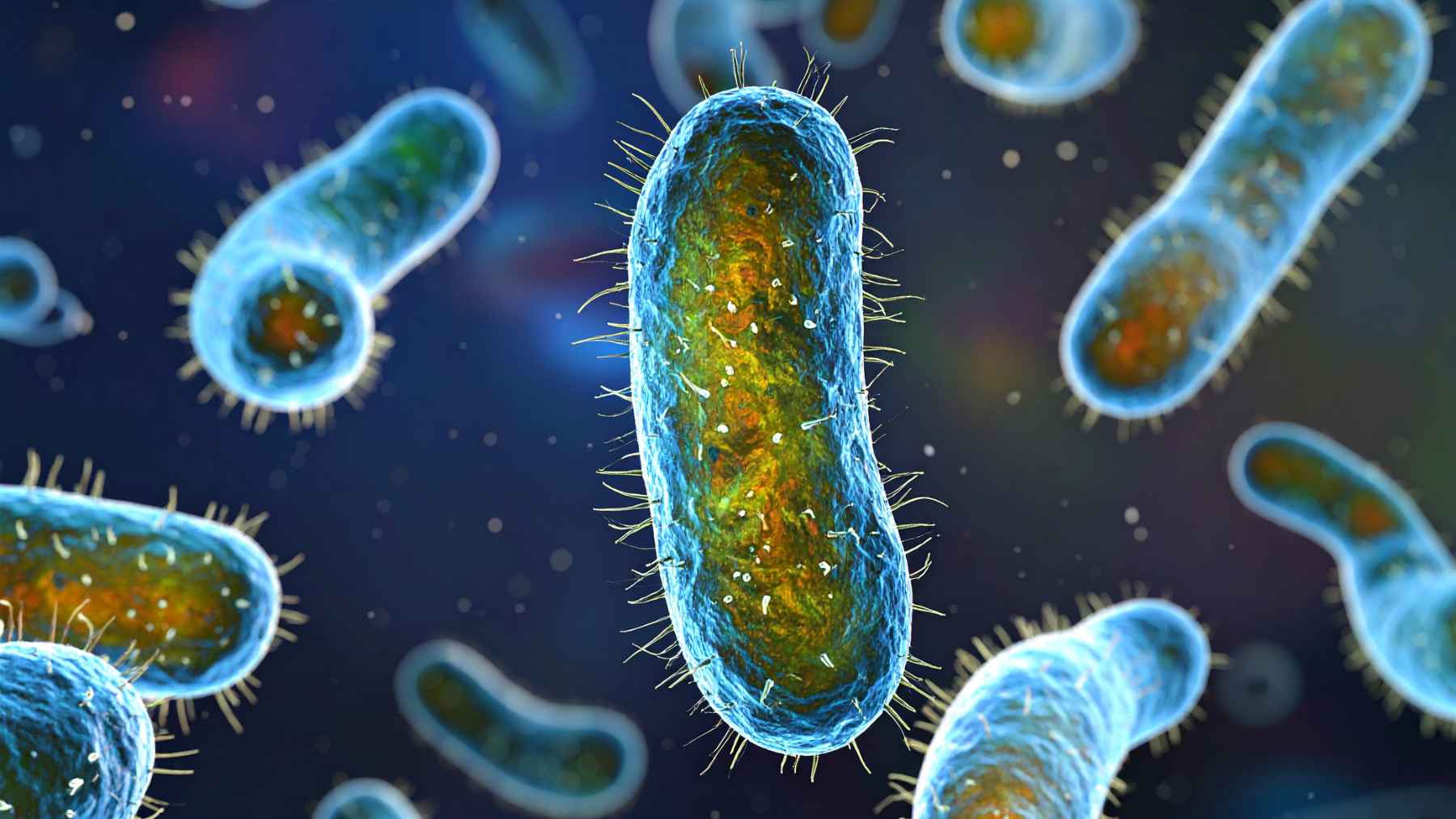
Could a microbe built from biology’s “wrong-handed” building blocks slip through nature’s defenses like a ghost? A recent MIT Technology Review article has reignited debate over “mirror life,” a still-hypothetical form of synthetic biology that some researchers say could pose extraordinary risks if it were ever created.
No lab has produced a living mirror organism that can reproduce on its own, and many experts think that capability is at least a decade away. But a December 2024 risk assessment signed by 38 prominent scientists, including two Nobel Prize winners, argues the right time to set boundaries is before the first big breakthrough.
The warning comes with a simple logic, if the stakes are planetary, you do not wait for a close call to start drafting safety rules.
What “mirror life” is
Mirror life is shorthand for organisms built from molecules with the opposite “handedness” of the ones used by every known life form. Scientists call this chirality, and it is easier to picture than it sounds, like how your left and right hands look similar but cannot be perfectly lined up.
Natural biology is consistent about this molecular orientation, and that consistency shapes how cells work. DNA, RNA, proteins, and many other parts of life fit together because their shapes match, almost like a lock and key system that has been refined over billions of years.
One important nuance often gets lost in the headlines. Making mirror molecules is not the same as making a mirror organism, and the gap matters for both risk and benefit. A UK government briefing explains the difference and why mirror molecules can still have legitimate uses in research and medicine.
Why it could evade biology’s defenses
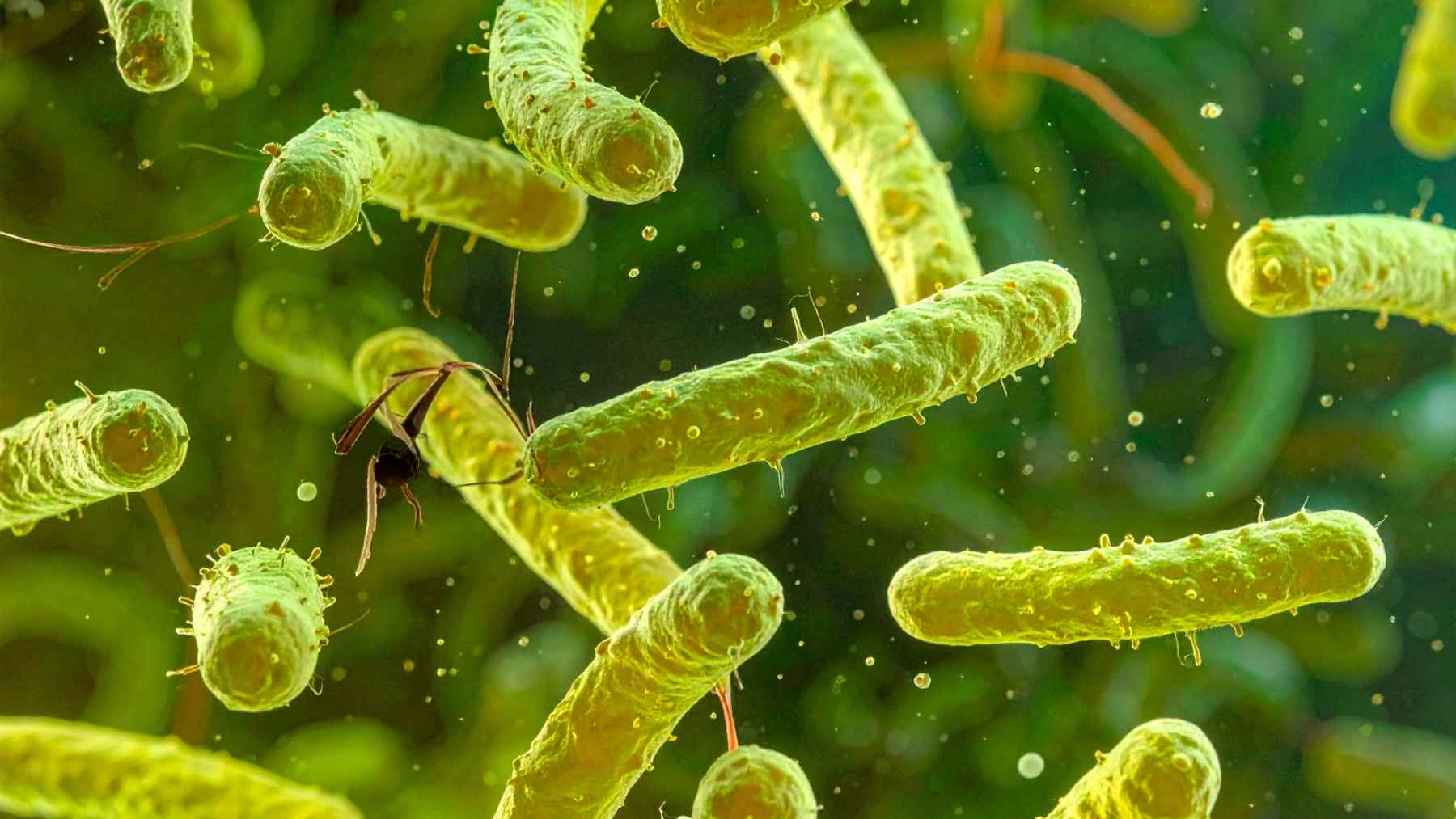
The main fear is not that a mirror microbe would be “stronger,” but that it could be harder to recognize. Immune systems, antibiotics, and even natural predators that attack microbes often rely on reading molecular shapes. If the shape is flipped, many of those defenses might fail to latch on in the usual way.
The 2024 risk assessment says researchers “cannot rule out” a scenario where a mirror bacterium behaves like an invasive species across multiple ecosystems. In plain language, the worst case is not just a new disease in humans, but a chain reaction that also hits plants and animals that keep food webs stable.
David Relman, a microbiologist at Stanford University, summed up the concern in a CNN interview with an unusually stark warning. He said mirror organisms could “proliferate without control, propagate around the world and displace or eliminate numerous forms of life.” That is the kind of sentence that makes scientists sit up straight, even when they disagree on the details.
How far scientists have actually gotten
Despite the dramatic language, no one is claiming mirror life is sitting in a freezer, ready to thaw. What has changed is the steady accumulation of “mirror tools,” especially mirror versions of enzymes, the protein machines that drive basic chemistry inside cells.
A 2021 study in Nature Biotechnology described a chemically produced mirror version of a DNA-copying enzyme and used it to assemble a mirror gene, which is a meaningful step toward a parallel molecular toolkit. It does not create a living organism, but it shows that key pieces of the puzzle can be built and can function.
Still, turning parts into a full self-replicating cell would require many more components working together, including complex systems that build proteins and manage energy.
A 2024 briefing describing the risk assessment suggested mirror organisms might be 10 to 20 years away and estimated that a coordinated push could cost on the order of $500 million. Big money, yes, but not unimaginable in a world where biotech investment regularly reaches into the billions.
Moratoriums and red lines take shape
The response has not only been academic debate, it has also been organized restraint. In February 2025, the Spirit of Asilomar summit produced an entreaty titled “Risks from Mirror Life,” signed by nearly 100 experts, stating that mirror life should not be created unless future work convincingly shows it would not pose severe risks.
Momentum continued at a June 2025 international conference hosted at the Institut Pasteur in Paris, which focused on feasibility, hazards, and the question of governance before capability arrives.
Follow-up meetings later in 2025, including a gathering in Manchester, kept pushing the same theme, agree on the danger of a living mirror microbe while debating how to handle earlier-stage research.
Policy voices and funders have also entered the picture in a way that is rare for a technology that does not yet exist. UNESCO’s International Bioethics Committee recommended a precautionary global moratorium on creating “mirror cells” in its synthetic biology ethics report. Separately, the Alfred P. Sloan Foundation and Renaissance Philanthropy have said they will not fund work aimed at creating mirror organisms.
A governance gap that still worries experts
Here is where the story gets complicated. Many researchers broadly agree that creating a self-replicating mirror organism would be dangerous, but they argue about how far restrictions should reach, especially for basic mirror biology that could support drugs, diagnostics, or safer manufacturing.
Journalist Mark Peplow reported that “pretty much everybody agrees” mirror cells would be risky, yet there is still “broad debate” over what limits should apply to research that stops short of building a living organism.
That debate is colliding with a more practical problem, enforcement. In March 2026, the UN Secretary-General’s Scientific Advisory Board urged the creation of a dedicated global forum to develop governance frameworks and clarify red lines before a decisive technical leap happens.
The board’s basic point is that scientific consensus does not automatically become global policy, and right now there is no single, widely accepted mechanism to translate “we should not do this” into “no one can do this.”
In everyday terms, the warning is about timing. Once a new microbe is released, accidental or otherwise, it is not like recalling a faulty phone, and there may be no easy reset button. That is why so much of this debate is happening now, while mirror life remains an idea on the horizon rather than a thing in the world.
The main study has been published in Science.