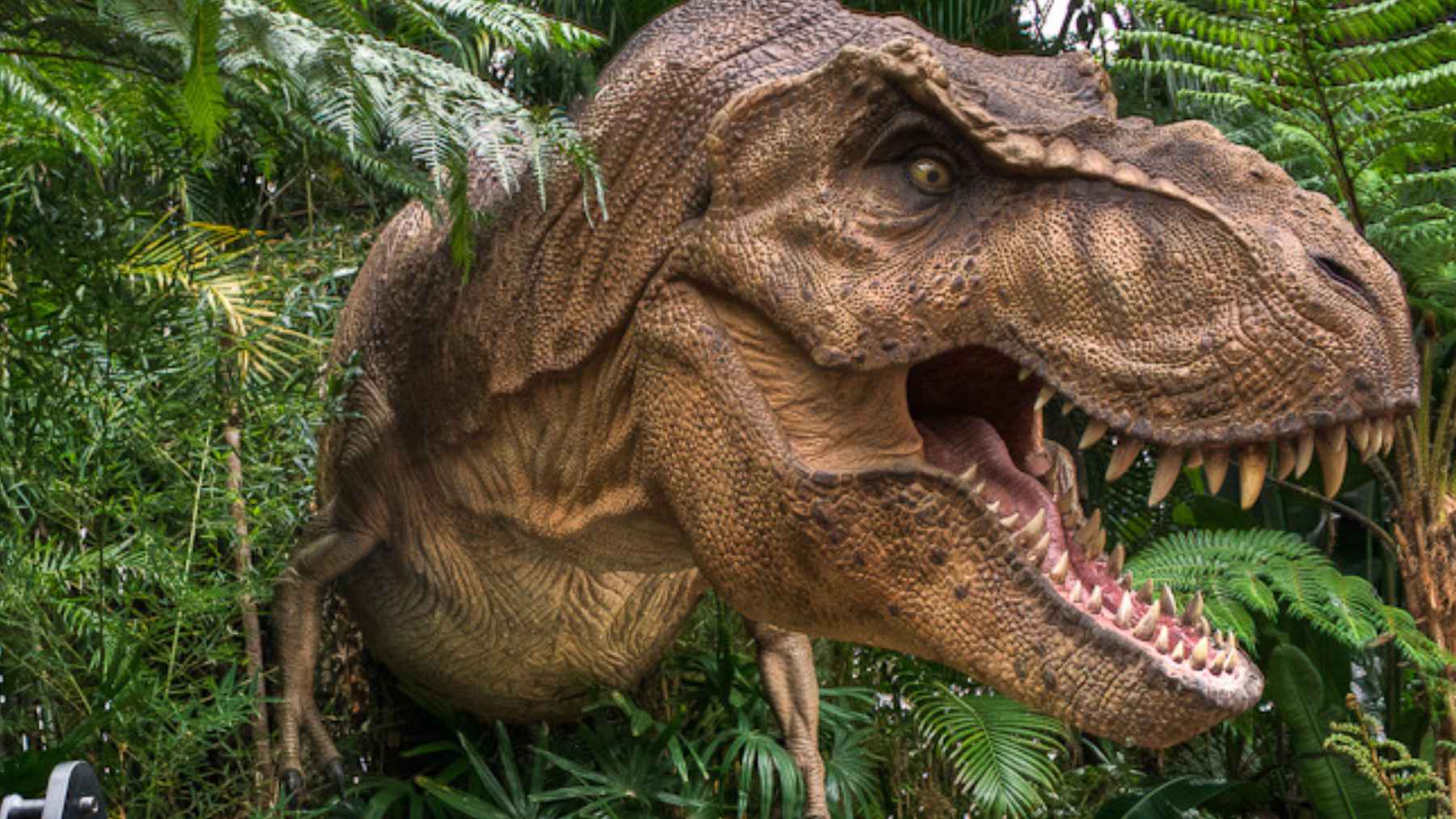
When Jurassic Park hit theaters in 1993, it did more than sell tickets. It quietly set the default “look” for dinosaurs in pop culture, from the rain-soaked Tyrannosaurus to the door-opening “Velociraptors.”
Now a YouTube creator is remaking famous scenes with updated designs based on current evidence, and the results underline a simple point. Science has moved on, and the real animals were often stranger, sometimes fuzzier, and in a few cases built for different lifestyles.
Scientific accuracy keeps evolving
“Scientifically accurate” dinosaur art is not a final answer. Fossils are incomplete, and soft parts like feathers, skin texture, and lips rarely preserve well, so researchers make careful guesses from the evidence they do have.
A 2025 study led by Andrew Rowe and Emily Rayfield compared the skull mechanics of giant meat-eating dinosaurs. Published in Current Biology, it found that different lineages reached giant size with different feeding strategies, not one universal design.
That matters for movies because “big predator” is not a single template. Two animals can look similar at a distance, yet their heads, teeth, and hunting style can tell very different stories.
Raptors were smaller and feathered
In Jurassic Park, raptors are roughly human-sized and built like scaly sprinters. The real Velociraptor mongoliensis was far lighter, about 6 feet long and roughly 40 pounds, according to an American Museum of Natural History fact sheet.
Part of the movie look is Hollywood, but bigger relatives existed. The Natural History Museum of Utah says Utahraptor, another sickle-clawed predator, reached around 20 feet long and it was an inspiration for the franchise’s raptors.
Feathers are the other big shift. In 2007, a report from the same museum described quill knobs on a Velociraptor forearm, and lead author Alan Turner said it “definitely had feathers,” closer to a ruthless ground-running bird than a lizard. Would that really feel less terrifying at close range?
T. rex may have looked less like a crocodile
For years, people argued that Tyrannosaurus rex might have been partly feathered. In 2017, paleontologist Phil Bell at the University of New England and colleagues described tyrannosaur skin impressions that point to a scaly, reptile-like covering for the biggest species.
But “scaly” does not automatically mean a permanent toothy grin. A 2023 study highlighted by the University of Portsmouth argued that large predatory dinosaurs likely had scaly, lizard-like lips that covered their teeth when the mouth was closed.
Co-author Mark Witton suggested the popular lipless look “probably reflected preference” for a more ferocious style. If he is right, a more accurate T. rex might still scare you, but its face would read more like a giant lizard than a horror prop.
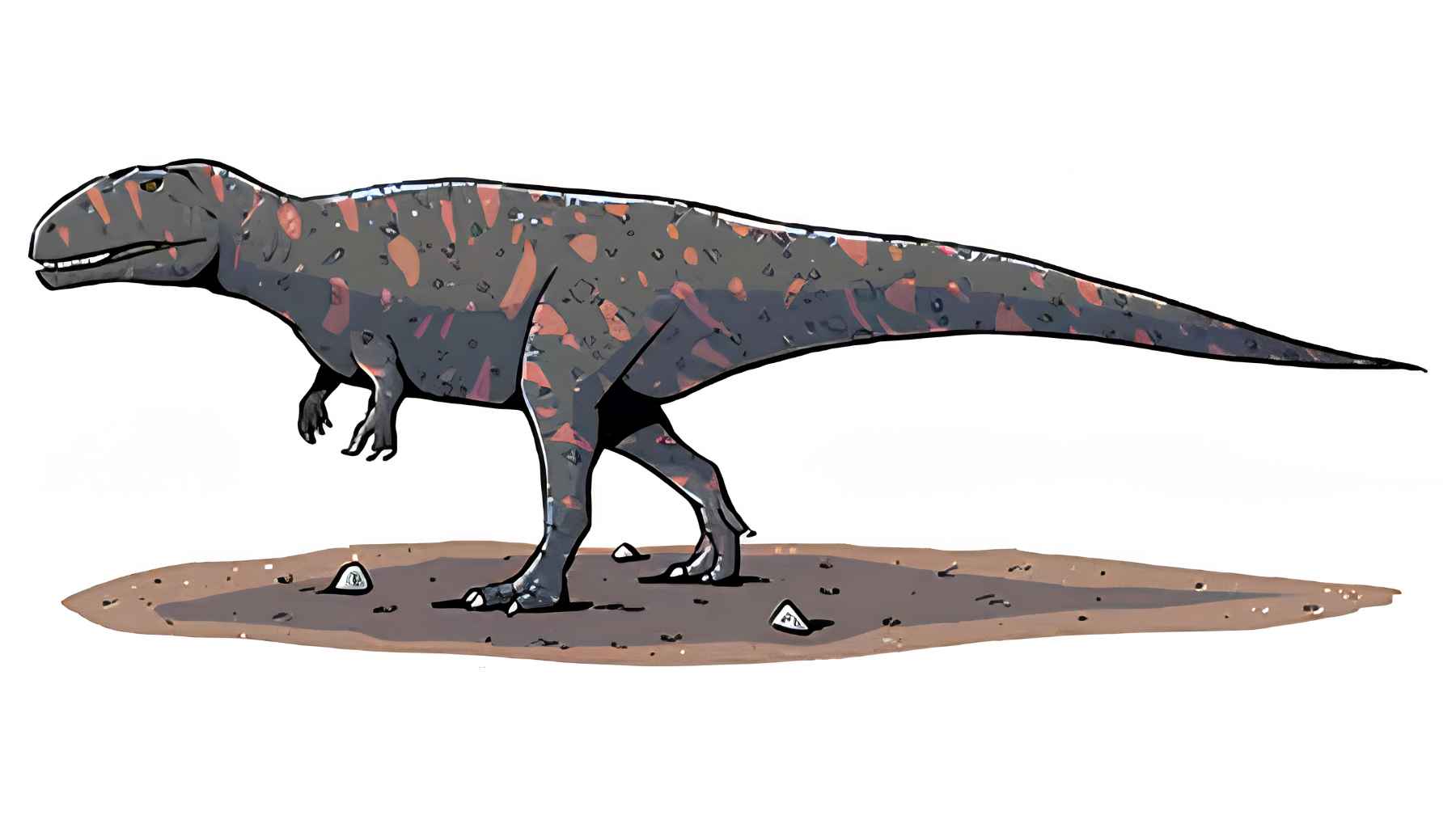
Artists are redesigning famous dinosaurs with updated fossil evidence, revealing creatures that may have looked far different from their Hollywood versions.
Spinosaurus was built for the water’s edge
Spinosaurus is a reminder that dinosaur “makeovers” are not just about feathers. In 2014, a team led by Nizar Ibrahim and Paul Sereno at the University of Chicago described traits that suggested Spinosaurus was adapted for a semiaquatic life, hunting along rivers and wetlands roughly 95 million years ago.
That picture clashes with the mostly land-based monster fight people remember from Jurassic Park III. It also explains why this dinosaur’s shape has changed so much across books, museums, and movies as new fossils and interpretations came in.
In 2020, a Nature study argued Spinosaurus had a tall, flexible tail that worked like a fin and tested tail models with a robotic setup in water. It also noted the broader debate about just how aquatic this dinosaur was.
“Biggest carnivore ever” is a slippery claim
Jurassic World Dominion framed Giganotosaurus as the largest carnivore audiences had ever seen. But “biggest” can mean length, weight, or even which fossil is most complete, and those are not always the same answer.
A dinosaur profile from London’s Natural History Museum puts Giganotosaurus at about 43 feet long and says it may have been longer but more lightly built than Tyrannosaurus. The same source also lists Spinosaurus as longer, around 46 feet, which shows how quickly the ranking changes depending on what you count.
This is not nitpicking. When skeletons are incomplete, scientists test multiple estimates and keep the uncertainty on the table, even if a movie poster cannot.
Color is the part we still mostly guess
Even when bone evidence is strong, color usually is not. A 2010 press release from the University of Bristol described how researchers linked preserved pigment structures to colors in some fossil feathers, including patterns like banding on a dinosaur’s tail.
That is real progress, but it does not give us a reliable color palette for every famous predator. So bright skins, muted camouflage, or dramatic striping in modern “accurate” redesigns are often plausible choices, not hard facts.
The most solid corrections are the unglamorous ones, like feather anchors in bone and tested swimming-tail models, even if debate continues. That is also the kind of change an artist can justify without guessing too much.
Why the franchise still matters
Jurassic Park was not made in a scientific vacuum. A 1993 Time magazine report quoted paleontologist Robert Bakker saying Spielberg chose real dinosaurs because they were “more exciting than made-up dinosaurs.”
On the other hand, the franchise also tells viewers not to treat its animals as perfect replicas. In an interview with WIRED, Jurassic World director Colin Trevorrow pointed to the story’s DNA mixing and said “there’s nothing in Jurassic Park that is natural.”
That tension is why the accuracy debate keeps coming back, and why fan remakes keep finding an audience. The main video behind this latest redesign has been published on FilmCore’s official YouTube channel.
The main study was published in Current Biology on ScienceDirect.