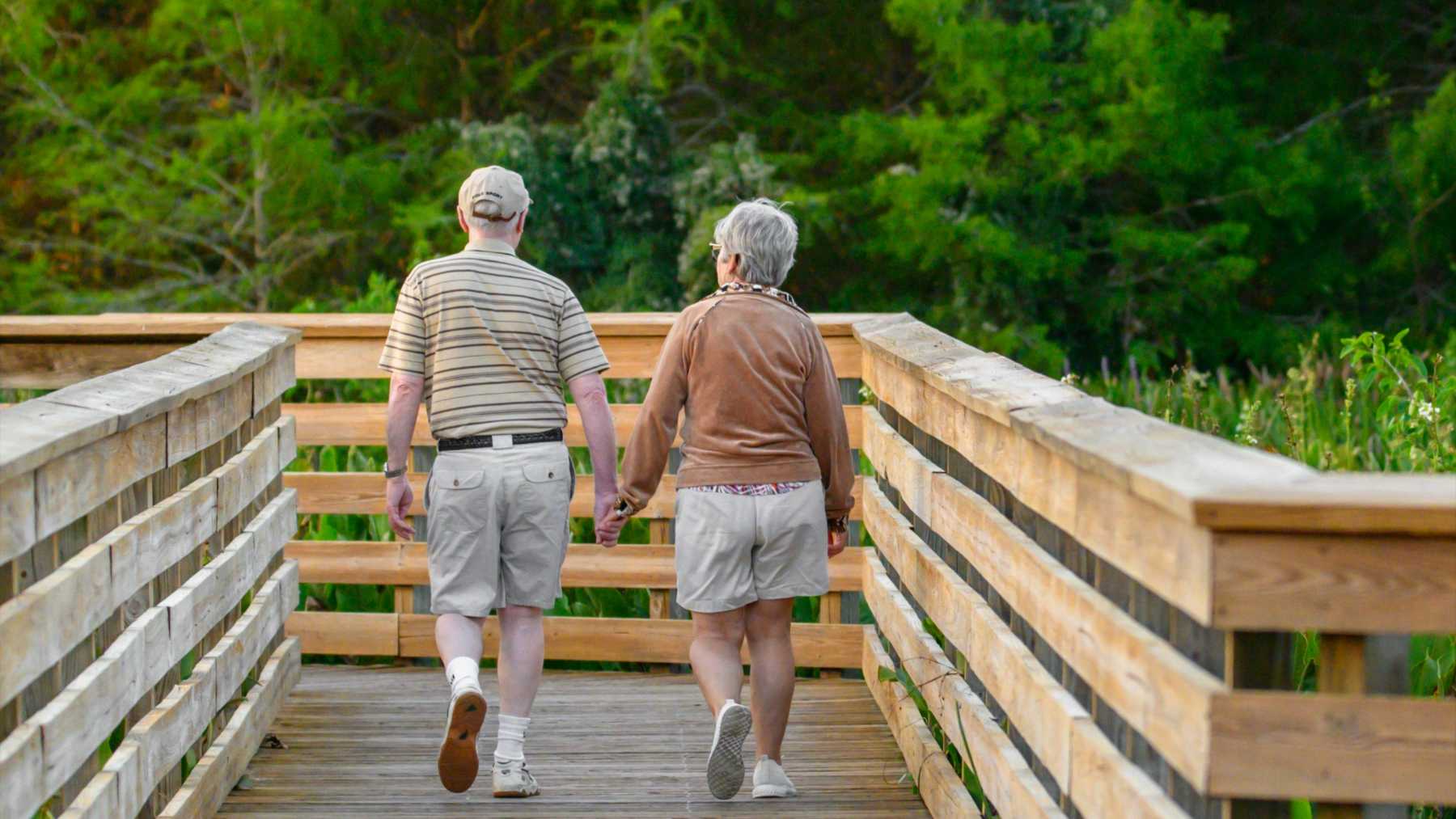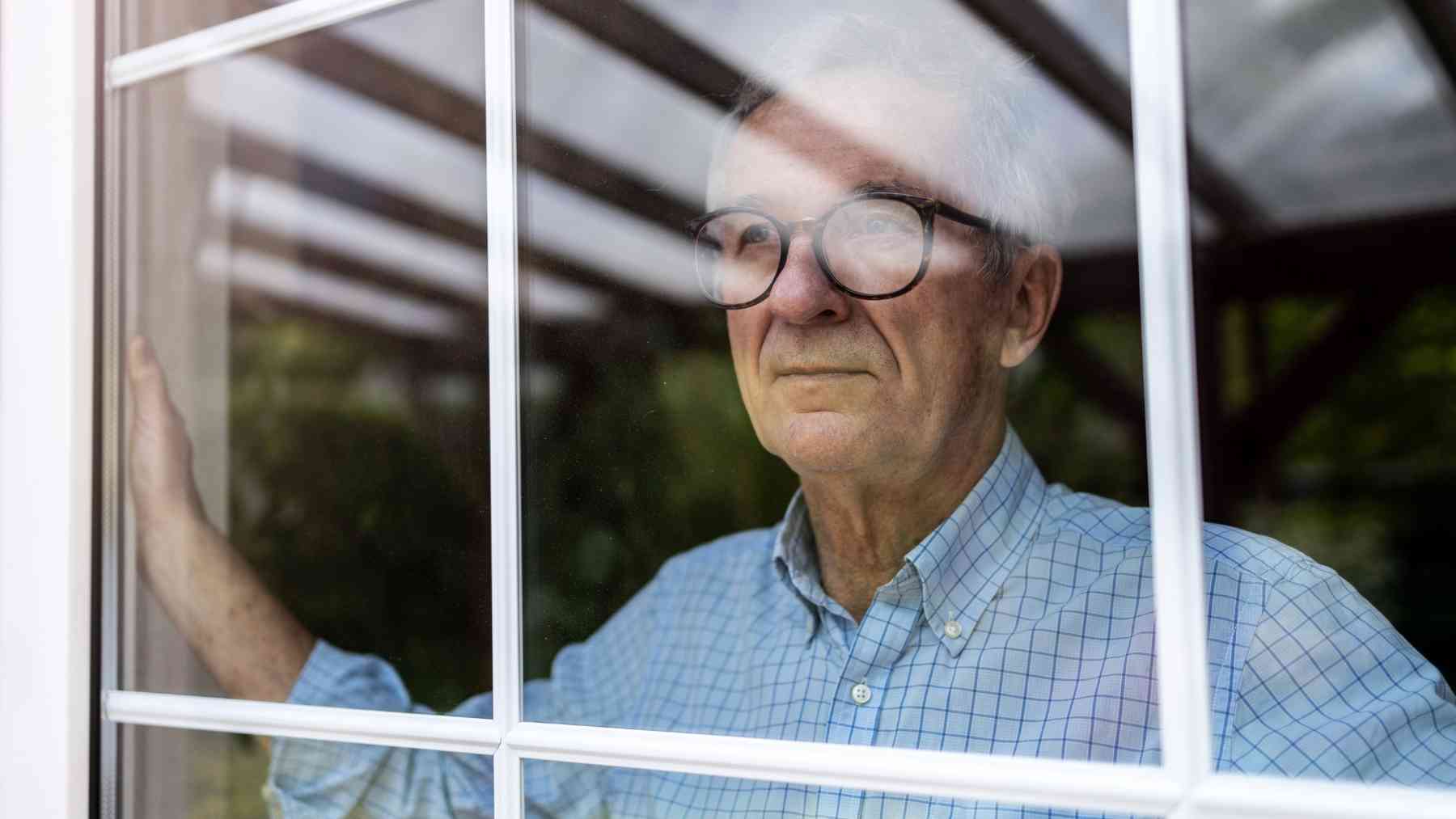
Reaching your 60s without a tight circle of close friends can look, from the outside, like a personal failure. But new research on dementia caregivers and loneliness points to a more careful reading of that situation.
In many cases, the issue may not be poor social skill or a dislike of people. It may be the long shadow of caregiving, emotional exhaustion, and years spent being the person everyone else leaned on, with too little support coming back the other way.
A different look at loneliness
A recent study published in The Journals of Gerontology, Series B examined 223 dementia caregivers with an average age of about 61. Researchers looked at whether the number of close friends, daily interactions, and caregiving burden were linked to loneliness in real time.
The results were clear, but not simplistic. Caregivers with more close friends tended to report lower momentary loneliness, and friend interactions were linked with feeling less lonely, especially among those carrying a heavier caregiving burden.
That matters because caregiving can quietly shrink a person’s world. Between appointments, medication schedules, family stress, and plain fatigue, even sending a text back can start to feel like one more task on a crowded day.
Not just a social skills problem
The study does not say that every person over 60 without close friends has spent life carrying other people’s emotions. That would be too neat, and real life is rarely that tidy.
What it does suggest is that loneliness in later life deserves context. For dementia caregivers, fewer close friendships were not simply a personality trait. They were part of a larger picture shaped by stress, time pressure, and the emotional demands of caring for someone whose needs keep growing.
Think about it. If someone spends years answering every crisis call, managing everyone else’s feelings, and putting their own needs last, friendship can stop feeling like comfort and start feeling like another place where they must perform.
The weight of caregiving
Dementia caregiving is not ordinary stress. The study notes that cognitive decline and unpredictable behavior can limit a caregiver’s ability to leave home, attend social events, or keep up with relationships.
There is also the emotional pain of watching a relationship change. When a loved one no longer recognizes the caregiver or behaves differently, the person providing care may feel a kind of loneliness even while rarely being physically alone.
That is the strange part. A person can be surrounded by family duties, phone calls, and household noise, yet still feel deeply disconnected. Full calendar, empty support system.
Why reciprocity matters
Another study, published in Aging & Mental Health, helps explain why older adults may become more selective about friendship. It found that, for older adults, emotionally “over-benefited” friendships were linked with higher life satisfaction than strictly reciprocal friendships.
In plain English, receiving more emotional support from friends than they gave back was not necessarily a bad thing for older adults. In fact, it was associated with better life satisfaction in that study.
That finding turns a common assumption upside down. After decades of giving, some people may not want perfectly balanced emotional exchanges anymore. They may need relationships where they are finally allowed to be tired, quiet, needy, or simply human.
Friendship is also health
This is not only about mood or having someone to call on a Sunday afternoon. Public health agencies now treat loneliness and social disconnection as serious health issues.
The U.S. Department of Health and Human Services says social isolation increases the risk of premature mortality by 29 percent. It also states that poor social relationships, isolation, and loneliness can increase the risk of heart disease by 29 percent and stroke by 32 percent.
Among older adults, chronic loneliness and social isolation can also raise dementia risk by about 50 percent, according to HHS fact cards. That is why this issue belongs in the same conversation as sleep, exercise, nutrition, and preventive care.
A global warning
The World Health Organization has also sounded the alarm. In June 2025, the WHO Commission on Social Connection reported that 1 in 6 people worldwide is affected by loneliness.
WHO also estimated that loneliness is linked to about 100 deaths every hour, or more than 871,000 deaths each year. Dr. Vivek Murthy, co-chair of the commission, called loneliness and isolation “a defining challenge of our time.”
The numbers are sobering, but the message is not hopeless. Strong social connection, according to WHO, can support better health and longer life, while also strengthening families and communities.
What older adults may need
For someone in their 60s who feels disconnected, the answer is not always to “get out more.” That advice can sound simple, but it can miss the point completely.
A better first step may be to look at the quality of the relationships already present. Are they supportive, or are they mostly demanding? Do they leave the person feeling seen, or drained?
The caregiver study found that daily friend interactions were associated with lower loneliness for high-burden caregivers. Even small contact mattered, including the kind of everyday connection that can fit into real life, such as a short call, a message, or coffee that does not require a perfect mood.
The real lesson
People who reach later life without close friends should not be dismissed as cold, antisocial, or difficult. Sometimes, yes, social habits play a role. But sometimes the story is much heavier.
Years of caregiving, emotional labor, grief, burnout, and one-sided relationships can change how safe friendship feels. For many people, closeness is not the problem. The problem is closeness without care in return.
At the end of the day, the research points to a kinder question. Not “what is wrong with this person,” but “what have they been carrying for so long?”
The study was published on Oxford Academic.