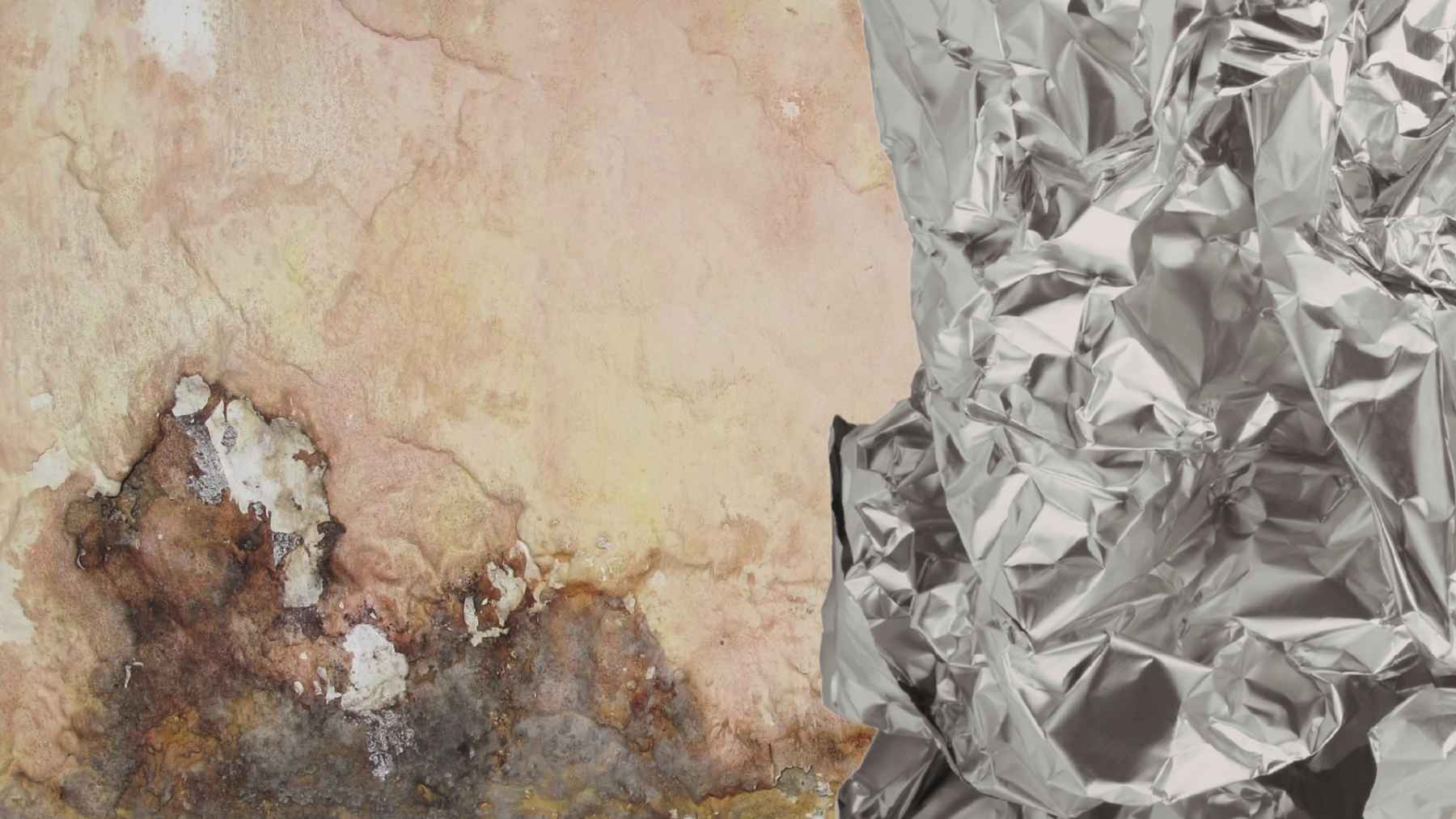
You do not need a fancy gadget to suspect something is off in your walls. A musty smell, peeling paint, or a damp patch that keeps coming back can all point to moisture trapped where you cannot see it.
Some architects and home pros recommend a surprisingly simple check. Tape a sheet of aluminum foil to the wall, leave it alone for about one to two days, then look for water droplets. Is the dampness coming from inside the wall, or is it just indoor condensation?
A quick test for a complicated problem
Aluminum foil acts like a temporary shield that blocks airflow across a small patch of wall. That makes moisture easier to spot, since it has fewer places to evaporate or spread.
A more formal cousin of this idea exists for concrete surfaces. ASTM International publishes the D4263 plastic sheet method for indicating moisture, and it relies on the same basic principle of trapping vapor against a surface.
Why walls get damp in the first place
Sometimes the source is direct, like a plumbing leak behind a sink or a slow drip around a window. Water can also creep in from outside through cracks, damaged siding, or gutters that dump rain too close to the foundation. In older homes, porous materials can soak up moisture and release it slowly.
But not every “wet wall” is a leak. Condensation happens when warm, humid indoor air hits a cooler surface and turns into water, like a cold glass that “sweats” in summer. Kitchens, bathrooms, and laundry areas are common trouble spots because steam and humidity spike during normal routines.
If moisture sticks around, materials start to show it. Paint can blister, drywall can soften, and wallpaper can loosen. You might also see “efflorescence,” a chalky white crust that appears when water moves through masonry and leaves salts behind.
What to gather before you start
The supplies are basic. You need aluminum foil, strong tape that can seal edges tightly, and a dry cloth to wipe the wall. A thermometer is optional, and your phone camera can capture a quick before and after.
Pick a test spot that seems suspicious, but keep it practical. Avoid electrical outlets or areas where water could drip into wiring. If you already see heavy mold growth, the priority is safe cleanup and fixing the moisture source.
How to tape the foil
Start with a dry surface. Wipe the area with a dry cloth, and if the wall is damp right now, let it air out first. You want the test to reveal new moisture, not what was already sitting on the paint.
Cut a piece of foil slightly larger than the area you want to check. Press it flat against the wall and seal all four edges with tape so room air cannot slip underneath. The foil should be tight, not sagging.
Then leave it alone. Many versions of the test call for waiting about 24 to 48 hours, which is roughly one to two days, before you peel it off. Take a photo when you start, and another when you remove it.
What the foil is telling you
When you remove the foil, look at both sides. If you see droplets on the side that was facing the wall, that suggests moisture is coming through the wall material. In plain terms, the wall may be feeding water into that spot from a leak, seepage, or wet material deeper inside.
If the wall-facing side stays dry but the room-facing side has droplets, that points more toward condensation. In that case, humid indoor air is collecting on a cooler wall surface, especially after cooking or showering. It is a different problem, and the fix often starts with airflow.
A fully dry result is useful, but it is not a guarantee. Moisture can be intermittent, showing up only after rain or during cold snaps. If the wall still smells musty or looks stained, repeating the test later can help.
Red flags that should not wait
Some signs mean a quick at-home test is not enough. Large spreading stains, active mold, peeling wallpaper across a wide area, or strong lingering odors can signal deeper damage. That is when many homeowners bring in a moisture specialist who can trace where water is coming from.
Health is part of the story, too. Federal mold guidance says indoor humidity should be “no higher than 50%” and recommends drying out water-damaged areas within about 24 to 48 hours.
Easy habits that cut moisture
In day-to-day life, small changes can add up. Ventilate after cooking, especially when pots are steaming on the stove, and use an exhaust fan that pushes air outside when possible. After showers, run the bathroom fan long enough to clear the steam.
Also, keep an eye on the basics. Fix loose window seals, wipe up water that pools along baseboards, and avoid pushing furniture flush against an exterior wall where air cannot circulate. A dehumidifier or air conditioner can help during sticky summer stretches when the air feels heavy.
At the end of the day, the foil test is a clue, not a verdict. If it points to moisture in the wall, the real win comes from finding the source and stopping it. Moisture always has a reason.
The main official guidance referenced in this article has been published on the Centers for Disease Control and Prevention.