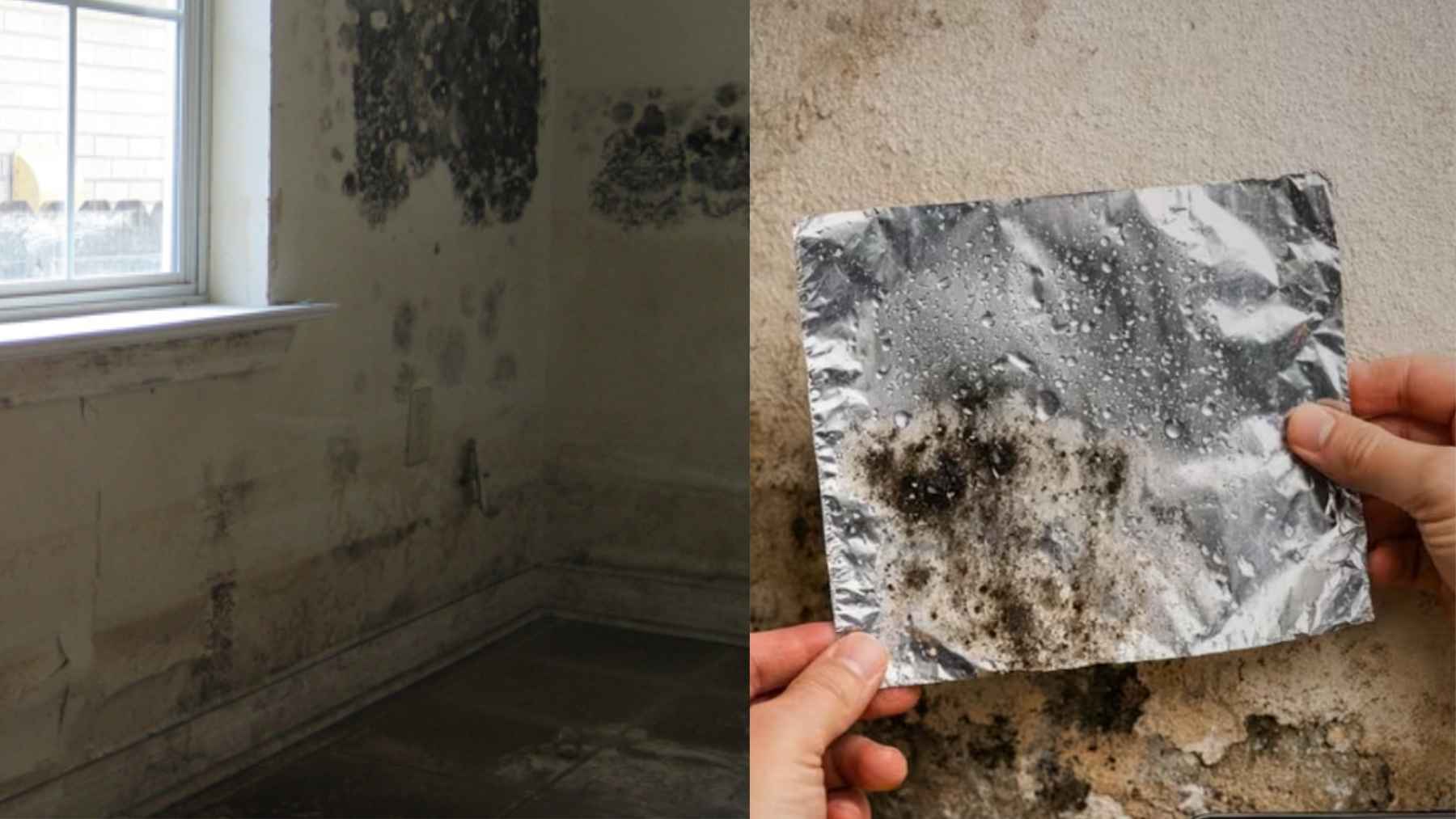
A dark stain creeping up a kitchen wall looks harmless at first. But is it just steam from last night’s pasta, or water sneaking in from behind the paint? Some architects and building specialists say a simple square of aluminum foil can help you tell the difference in a day or two.
The idea is straightforward. Tape foil tightly over the suspicious spot, wait 24 to 48 hours, and see where the moisture shows up. It is a quick clue, not a final diagnosis, but it can keep you from treating a leak like it is “just humidity.”
A quick test borrowed from building science
In a 2017 review paper on “humid walls,” engineer Mohamad Kharseh and colleagues at Chalmers University of Technology described aluminum foil as one of the simplest ways to diagnose where wall moisture is coming from.
Their point was isolation, sealing off a small patch so water cannot evaporate normally. That makes hidden dampness easier to notice before you spend money on tools or inspections.
Think of the foil like a tiny raincoat for the wall. Because it blocks airflow and evaporation in that spot, any droplets that form tend to have a clearer story behind them. Useful, but limited.
Reading the results without guesswork
Wall moisture is not one problem – it is at least two. Seepage means liquid water is moving through the wall from outside or from a hidden pipe. Condensation is when water vapor in indoor air turns back into liquid on a cooler surface.
After the wait, check both sides of the foil before you wipe anything. Damp on the wall-facing side suggests water is inside the wall material, while damp on the room-facing side points to humid indoor air collecting on the foil. If both sides are wet, you may have both issues at once.
Watch for extra clues when you peel it off. A chalky white powder called “efflorescence” can show up when water carries salts to the surface and then dries, and the National Park Service says it can be a warning that water has found a way into masonry.
If the foil is dry but the stain keeps returning, the moisture may be coming and going with rain, cooking, showers, or seasonal humidity.
How to do the test in 24 to 48 hours
You do not need special tools to try this. Aluminum foil, strong tape, and a dry cloth are the basics, and a phone photo helps you compare before and after. A simple thermometer is optional, but it can help you notice if the wall feels cooler than the room.
Wipe the spot dry and do not add water. Tape a foil square over the area, about 12 inches across or big enough to cover the stain, and seal every edge so air cannot sneak underneath. Leave it alone for 24 to 48 hours, then peel it back and check which side is damp.
If it is condensation, start with humidity and airflow
Condensation is often a ventilation and routine problem, not a mystery leak. North Carolina State University Extension notes that federal guidance suggests keeping indoor humidity below 60 percent, and for many homes a range around 30 to 50 percent works better. That is the zone where walls are less likely to “sweat” after cooking or a hot shower.
Use exhaust fans in the kitchen and bathroom, and let them run a while after the steam stops. On days when the outside air is drier, a short window opening can help a lot, and a dehumidifier can help in stubborn rooms.
The U.S. Department of Energy adds that moisture control can also make a home more comfortable and less costly to heat and cool, which is a nice side benefit when the utility bill arrives.
If the wall itself is wet, act like it is a leak
Water coming through the wall calls for a different mindset. The source could be plumbing, roof runoff, clogged gutters, poor drainage near the foundation, or cracks that open during heavy rain. If the stain keeps spreading, paint is bubbling, or there is a strong musty odor, bring in an architect, a home inspector, or a moisture control specialist.
Speed matters because damp building materials can turn into a mold problem fast. The U.S. Environmental Protection Agency says that if wet or damp areas are dried within 24 to 48 hours after a leak or spill, in most cases mold will not grow, and it sums it up with “Moisture control is the key to mold control.” Fix the water source first, or the stain will likely come back.
Why damp walls are more than a cosmetic problem
Mold is not guaranteed, but dampness raises the odds, especially in dark, hidden spaces behind walls. The Centers for Disease Control and Prevention says exposure to damp and moldy environments may cause no symptoms for some people, but it can trigger coughing, wheezing, or worse asthma reactions for others.
The agency’s advice is direct and it starts with cleaning up visible mold and fixing the moisture problem that let it grow.
The National Institute for Occupational Safety and Health has also reviewed studies linking building dampness and mold with respiratory symptoms and asthma, along with several other breathing problems.
In 2009, the World Health Organization published guidance that pointed to higher rates of respiratory symptoms, allergies, and asthma in damp buildings, and it stressed preventing persistent dampness in the first place. That is why the foil test matters most as a nudge to act, not as a cure.
The main study referenced in this article has been published in the proceedings of the World Sustainable Built Environment Conference 2017.