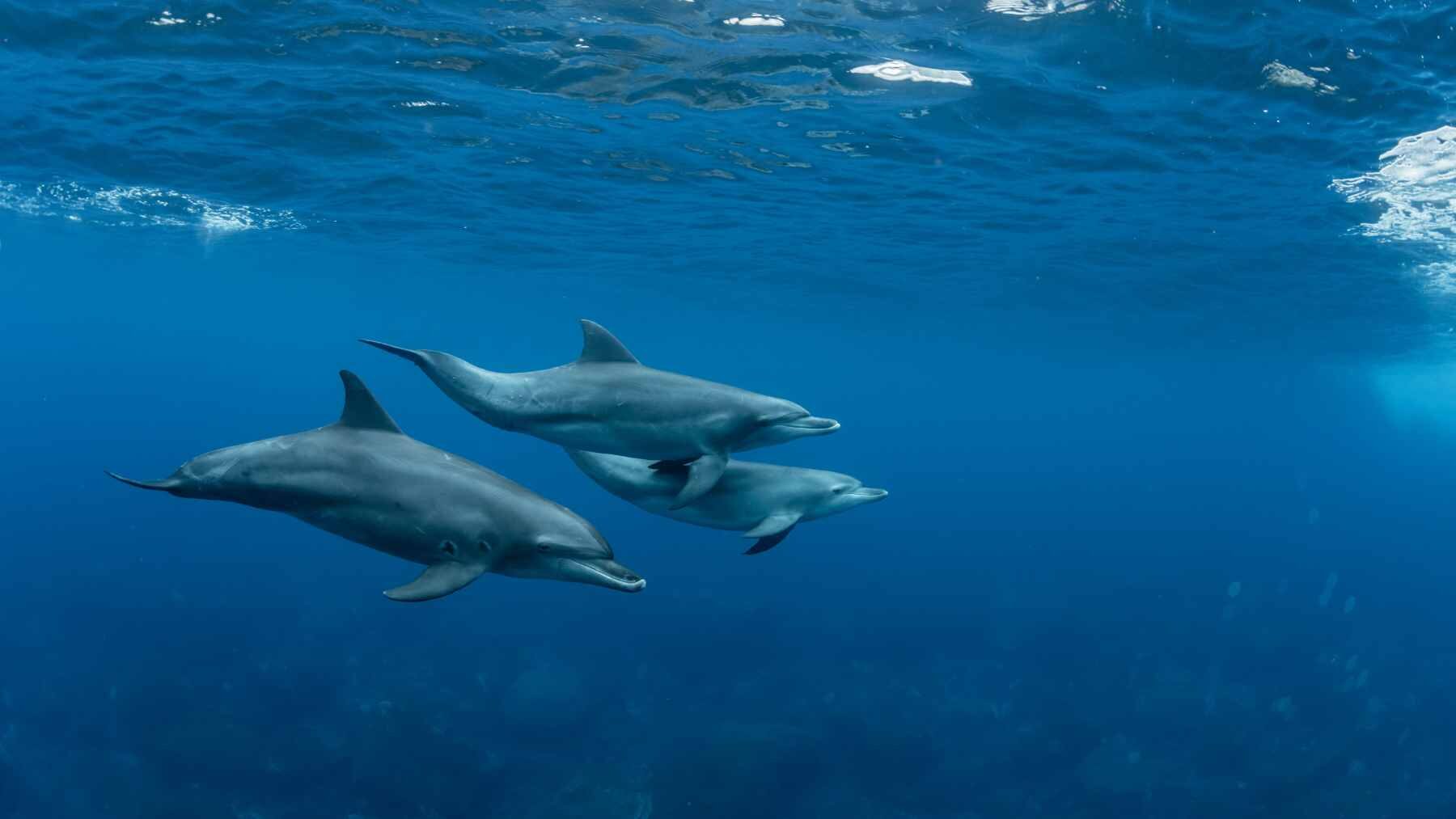
A discarded drink bottle may look like one more piece of plastic headed for a landfill or beach. In a fishing trial off southern Brazil, however, sealed bottles tied to bottom-set nets cut accidental dolphin capture per unit of fishing effort by 8%, while catches of commercially valuable fish did not significantly change.
The finding turns an everyday waste item into a simple underwater warning marker, yet it is not a universal fix. Earlier trials in Peru, Zanzibar, and Brazil produced mixed results, suggesting the bottles work best when the type of net, water depth, and local sound conditions line up.
Why dolphins miss fishing nets
Bycatch is the unintended capture of animals that fishers were not trying to catch. The International Whaling Commission estimates that at least 300,000 cetaceans, the group that includes dolphins, porpoises, and whales, die in fishing gear each year. Gillnets are among the most dangerous because they form long walls of mesh in the water.
For a dolphin, finding its way underwater is a little like using a flashlight made of sound. It sends out echolocation clicks and listens for returning echoes, building a picture of nearby fish and objects. Thin nylon netting can return a weak signal, so the danger may not stand out clearly or early enough.
How a bottle becomes a warning
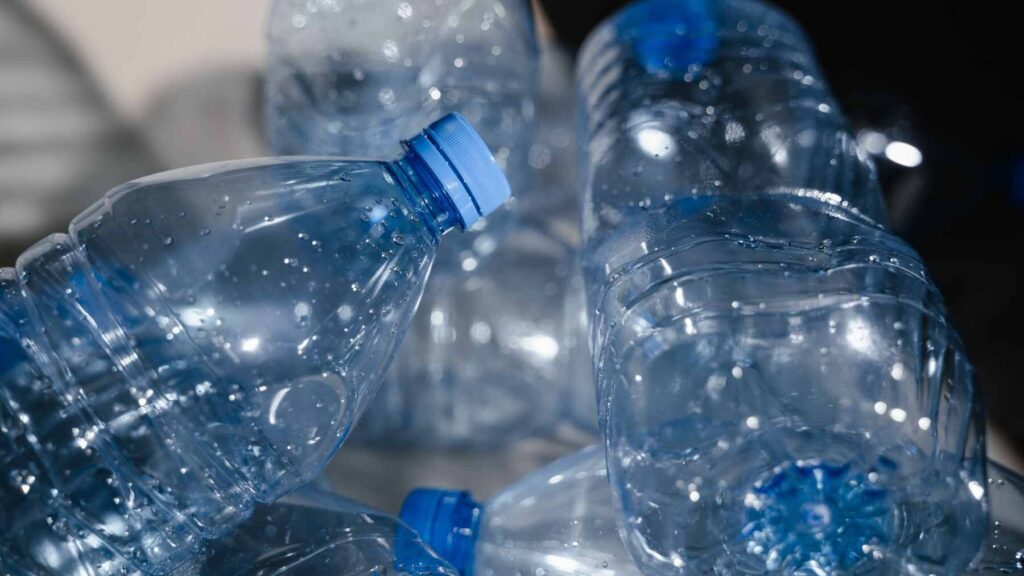
A sealed plastic bottle contains an air pocket that reflects underwater sound far more strongly than the surrounding mesh. Laboratory tests found that bottle echoes could be 100 to 1,000 times stronger than echoes from a typical gillnet. Effectively, the bottle can make part of the net sound more like a solid obstacle.
Per Berggren, an emeritus professor of marine megafauna conservation at Newcastle University, developed the idea after seeing discarded bottles near fishing communities. The bottles were securely fastened during the trials, and researchers reported that none were lost. He described the approach as “recycling that rescues dolphins.”
What the field trials found
The first study covered more than 1,600 net deployments in surface fisheries off Peru and Zanzibar and a bottom-set fishery in Brazil. Plastic bottles did not produce a significant reduction in dolphin, porpoise, or turtle bycatch in the surface trials. Still, they did not reduce the catch fishers wanted, and some locations recorded higher catches of tuna or other target fish.
The Brazilian result was strong enough to justify a larger follow-up led by Federico Sucunza. From November 2020 through April 2025, researchers compared 318 net sets, including 170 standard sets and 148 fitted with reused plastic bottles. Dolphin bycatch per unit of effort was 88 percent lower with the reflectors.
Average target catch was about 236 lb. in the standard nets and about 260 lb. in the bottle-equipped nets. That difference was too variable to count as a reliable increase, but it showed no commercial penalty from using the bottles. For a small fishing business watching every trip and every fuel bill, that detail matters.
Why Brazil was different
Why did a bottle work near the seafloor but not near the surface? Researchers suspect the soundscape played a major role. Waves, wind, engines, and other activity make upper waters noisier, which may mask the echo returning from a bottle.
Bottom-set nets sit near the seafloor, where light can be dimmer and surface noise less dominant. Dolphins may depend more heavily on echolocation under those conditions, allowing the bottle echo to stand out. The team is careful not to call this proven, and the mixed findings show that local testing is essential.
Why fishers may use it
Electronic devices known as pingers can warn small cetaceans away from nets in some fisheries, but they cost money, require maintenance, and may be difficult to deploy across long stretches of small-scale gear. A used bottle needs no battery or electronic unit. That makes the idea unusually accessible in communities where expensive conservation equipment is simply out of reach.
Nearly free does not mean effortless, though. Bottles must be sealed, placed correctly, tied firmly, and checked so they do not become more ocean trash. Any rollout would also need training, monitoring, and proof that the method works with the local net, species, and fishing conditions.
The species that could benefit
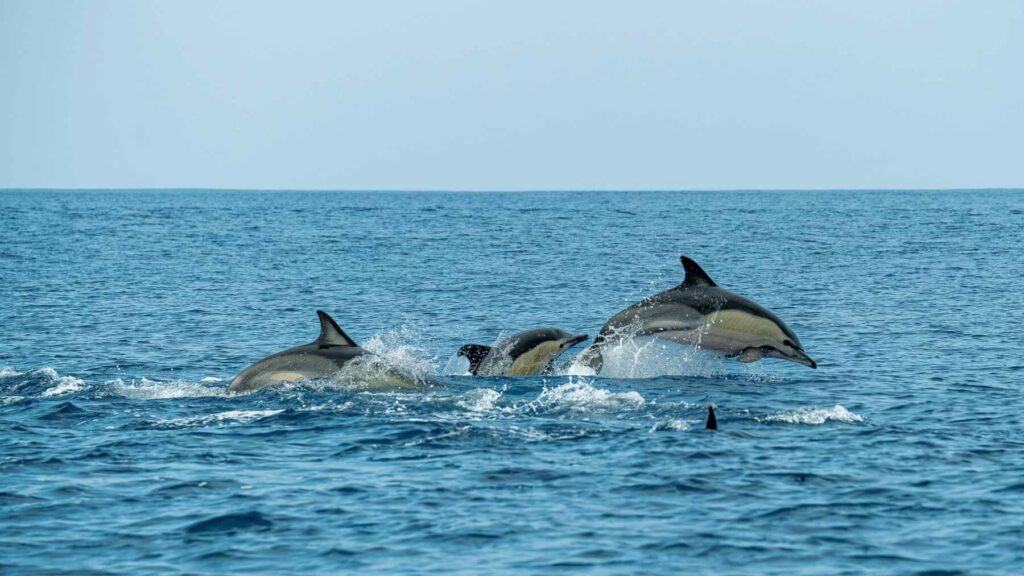
One of the animals caught in the Brazilian fishery is the franciscana, a small coastal dolphin found along parts of Brazil, Uruguay, and Argentina. The IUCN Cetacean Specialist Group lists the species as Vulnerable and identifies gillnet bycatch as its main threat. For a population already under pressure, preventing even a limited number of deaths can matter.
The technique is now being tested in fisheries in Cambodia and the Republic of the Congo. Those trials will show whether the Brazilian result can travel to different coastlines and fishing systems. The real test is not whether plastic bottles work somewhere, but where they work well enough to become routine.
A simple tool with clear limits
This research does not turn discarded plastic into a cure for global dolphin bycatch. It does show that a cheap, passive reflector can sharply reduce risk in the right kind of bottom-set fishery without cutting the day’s commercial catch. That combination gives the idea a better chance of moving from an experiment to working boats.
Ultimately, the strongest lesson is about fit. Conservation tools work best when they match the animals, gear, water, and people using them.
The official studies were published in Marine Mammal Science.