At 17, María Javiera Valenzuela is asking a question usually left to governments and energy planners. How can Antarctic research stations keep heat, lights, and scientific equipment running without relying so heavily on diesel?
Her answer is a hybrid microgrid that would combine wind and solar power with an advanced nuclear microreactor using TRISO fuel. Developed for Chile’s 2026 Antarctic School Fair, the proposal estimates that a large base could avoid about 3,254 U.S. tons of carbon dioxide each year and become cost-competitive with diesel over 20 to 30 years. The available reporting describes it as a student concept, not an approved Antarctic construction project.
Why Antarctic bases still burn diesel
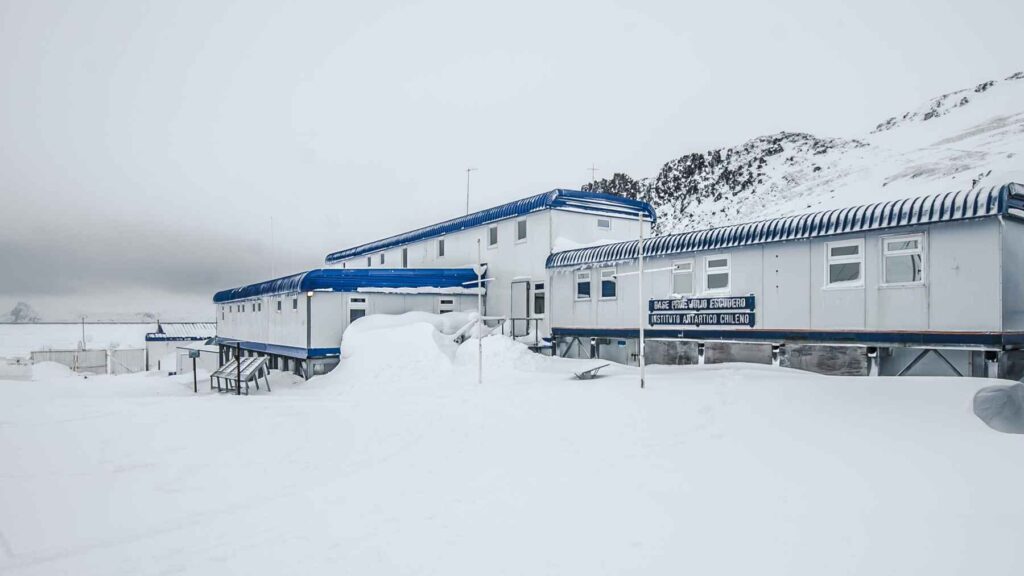
In Antarctica, reliable energy is not a comfort. It keeps laboratories operating, water systems moving, communications online, and buildings warm through punishing cold and long periods with little or no sunlight. Wind and solar can help, but weather and seasonal darkness make their output uneven, which is why remote stations often keep diesel generators at the center of the system.
That creates more than one environmental problem. Burning diesel releases carbon dioxide and black carbon, soot that absorbs sunlight after settling on snow and ice, reducing reflectivity and encouraging faster melting. Every generator can be essential to daily life at a base, but its exhaust does not simply disappear into the white horizon.
How Valenzuela’s system would work
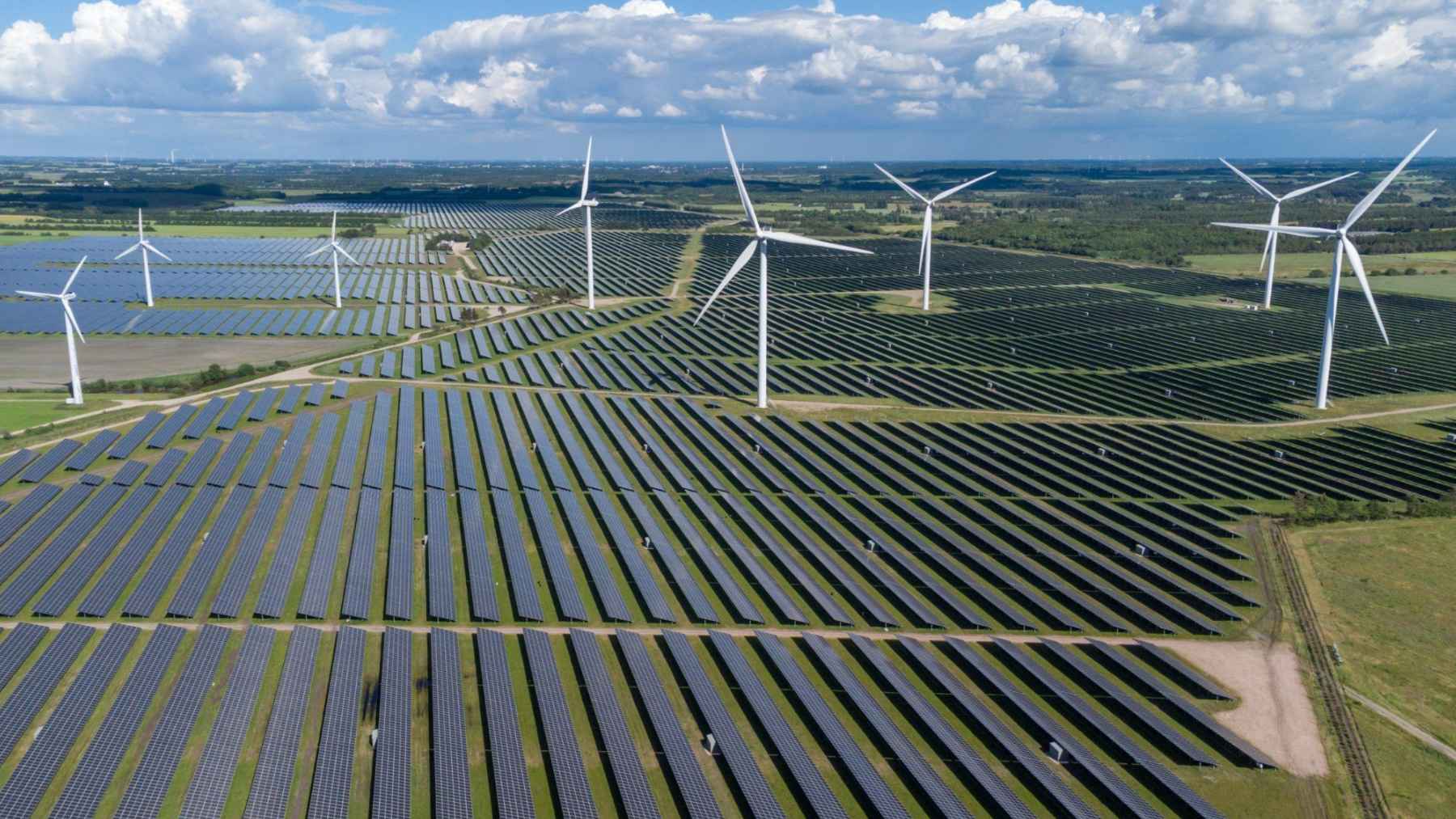
The proposed microgrid would use renewables whenever conditions allow and rely on the microreactor for steady baseload power. In practical terms, the reactor would serve as the dependable backbone while wind and solar add electricity when the weather cooperates.
Microreactors are a small class of modular reactors intended in part for isolated sites. The International Atomic Energy Agency (IAEA) says they generally produce up to 10 MW of electricity and may operate away from large grids, while the U.S. Department of Energy describes TRISO as tiny fuel particles with a uranium center and four protective carbon and ceramic layers.
Those layers are designed to retain radioactive fission products and withstand high temperatures. Still, the word “micro” should not be confused with simple. Transport, shielding, maintenance, spent fuel removal, and emergency planning would all be major parts of any real Antarctic system.
A bold idea with real hurdles
Valenzuela’s estimate of 3,254 U.S. tons of avoided carbon dioxide is striking. For perspective, that is roughly the yearly carbon dioxide output of about 640 typical gasoline-powered passenger vehicles, using the U.S. Environmental Protection Agency’s average. However, the figure comes from her project model and would need independent review against a specific base’s fuel use, heat demand, logistics, and construction plan.
Antarctica also operates under unusually strict international rules. The Antarctic Treaty prohibits nuclear explosions and the disposal of radioactive waste, while the Environmental Protocol requires impact assessments before proposed activities proceed. Any reactor plan would therefore need a credible route for removing radioactive materials and waste from the continent, plus a detailed answer for emergencies in one of the world’s most isolated environments.
This is where the proposal becomes more than a technology exercise. It forces a full comparison between the visible risks of nuclear power and the quieter, recurring damage caused by diesel deliveries, greenhouse gases, and soot. The answer may differ by base, but the question is worth asking now.
From one email to advanced nuclear science
Valenzuela’s STEM path began when an invitation from the Niñas Pro program arrived in her mother’s email during her first year of high school. She is now an 11th grader at Santiago’s Liceo Experimental Manuel de Salas and has accumulated 14 certificates from courses, hackathons, and scientific competitions.
She was also one of 16 students selected for the Chilean Nuclear Energy Commission’s 2026 atomZOOM program. The five-day workshop introduced students to nuclear and analytical techniques through an environmental contamination case, while the 2026 International Nuclear Engineering Bootcamp brought 30 high school students together for training in advanced reactors, radiation applications, safety, and the energy transition.
“The key is to dare and break stereotypes,” Valenzuela said. Her point is simple. Early confidence often grows after the first application, the first presentation, and the first room where a student realizes she belongs.
Her NASA challenge win came first
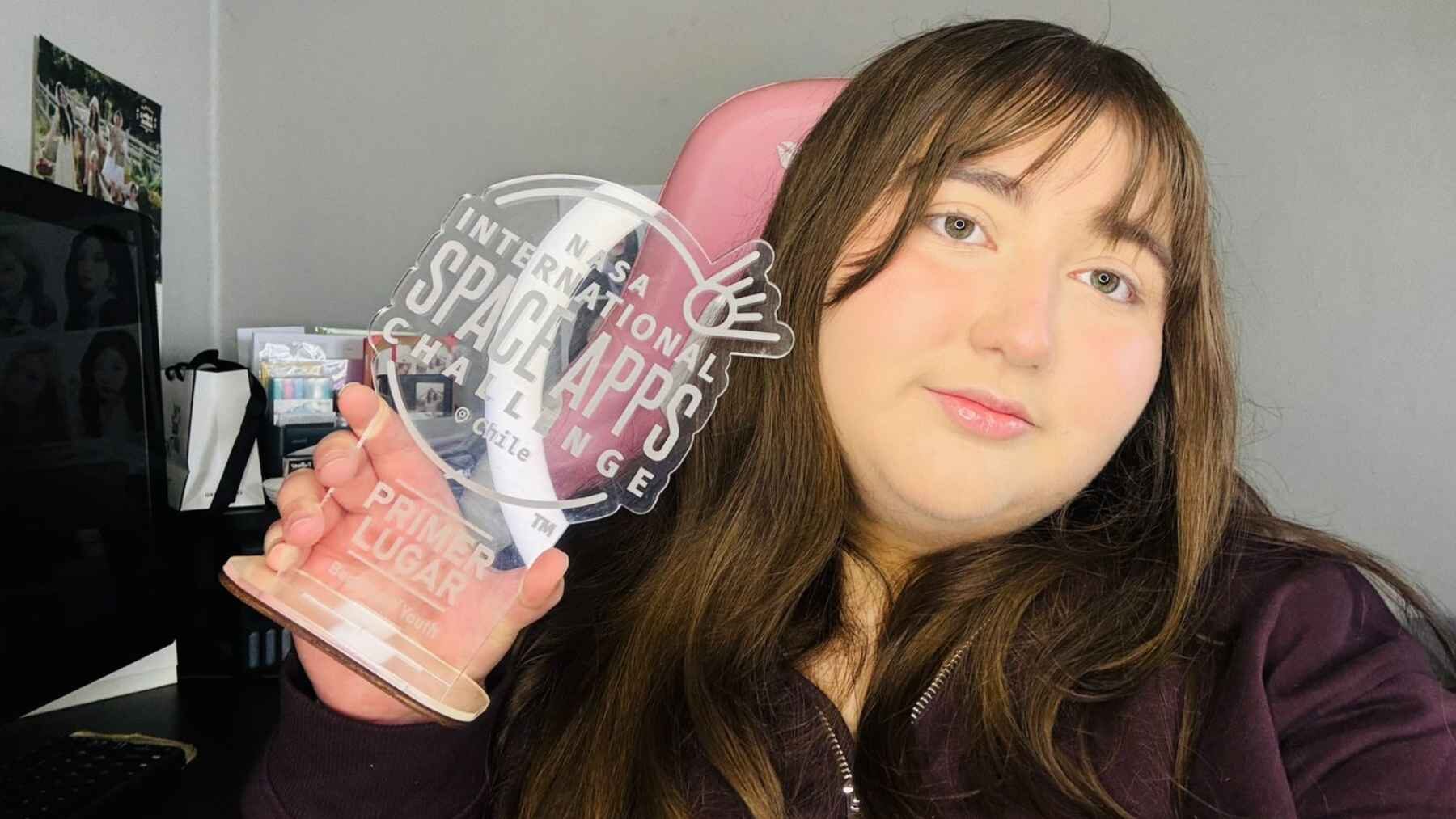
Before the Antarctic proposal drew attention, Valenzuela was part of Stellar Minds, a six-student team that won the beginner category at the Santiago stage of the 2025 NASA Space Apps Challenge. Their prototype, EarthlyData, used NASA satellite information to map flowering, vegetation, climate conditions, and possible pest risks.
The team built it in 48 hours during a Chilean event that attracted more than 300 participants across Santiago, Antofagasta, and Concepción. The award came at the Santiago local stage, a detail that does not diminish the team’s accomplishment, especially for students entering their first hackathon.
The connection between the two projects is easy to see. One turns Earth-observation data into useful environmental information, while the other rethinks how isolated research stations might get dependable low-carbon energy. Different tools, same instinct.
Why her visibility matters
Valenzuela says she is the only student in her school community focused on this area, so she uses social media to explain science and encourage more girls to consider technology and environmental careers. She hopes to study engineering and eventually work across computing, electronics, environmental technology, or nuclear energy.
Will a microreactor power a Chilean Antarctic base because of this school proposal? That is far from certain. Yet the project already does something valuable by bringing diesel dependence, black carbon, energy security, and nuclear responsibility into the same conversation.
Big energy debates do not always begin in ministries or laboratories. Sometimes they start with a teenager, a school competition, and the nerve to ask why the old generator is still doing so much of the work.
The original report was published on Cooperativa Ciencia.