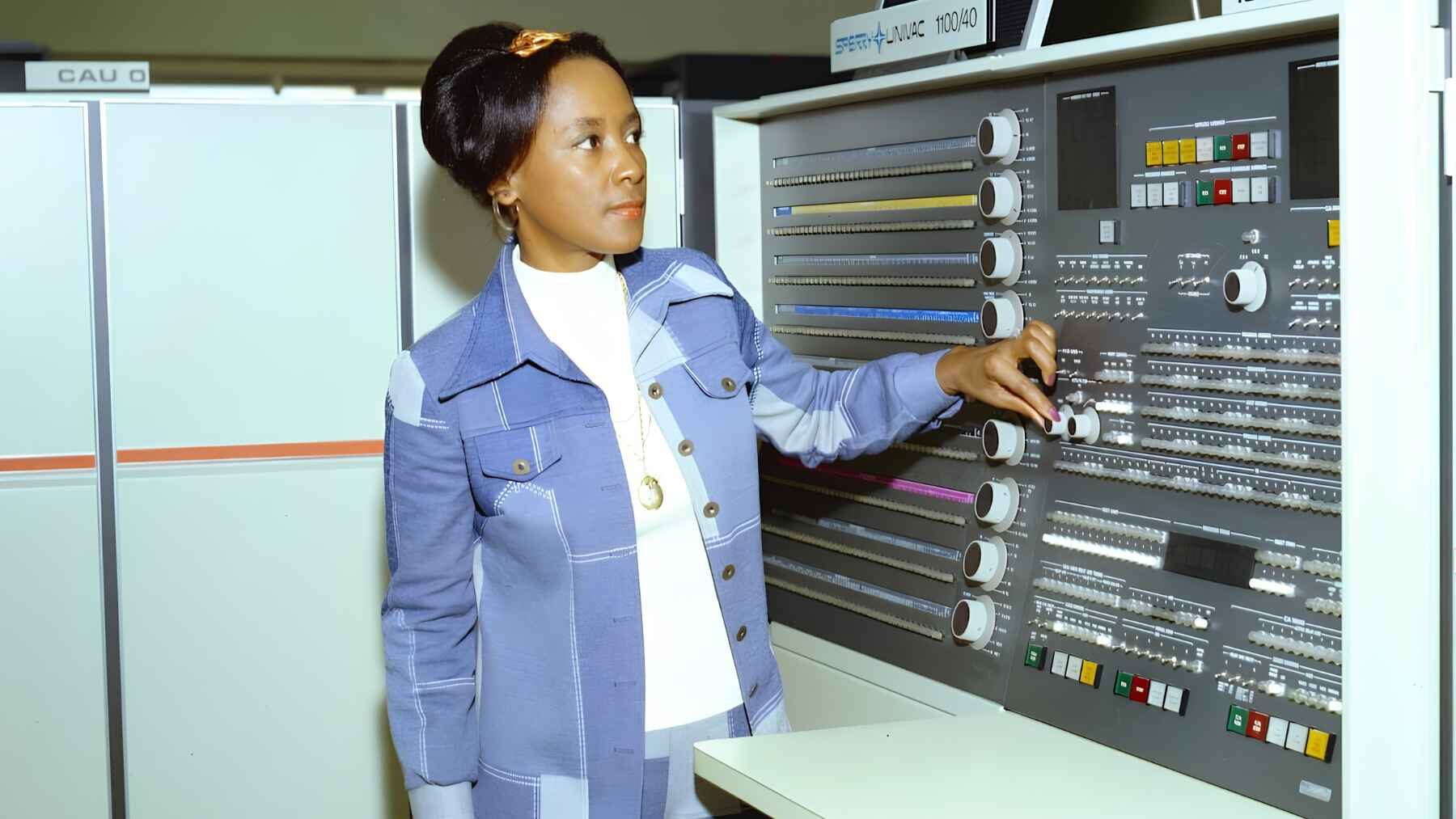
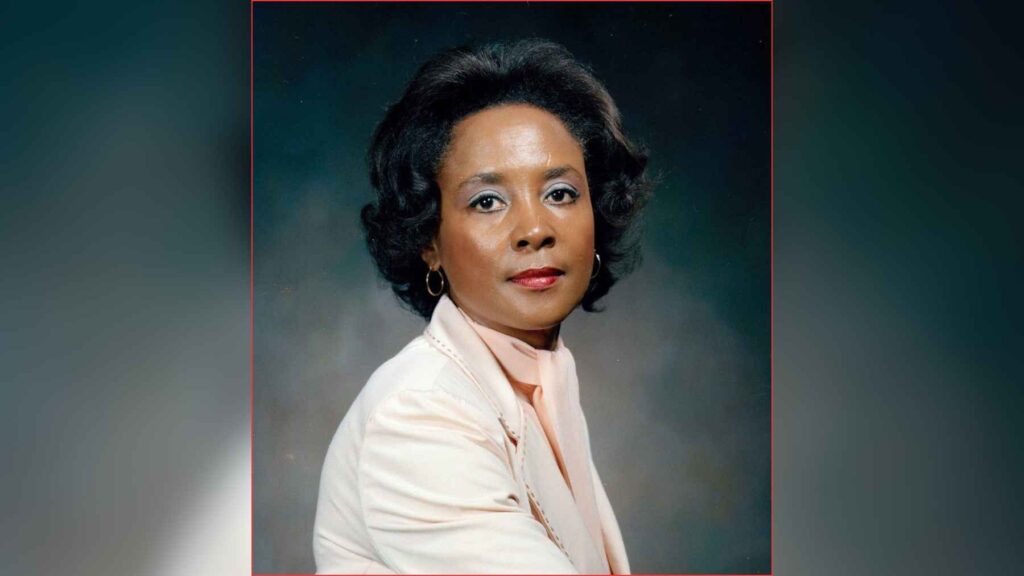
A June 19, 2026 Space.com photo feature by Monisha Ravisetti put Annie Easley back in the spotlight on Juneteenth, describing her as a “human computer” whose work helped support the Centaur upper-stage rocket. The timing was not random. Easley’s story connects America’s long fight over freedom and equality with one of the country’s most ambitious scientific projects.
Before laptops, smartphones, and pocket calculators made math feel instant, people like Easley did the hard calculations by hand. She later became a computer programmer, helped develop code for energy and rocket systems, and served as an equal employment opportunity counselor during a 34-year career. That is a lot of history in one NASA photograph.
A Juneteenth reminder
Juneteenth marks June 19, 1865, when Major General Gordon Granger arrived in Galveston, Texas, and delivered General Order No. 3 announcing the end of legalized slavery there. The Library of Congress notes that the date became a federal holiday in 2021, more than 150 years after that announcement.
Why bring that history into a story about spaceflight? Because the promise of freedom did not immediately mean equal access to classrooms, jobs, laboratories, or recognition. The National Park Service notes that Black women who worked as human computers faced barriers tied to both race and gender, even while their calculations helped power American aeronautics and space research.
What a human computer did
In 1955, Easley joined the National Advisory Committee for Aeronautics, known as NACA, the organization that came before NASA. Her first job was to be a human computer, meaning she performed math for engineers and scientists before electronic machines took over the work.
In her 2001 oral history, Easley explained that engineers brought problems to the computers, who used large desktop calculators, tables, and handwritten records. Imagine doing mission-level math without the search bar, the spreadsheet, or the app on your phone. That was the job.
She was one of only four African American employees at the lab when she was hired. That detail matters because it shows both her skill and the narrow doorway available to Black scientists and mathematicians at the time.
From hand math to code
As electronic computers spread through the space agency, Easley changed with the times. She became a programmer and worked with languages used in scientific and engineering projects, including Fortran and SOAP. In practical terms, she moved from doing calculations herself to writing instructions that machines could follow.
That shift was not small. It was like moving from writing every recipe by hand to designing the kitchen system that helps prepare the meal.Generally, the public saw rockets, astronauts, and planets, while people like Easley built part of the quiet logic underneath.
NASA says Easley developed and implemented code used in research on energy-conversion systems, alternative power technology, battery systems for early hybrid vehicles, and the Centaur upper-stage rocket. An upper stage is the part of a rocket that keeps pushing a spacecraft after the lower sections have done their job and fallen away.
Centaur and Cassini
Centaur became important because it helped send spacecraft beyond Earth orbit. Easley’s contributions to the Centaur project helped frame the technical foundation for launching later satellites and space vehicles, including the Cassini mission to Saturn in 1997.
That does not mean one person launched Cassini alone. Spaceflight is teamwork at a massive scale. Easley’s work was part of the chain of code, testing, power research, and rocket design that made those missions possible, however.
The barriers behind the breakthrough
The story of human computers is inspiring, but it was not tidy. NACA began hiring white women as computers in 1935, while Black women were not brought into those roles until 1943 during World War II labor shortages. The National Park Service says opportunities for advancement were limited for women, with additional barriers for African American women.
The Smithsonian’s National Air and Space Museum notes that early “computers” were people, mostly women, who analyzed data with mechanical calculators. Their work was often invisible, even when it helped the United States compete in the Space Race. There is the uncomfortable part of the story. The math mattered, but recognition often came late.
Easley did not frame herself as a grand symbol. NASA records one of her mother’s lessons this way, “You can be anything you want to be, but you have to work at it.” Easley carried that idea into outreach, tutoring, and later work encouraging women and minority students to consider science and engineering.
More than a rocket scientist
Later in her career, Easley took on the role of equal employment opportunity counselor. In that position, she helped supervisors address discrimination complaints involving gender, race, and age, trying to solve problems at the lowest and most cooperative level possible.
Easley retired in 1989 and died on June 25, 2011. Still, her story keeps resurfacing because it asks a simple question. Who gets remembered when history talks about the people who carried us into space?
The main official work has been published by NASA.