A simple school field trip in southern Norway has turned into an archaeological discovery with a story that sounds like it’s straight out of an archaeology lover’s wildest imagination. Six-year-old Henrik Refsnes Mørtvedt was looking for stones for a school craft project when he noticed a rusty piece of metal sticking out of the soil in Brandbu, a village in Gran municipality.
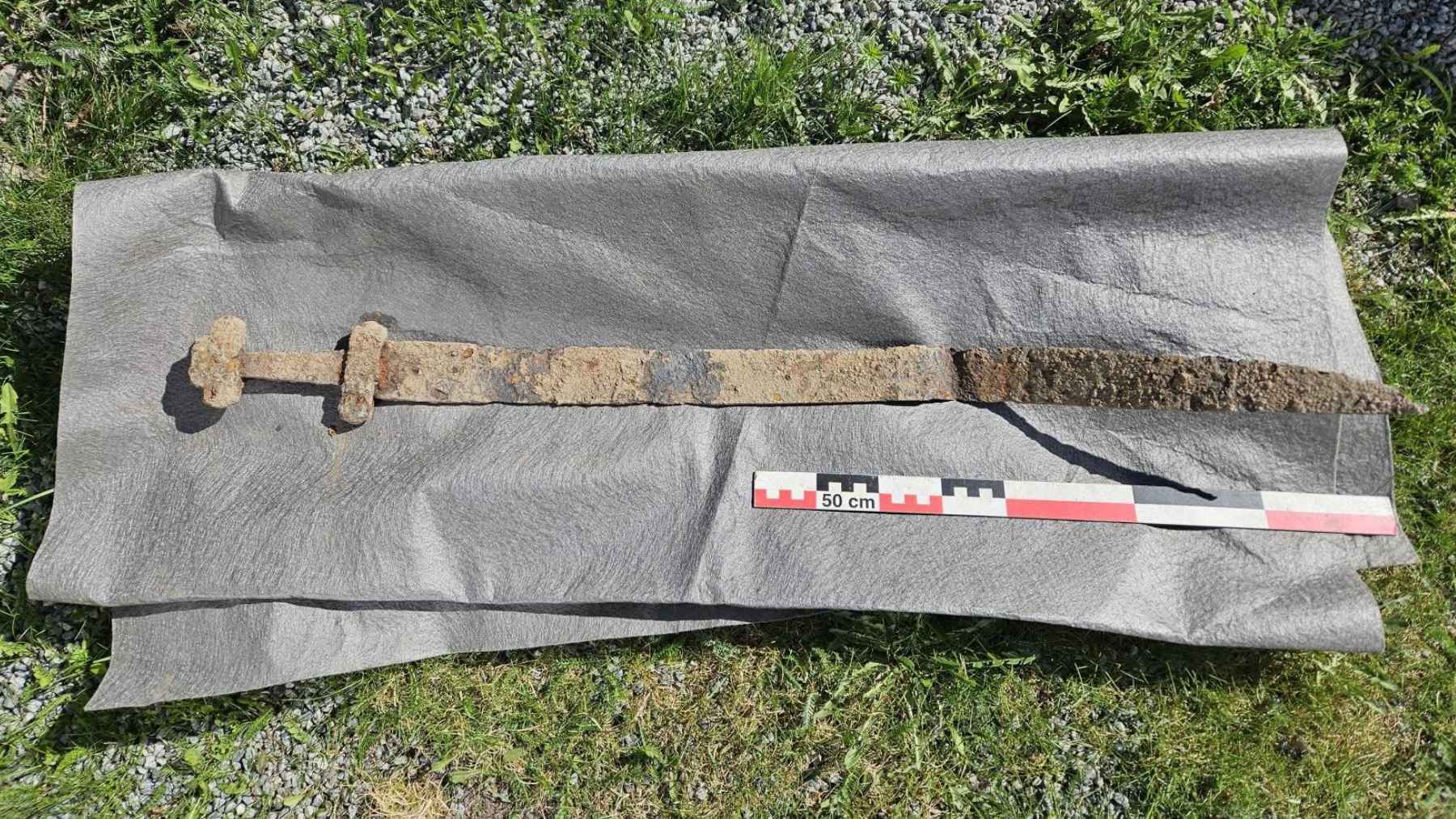
What he found was not farm scrap or an old tool. Experts have identified the object as a rare single-edged iron sword from the transition between the Merovingian period and the early Viking Age, likely crafted in Norway sometime between 750 and 850 AD. In other words, a first grader spotted a weapon that may have been in the ground for roughly 1,200 years.
A field trip turns historic
Henrik was walking with his first-grade class from Fredheim School when the object caught his eye. He later told the local newspaper Hadeland that the visible piece was covered in “rust and dirt,” so he picked it up to see what it was.
That tiny decision mattered. Once teachers realized the find could be important, the discovery was reported to local heritage authorities, giving archaeologists a chance to document and preserve the object properly. How many school trips actually end with a museum-worthy artifact?
The field belongs to farmer Ola Rækstad, according to reports, and the sword was found in cultivated land near Brandbu. That detail is important because plowing can disturb graves, scatter objects, and slowly push fragile artifacts closer to the surface.
Why this blade matters
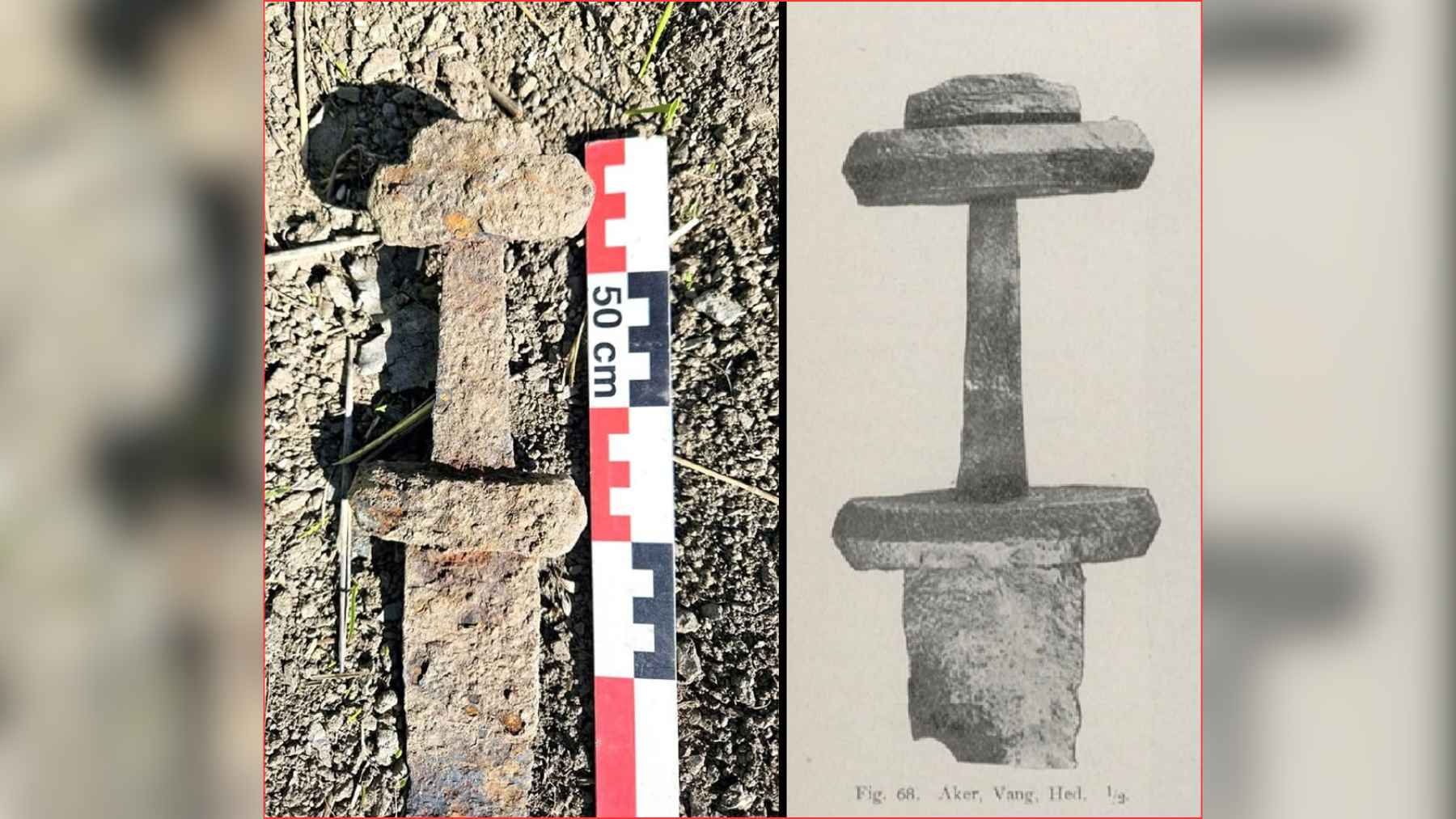
The sword is described as single-edged, meaning only one side of the blade was sharpened. Innlandet County’s Cultural Heritage Department said the weapon likely dates to the Merovingian period or the beginning of the Viking Age, placing it in a fascinating moment before the classic double-edged Viking sword became more common.
Archaeologist Øystein Lia, a senior adviser with Innlandet County’s cultural heritage department, told Fox News Digital that Viking Age swords are “relatively rare” finds in the region. According to Lia, Innlandet typically sees about one Viking sword discovery every two years.
That rarity gives the Brandbu sword extra weight. It is not just a weapon, but a clue to status, identity, and power in a landscape where farms, burial mounds, and old travel routes still hold pieces of Norway’s early medieval past.
A possible grave clue
The exact owner of the sword is unknown, and experts are careful not to go further than the evidence allows. Still, Lia said the weapon probably belonged to someone of high status, perhaps a free landholding warrior with ties to a local chieftain.
The location may offer another clue. The sword was found about 131 feet from previously documented Iron Age burial mounds, which suggests it may once have been placed in a grave as a funerary object.
That does not mean the full story is settled. Over centuries, farming, frost, water, and soil movement can shift an artifact away from its original resting place. The sword surfaced, but its context may have been partly scrambled long before Henrik saw it.
From rusty iron to museum evidence
The sword has now been transferred to the Museum of Cultural History in Oslo, where specialists will conserve and study it. The hilt and pommel remained largely intact, which helped archaeologists recognize the rare weapon despite the heavy corrosion.
Iron artifacts can look rough when they emerge from the ground, but they often hide valuable information. X-rays and conservation work may reveal how the blade was forged, whether different metals were used, and how much of the original structure remains inside the rusted surface.
In practical terms, this is where the story moves from wonder to science. A child noticed the object, adults reported it, and now specialists can turn a muddy field find into historical evidence.
Norway’s hidden Viking landscape
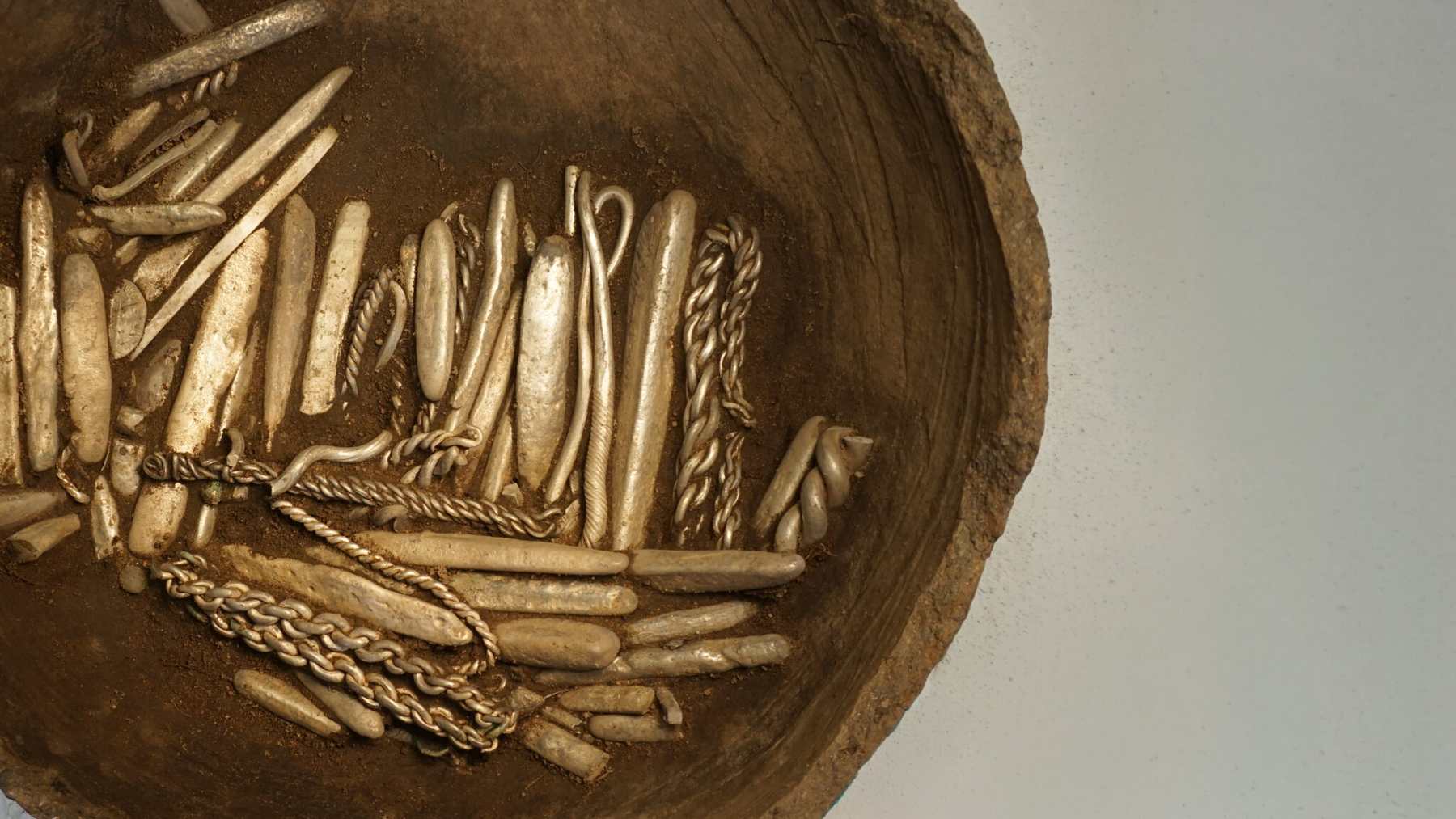
The Brandbu discovery also fits into a wider pattern. In April, two metal detectorists found silver coins in a field at Rena, northeast of Brandbu, and later excavations revealed more than 4,700 coins, now identified as the largest Viking Age hoard ever found in Norway.
Taken together, these finds show how ordinary rural landscapes can hold extraordinary traces of the past. A field may look quiet from the road, but beneath the topsoil there may be graves, coins, weapons, or settlement remains waiting for the right conditions to bring them back into view.
There is a practical lesson here, too. If someone finds an object that looks ancient, the best move is not to clean it, bend it, or take it home as a souvenir. Report it. That simple step can preserve information that would otherwise be lost.
What happens next
For Henrik and his classmates, the discovery turned a normal school outing into a close-up lesson in archaeology. One moment they were looking for stones, and the next they were standing at the edge of Norway’s early medieval past.
For researchers, the sword offers a rare chance to study a weapon from a period when Scandinavian societies were changing fast. Before the longships became symbols of Viking expansion, communities in inland Norway were already shaped by farming, conflict, status, and regional power.
The sword’s original owner may never be named. But thanks to a six-year-old who stopped to look at something that stood out in the dirt, one more fragment of that lost world has survived.
The official statement was published on Kulturarv i Innlandet.