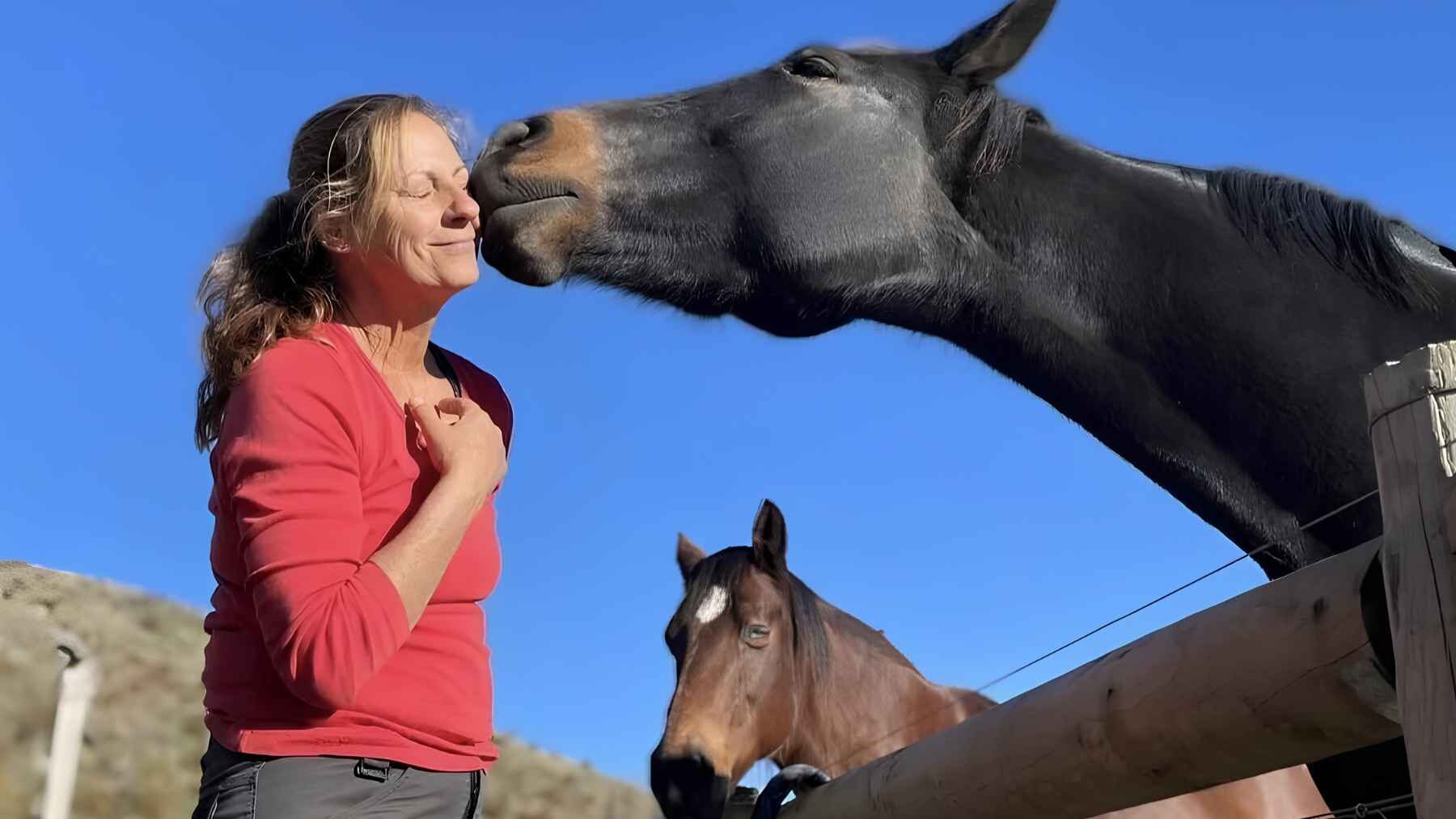
In New Zealand’s Cardrona Valley, a small farm cabin comes with a morning spent caring for rescued horses, ponies, and donkeys. Kind Farm’s HelpX listing advertises free on-site accommodation in exchange for four hours of morning help on five days out of seven, with space for one or two volunteers throughout the year.
It sounds like a dream setup for animal lovers, but there is one detail travelers should not overlook. Immigration New Zealand says accommodation can count as a financial benefit, which means this work exchange may be treated as work rather than ordinary unpaid volunteering.
What Kind Farm offers
The sanctuary’s listing says volunteers stay in either a small two-bed cabin or a cabin with a queen bed. Its official website also describes on-farm accommodation and makes clear that volunteers support essential daily operations rather than spending time with the animals.
That distinction matters. Cleaning animal shelters, maintaining paddocks, and completing other outdoor chores are part of the experience, and Kind Farm directs participants to a health and safety video before their stay.
A hands-on routine
Daily tasks can include grooming paddocks, brushing horses and donkeys, walking ponies and donkeys for exercise, feeding goats and pigs, and helping with cleaning. Volunteers may also work in the farm nursery by potting seedlings, weeding, and planting.
The work means muddy boots, early mornings, and jobs that change with the animals, weather, and season. The listing says tasks vary, so applicants should arrive ready to help wherever the sanctuary needs them most rather than expecting every shift to involve a particular animal.
More than animal care
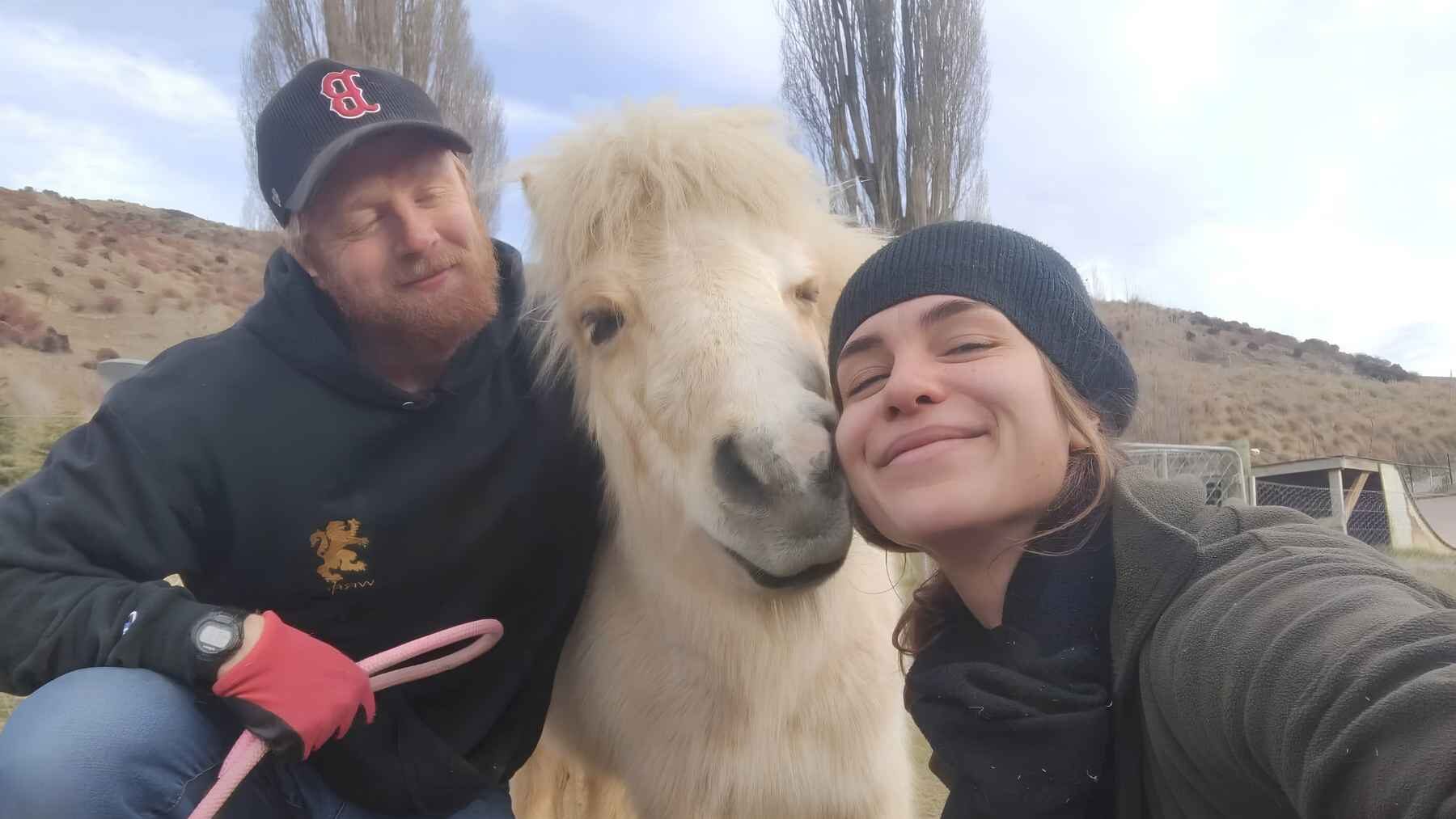
Kind Farm says rescued animals are at the center of every decision it makes. The sanctuary focuses on long-term care, good nutrition, and enriching environments for residents that include horses, ponies, donkeys, cows, sheep, pigs, goats, and dogs.
The project also extends beyond fences and feed buckets. Kind Farm runs a native revegetation program designed to restore local bush and birdlife in the Cardrona Valley, while its nursery supports planting work on the property.
Life in Cardrona Valley
The HelpX listing places the sanctuary about 15 minutes from Wānaka, 40 minutes from Queenstown, and 25 minutes from Cardrona Alpine Resort. That puts volunteers close to lakes, mountain trails, and ski country, which can turn two weekly days off into a real South Island adventure.
Still, this is a rural farm stay rather than a city hostel. Applicants should confirm transportation, food arrangements, winter conditions, and the precise cabin setup before committing, especially because the accessible listing confirms accommodation but does not clearly state that every meal is included.
The visa catch
Immigration New Zealand defines a genuine volunteer as someone who receives no “gain or reward.” Its official guidance specifically lists board or lodging as a benefit with monetary value and says a person receiving that benefit should consider applying for a work visa.
Citizens of Argentina, Brazil, Chile, Mexico, Spain, and Uruguay are among those on New Zealand’s visa-waiver list and generally need an NZeTA for a short visit. However, visa-waiver entry does not cancel work restrictions, so the free lodging offered by this program makes it important to verify the correct immigration permission before boarding a flight.
Could a Working Holiday Visa work
A Working Holiday Visa may be an option for eligible applicants, depending on nationality, age, availability, and the conditions of the country-specific scheme. Immigration New Zealand says these visas generally allow young travelers to work and travel for up to 12 months, although requirements vary between countries.
This is not a detail to settle after arrival. Prospective volunteers should describe the exact exchange, including the working hours and free accommodation, when checking their options directly with Immigration New Zealand.
Travel insurance still matters
New Zealand’s Accident Compensation Corporation can cover visitors who suffer an accidental injury in the country, but it does not replace travel insurance. ACC says it does not cover illness, disrupted travel, emergency travel home, injuries while traveling to or from New Zealand, or treatment and rehabilitation after a visitor returns home.
A suitable policy should expressly cover volunteer farm duties, contact with large animals, emergency medical care, evacuation, and repatriation. Anyone planning to hike, ski, or take part in other outdoor activities on days off should also check that those activities are included.
How to apply carefully
Kind Farm directs prospective helpers to its official volunteer page and HelpX listing. Before accepting a place, ask for confirmed dates, daily hours, days off, sleeping arrangements, meal details, transportation options, safety instruction, and any experience expected around horses or other large animals.
Availability can change, so written confirmation should come before flights or other nonrefundable bookings. For the right traveler, this can be a meaningful exchange that combines practical animal care, conservation work, and time in one of New Zealand’s most striking mountain regions, but the paperwork is every bit as important as the packing list.
The volunteer information was published on Kind Farm.