Vultures circling overhead are usually riding a warm air column, not waiting for something to die, a UCLA researcher says, and older griffon vultures settle into the same roosts with the same friends
Vultures circling overhead are usually riding warm air, not waiting for a death, a UCLA researcher says, and older griffons stick to the same roosts.
· · 4 min read
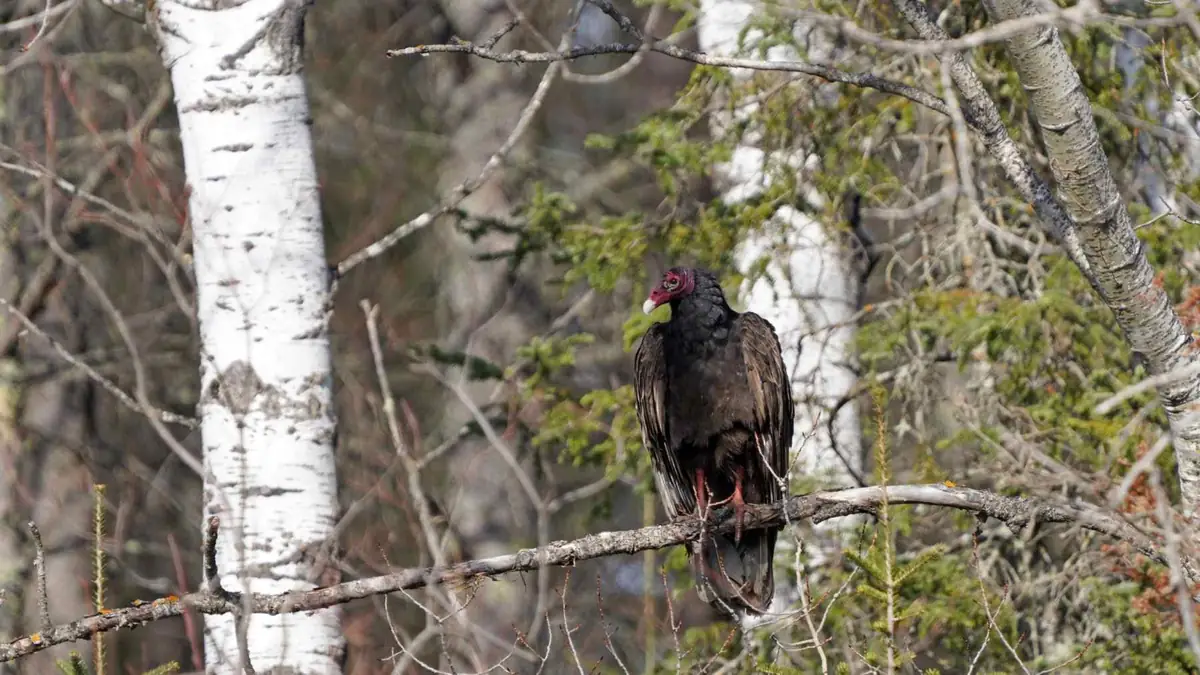
Vultures have a grim reputation, but a UCLA researcher says much of it is wrong. Kaija Gahm, who studies the birds, says circling vultures are usually not waiting for an animal to die. More often, they are riding a thermal, a rising column of warm air that lets them gain height cheaply and glide to the next one. A 2024 study that Gahm co-authored tracked 142 Eurasian griffon vultures in Israel over fifteen years. Young birds moved often between sleeping sites. From about age ten, they became homebodies, returning again and again to the same roost, and they spent far less time with vultures outside their close circle. Vultures also help people by cleaning up carcasses and stopping the spread of disease. Their real threats include poisoning from lead ammunition and veterinary drugs, and collisions with power lines.
Vultures have a grim reputation, but much of it is wrong, according to a UCLA scientist who studies them. The birds do not kill, and when they circle overhead they are usually not waiting for an animal to die.
Kaija Gahm, a doctoral candidate in ecology and evolutionary biology, made the case on UCLA College's "Cabinet of Curiosities" podcast. The university summed up the episode in a story published November 20 by UCLA, just ahead of Thanksgiving.
Gahm studies vultures in the lab of professor Noa Pinter-Wollman and works with professor Orr Spiegel at Tel Aviv University. The research focuses on how the birds move and how they socialize.
Nature's cleanup crew
Vultures are obligate scavengers, meaning they rely entirely on animals that are already dead. In the UCLA story, Gahm describes them as natural undertakers that clean up carcasses.
"Vultures are serving a role in the ecosystem that is very helpful to humans. They are stopping the spread of disease," Gahm said on the podcast.
Highly acidic digestive systems and strong immune defenses let them eat decaying meat safely, according to the university. Their bald heads have a practical side too, since the birds feed by pushing their heads into carcasses.

What circling really means
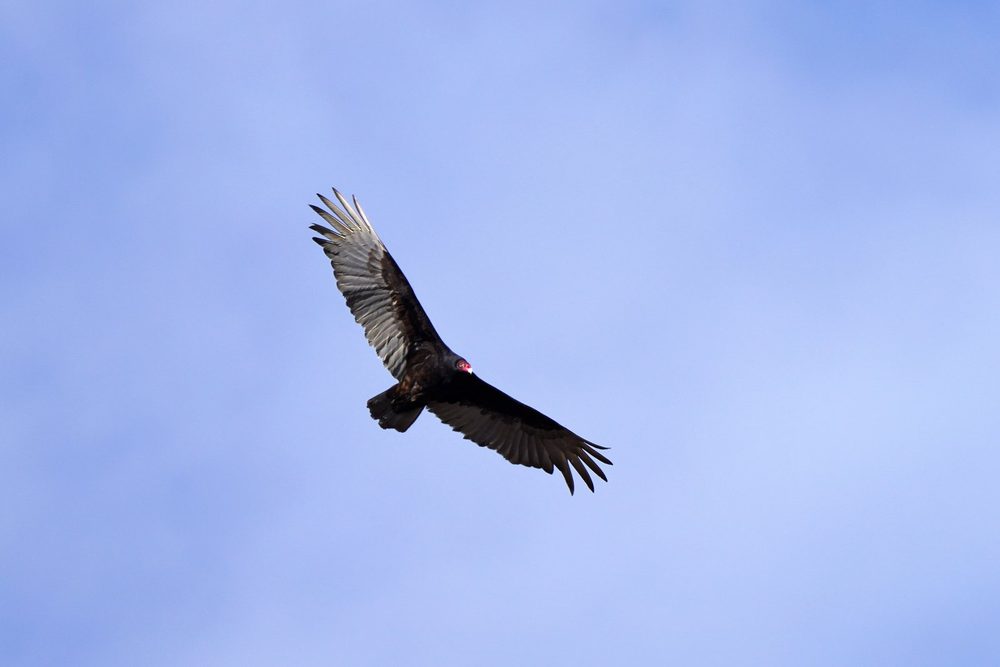
One of the most common myths is that circling vultures are waiting for a sick or injured animal to die. Vultures sometimes circle carrion as a signal to other birds that food is there, the story says.
More often, though, they are riding a thermal, a rising and swirling column of warm air. The birds use it to gain height cheaply and then glide across the landscape to the next one.
"It's a method of traveling that really is very energetically cheap," Gahm said. A group of vultures riding thermals together is called a kettle, after the swirling motion of boiling water.
Because thermals depend on the sun, vultures are not nocturnal either. A day can start slowly at the roost while the birds wait for conditions to suit soaring flight.
GPS tags every 10 minutes
Gahm's data come from Old World vultures, which live in Europe, Asia and Africa. They are not closely related to the New World vultures seen in California, but both groups evolved similar scavenging lifestyles.
The birds in Gahm's research are large enough to carry GPS trackers. The devices send a location for each bird roughly every 10 minutes, helping the team study movement and social ties.
GPS tracking is also used to follow other birds. In Australia, a young egret flew 38 hours straight with a GPS backpack, and the same kind of tracking is now helping scientists prepare for bird flu.
One open question is how much vultures rely on one another to find food. Gahm asks whether the birds really have friends or simply need social connections to learn where food is.
Set in their ways with age
A 2024 study co-authored by Gahm and Pinter-Wollman and led by Marta Acácio looked at Eurasian griffon vultures in Israel. According to a 2024 UCLA release on the study, the team used GPS data from 142 tagged birds gathered over 15 years. The results were published in the Proceedings of the National Academy of Sciences.
Young vultures moved often between sleeping sites and rarely spent two nights in the same place. From about age 10 on, the birds became true homebodies, returning again and again to the same roost. Younger birds also tended to avoid the most popular roosts.
The number of companions did not change with age, but older birds spent far less time with vultures outside their close circle. Their movements also became more routine, following a predictable pattern.
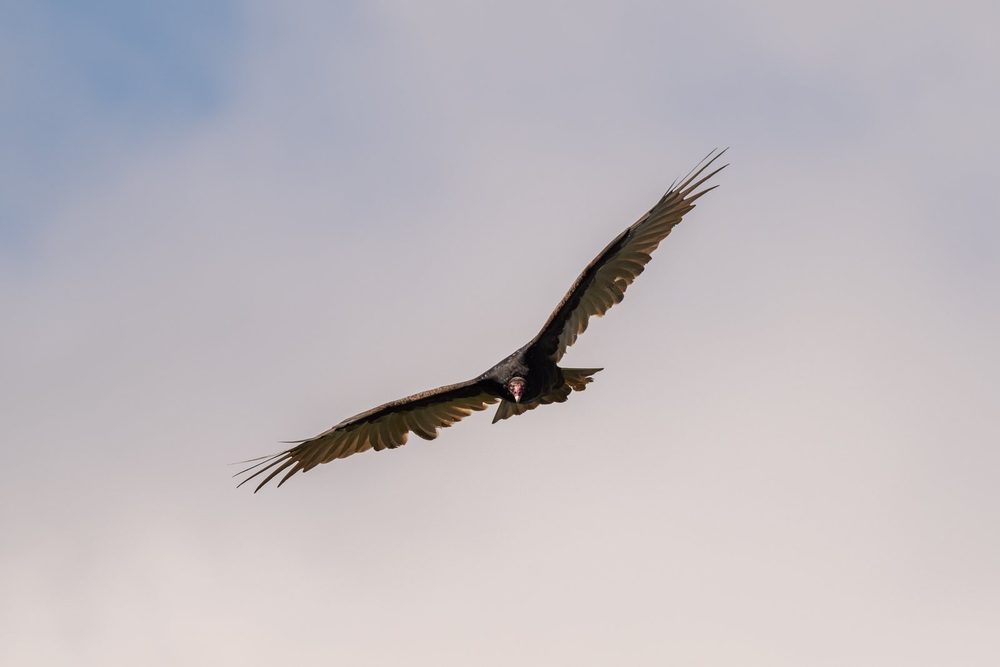
Griffon vultures have wingspans of up to 9 feet, the 2024 release notes. That makes them much larger than North American turkey vultures and bigger than bald eagles.
Real threats behind the bad press
Vultures face serious dangers, according to the UCLA story. These include poisoning from lead ammunition and veterinary drugs in the carcasses they eat, as well as collisions with power lines.
Poison has already wiped out vultures in some places. In Sicily, poison set out for foxes emptied a Sicilian mountain range of griffon vultures, and only now are young birds flying there again.
Gahm says understanding vulture behavior is one way to help protect the birds. Long-term tracking matters too, because the aging findings depended on following the same vultures for years.
Photos: U.S. Fish and Wildlife Service; National Park Service
Glossary for this story
- Ecosystem
- A community of living things and the environment they live in, together with the relationships between them.
Javier Niño
Writer at ECOnewsJavier Niño has been a Spanish National Police officer since 2017 and a journalist specialising in employment, labour law and Social Security, with more than seven years of writing experience. At ECOnews he covers environment, energy and sustainability news, focusing on how new regulations and court rulings affect people in their everyday lives.
More from Javier NiñoComments · 0
Rules ›No comments yet. Be the first to share your view.