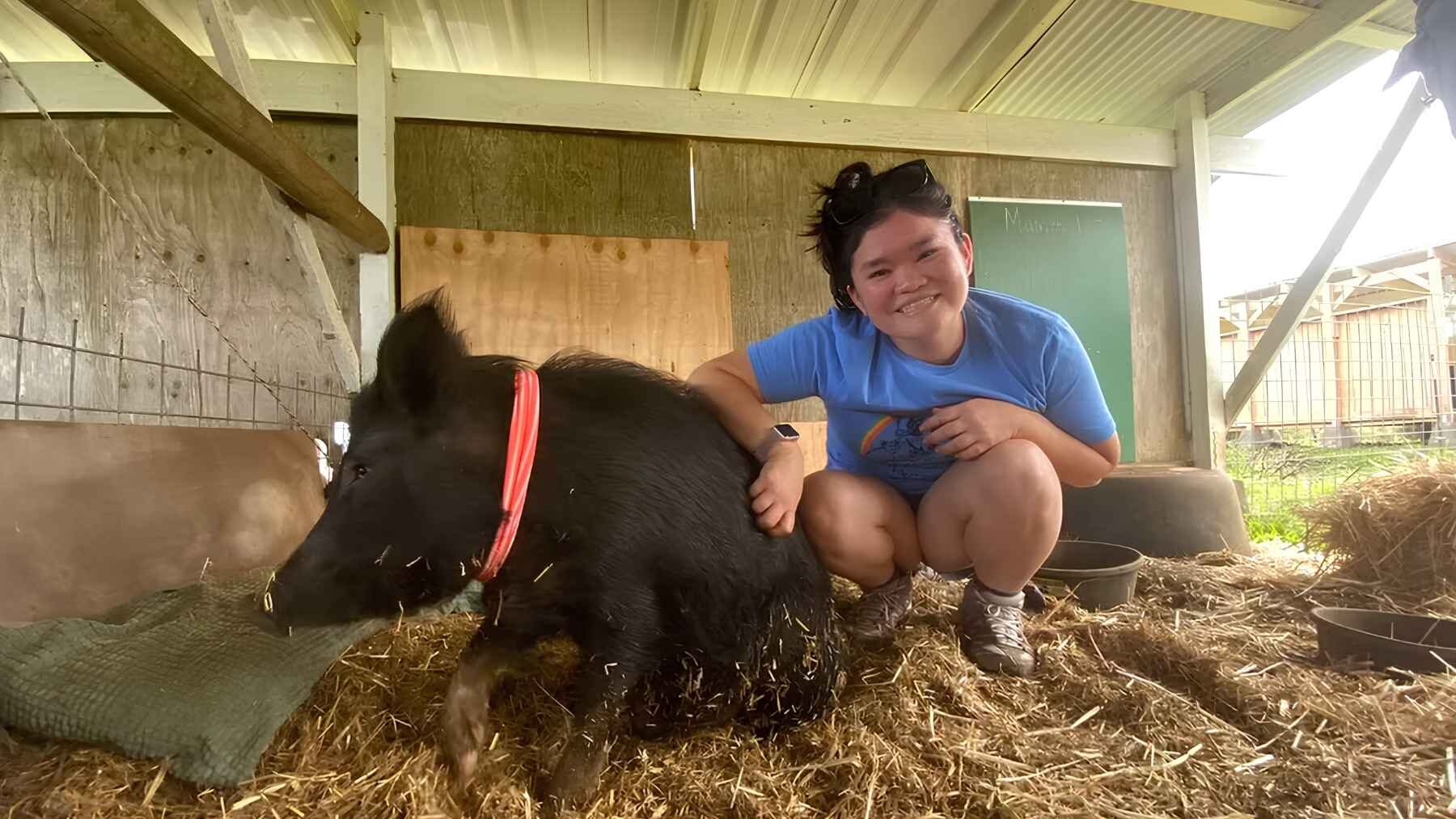
A pig sanctuary in Hawaii is offering free housing for twenty hours of work a week, and the detail most people miss is that Keaau is not an island
Living in Hawaii without making a monthly rent payment sounds like the kind of offer that races across social media. However, the catch matters.. Selah’s Pig Sanctuary is looking for a live-in intern who can contribute about 20 hours each week to caring for rescued pigs and supporting the property.
This is not being advertised as a casual volunteer vacation. The current listing describes a hands-on commitment lasting several months, with on-site housing supplied as a stipend rather than a conventional cash salary.
Keaau is on Hawaii Island
One geographical detail needs clearing up first. Keaau is a community on Hawaii Island, commonly called the Big Island, rather than an island of its own.
The sanctuary lists a Keaau address and describes itself as a small pig sanctuary based on the island of Hawaii. Applicants should therefore picture a rural Big Island placement, not a private island retreat surrounded by resort beaches.
What the 20 hours involve
The work extends well beyond putting food into bowls. Interns are expected to help with feeding, fresh water, health checks, enclosure cleaning, bedding, fencing, landscaping, composting, and basic emergency preparation.
The role can also include developing enrichment activities, supporting tours and participating in community outreach. The schedule is described as flexible, but in practical terms, animals still need dependable care whether the day is sunny, rainy or uncomfortably humid.
Housing is the stipend
The opportunity is frequently described as offering “free housing,” but the official listing uses more accurate language. It values the accommodation at approximately $1,000 per month and provides it as a living stipend in exchange for 20 hours of weekly sanctuary care and management support.
Utilities, Wi-Fi and basic amenities are included, while the room may be private or shared depending on availability. The listing does not say that airfare, meals, health insurance or everyday personal expenses are covered, so those details should be confirmed before anyone starts packing.
Who would fit the role
Previous experience with farm animals, veterinary work or sanctuaries is preferred, although it is not presented as mandatory. More important qualities include reliability, self-motivation, compassion for animals and the ability to handle physical outdoor work in a rural environment.
The organization prefers a commitment of at least 3 to 6 months. Its application also asks about driving credentials and previous communal living, suggesting that practical independence and the ability to share space matter almost as much as enthusiasm for pigs.
Why enrichment matters
Feeding and cleaning are only part of responsible pig care. The European Food Safety Authority has found that pigs need suitable materials and opportunities to satisfy natural behavioral needs such as exploration and manipulation.
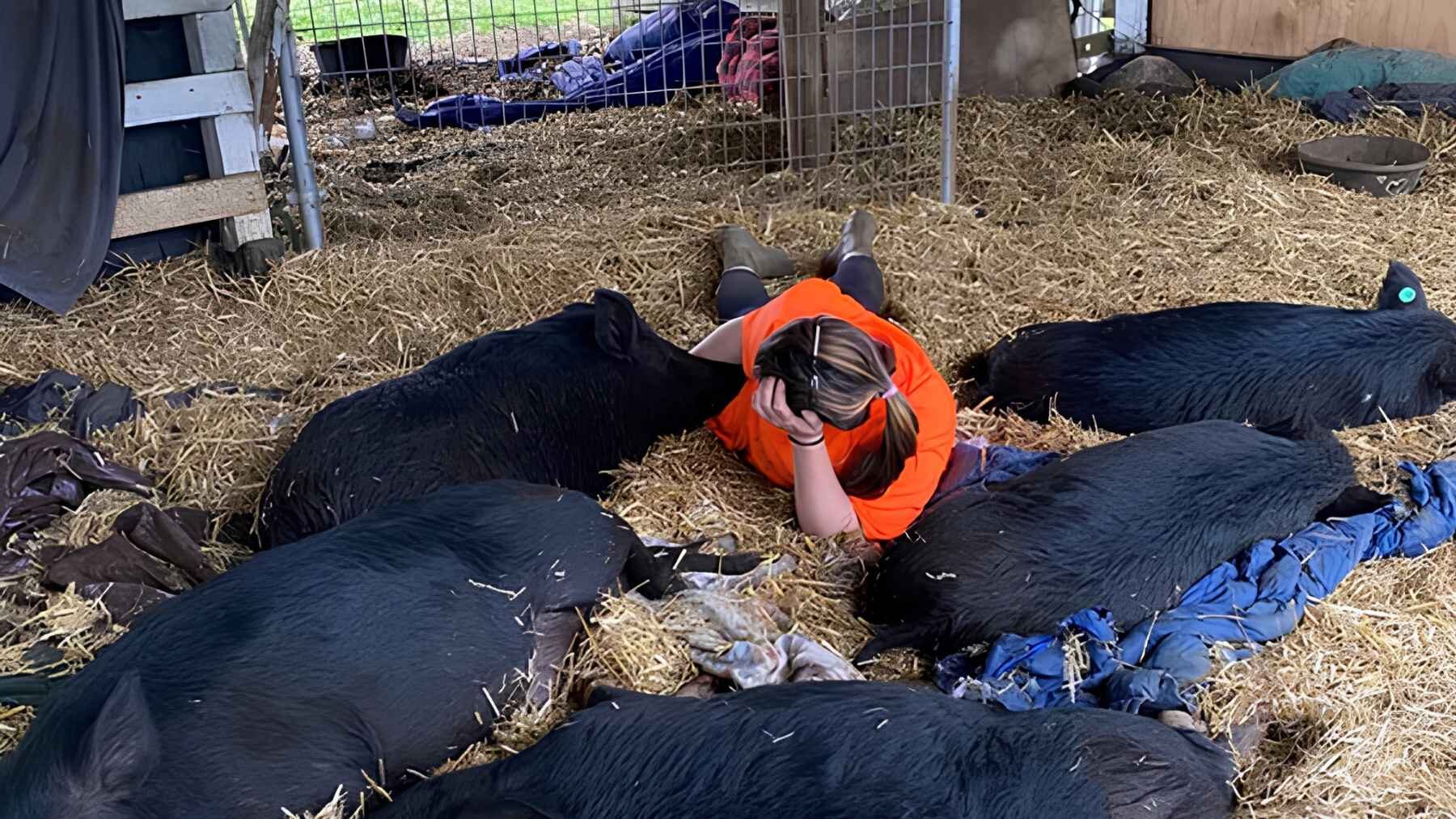
Research has also found that enriched environments — providing toys, rooting material, and structural puzzles — can increase healthy play while curbing destructive behaviors towards other pigs. Positive, familiar contact with caregivers may offer another form of stimulation, which helps explain why socialization appears beside enclosure maintenance in the sanctuary’s list of duties.
Pigs present an ecological dilemma
Hawaii’s relationship with pigs is complicated. Federal and state researchers report that unmanaged feral pigs can disturb soils and watersheds, damage native vegetation, expose land to erosion and harm vulnerable island ecosystems.
Selah’s Pig Sanctuary approaches the issue through individual rescue, education and what it calls humane coexistence. That places the internship at an unusual meeting point between animal welfare and island conservation, two goals that can require careful balance rather than easy slogans.
The application timing needs checking
At the time of publication, the Idealist announcement showed an Aug. 10, 2026 application deadline, an Aug. 17 start date and a Jan. 1, 2027 end date. Curiously, the same listing also referred to rolling start dates and said that a three-to-six-month commitment was preferred.
The sanctuary’s own website continues to display an application form for a live-in pig caretaker. Because the dates and descriptions are not perfectly aligned, interested readers should contact the organization directly to verify whether a position is still available and what commitment is currently required.
International applicants need an extra check
The public announcement does not promise visa sponsorship or state that applicants from every country are eligible. The U.S. Department of State says participants in some qualifying nonprofit voluntary service programs may be eligible for visitor visas, but that does not mean every unpaid work-trade arrangement automatically qualifies.
Overseas candidates should confirm their eligibility with official U.S. immigration authorities and the sanctuary before purchasing flights. A tropical address does not remove the usual entry, documentation and financial requirements.
How to apply
Applicants can use Idealist or the form on the sanctuary’s website, while the listing also invites candidates to email a resume and short statement of interest. They should be ready to discuss their animal experience, preferred arrival date, intended length of stay, driving status and experience living with other people.
It is also sensible to ask about meals, transportation, days off, physical demands, emergency coverage and the exact accommodation available.