A young Oneida woman named Polly Cooper left Kanonwalohale on April 25, 1778, in cold spring snow. She traveled more than 186 miles with a delegation that included 47 Oneida warriors bringing white corn to George Washington’s hungry Continental Army at Valley Forge. For hungry troops, the timing mattered.
Her name did not appear in a colonial account of the delegation, but Oneida oral tradition kept her story alive. Cooper taught soldiers how to prepare the corn, stayed to help them, and is now honored on the 2026 Native American $1 coin.
A three-week trek to Valley Forge
The group reached Valley Forge on May 15, 1778, after about three weeks on the road. Their assignment was not simply a food delivery, since Washington had requested experienced Oneida warriors and scouts for the American cause.
The camp they entered was in deep trouble. Valley Forge is often remembered for freezing weather and thin rations, but disease was the main killer, with nearly 2,000 men dying from influenza, typhus, typhoid, dysentery, and other illnesses during the encampment.
Why the Oneida stepped in
The Oneida were one of the Six Nations of the Haudenosaunee Confederacy. Many Native nations tried to avoid the war, but the Oneida eventually backed the Americans after forces loyal to Britain destroyed Oriska and burned its homes, fields, and food supplies in 1777.
Their society was matrilineal, meaning clan and Nation membership passed through mothers. Women also held responsibility for agriculture and for carrying cultural knowledge forward, which helps explain why Cooper’s knowledge mattered alongside the warriors’ military skills.
The corn needed expert hands
What good was a load of corn if starving soldiers could not prepare it safely? The dried white corn needed special handling and careful cooking, and Cooper knew the method. There was no shortcut.
Cooper taught the soldiers how to prepare the corn and remained to help after many of her companions left. Other Oneida members served the American cause as scouts, spies, and soldiers.
A shawl carried the memory
Oral tradition says Cooper refused payment for her work. One version says Martha Washington gave her a black shawl and bonnet, while another says officers’ wives arranged the gift after noticing clothing she admired.
The bonnet was later lost, but the shawl remains with Cooper’s descendants. No known colonial document names her in the Valley Forge delegation or confirms how the gift was purchased, which is why historians separate the documented Oneida mission from personal details preserved mainly through oral tradition.
The alliance came at a price
Supporting the American cause brought heavy losses. Oneida Castle was destroyed in 1780, families spent years as refugees, and the Nation continued fighting even after losing homes and crops.
A 1794 treaty formally described the Oneida and Tuscarora as faithful allies who had been driven from their homes because of their support. Yet later land deals stripped the Oneida of nearly all their ancestral territory despite federal promises meant to protect it.
A dollar coin brings late recognition
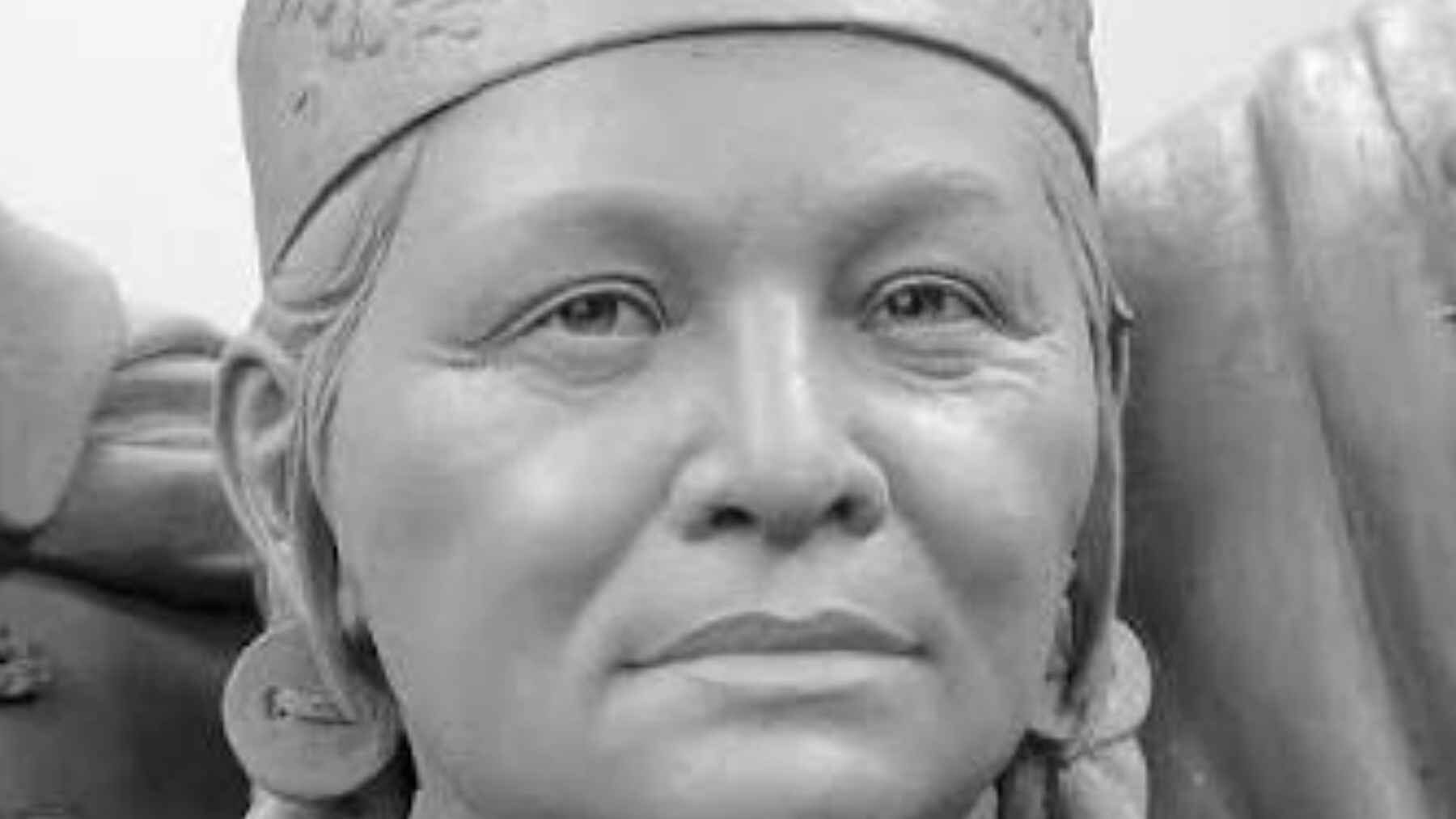
Released on January 27, 2026, the new dollar shows Cooper holding a basket of corn as Washington removes his hat in gratitude. The design places a Native woman at the center of a founding story that written records largely left unnamed.
“The Oneida people became America’s First Allies,” Ray Halbritter, the Nation’s representative, said while marking the release. Nearly 250 years after the snowy journey, the coin turns an oral history into something Americans can hold in their hands.
The official announcement was published by the United States Mint.