Scientists have recovered ancient human DNA from a pigment-bearing mineral crust in a Portuguese cave, showing that cave walls can preserve traces of people for thousands of years. The research, published June 23, 2026, in Nature Communications, offers a new way to investigate prehistoric life without relying solely on bones or buried artifacts.
But the people behind the paintings remain a mystery. Of the 120 samples described in the Max Planck Society’s announcement, only five yielded authentic ancient human DNA, and four came from walls without visible paint. Those apparently blank surfaces may be just as valuable as the artwork.
How a painted wall could hold human DNA
The idea begins with the way prehistoric people applied paint, including blowing pigment onto rock or rubbing it onto the surface. Those actions could have deposited saliva or skin cells along with the red ochre. Think of an invisible trace left on a window, except that here the question is whether it can survive for millennia.
Between 2022 and 2025, researchers visited 11 caves in Spain and Portugal and collected material from around 24 rock art panels. They sampled pigment and mineral crusts associated with paintings, then collected material from unpainted walls for comparison. The aim was to test whether the artwork held a distinctive genetic signal.
A tiny sample from Escoural changes the search
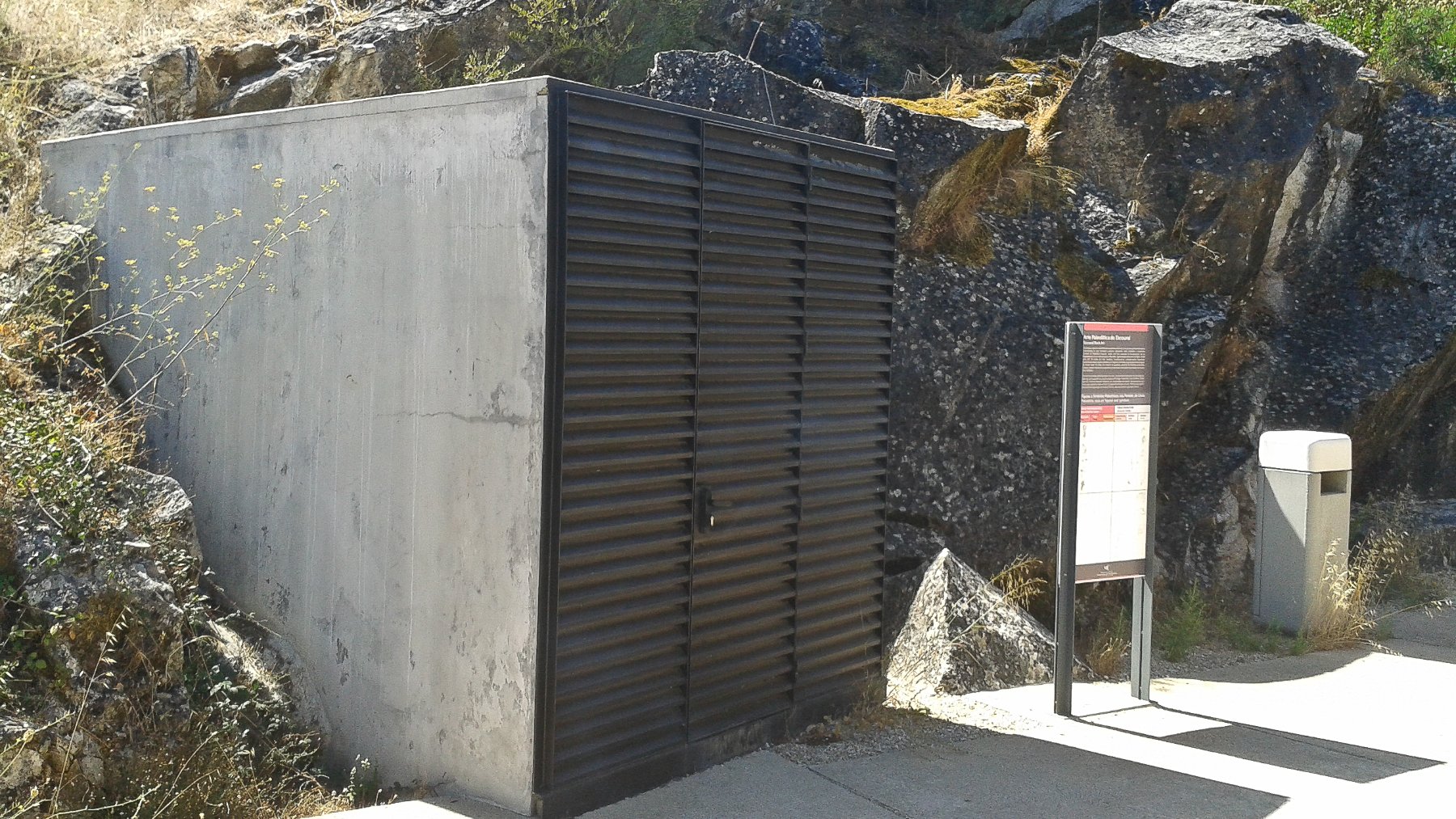
At Escoural Cave in Portugal, a calcite crust associated with red pigment yielded ancient human DNA. Researchers also detected it in unpainted wall samples there and at Covarón Cave in Spain. The finding extended the investigation beyond the pictures themselves.
The Escoural pigmented sample contained no detectable animal DNA, a clue favoring direct human contact through saliva, sweat, or other bodily fluids. Some unpainted samples carried both human and animal DNA, which could have arrived together through cave-floor sediment or moving water. That difference helps distinguish possible routes by which DNA reached the walls.
Ancient DNA is not an artist’s signature
Could this be the biological signature of a prehistoric artist? Possibly, but a later visitor touching the wall or sneezing near the image could also have left it. Finding human DNA beside pigment establishes an intriguing connection in space, not necessarily in time.
The researchers could not determine an exact age for Escoural’s DNA, but they estimate it is at least 2,000 years old. The cave was sealed roughly 4,000 to 5,000 years ago, suggesting the ancient traces are older still. Those clues cannot establish that the pigment and DNA were deposited together.
What the genetic traces reveal about people
Genetic analysis indicated that three samples contained predominantly female-derived human DNA and one predominantly male-derived DNA. The pigment-bearing sample did not provide enough information to determine sex. These findings therefore do not establish whether women or men created the paintings.
Two unpainted samples from Covarón also showed genetic similarities to western hunter-gatherers known from remains dating to roughly 16,700 to 5,200 years ago. That comparison offers clues about the people represented, not a precise date for the wall DNA.
Why blank cave walls deserve another look
“This is not just about rock art,” said study coauthor and archaeologist Hipólito Collado Giraldo. “It’s about understanding how people used caves and where they left their marks.”
That is the broader shift suggested by the findings. An unpainted passage could preserve evidence of human activity even where no artwork catches a visitor’s eye, potentially helping researchers investigate how people used caves. The absence of a picture need not mean the absence of a human story.
The next challenge is preserving the evidence
The small number of successful samples shows how unevenly DNA survives on these surfaces. The team wants to improve its methods and compare more caves and artistic techniques, particularly hand stencils and paintings of recognizable subjects. Further sampling will also need to minimize damage to the material under study.
The official announcement also describes tests on a prehistoric bird-bone airbrush from Altamira Cave. Despite its likely use for blowing paint, it yielded no detectable ancient human DNA, with modern contamination and minimal sampling cited as possible reasons. An object’s apparent connection to painting does not guarantee a surviving genetic trace.
For now, the discovery offers a starting point rather than a roll call of prehistoric artists. Connecting the genetic evidence to the creation of a particular image will take further work.
The official press release was published on June 24, 2026, on the Max Planck Society website.